Side-by-Side IQ Profile: Bearded Collie vs. Greater Swiss Mountain Dog
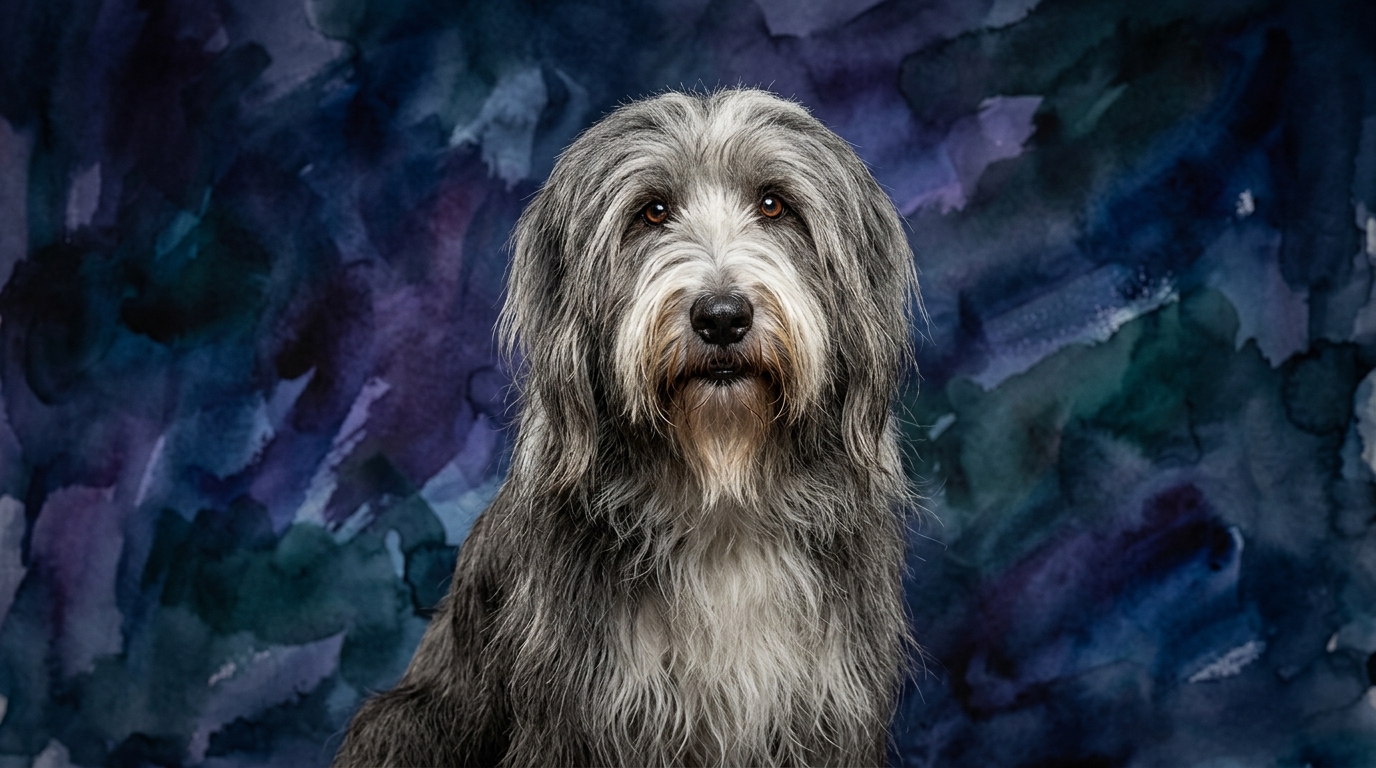
The Cosmic Pet Pet IQ Lab provides a comprehensive framework to understand canine cognition, breaking intelligence down into five key dimensions. For the Bearded Collie, a Herding Group member ranked #34 by Coren, its profile highlights significant mental agility. Their Problem Solving is rated 4/5, indicating a strong capacity for independent thought and adapting to novel challenges, reflecting their history of managing livestock across varied terrains. A Training Speed of 4/5 highlights their readiness to absorb new commands and routines swiftly, making them responsive learners. Their Social Intelligence at 3/5 suggests a good, but not overly dependent, understanding of human and canine social cues, while an Instinctive Drive of 3/5 points to a moderate but present herding impulse that can be channeled. Finally, an impressive Memory score of 4/5 means they retain learned information and experiences exceptionally well, building on past lessons with ease.
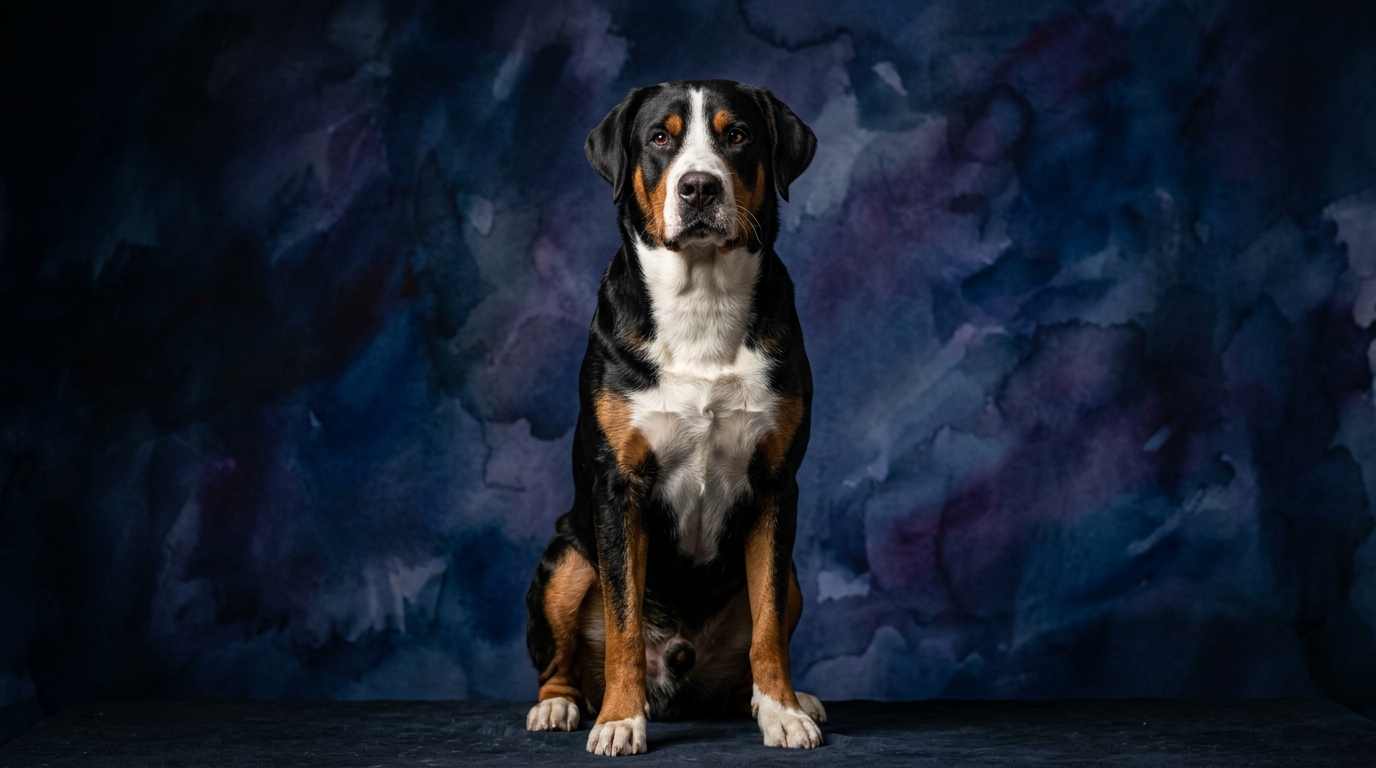
The Greater Swiss Mountain Dog, a powerful member of the Working Group and not appearing on Coren's list, possesses a robust and practical intelligence suited to its heritage. Their Problem Solving is rated 3/5, indicating a solid, practical approach to overcoming obstacles, often favoring strength and persistence over intricate strategies. A Training Speed of 3/5 means they learn at a steady pace, requiring consistency and clear instruction to master new tasks. Their Social Intelligence, also at 3/5, signifies a capacity for understanding social dynamics, though they often exhibit a more independent streak. An Instinctive Drive of 3/5 is reflective of their historical roles in guarding, drafting, and farm work, demonstrating a purposeful application of their natural inclinations. Their Memory score of 3/5 suggests good retention of practical commands and routines, forming reliable habits over time.
Where the Bearded Collie Excels Cognitively
The Bearded Collie distinctly excels in several cognitive domains, primarily those requiring mental agility and rapid learning. Their Problem Solving score of 4/5 means they are highly adept at figuring out complex situations independently, often demonstrating creative solutions to puzzles or obstacles, which stems from their need to outsmart and direct livestock. This breed's superior Training Speed (4/5) allows them to grasp new commands and sequences of behaviors with remarkable efficiency, making advanced obedience or intricate trick training a rewarding experience. Furthermore, their exceptional Memory (4/5) ensures that once a lesson is learned or an experience encountered, it is retained effectively, enabling them to build a vast repertoire of skills and knowledge over their lifetime without constant refreshing.
Where the Greater Swiss Mountain Dog Shows Unique Strengths
While the Greater Swiss Mountain Dog's raw scores might appear less elevated, its cognitive profile represents a different kind of strength, particularly valuable for specific roles. Their balanced Problem Solving (3/5) and Instinctive Drive (3/5) combine to create a dog that is dependable and deliberate in its approach to tasks. Unlike the Bearded Collie's quick, agile problem-solving, the Swissy often applies a methodical, persistent effort, ideal for tasks requiring strength, endurance, and a steady temperament, such as carting or guarding. Their moderate Social Intelligence (3/5) allows them to form strong bonds while retaining a degree of independence, meaning they can work reliably without constant direct supervision, a trait valued in a traditional farm dog. This practical, steadfast cognitive makeup means they are less prone to neuroticism or overthinking, offering a grounded and predictable companion.
Training Dynamics: Which Breed Learns Faster?
Without question, the Bearded Collie presents as the easier breed to train, largely due to its superior Training Speed (4/5) and Memory (4/5). Their eagerness to learn and quick comprehension mean they pick up new commands and cues rapidly, often requiring fewer repetitions than the Greater Swiss Mountain Dog. Behavioral differences manifest in the Bearded Collie's responsiveness and active participation in training sessions; they thrive on mental engagement and complex tasks, often viewing training as a stimulating game. In contrast, the Greater Swiss Mountain Dog, with its 3/5 Training Speed, learns effectively but at a more measured pace. They require more patience, consistency, and positive reinforcement to solidify commands, and while they eventually master tasks, their independent nature means they may require more motivation to engage enthusiastically in repetitive drills compared to the Collie's inherent zest for mental work.
Matching Breeds to Owner Lifestyles: Active vs. Relaxed
For owners seeking an active, mentally stimulating companion, the Bearded Collie is an ideal match. Their strong cognitive drive, coupled with their herding background, means they require significant mental and physical exercise to prevent boredom and potential behavioral issues. They thrive in environments where they can engage in activities like agility, obedience, herding trials, or even complex puzzle games, making them suitable for owners who enjoy an interactive lifestyle and can dedicate time to consistent training and enrichment. Conversely, the Greater Swiss Mountain Dog, while certainly needing regular exercise, is better suited for owners who appreciate a more relaxed yet purposeful companionship. Their working dog heritage means they enjoy having a 'job' or routine, but their energy levels are generally less frenetic than a Collie's. They are content with steady walks, opportunities for supervised outdoor exploration, and being a calm, watchful presence, making them a good fit for owners who prefer a less intense daily activity schedule but still provide consistent engagement and a structured environment.
The Verdict
Select a Bearded Collie if you are an engaged owner seeking a highly responsive, mentally agile companion eager for advanced training, complex activities, and constant mental stimulation.
Opt for a Greater Swiss Mountain Dog if you desire a steadfast, dependable companion with a practical intellect, suited for consistent routines and a calm, watchful presence without requiring intense cognitive challenges.
🧠 Find Your Pet's IQ Score
Our Pet IQ Lab assessment covers 25+ tests across 5 cognitive dimensions — personalized to your breed.
Take the Full IQ Test →Frequently Asked Questions
Do Bearded Collies need more exercise than Greater Swiss Mountain Dogs?
Generally, yes. Bearded Collies, with their herding background and higher mental activity scores, typically require more vigorous and varied physical exercise combined with significant mental stimulation to stay content and well-behaved. Greater Swiss Mountain Dogs need regular exercise, but often prefer more moderate, purposeful activities over high-intensity, continuous exertion.
Can a Greater Swiss Mountain Dog excel in obedience or dog sports?
Absolutely, Greater Swiss Mountain Dogs can excel in obedience and various dog sports, particularly those valuing strength, steadiness, and precision like drafting, weight pulling, or even rally obedience. While they may not learn as quickly as a Bearded Collie, their dedication and desire to please their handler, combined with consistent training, allow them to achieve high levels of performance.
Are Bearded Collies good family dogs despite their herding drive?
Yes, Bearded Collies can be wonderful family dogs, known for their playful and affectionate nature. Their herding drive, if not properly channeled, might lead to gentle 'nipping' or trying to herd children, but with early socialization, consistent training, and appropriate outlets for their energy, they integrate well into family life. Their social intelligence allows them to adapt to family dynamics effectively.