Side-by-Side IQ Profile: German Shepherd vs. Greater Swiss Mountain Dog
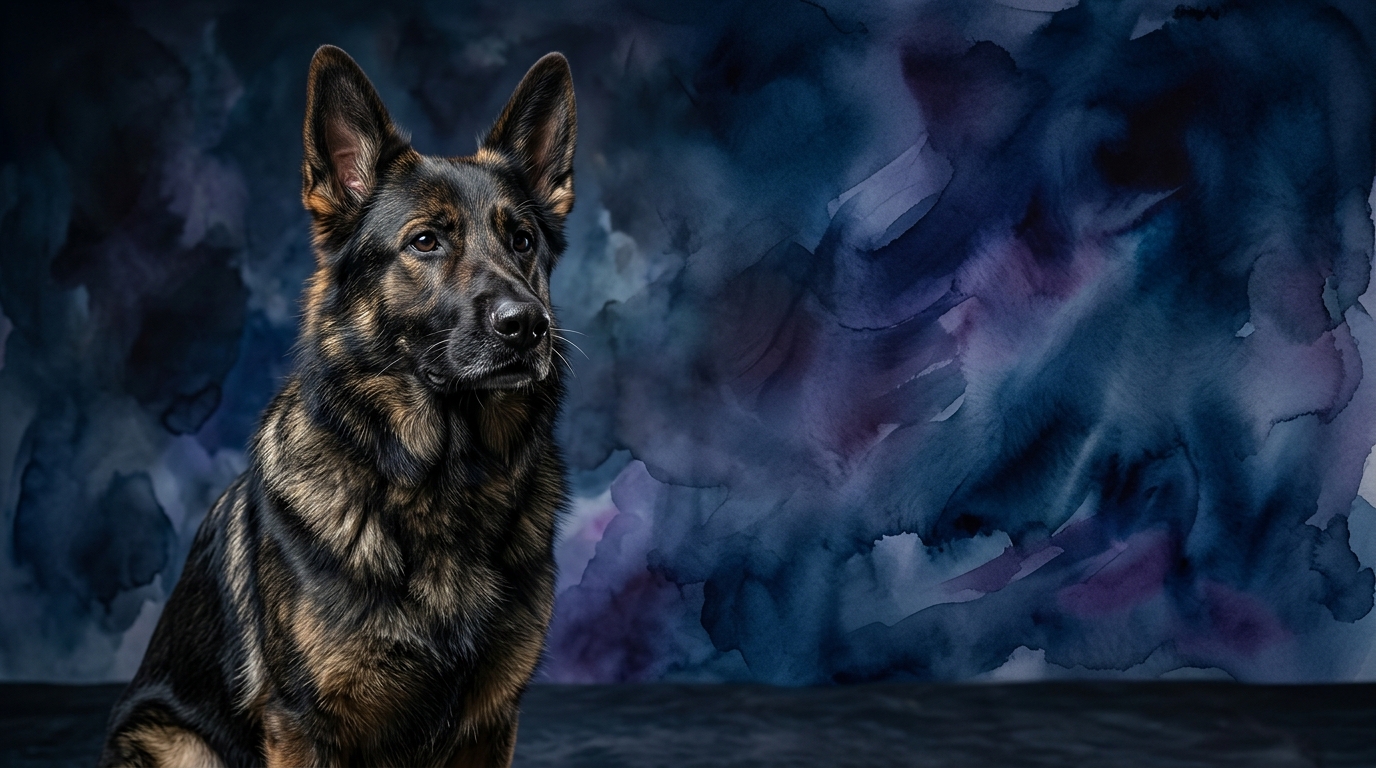
The Cosmic Pet Pet IQ Lab employs a five-dimensional framework to assess canine intelligence, offering a nuanced look beyond general perceptions. For the German Shepherd, a breed frequently seen in demanding roles, its cognitive profile is exceptionally strong across all metrics. Its Problem Solving is rated 5/5, indicating an outstanding capacity to analyze and adapt to novel challenges, often devising efficient, self-initiated solutions. Training Speed also scores 5/5, reflecting a rapid assimilation of complex commands and concepts, requiring minimal repetition for mastery. Social Intelligence stands at 5/5, showcasing a profound ability to interpret human cues, intentions, and emotional states, making them highly responsive partners. Their Instinctive Drive is a powerful 5/5, fueling a relentless focus and persistence in tasks ranging from herding to protection work. Finally, their Memory is a perfect 5/5, ensuring consistent retention of learned behaviors and experiences over extended periods.
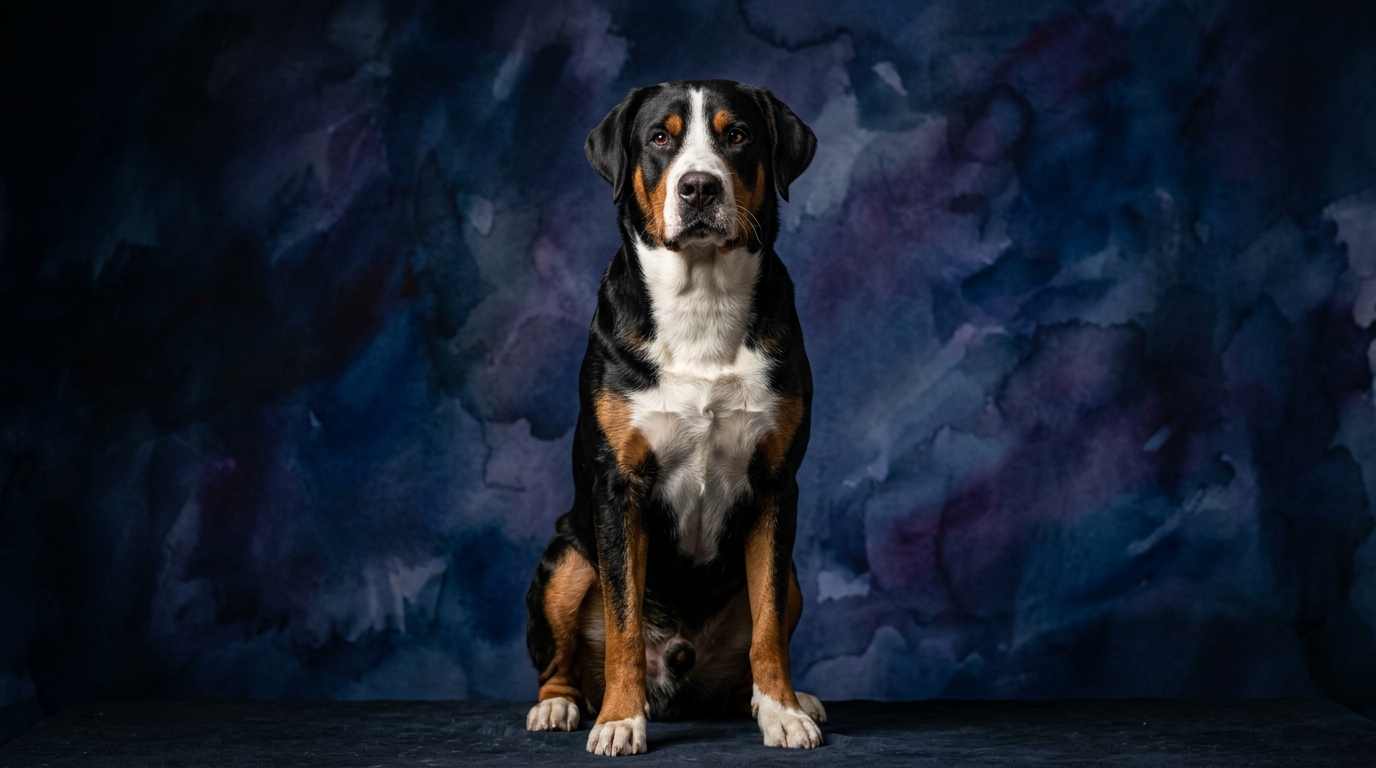
In contrast, the Greater Swiss Mountain Dog presents a different, yet equally valuable, cognitive makeup. Their Problem Solving is rated 3/5, indicating a competent ability to navigate familiar challenges and learn routines, though they may require more guidance with entirely new or abstract problems. Training Speed is also 3/5; they learn effectively with consistent, patient instruction, gradually building their skill set rather than absorbing information at a rapid pace. Their Social Intelligence is rated 3/5, signifying a solid understanding of their human companions and family dynamics, fostering strong, reliable bonds. The breed's Instinctive Drive is 3/5, rooted in their historical role as farm dogs with a desire for practical utility and companionship rather than intense, complex work. Their Memory scores 3/5, demonstrating good retention of learned behaviors and household routines, ensuring they reliably remember their training and family members.
Where the German Shepherd Wins Cognitively
The German Shepherd's cognitive profile consistently places it at the apex of canine intellectual performance, particularly in areas demanding complex analytical thought and rapid assimilation. Their 5/5 rating in problem-solving means they don't just follow instructions; they actively strategize. For instance, a German Shepherd tasked with retrieving an object from behind an obstacle might not just try to go around it, but might assess the obstacle's stability, potentially moving it or finding a less obvious, more efficient path. This isn't rote learning but an application of flexible intelligence. Their training speed, also a perfect 5/5, allows them to master intricate multi-step commands, like those used in competitive obedience or protection work, with remarkable efficiency. They grasp abstract concepts, such as 'stay' for extended periods in varying environments, or 'find' for specific scents, much faster than many other breeds. Furthermore, their 5/5 social intelligence translates into an uncanny ability to anticipate human intent. They can read subtle shifts in body language or vocal tone, adjusting their actions proactively, making them exceptional partners in service roles where human-animal communication is paramount. This deep understanding of social cues, combined with their potent instinctive drive for purpose-driven activity, makes them unparalleled in tasks requiring both intellectual agility and unwavering focus. Their memory, a perfect 5/5, ensures these learned complex behaviors and nuanced social understandings are retained, providing consistent and reliable performance over their lifetime, even after extended breaks from training.
Where the Greater Swiss Mountain Dog Wins Cognitively
While the German Shepherd excels in rapid, complex cognitive tasks, the Greater Swiss Mountain Dog offers a different, equally valuable set of cognitive strengths, particularly in areas reflecting their historical utility and temperament. Their moderate problem-solving and training speed (both 3/5) are not indicative of a lack of intelligence, but rather a preference for practical, purposeful learning over abstract complexities. Where a German Shepherd might overthink a novel situation, a Swissy often applies a steady, methodical approach, relying on learned routines and a robust, grounded common sense. This can manifest as a calm persistence in tasks like pulling a cart or navigating a familiar trail, even when faced with minor impediments, rather than seeking a novel, 'clever' solution. Their social intelligence, also 3/5, shines in its directness and loyalty. They aren't prone to the same high-strung perceptiveness that can sometimes lead to anxiety in more sensitive breeds, instead offering a steadfast, predictable companionship. They understand their family's dynamics and expectations through consistent interaction, fostering a deep, unwavering bond rather than a nuanced, almost telepathic partnership. Their instinctive drive (3/5) is less about intense, focused work and more about being a reliable, sturdy presence. This translates to a calmer disposition, less prone to frantic energy or constant demand for mental stimulation. They "win" in their ability to be content with a more routine existence, finding satisfaction in practical tasks and family integration without the intense need for complex intellectual engagement that defines the German Shepherd. Their memory (3/5) is perfectly adequate for retaining household rules, training basics, and the locations of their favorite resting spots, ensuring a stable and predictable family member without the need for constant mental "refreshers" on complex commands.
Which is Easier to Train and Why
When evaluating ease of training, the German Shepherd undeniably holds an advantage due to its exceptional cognitive profile across the board. Their 5/5 training speed means they pick up new commands with remarkable rapidity, often understanding a new cue after just a few repetitions. This isn't merely about memorization; it's about their inherent ability to analyze, associate, and generalize concepts. For example, a German Shepherd learning "fetch" will quickly grasp the concept of retrieving various objects, not just the one initially used. Their high social intelligence (5/5) also makes them exquisitely attuned to their handler's subtle cues, intentions, and even emotional states, allowing for a highly nuanced and responsive training experience. They actively seek to understand and please, making them eager participants in learning. This contrasts with the Greater Swiss Mountain Dog, whose training speed is a solid but more moderate 3/5. Swissies learn effectively, but they require more repetitions and a consistent, patient approach. They are less likely to generalize a command quickly to new contexts without specific practice. A Swissy might learn "sit" perfectly in the living room but need additional practice to perform it reliably in a busy park. Their social intelligence (3/5) means they respond well to clear, direct communication but might not pick up on the subtle shifts in handler body language or tone that a German Shepherd instantly recognizes. Swissies are known for their independent streak, a remnant of their cart-pulling and guarding heritage, which means they might occasionally weigh a command against their own perceived utility or comfort, requiring a more persuasive and consistent approach from the trainer. While both breeds are trainable, the German Shepherd's innate drive for purpose, coupled with their cognitive agility, makes them inherently "easier" in terms of speed, complexity of tasks learned, and responsiveness, whereas training a Greater Swiss Mountain Dog requires a deeper well of patience and an appreciation for their more deliberate learning style.
Which Suits Active Owners vs. Relaxed Owners
The choice between a German Shepherd and a Greater Swiss Mountain Dog hinges significantly on an owner's lifestyle and their capacity to meet a dog's specific cognitive and physical needs. For active owners seeking a true partner in demanding activities, the German Shepherd is an ideal match. Their 5/5 instinctive drive and high energy levels necessitate a lifestyle filled with purpose and engagement. These dogs thrive on activities like advanced obedience, agility, protection sports, hiking, or even search and rescue. An active owner for a German Shepherd means someone who can commit to daily rigorous physical exercise, combined with extensive mental stimulation through training, puzzle toys, and complex tasks. Their intelligence demands to be challenged; without it, they can become bored, leading to undesirable behaviors. A relaxed owner, conversely, would likely find a German Shepherd overwhelming. The constant need for mental and physical output would quickly lead to frustration for both dog and owner. The Greater Swiss Mountain Dog, with its 3/5 instinctive drive and more moderate energy, is far better suited for owners with a balanced or slightly more relaxed lifestyle. While they still require regular exercise to maintain health, such as daily walks and some playtime, they don't demand the same intensity or volume of high-level mental engagement as a German Shepherd. Swissies are content with being part of family activities, enjoying a comfortable routine, and having a job that might be as simple as accompanying their owner on errands or pulling a lightweight cart in the yard. They appreciate comfort and companionship, often being quite calm indoors after sufficient exercise. A relaxed owner who enjoys consistent, moderate activity and values a steady, dependable presence will find the Swissy to be a wonderful companion, while an active owner might find their drive insufficient for very high-octane pursuits.
The Verdict
Choose the German Shepherd if you are an active, experienced owner eager for a highly engaged canine partner in complex training, sports, or demanding service roles, capable of providing consistent mental and physical challenges.
Opt for the Greater Swiss Mountain Dog if you prefer a steady, loyal companion for a balanced lifestyle, appreciating their dependable nature and willingness to participate in practical, moderate activities without needing intense mental stimulation.
🧠 Find Your Pet's IQ Score
Our Pet IQ Lab assessment covers 25+ tests across 5 cognitive dimensions — personalized to your breed.
Take the Full IQ Test →Frequently Asked Questions
Is a German Shepherd too smart for a first-time dog owner?
A German Shepherd's exceptional intelligence and high drive can be challenging for inexperienced owners. Their need for consistent training and mental stimulation requires dedication, and without proper guidance, their capabilities might lead to behavioral issues rather than successful partnership.
Do Greater Swiss Mountain Dogs require a lot of exercise?
Greater Swiss Mountain Dogs need regular, moderate exercise to stay healthy and content, such as daily walks and playtime. While they don't demand the intense, high-impact activities of some working breeds, consistent physical activity prevents boredom and maintains their robust physique.
How do their protective instincts differ?
The German Shepherd's protective instincts are typically sharp and highly trainable, often manifesting as alert guardianship and a readiness to act on command. The Greater Swiss Mountain Dog's protective nature is generally more inherent and territorial, expressed as a watchful presence and a deep loyalty to their family and home, often without needing extensive specialized training.