Side-by-Side Cognitive Profile
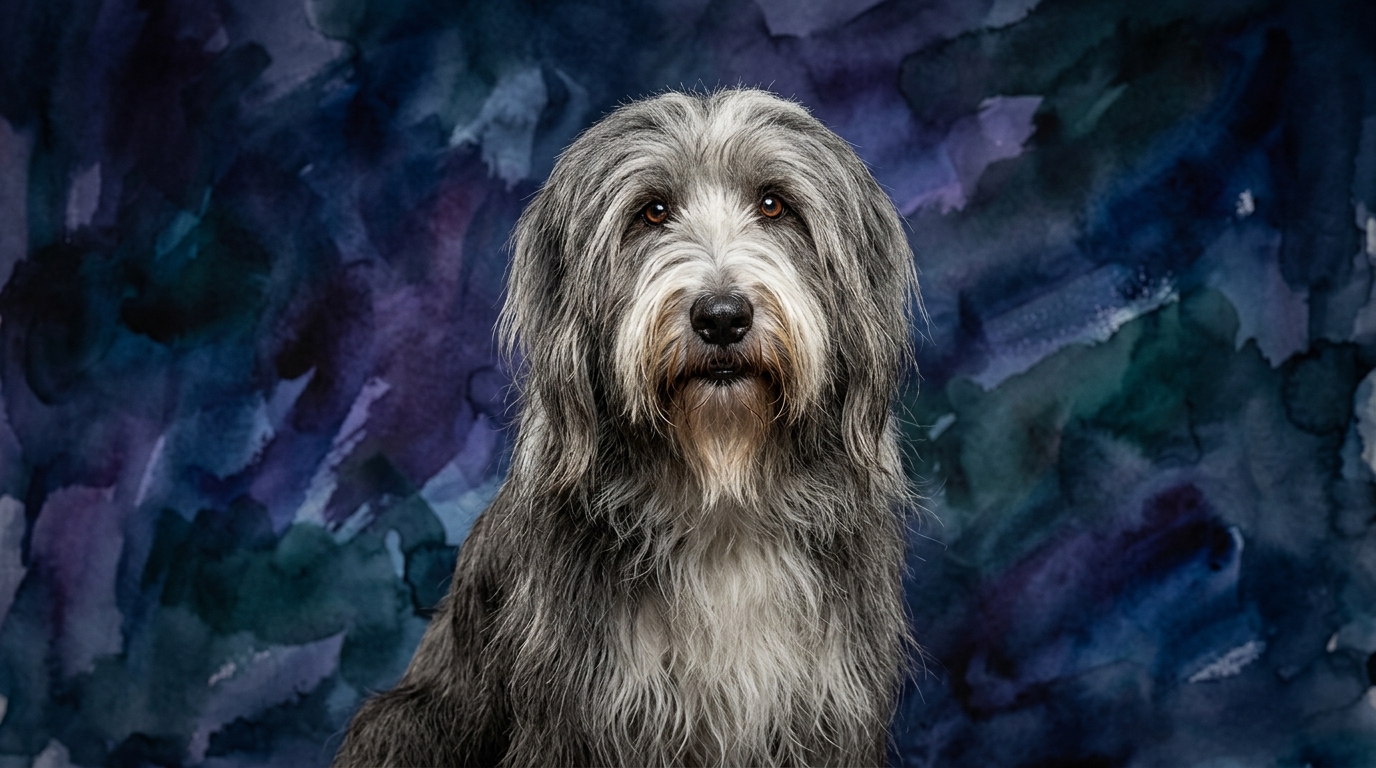
The Cosmic Pet Pet IQ Lab provides a unique framework for evaluating canine intelligence across five crucial dimensions. For the Bearded Collie, ranked #34 by Coren, its profile shows a Problem Solving score of 4/5, indicating a strong capacity for independent thought and navigating complex situations. Its Training Speed is also 4/5, suggesting a rapid grasp of new commands and concepts. Social Intelligence is rated 3/5, reflecting a moderate ability to interpret human cues and interact appropriately. An Instinctive Drive of 3/5 points to a balanced expression of its herding impulses, while its Memory, at 4/5, highlights excellent retention of learned behaviors and experiences.
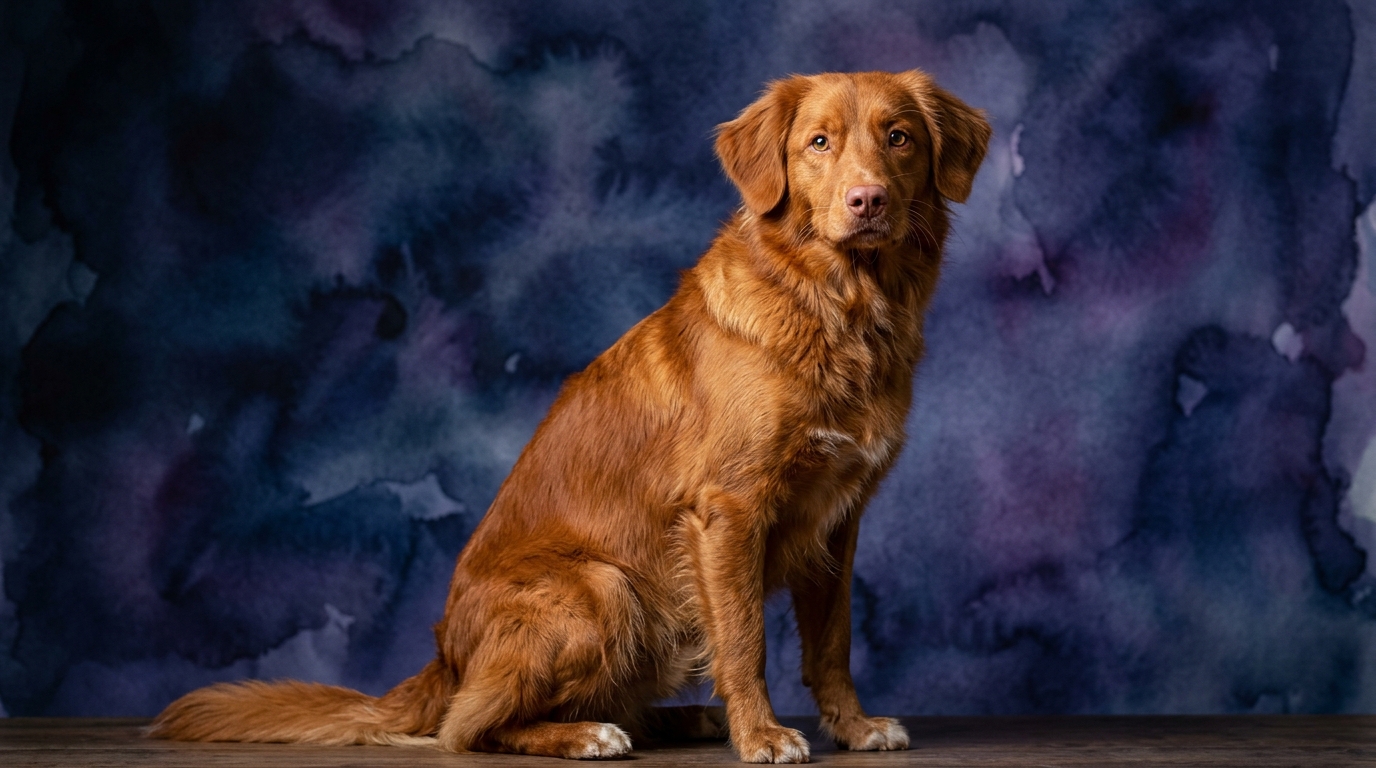
The Nova Scotia Duck Tolling Retriever, while not Coren-ranked, presents a consistent cognitive profile across the board. Its Problem Solving score is 3/5, suggesting a competent but perhaps less spontaneously inventive approach to novel challenges. A Training Speed of 3/5 indicates a steady, consistent learning pace, requiring clear and repetitive instruction. Social Intelligence is 3/5, mirroring the Beardie in its moderate social acumen. Its Instinctive Drive is also 3/5, which for a Sporting breed, points to a well-controlled, purposeful drive focused on retrieving tasks. Finally, its Memory is 3/5, suggesting solid recall of established routines and commands, though perhaps with less capacity for vast, complex repertoires than the Beardie.
Where the Bearded Collie Excels Cognitively
The Bearded Collie's cognitive edge is most apparent in its superior problem-solving capabilities and accelerated training speed. With a 4/5 in Problem Solving, Beardies often display a more inventive approach to obstacles, whether it's figuring out how to open a gate or navigating an agility course with minimal prior instruction. This isn't just about following commands; it's about independent thought and adapting learned principles to new situations. Their 4/5 Training Speed means they typically absorb new concepts and commands with fewer repetitions than many other breeds. This rapid uptake makes them particularly rewarding for owners who enjoy teaching complex sequences or engaging in advanced obedience work.
Their strong memory (4/5) further solidifies this advantage, allowing them to retain vast repertoires of commands and recall intricate patterns over long periods, making them ideal candidates for competitive dog sports where precision and sequence memory are paramount. This combination of quick learning and robust recall allows them to build upon their knowledge base more rapidly, fostering a more sophisticated cognitive framework for future learning and making them highly adaptable to diverse learning environments.
Where the Nova Scotia Duck Tolling Retriever Excels Cognitively
While the Toller's individual IQ metrics might appear slightly lower than the Beardie's in some areas, their strength lies in a balanced, purposeful application of their cognitive abilities, particularly within their instinctive drive. The Toller's 3/5 in Instinctive Drive, while matching the Beardie, is channeled with a specific focus on their retrieving heritage. This manifests as a remarkable tenacity and focus on task completion, especially when it involves scent work, retrieving, or water activities.
Their problem-solving (3/5) and training speed (3/5) are not about flashy quickness, but about a steady, persistent engagement with learning, often excelling in scenarios where consistent effort and focused repetition lead to mastery. This breed's cognitive profile makes them exceptionally reliable in their working roles, demonstrating a steadfast commitment to their duties without excessive distraction. Their social intelligence (3/5) is particularly well-suited for cooperative work with a handler, maintaining focus on the task while remaining attuned to their human partner's cues without being overly dependent or easily sidetracked by external social stimuli. This cognitive blend produces a dog that is consistently dependable and purposeful in its actions, excelling in roles that demand sustained focus rather than spontaneous innovation.
Training Dynamics: Which is Easier and Why?
Based on their cognitive profiles, the Bearded Collie generally presents as an easier breed to train, particularly for a wide variety of tasks. Their 4/5 training speed means they pick up new commands and concepts with fewer repetitions, allowing for quicker progression through training levels. This rapid assimilation, coupled with a 4/5 memory, translates into commands being solidified faster and retained longer. For instance, teaching a Beardie a complex agility sequence or a multi-step obedience routine might involve fewer sessions to achieve proficiency. They tend to generalize learned behaviors more readily, applying a command learned in one context to a slightly different one.
In contrast, the Nova Scotia Duck Tolling Retriever, with its 3/5 training speed and memory, requires a more consistent and patient approach. While perfectly capable of learning, Tollers might need more repetition to ingrain new behaviors and ensure long-term retention. Their training success often hinges on clarity, consistency, and making the training feel like a purposeful 'job' that aligns with their inherent drive. They thrive on routine and clear expectations, excelling in specific retrieving or scent-based disciplines where their natural drive becomes a powerful motivator. While a Beardie might offer more immediate gratification in training due to their quick uptake, a Toller will eventually master tasks with steady, focused instruction, often achieving a level of reliable precision through dedicated effort.
Matching Lifestyles: Active vs. Relaxed Owners
Both breeds are undeniably active, but their energy profiles and cognitive needs align with slightly different owner lifestyles. The Bearded Collie, with its herding background and higher problem-solving score, thrives with owners who can provide not just physical exercise but also consistent mental stimulation. They need outlets for their quick wit and memory, such as advanced obedience, agility, trick training, or even herding games that challenge their cognitive abilities. A Beardie with insufficient mental engagement might invent its own 'problems' to solve, which can manifest as undesirable behaviors. Therefore, they are best suited for active owners who enjoy engaging in structured activities and puzzle-solving alongside their dog, appreciating a companion that actively seeks mental challenges and thrives on varied learning experiences.
The Nova Scotia Duck Tolling Retriever, while equally energetic, channels its activity with a more focused and purposeful intensity. Their instinctive drive (3/5) is geared towards specific retrieving tasks, making them ideal for owners who enjoy consistent outdoor activities like hiking, swimming, or particularly, dog sports involving retrieving or scent work. While they also benefit from mental stimulation, their cognitive profile suggests they might be content with repetitive, goal-oriented tasks rather than constantly seeking novel intellectual puzzles. They are a good fit for active owners who appreciate a dog with sustained stamina and a dedicated work ethic, perhaps less inclined towards abstract problem-solving and more towards consistent, task-driven engagement. Neither breed is suitable for a truly 'relaxed' owner who prefers minimal daily engagement beyond basic walks; both demand significant time and commitment to their physical and cognitive well-being to be well-adjusted companions.
The Verdict
Choose a Bearded Collie if you relish a quick-thinking companion eager for diverse cognitive challenges and rapid learning across various disciplines.
Opt for a Nova Scotia Duck Tolling Retriever if you desire a steadfast, purposeful partner for consistent, task-oriented activities, especially those involving retrieving and focused outdoor pursuits.
🧠 Find Your Pet's IQ Score
Our Pet IQ Lab assessment covers 25+ tests across 5 cognitive dimensions — personalized to your breed.
Take the Full IQ Test →Frequently Asked Questions
Are Bearded Collies easy to live with?
Bearded Collies are generally adaptable and affectionate, but their cognitive drive means they require consistent mental and physical engagement to prevent boredom. They thrive in homes where their intellect is regularly challenged with training or interactive play, making them rewarding companions for engaged owners.
Do Tollers need a lot of exercise?
Yes, Nova Scotia Duck Tolling Retrievers are high-energy dogs bred for retrieving, needing significant daily exercise to stay content. This includes vigorous physical activity and opportunities to engage their natural retrieving instincts, such as swimming or fetch, to channel their purposeful drive.
Which breed is better with children?
Both breeds can be good with children when properly socialized and trained, though their energy levels mean supervision is always wise. Bearded Collies might be more playfully boisterous, enjoying interactive games, while Tollers can be more focused on their 'work' but equally devoted and tolerant within the family unit.