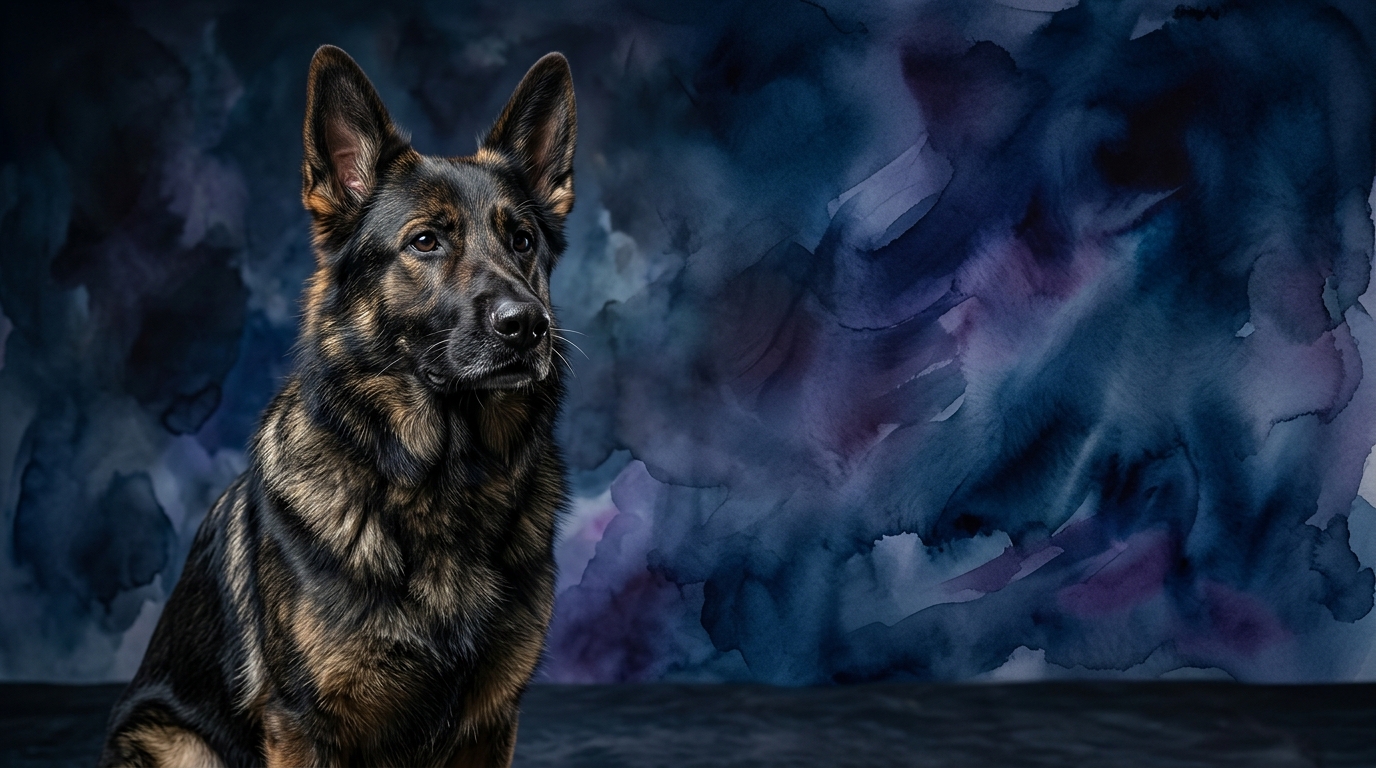
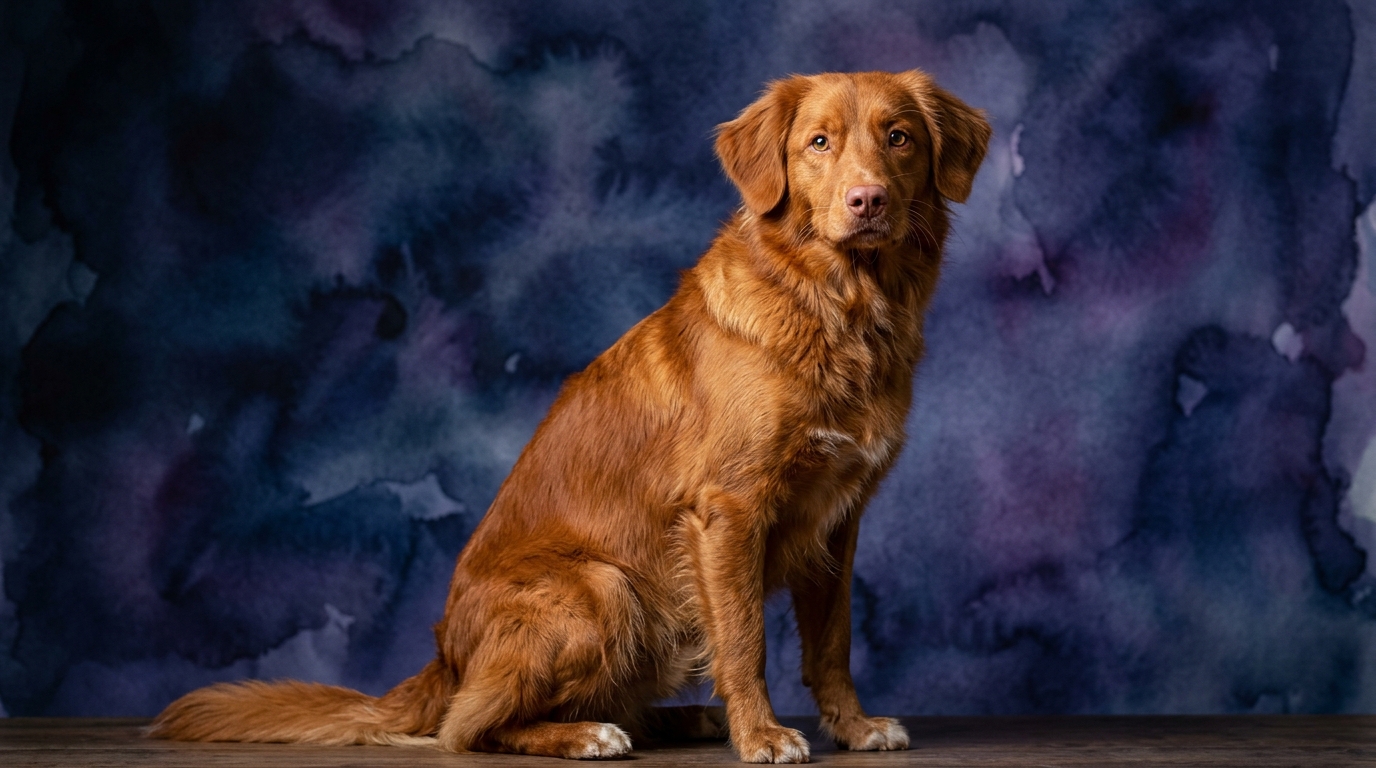
Side-by-Side IQ Profile: German Shepherd vs. Nova Scotia Duck Tolling Retriever
The German Shepherd, a prominent member of the Herding group, consistently ranks among the top breeds for operational cognition, holding a Coren rank of #3. Our Cosmic Pet Pet IQ Lab data reflects this with a perfect 5/5 score across all five dimensions. Their problem-solving abilities are exceptional, allowing them to rapidly assess and navigate complex scenarios, from intricate search patterns to novel environmental challenges. This breed exhibits a remarkable training speed, absorbing new commands and sequences with minimal repetition, often anticipating handler cues. Their social intelligence is profound, enabling them to interpret subtle human body language and emotional states, fostering deep working partnerships. An intense instinctive drive fuels their desire to work and excel, making them highly motivated partners, and their memory is robust, allowing for long-term retention of learned behaviors and experiences.
In contrast, the Nova Scotia Duck Tolling Retriever, a Sporting breed, while not Coren-ranked, presents a different cognitive profile, scoring 3/5 across all five IQ dimensions. Their problem-solving skills are competent and practical, focused on tasks relevant to their retrieving heritage, but they may require more time and guidance when faced with highly abstract or entirely new problems. Training speed for Tollers is respectable, meaning they learn, but typically require more consistent reinforcement and repetition than a German Shepherd to solidify commands. Their social intelligence is sufficient for effective communication and bonding, but perhaps less nuanced in interpreting complex human intentions. The Toller's instinctive drive is present and directed towards their retrieving purpose, but generally less pervasive or intense than a German Shepherd's, making them driven but not relentlessly so. Finally, their memory is solid, allowing them to retain learned behaviors, though perhaps not with the same immediate recall across a vast repertoire as a German Shepherd.
Where the German Shepherd Excels Cognitively
The German Shepherd's cognitive strengths are evident in their unparalleled adaptability and capacity for complex work. Their 5/5 problem-solving score translates into an aptitude for tasks requiring critical thinking under pressure, such as scent detection in varying environments or navigating agility courses with unexpected obstacles. They don't just follow commands; they understand the objective, often finding the most efficient path to achieve it, even when conditions change.
Furthermore, their superior social intelligence (5/5) allows them to function as seamless extensions of their human partners. This isn't just about obedience; it's about a deep, intuitive understanding of human intent, mood, and subtle cues, which is crucial in high-stakes roles like protection work or service dog duties. Coupled with their powerful instinctive drive, German Shepherds possess an internal motivation to engage with and master tasks that few other breeds can match, consistently seeking mental engagement and purpose.
Where the Nova Scotia Duck Tolling Retriever's Cognition Shines
While scoring 3/5 across the board, the Nova Scotia Duck Tolling Retriever's cognitive profile is perfectly suited for its specific historical role. Their problem-solving (3/5) and instinctive drive (3/5) are highly focused on the unique 'tolling' behavior—luring waterfowl—and retrieving. This means they are adept at repetitive, task-oriented sequences, demonstrating persistence and focus on a goal, rather than broad, abstract problem-solving.
The Toller's social intelligence (3/5) allows for a strong, affectionate bond with their family, fostering a collaborative spirit in their work without the intense, all-encompassing focus on the handler that a German Shepherd might display. This can translate to an independent streak that, when channeled appropriately, makes them incredibly effective at their specific job, capable of working with less micro-management than breeds with higher social cognition scores might demand. Their memory (3/5) is more than adequate for retaining the specific skills needed for hunting and companion life, performing reliably once a skill is embedded.
Ease of Training: Behavioral Differences
When considering ease of training, the German Shepherd clearly holds an advantage due to their 5/5 scores in training speed, memory, and social intelligence. They are often described as 'eager to please' not just out of temperament, but because their cognitive architecture allows them to quickly grasp cause-and-effect, remember sequences, and interpret handler feedback with precision. This leads to rapid acquisition of new skills and a high degree of responsiveness, making them ideal for complex obedience, protection work, or competitive dog sports where speed and accuracy are paramount.
The Nova Scotia Duck Tolling Retriever, with 3/5 scores, requires a different training approach. While capable and willing to learn, they typically need more patient repetition and consistent positive reinforcement to master commands. Their training journey might involve more creative motivation and less tolerance for highly repetitive or unstimulating drills. Tollers can be more easily distracted and might require more effort to maintain focus over long training sessions, reflecting their more moderate training speed and social intelligence compared to the German Shepherd. However, once a behavior is learned and reinforced, their memory is sufficient for reliable execution.
Matching Breeds to Lifestyles: Active vs. Relaxed Owners
Both breeds are undeniably active, but their cognitive needs dictate different engagement levels. The German Shepherd, with 5/5 instinctive drive and problem-solving, demands an owner who can provide consistent, varied, and cognitively stimulating activities. This breed thrives on having a 'job,' whether it's advanced obedience, protection training, agility, or extensive hiking and exploring. A German Shepherd without sufficient mental and physical outlets can become bored and potentially develop undesirable coping behaviors, requiring an owner dedicated to high-level, consistent engagement.
The Nova Scotia Duck Tolling Retriever, while also requiring significant exercise due to its sporting heritage, presents a profile better suited for owners who prioritize active outdoor pursuits like hiking, swimming, and especially retrieving games, but perhaps with less emphasis on constant, complex cognitive challenges. Their 3/5 instinctive drive means they are energetic and eager for activity, but might not demand the same intensity of 'thinking' games or intricate training as a German Shepherd. They fit well with owners who enjoy structured outdoor play and consistent, but perhaps simpler, training routines.
The Verdict
Choose a German Shepherd if you are an experienced owner seeking a highly trainable, versatile working partner capable of excelling in complex tasks and demanding consistent mental and physical engagement.
Opt for a Nova Scotia Duck Tolling Retriever if you desire an energetic, affectionate companion for outdoor adventures and retrieving games, and are prepared for a consistent, patient training approach.
🧠 Find Your Pet's IQ Score
Our Pet IQ Lab assessment covers 25+ tests across 5 cognitive dimensions — personalized to your breed.
Take the Full IQ Test →Frequently Asked Questions
Which breed is better for first-time dog owners?
The German Shepherd's intense cognitive needs and strong drives can be a challenge for first-time owners. The Nova Scotia Duck Tolling Retriever, while active, might be a more manageable option for novices willing to commit to consistent training and exercise.
Do German Shepherds and Tollers get along well with children?
Both breeds can be excellent with children when properly socialized and trained from a young age. German Shepherds often form protective bonds, while Tollers are typically playful and affectionate, though supervision is always advised with any dog and child.
What kind of mental stimulation do these breeds require?
German Shepherds require diverse and complex mental stimulation like advanced obedience, puzzle toys, and scent work to satisfy their high cognitive drive. Tollers benefit from structured retrieving games, agility, and consistent training sessions that engage their focus and problem-solving skills.