Unpacking Their Cognitive Profiles: A Side-by-Side View
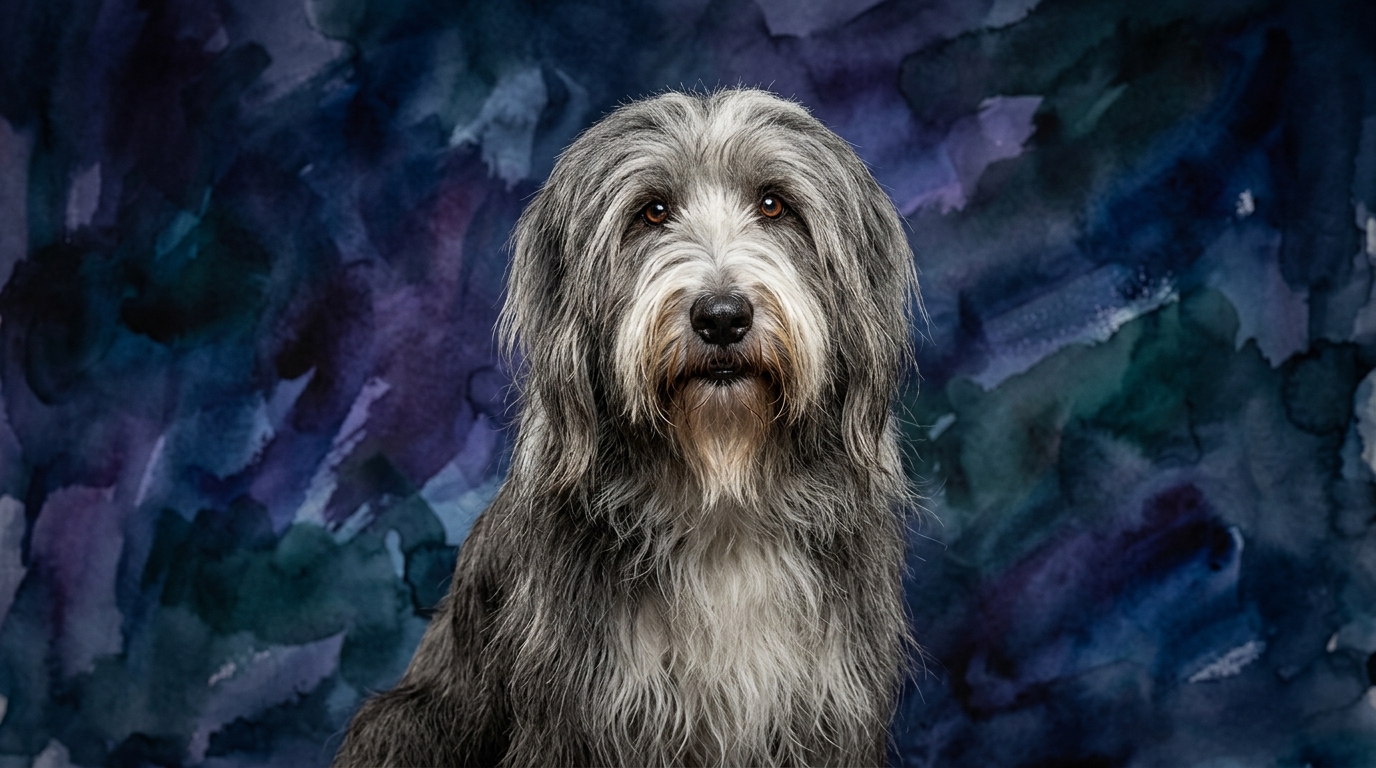
At The Cosmic Pet Pet IQ Lab, we evaluate canine intelligence across five key dimensions. For the Bearded Collie, a member of the Herding group, we see a profile reflecting its historical role: Problem Solving 4/5, Training Speed 4/5, Social Intelligence 3/5, Instinctive Drive 3/5, and Memory 4/5. This breed holds a respectable Coren rank of #34, indicating a strong capacity for understanding and executing commands quickly.
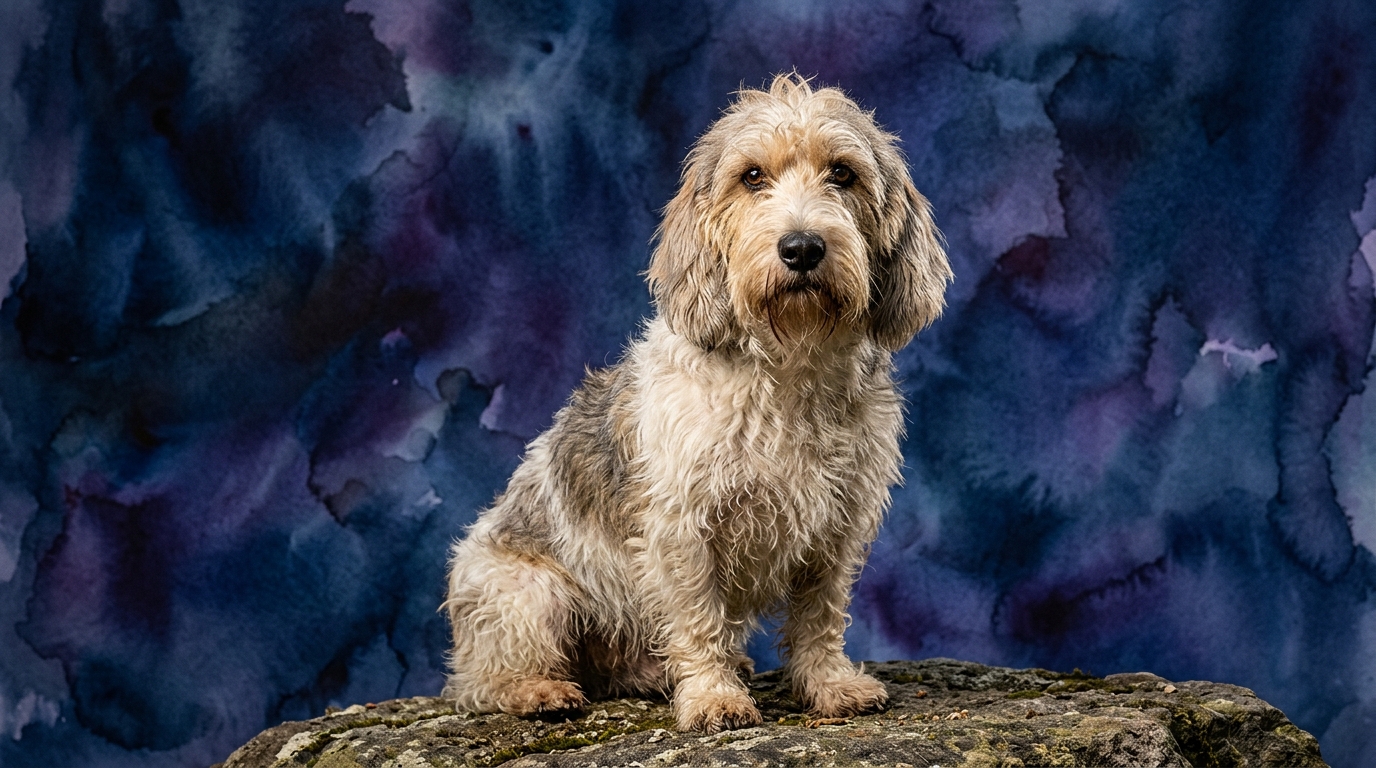
The Petit Basset Griffon Vendéen (PBGV), a spirited Hound, presents a different cognitive blueprint: Problem Solving 3/5, Training Speed 3/5, Social Intelligence 3/5, Instinctive Drive 3/5, and Memory 3/5. The PBGV is not included in the Coren ranking, which primarily assesses working obedience intelligence, a domain where scent hounds often diverge due to their specialized instincts. Each dimension, however, tells a nuanced story about how these breeds interact with their world and their human companions.
Where the Bearded Collie Shines Cognitively
The Bearded Collie's cognitive prowess is most evident in its Problem Solving and Training Speed, both rated at 4/5. Their ancestral task of independently moving and gathering livestock across vast Scottish landscapes demanded strategic thinking and rapid adaptation. This translates to an aptitude for complex, multi-step tasks; a Bearded Collie can quickly learn sequences of commands, understand spatial relationships, and even anticipate a handler's next move in agility or herding trials.
Their superior Memory (4/5) further supports this, allowing them to retain extensive repertoires of cues and routines with impressive recall. This breed's cognitive strengths are geared towards collaboration and execution, making them adept at processing information and responding effectively within a structured environment. Their problem-solving isn't just about finding a hidden treat; it's about navigating dynamic situations and making intelligent decisions under direction.
The Unique Cognitive Strengths of the Petit Basset Griffon Vendéen
While the PBGV's scores are consistently 3/5, their cognitive strengths are uniquely specialized, particularly within their Instinctive Drive and Problem Solving. A PBGV's problem-solving isn't about herding sheep; it's about unraveling the intricate puzzle of a scent trail, navigating varied terrain, and persisting for hours to locate quarry. This requires an extraordinary capacity for sensory discrimination, focus, and sustained effort, driven by their powerful olfactory system.
Their Social Intelligence (3/5), while not as handler-focused as a herding breed, is geared towards cooperative hunting within a pack. They are affable and engaging, capable of working alongside other hounds and their human companion, even if their nose often dictates their immediate priorities. Their Memory (3/5) is particularly strong for recalling scent paths and environmental landmarks associated with their hunting adventures, demonstrating a distinct form of spatial and sensory recall.
Trainability: Herder's Eagerness vs. Hound's Independence
When it comes to ease of training, the Bearded Collie generally presents a more straightforward path. With a Training Speed of 4/5, they are eager to engage, quick to understand new commands, and motivated by positive reinforcement and the desire to work alongside their human. Their herding background has ingrained a responsiveness to direction and a willingness to cooperate, which makes them excel in formal obedience, rally, and other dog sports where precision and promptness are key.
The Petit Basset Griffon Vendéen, with a Training Speed of 3/5, offers a different experience. Their independent nature, a trait honed by centuries of following a scent trail without constant human intervention, means they can be more challenging to motivate with traditional methods. While they are certainly capable of learning, their powerful Instinctive Drive (3/5) to follow a compelling scent can easily override a 'sit' or 'come' command. Training a PBGV requires immense patience, consistency, and an understanding that their nose often operates on its own agenda, making recall particularly challenging in distracting environments.
Matching Canine Cognition to Owner Lifestyle
The cognitive profiles of these two breeds offer clear guidance for potential owners. The Bearded Collie, with its high scores in Problem Solving, Training Speed, and Memory, thrives with active owners who can provide ample mental and physical stimulation. They need a 'job' – whether it's competitive dog sports like agility or obedience, advanced trick training, or even simulated herding activities. A relaxed owner who cannot commit to daily engagement will likely find a bored and potentially destructive Bearded Collie inventing its own entertainment, which can include excessive barking or furniture rearranging.
The Petit Basset Griffon Vendéen also requires active owners, but their activity needs are distinct. While they aren't necessarily built for high-speed running, they absolutely need long, exploratory walks where they can indulge their powerful sense of smell. Their cognitive satisfaction comes from scent work, whether it's tracking games, nose work, or simply following interesting trails in a secure area. A relaxed owner who expects a purely sedate companion will be met with a frustrated hound, but an owner who appreciates and facilitates their olfactory adventures will find a content and charming partner, even if their home life is otherwise calm.
The Verdict: When to Choose Each Companion
Choosing between a Bearded Collie and a Petit Basset Griffon Vendéen hinges on aligning their unique cognitive makeup with your lifestyle and expectations. Both are engaging companions, but they offer very different partnerships.
The Verdict
Choose a Bearded Collie if you are an active owner seeking a highly trainable, mentally agile partner for dog sports, advanced obedience, or a canine 'coworker' who thrives on structured mental challenges and consistent activity.
Opt for a Petit Basset Griffon Vendéen if you appreciate an independent, charming companion with an extraordinary nose, willing to embrace their hound's scent-driven adventures and manage their occasional stubbornness with patience and humor.
🧠 Find Your Pet's IQ Score
Our Pet IQ Lab assessment covers 25+ tests across 5 cognitive dimensions — personalized to your breed.
Take the Full IQ Test →Frequently Asked Questions
Do Bearded Collies need a lot of mental stimulation?
Yes, with a problem-solving score of 4/5 and a herding background, Bearded Collies thrive on mental challenges like puzzle toys, advanced training, and dog sports. Without adequate engagement, they may invent their own 'jobs,' sometimes leading to unwanted behaviors.
How does the PBGV's instinctual drive affect its behavior?
The Petit Basset Griffon Vendéen's instinctive drive (3/5) is primarily focused on scent tracking, meaning they are compelled to follow interesting smells. This strong drive can make recall challenging off-leash and requires secure environments to prevent them from wandering.
Is a Bearded Collie or a PBGV better for a first-time dog owner?
A Bearded Collie might be more suitable for a dedicated first-time owner prepared for intensive training and exercise, due to their higher trainability. A PBGV's independence and strong scent drive can be more challenging for a novice, requiring significant patience and understanding of hound behaviors.