Side-by-Side IQ Profile: Border Collie vs. PBGV
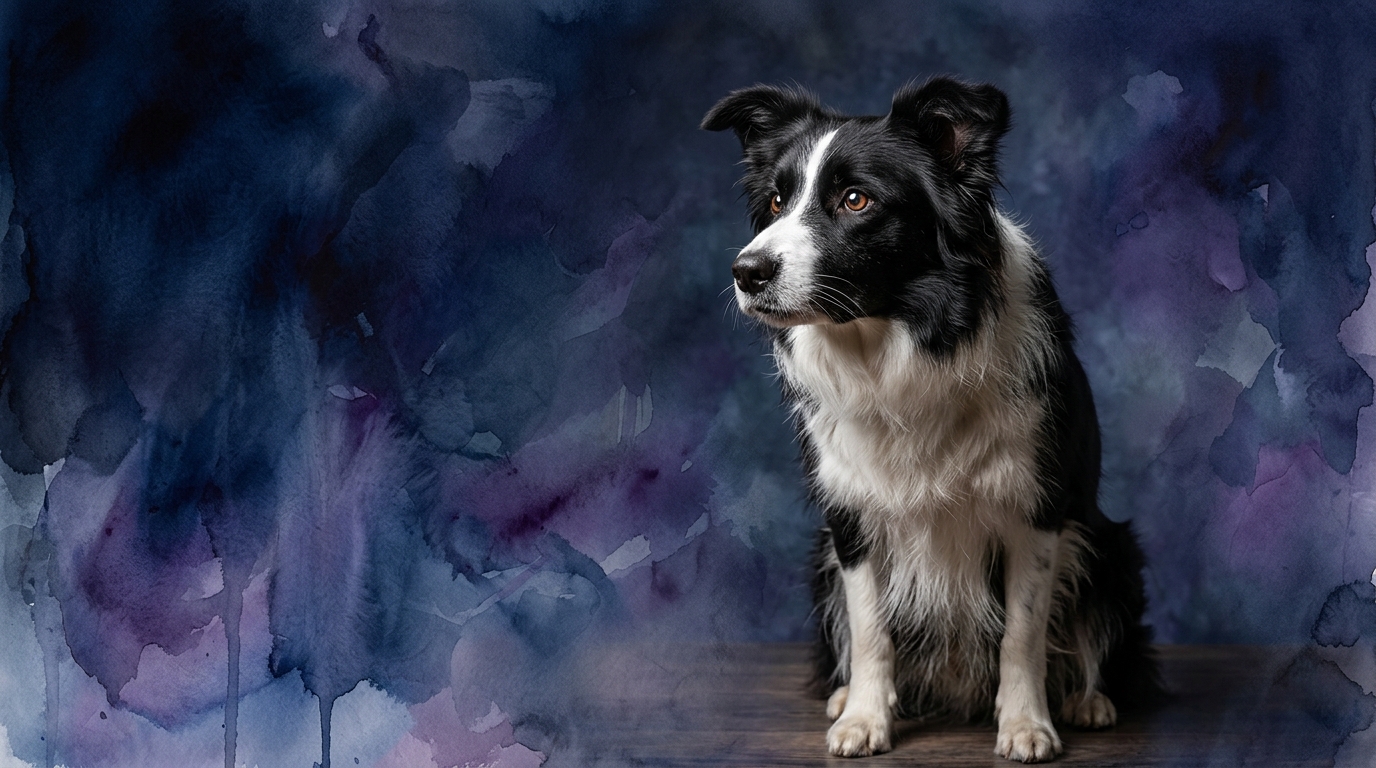
The Border Collie, a working dog bred for herding, presents a cognitive profile optimized for complex, handler-directed tasks. Their Problem Solving is rated 5/5, reflecting an exceptional capacity to analyze situations, devise strategies, and execute multi-step solutions, often involving spatial reasoning and obstacle navigation in dynamic environments like livestock management. Training Speed stands at 5/5, indicating an ability to acquire new commands and behaviors with remarkable few repetitions, often anticipating cues and demonstrating a strong desire for task mastery. Social Intelligence is 4/5; they are acutely attuned to human cues and intentions, often forming deep, cooperative bonds, though their intense focus can sometimes overshadow subtle social nuances. Instinctive Drive is a robust 5/5, manifesting as an intense, persistent urge to herd, control, and work, which fuels their engagement and purpose. Memory is also 5/5, allowing them to recall extensive repertoires of commands, intricate routines, and sequences of tasks over long periods, making them adept at advanced obedience and canine sports. This breed holds the #1 rank in Coren's classification, a testament to their operational intelligence.
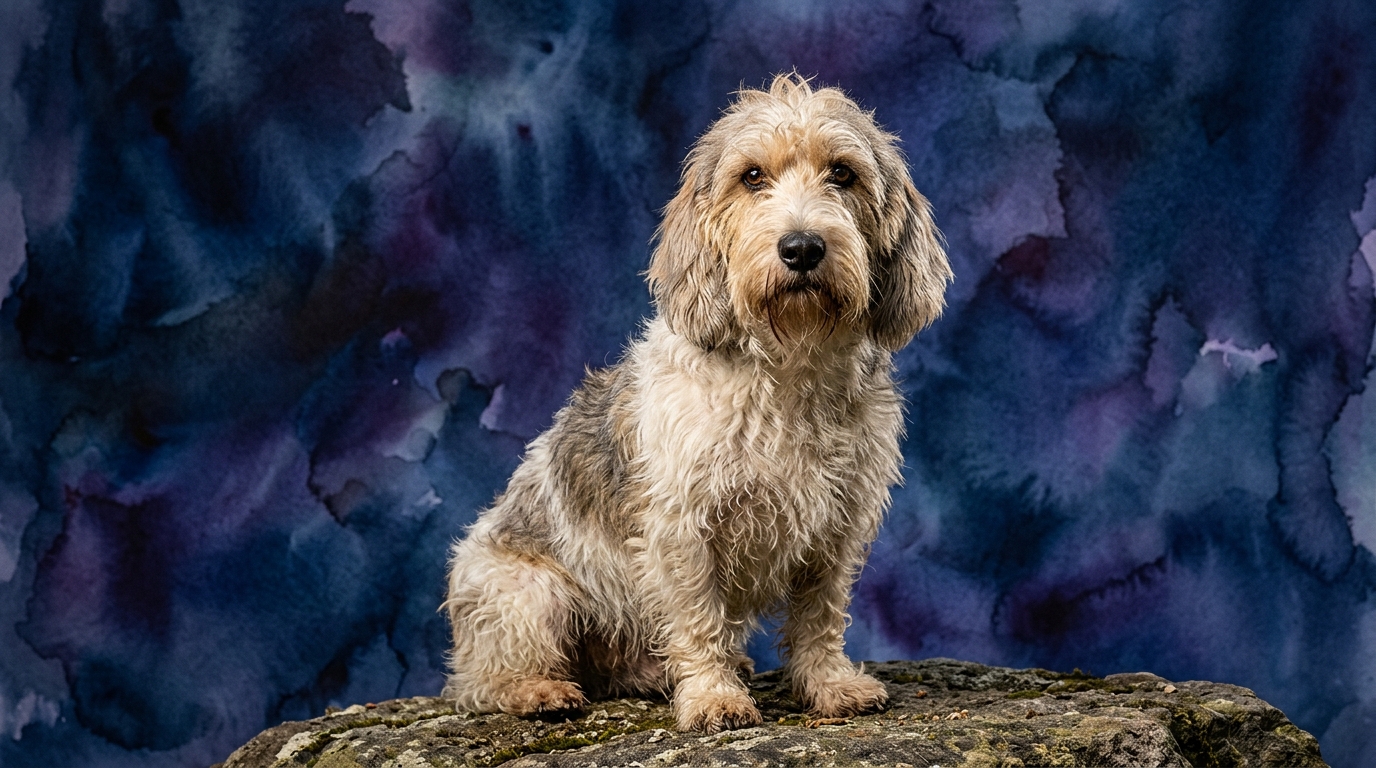
In contrast, the Petit Basset Griffon Vendéen (PBGV), a French scent hound, exhibits a cognitive architecture tailored for independent pursuit and olfactory navigation. Their Problem Solving is rated 3/5; while capable, their solutions are often self-directed and rooted in their primary drive—following a scent trail—rather than abstract human-assigned tasks. This might involve clever ways to bypass an obstacle to reach a smell, but less so for sequential puzzles. Training Speed is 3/5; they learn at a moderate pace, often requiring more patience and repetition, as their attention can be easily diverted by environmental stimuli, particularly scents. Social Intelligence is 3/5; PBGVs are generally friendly and enjoy companionship, but their independence means they are less intensely focused on handler directives and may prioritize their own sensory exploration over human interaction. Instinctive Drive is 3/5, predominantly centered around their formidable sense of smell and the urge to track, bay, and pursue. This drive is powerful but often operates autonomously. Memory is 3/5; they possess an excellent memory for scent trails and locations of interesting smells, but their recall for complex, human-imposed command sequences may be less robust compared to breeds bred for intricate obedience, and they are not Coren-ranked.
Where the Border Collie Excels Cognitively
The Border Collie's cognitive prowess shines brightest in structured, task-oriented environments demanding precision and rapid adaptation. Their 5/5 problem-solving manifests in their uncanny ability to process complex instructions, such as navigating a flock through multiple gates or learning intricate agility courses with minimal error. This breed demonstrates a superior capacity for abstract thinking when applying learned principles to novel situations, like figuring out how to open a new latch or solving an unfamiliar puzzle toy by combining known actions. Their 5/5 training speed is a testament to their cognitive efficiency, absorbing new commands and concepts with remarkable speed, often requiring only a handful of repetitions before mastery. Furthermore, their 5/5 memory allows them to retain vast libraries of commands, sequences, and routines, enabling them to perform extended, multi-stage tasks flawlessly and consistently. This combination of swift learning, strategic problem-solving, and enduring recall makes them exceptional candidates for roles requiring sophisticated cooperation and intellectual engagement with a handler.
Where the Petit Basset Griffon Vendéen Excels Cognitively
The Petit Basset Griffon Vendéen, while possessing a different cognitive focus, exhibits distinct strengths that are equally impressive within their specialized domain. Their cognitive excellence lies in their independent problem-solving related to olfactory challenges and persistent tracking. A PBGV's 3/5 problem-solving is exceptionally effective when it involves deciphering a complex scent trail, navigating varied terrain, and overcoming obstacles solely driven by an invisible olfactory path, demonstrating a highly specialized form of intelligence. Their instinctive drive (3/5) is a powerful cognitive engine, enabling them to maintain focus on a scent for extended periods, filtering out visual and auditory distractions that would overwhelm other breeds. This persistence in pursuit and unwavering dedication to a scent is a remarkable display of sustained attention and environmental processing. Their memory (3/5) is superb for remembering where specific smells were encountered or for following a particular trail even after a significant time lapse, showcasing a memory uniquely adapted to their primary function as a scent hound. This allows them to operate with a high degree of autonomy, making independent decisions based on their sensory input rather than constant human direction.
Training Ease: Border Collie vs. PBGV
When considering ease of training, the Border Collie generally presents a more straightforward path for most owners, primarily due to their intrinsic motivations and cognitive design. Their 5/5 Training Speed means they grasp concepts rapidly, often eager to please and quick to offer desired behaviors. This is augmented by their 5/5 Instinctive Drive, which, while powerful, is largely channeled towards a cooperative working relationship with their handler. They possess an innate desire for a 'job,' making them highly receptive to direction and eager for mental challenges provided by training. Their 4/5 Social Intelligence further enhances this, as they are acutely aware of human expectations and derive satisfaction from successful collaboration, creating a highly motivated and responsive training partner. Behavioral differences include their intense focus, which can be harnessed for precision and consistency in obedience.
The Petit Basset Griffon Vendéen, by contrast, often requires a more nuanced and patient approach to training. Their 3/5 Training Speed means they learn at a more moderate pace, and their independence can make consistency a challenge. Their 3/5 Instinctive Drive is predominantly scent-focused; once a PBGV's nose hits an interesting trail, their attention becomes almost singularly dedicated to that pursuit, often overriding human commands or previous training. This behavioral trait can lead to what some perceive as stubbornness, but it is, in fact, their breed-specific cognitive priority taking over. Their 3/5 Social Intelligence means they are friendly but less inherently driven by handler-centric cooperation, preferring to follow their nose. Training a PBGV often involves finding highly motivating rewards and working in environments with minimal olfactory distractions, accepting that their primary cognitive strength lies elsewhere than rote obedience.
Suitability for Active vs. Relaxed Owners
The Border Collie is an ideal companion for active owners seeking a highly engaged and cooperative partner. Their profound 5/5 Instinctive Drive for work and mental stimulation means they thrive with constant activity, not just physical exercise but also complex tasks, training, and mental games. Owners who enjoy dog sports like agility, obedience, flyball, or even herding will find a Border Collie to be an unparalleled teammate, eager to learn and excel. Their profound cognitive capacity and energy levels demand an owner who can dedicate significant time daily to structured activities, providing an outlet for their strategic problem-solving and powerful memory. Neglecting these needs can lead to boredom and the development of undesirable behaviors, as their intellect will find its own (potentially destructive) outlets.
Conversely, the Petit Basset Griffon Vendéen is better suited for owners who appreciate an independent spirit and a more relaxed, though still engaging, lifestyle. While PBGVs certainly need regular walks and opportunities to explore their environment through scent, their cognitive needs are less about constant, handler-directed tasks and more about sensory exploration. A relaxed owner who enjoys leisurely strolls, allowing their dog to follow interesting smells, or participating in casual scent games will find a PBGV content. They are not typically dogs that demand constant mental puzzles or intricate obedience routines. Their independence and lower demand for intense, structured work make them a good fit for individuals or families who prefer a companion that is affectionate but also capable of entertaining themselves with their nose, rather than constantly seeking human-initiated tasks.
The Verdict
Choose a Border Collie if you are an active owner seeking an intensely collaborative partner for advanced training, dog sports, or a working role, capable of providing daily mental and physical challenges.
Opt for a Petit Basset Griffon Vendéen if you appreciate an independent, scent-driven companion for leisurely walks and casual companionship, understanding their primary cognitive drive is exploration via their nose.
🧠 Find Your Pet's IQ Score
Our Pet IQ Lab assessment covers 25+ tests across 5 cognitive dimensions — personalized to your breed.
Take the Full IQ Test →Frequently Asked Questions
Do PBGVs need less exercise than Border Collies?
Yes, PBGVs generally require less intense and structured exercise than Border Collies. While they still need regular walks and opportunities for off-leash exploration to satisfy their scenting instincts, their physical and mental demands are not as high as a Border Collie's, which thrives on constant activity and complex tasks.
Can a PBGV be trained for advanced obedience?
A PBGV can be trained for advanced obedience, but it typically requires more patience, consistency, and highly motivating rewards compared to a Border Collie. Their independent nature and strong scent drive mean that training sessions need to be engaging and often conducted in distraction-free environments to maintain their focus.
Are Border Collies good family dogs?
Border Collies can be excellent family dogs for active families who understand their significant needs for mental and physical stimulation. They thrive with engagement and clear expectations, but their intensity and herding instincts may require supervision around very young children or other pets to ensure appropriate interactions.