
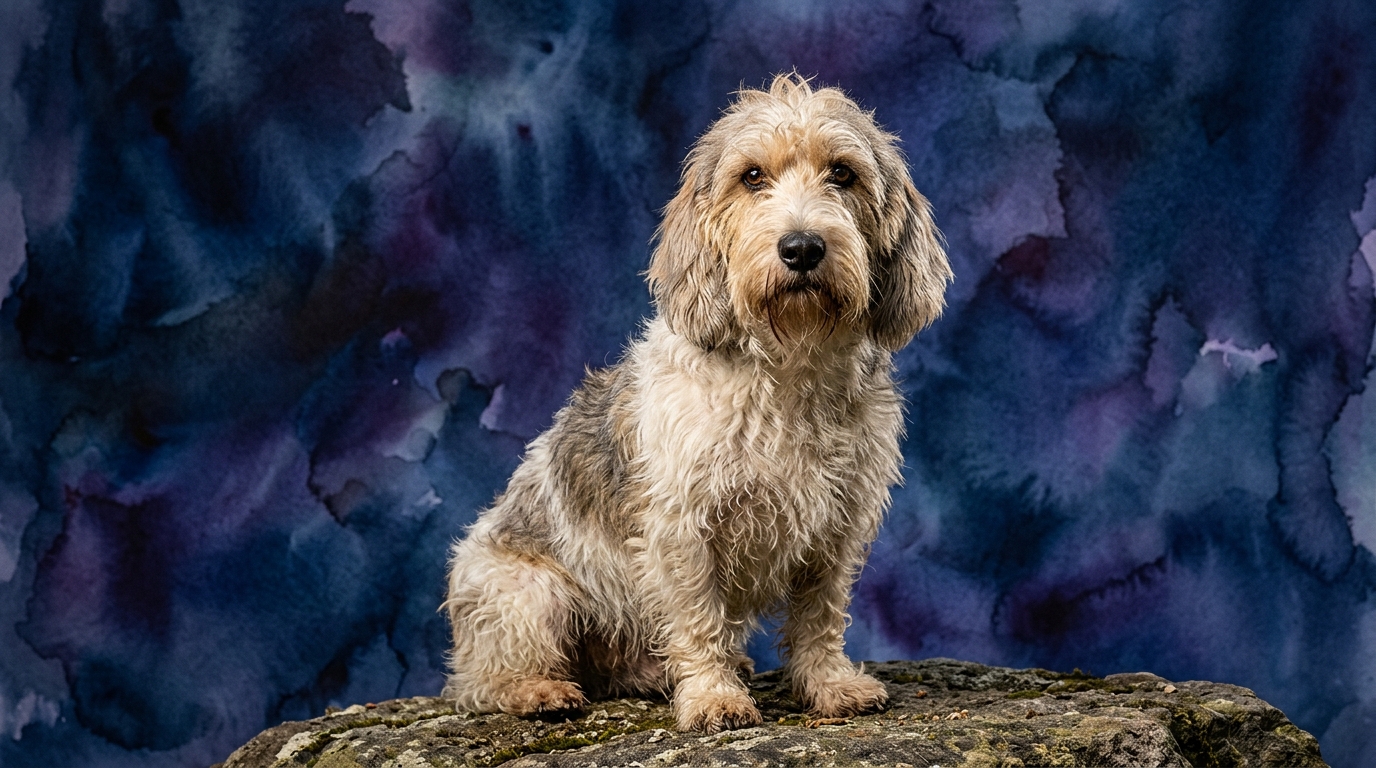
Side-by-Side IQ Profile: German Shepherd vs. PBGV
The German Shepherd's cognitive architecture is built for purpose and precision, reflected in its consistent 5/5 ratings across all IQ dimensions. Their Problem Solving ability is exceptional; they quickly analyze novel situations, devise effective strategies, and learn from experience, making them adept at complex tasks beyond simple obedience. Training Speed is equally impressive, with these dogs grasping new commands and multi-step sequences with minimal repetition, demonstrating a keen eagerness to understand and comply. Social Intelligence is a cornerstone of their working partnership, allowing them to interpret human cues, emotional states, and environmental shifts with remarkable accuracy, fostering a deep communicative bond. Their Instinctive Drive for protection, herding, and service is powerful yet highly channelable, providing a strong foundation for dedicated work. Finally, their Memory is robust, ensuring consistent recall of a vast repertoire of commands, routines, and past experiences, contributing to their reliability in critical roles.
The Petit Basset Griffon Vendéen presents a cognitive profile shaped by its heritage as an independent scent hound, with consistent 3/5 ratings across the IQ dimensions. Their Problem Solving often manifests as persistent, independent investigation, particularly when following a scent trail; they learn through trial and error, adapting their approach to overcome obstacles in their pursuit. Training Speed is moderate, requiring more patient and consistent effort, as their attention can be readily diverted by compelling environmental stimuli. Social Intelligence allows them to form affectionate bonds and enjoy companionship, though their interpretation of human directives might sometimes yield to their primary instincts. Their Instinctive Drive is strongly geared towards scenting and tracking, an inherent motivation that propels them through the field with remarkable tenacity. Memory is adequate for retaining basic commands and remembering successful hunting routes, but it is often overshadowed by the immediate allure of a fresh scent or an intriguing discovery.
Where the German Shepherd's Cognition Excels
The German Shepherd's cognitive strengths are evident in its capacity for sophisticated, human-directed tasks. Their remarkable Problem Solving allows them to excel in roles requiring independent decision-making within a structured framework, such as navigating complex search-and-rescue scenarios or adapting to unforeseen challenges during police work. This breed’s superior Training Speed means they can master intricate command sequences, learn abstract concepts, and generalize behaviors to new environments more rapidly than many other breeds. Their acute Social Intelligence enables them to anticipate human needs and intentions, forming a highly responsive partnership essential for service animals or competitive obedience. Furthermore, their exceptional Memory ensures that once a lesson is learned, it is deeply ingrained, contributing to their unwavering reliability and consistent performance over time, even under pressure.
Distinct Strengths of the PBGV's Cognitive Profile
While the PBGV's cognitive ratings reflect a different kind of aptitude, their mental toolkit is perfectly suited to their original purpose. Their Problem Solving, rated at 3/5, shines in the specific context of tracking and navigating complex scent puzzles. They demonstrate a tenacious, independent approach to unraveling trails, utilizing their keen senses to overcome environmental challenges without constant human direction. This unique application of problem-solving is crucial for a successful hunting hound. Their Instinctive Drive, also 3/5, is a powerful asset in the field, fueling their persistent pursuit of quarry and their boundless enthusiasm for exploration. This drive, while sometimes making human-directed training a charming challenge, is precisely what makes them effective in their specialized role. Their moderate Social Intelligence allows them to form strong, affectionate bonds with their human companions, enjoying a cooperative relationship that prioritizes companionship and shared adventure over strict adherence to hierarchy.
Trainability: A Tale of Two Approaches
Between these two breeds, the German Shepherd is unequivocally easier to train, a direct consequence of their 5/5 ratings across key cognitive dimensions. Their exceptional Training Speed means they absorb new information quickly, requiring fewer repetitions to solidify commands. This is paired with their superior Memory, ensuring that learned behaviors are retained consistently. Furthermore, their high Social Intelligence makes them acutely attentive to human cues and eager to please, actively seeking to understand and comply with directives. Conversely, the Petit Basset Griffon Vendéen, with its 3/5 ratings, presents a more significant training challenge. Their moderate Training Speed necessitates greater patience and consistency from their owner. Their powerful Instinctive Drive for scent often overrides other impulses, making recall particularly difficult when a compelling smell presents itself. Their independent Problem Solving means they might prefer to figure things out their own way or prioritize environmental exploration over immediate compliance, requiring creative and highly engaging training methods to capture and hold their attention.
Matching Canine Cognition with Owner Lifestyle
The German Shepherd thrives with active owners who can provide consistent mental engagement and physical exertion. They are best suited for individuals or families committed to structured training, advanced activities like agility or protection work, and daily opportunities to utilize their cognitive abilities. Their need for purpose and a clear working relationship means they excel with owners who are proactive in directing their energy and intelligence. In contrast, the Petit Basset Griffon Vendéen suits owners who appreciate an independent spirit and a joyful, sometimes boisterous, companion. While they require regular exercise to satisfy their scenting instincts and burn off energy, they are also content to relax indoors after a stimulating walk. Owners who enjoy exploring nature, are patient with an inquisitive nose, and seek a dog that balances bursts of activity with charming indoor companionship will find a wonderful match in the PBGV.
The Verdict
Choose the German Shepherd if you seek a highly trainable, versatile, and dedicated partner capable of mastering complex tasks and thriving within a structured, active lifestyle.
Opt for the Petit Basset Griffon Vendéen if you desire an independent, cheerful companion with an unparalleled nose, are prepared for a charming challenge in training, and enjoy a mix of energetic outdoor exploration and relaxed indoor companionship.
🧠 Find Your Pet's IQ Score
Our Pet IQ Lab assessment covers 25+ tests across 5 cognitive dimensions — personalized to your breed.
Take the Full IQ Test →Frequently Asked Questions
Does a PBGV's lower problem-solving score mean it can't learn tricks?
Not at all. A PBGV can certainly learn tricks, but it may require more patience and positive reinforcement from the owner. Their problem-solving is often applied to independent scent work, so training needs to be engaging and make sense to their hound instincts.
How does the GSD's social intelligence benefit its owner?
The German Shepherd's high social intelligence means they are exceptionally attuned to human emotions, intentions, and subtle body language. This fosters a deep bond, making them highly responsive partners in training and sensitive companions who often anticipate their owner's needs.
Is a PBGV's instinctive drive for scent difficult to manage?
Their strong scent drive is a defining characteristic and requires proactive management. It means they will naturally follow interesting smells, so secure leashes and fenced yards are essential. Early training focused on recall and attention can help, but owners should always be prepared for their nose to lead the way.