Side-by-Side IQ Profile: Herding Brains vs. Terrier Tenacity
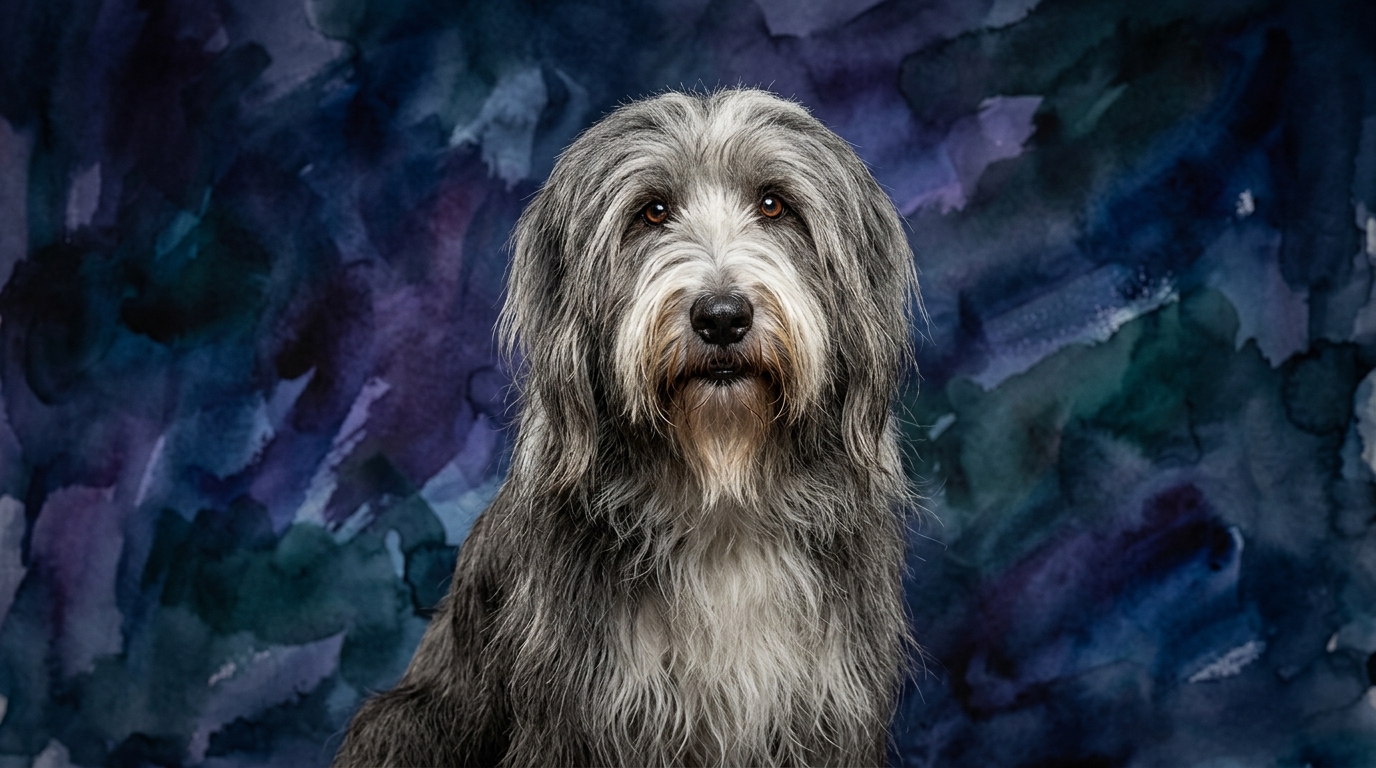
The Cosmic Pet Pet IQ Lab employs a five-dimensional framework to assess canine intelligence, offering a nuanced view beyond simple obedience. For the Bearded Collie, a Herding breed ranking #34 on the Coren scale, its profile paints a picture of a dynamic learner: a 4/5 in Problem Solving indicates a strong capacity for navigating complex scenarios, often finding creative solutions to obstacles. Their 4/5 in Training Speed means they absorb new commands and routines quickly, demonstrating a readiness to apply instructions. Social Intelligence scores at 3/5, indicating a moderate understanding of human cues and social dynamics, capable of forming strong bonds but not always seeking constant social validation. An Instinctive Drive of 3/5 stems from their herding heritage, manifesting in a desire to gather or organize, which can be channeled into constructive activities. Finally, a 4/5 in Memory shows excellent retention of learned behaviors, commands, and experiences, allowing them to build a robust repertoire of skills and recall them reliably over time.
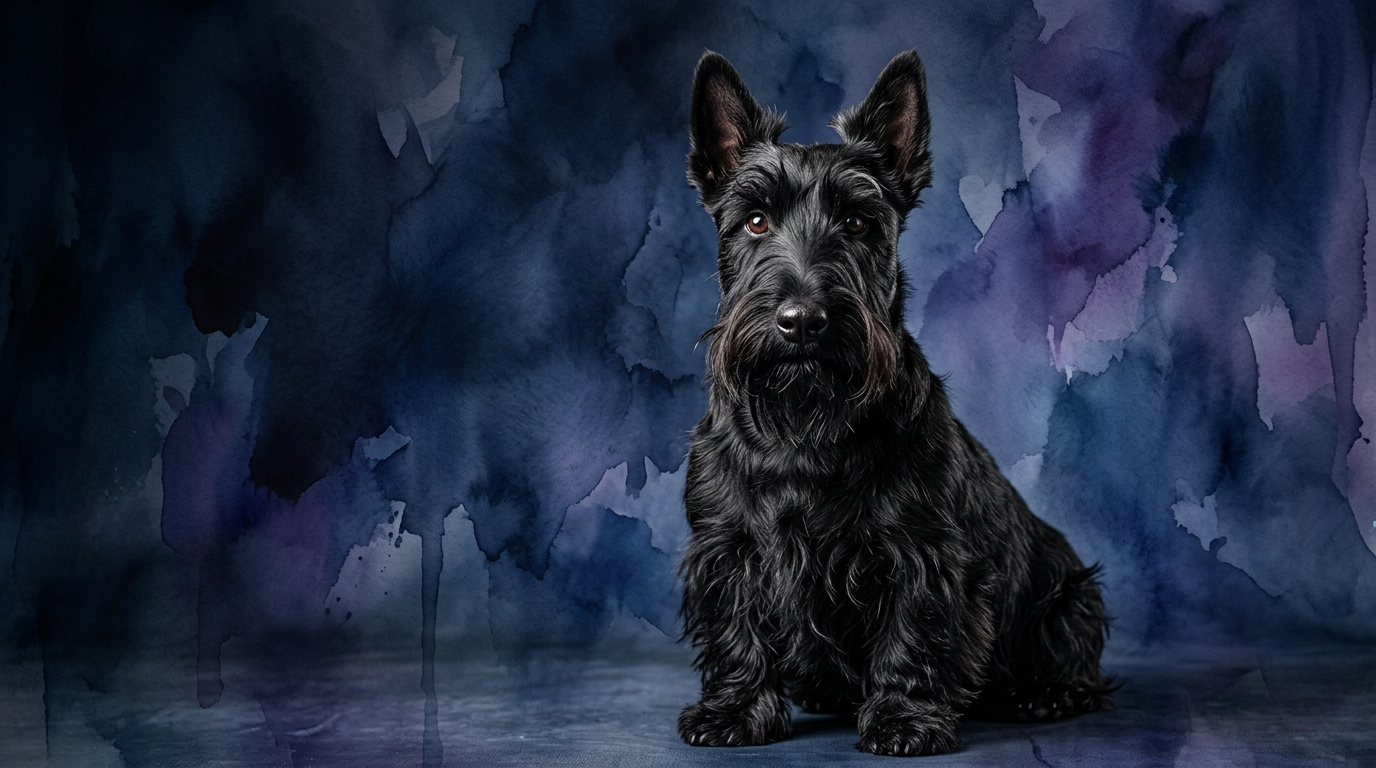
In contrast, the Scottish Terrier, a Terrier breed ranking #65 on the Coren scale, showcases a different set of cognitive strengths. Their Problem Solving is rated 3/5, demonstrating a solid ability to tackle issues, often employing persistence and strategic thinking, particularly when it involves their objectives. Training Speed is also 3/5, meaning they learn at a steady pace, requiring consistent and engaging methods to solidify new commands, as they can be thoughtful in their responses. Social Intelligence mirrors the Bearded Collie at 3/5, exhibiting a moderate awareness of social cues, forming deep connections with their chosen family but often maintaining a dignified reserve with strangers. The Scottish Terrier’s Instinctive Drive also sits at 3/5, but this is rooted in their terrier purpose, often manifesting as a keen interest in exploring, digging, and pursuing small 'prey.' Their Memory score is 3/5, indicating a good capacity for remembering routines and commands, though perhaps not with the same effortless recall as breeds with higher scores, with repetition aiding solidification.
Where the Bearded Collie Wins Cognitively
The Bearded Collie's cognitive strengths shine particularly in areas requiring adaptive thought and rapid assimilation of new information. Their 4/5 score in Problem Solving indicates a natural aptitude for navigating novel situations, a trait honed by generations of independent herding work where they had to make decisions away from direct human command. This isn't merely about following instructions; it's about assessing a dynamic environment and formulating a successful strategy on the fly. Owners might observe their Bearded Collie figuring out how to open complex latches or devising clever ways to retrieve a toy from an inaccessible spot. Furthermore, their 4/5 in Training Speed means they pick up new commands and complex sequences with impressive alacrity, making multi-stage tasks or advanced obedience a rewarding endeavor. This swift learning curve is complemented by their 4/5 Memory, ensuring that once a lesson is learned, it tends to stick. They excel at building upon previously acquired knowledge, allowing for a progressive and sophisticated training journey. This combination of quick learning, robust recall, and creative problem-solving positions the Bearded Collie as a dog capable of mastering intricate challenges and adapting to varied learning environments.
Where the Scottish Terrier Wins Cognitively
While the Bearded Collie excels in dynamic problem-solving, the Scottish Terrier's cognitive advantages lie in a different, equally valuable domain: focused persistence and independent decision-making driven by their inherent purpose. Their 3/5 score in Instinctive Drive, while matching the Bearded Collie, manifests differently; for the Scottie, it's a deep-seated drive to explore, investigate, and often, to dig or pursue. This isn't a flaw but a cognitive strength in its original context, requiring focused attention and a tenacious spirit to achieve a goal, like flushing out vermin. This translates into a dog with remarkable determination, often seeing tasks through with unwavering commitment, even if it means employing a stubborn streak. Their 3/5 in Social Intelligence, while seemingly average, means they possess a discerning social awareness; they aren't easily swayed and make thoughtful judgments about whom to trust or engage with. This independence isn't a lack of social acumen but a selective application of it, leading to deep, loyal bonds with their chosen few. Owners might notice their Scottie observing a situation carefully before deciding to participate, or demonstrating a remarkable ability to stick with a puzzle until it's solved, even if it takes time. This steadfastness and independent thought are defining cognitive attributes.
Which is Easier to Train and Why?
Considering their respective IQ profiles, the Bearded Collie generally presents as the easier breed to train for a wider range of tasks, particularly those involving multi-step commands or agility. Their 4/5 Training Speed and 4/5 Memory are significant advantages. A Bearded Collie typically grasps new concepts after fewer repetitions and retains them for longer periods. For instance, teaching a complex retrieve sequence or a multi-part obedience routine would likely progress more smoothly with a Bearded Collie, as they quickly understand the 'why' and 'how' of the task and remember the steps. They often display an eagerness to please and work collaboratively, a vestige of their herding role where cooperation with a handler was paramount. In contrast, the Scottish Terrier, with 3/5 in both Training Speed and Memory, learns at a steady but more deliberate pace. Their training often requires more patience and creative motivation. A Scottie's strong instinctive drive and independent nature mean they might question the necessity of a command if it doesn't align with their immediate interests or innate purpose. For example, while a Bearded Collie might readily learn to 'stay' for extended periods, a Scottie might challenge this if a compelling scent or a perceived 'critter' captures their attention. Training a Scottish Terrier often involves understanding their inherent motivations and making the training process highly engaging and rewarding to overcome their independent streak, whereas a Bearded Collie often thrives on the partnership aspect of training. While both are capable learners, the Bearded Collie's cognitive architecture leans more towards cooperative, rapid skill acquisition.
Suitability for Active vs. Relaxed Owners
The cognitive and temperamental differences between these breeds also dictate their suitability for varying owner lifestyles. The Bearded Collie, with its heritage rooted in active herding, thrives with owners who can provide ample mental stimulation and physical exercise. Their robust problem-solving skills and quick learning mean they become bored and potentially destructive if not given outlets for their intellect and energy. An active owner who enjoys dog sports like agility, obedience, or even advanced trick training would find a Bearded Collie a willing and enthusiastic partner. They benefit from daily long walks, challenging play sessions, and opportunities to 'work' their minds, perhaps through puzzle toys or advanced training classes. Their moderate instinctive drive means they appreciate having a job or purpose. Conversely, the Scottish Terrier, while not a couch potato, is generally better suited for owners seeking a companion with a more moderate, though still consistent, exercise requirement. Their physical activity needs are typically met with daily brisk walks and secure off-leash play in a fenced yard. What they demand more of is mental engagement that respects their independent nature and strong instincts. A relaxed owner who appreciates a dog's self-possessed demeanor, values consistent but not overly strenuous training, and can provide opportunities for 'terrier work' such as supervised digging areas or scent games, would likely find the Scottie a fulfilling companion. They might not be as eager for continuous, high-intensity activity as the Bearded Collie but require owners who understand and respect their focused, often singular, motivations. Owners who prefer a dog that is less constantly 'on' and more self-contained will find the Scottish Terrier a better fit, provided they can still meet their need for purposeful engagement.
The Verdict
Choose the Bearded Collie if you seek a highly trainable, cooperative companion eager to engage in complex learning and active endeavors, thriving on mental and physical challenges.
Opt for the Scottish Terrier if you appreciate a tenacious, independent spirit, valuing a dog with a discerning social nature and a moderate activity level, provided you can channel their specific instincts.
🧠 Find Your Pet's IQ Score
Our Pet IQ Lab assessment covers 25+ tests across 5 cognitive dimensions — personalized to your breed.
Take the Full IQ Test →Frequently Asked Questions
Does the Bearded Collie's higher Coren rank mean it's universally 'smarter' than the Scottish Terrier?
The Coren rank primarily measures obedience and working intelligence, reflecting how quickly a dog learns and obeys known commands. While the Bearded Collie's higher rank (34 vs. 65) indicates superior trainability in this context, it doesn't encompass all forms of intelligence, such as the Scottie's independent problem-solving or instinctive tenacity.
How does the Scottish Terrier's 'instinctive drive' score of 3/5 compare to the Bearded Collie's, and what does it mean for owners?
Both breeds score 3/5 in instinctive drive, but its manifestation differs; for the Scottie, it's often a focused drive for exploring, digging, and pursuing small 'prey.' This means owners should provide safe outlets for these behaviors, like supervised digging pits or engaging scent work, to prevent unwanted expressions.
If I'm a first-time dog owner, which breed might be a more straightforward choice based on intelligence and training?
For a first-time owner, the Bearded Collie's higher scores in Training Speed and Memory, combined with their cooperative nature, generally make them a more straightforward training experience. The Scottish Terrier's independence and specific motivations can be more challenging for novice handlers to navigate effectively.