Side-by-Side Cognitive Profiles
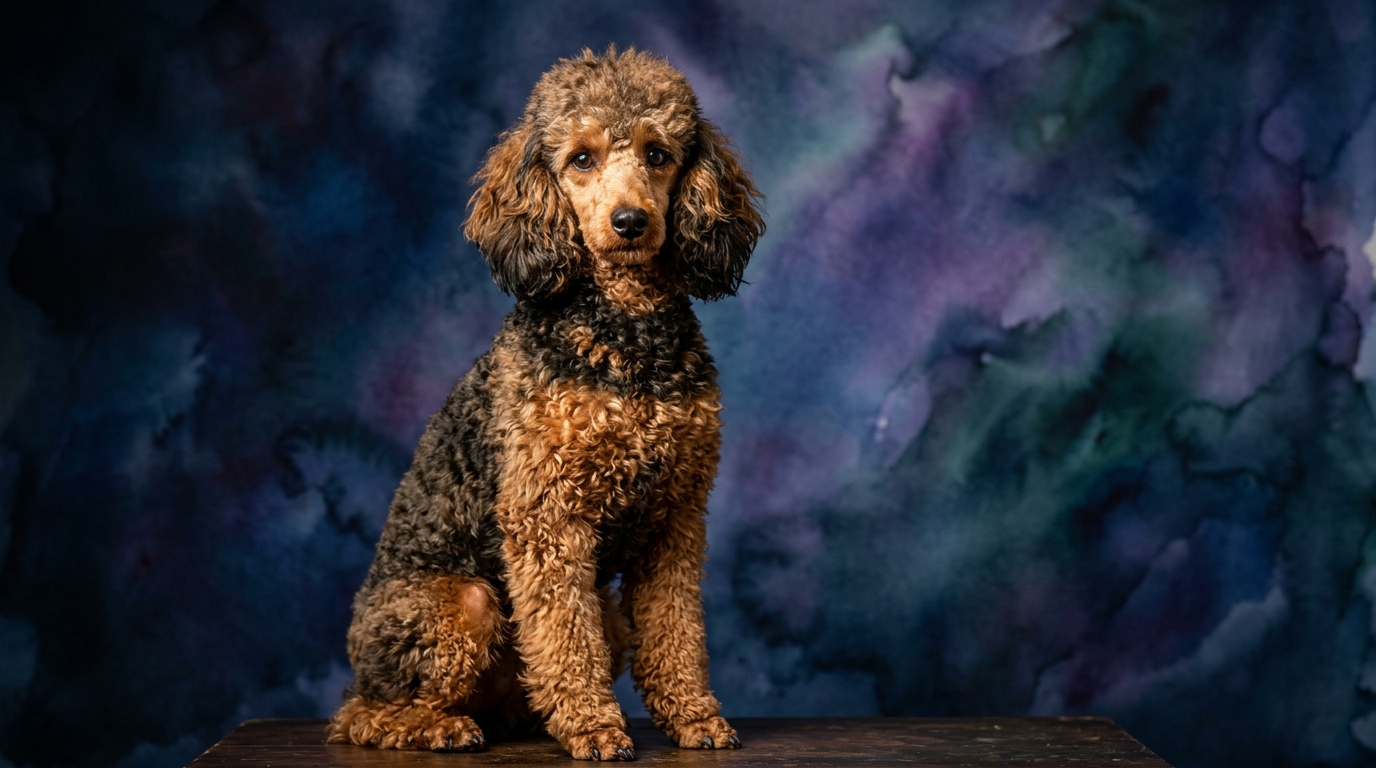
In The Cosmic Pet Pet IQ Lab, each breed’s intelligence is assessed across five critical dimensions, painting a detailed picture of their inherent capabilities. The Standard Poodle, holding an impressive Coren rank of #2, consistently demonstrates peak performance across most cognitive metrics, reflecting its history as a versatile working companion. Its Problem Solving is rated 5/5, indicating an exceptional capacity for abstract thought, strategic planning, and navigating complex environmental challenges independently. Training Speed also stands at a perfect 5/5, meaning these dogs grasp new commands and routines with remarkable swiftness, often requiring only a handful of repetitions to solidify a behavior. Social Intelligence is another 5/5, showcasing an acute awareness of human emotions, intentions, and subtle cues, fostering deep collaborative bonds. While Instinctive Drive is a robust 4/5, channeled effectively into retrieving and water work, it remains highly amenable to direction. Finally, its Memory is a solid 5/5, allowing for long-term retention of learned behaviors, routines, and experiences.
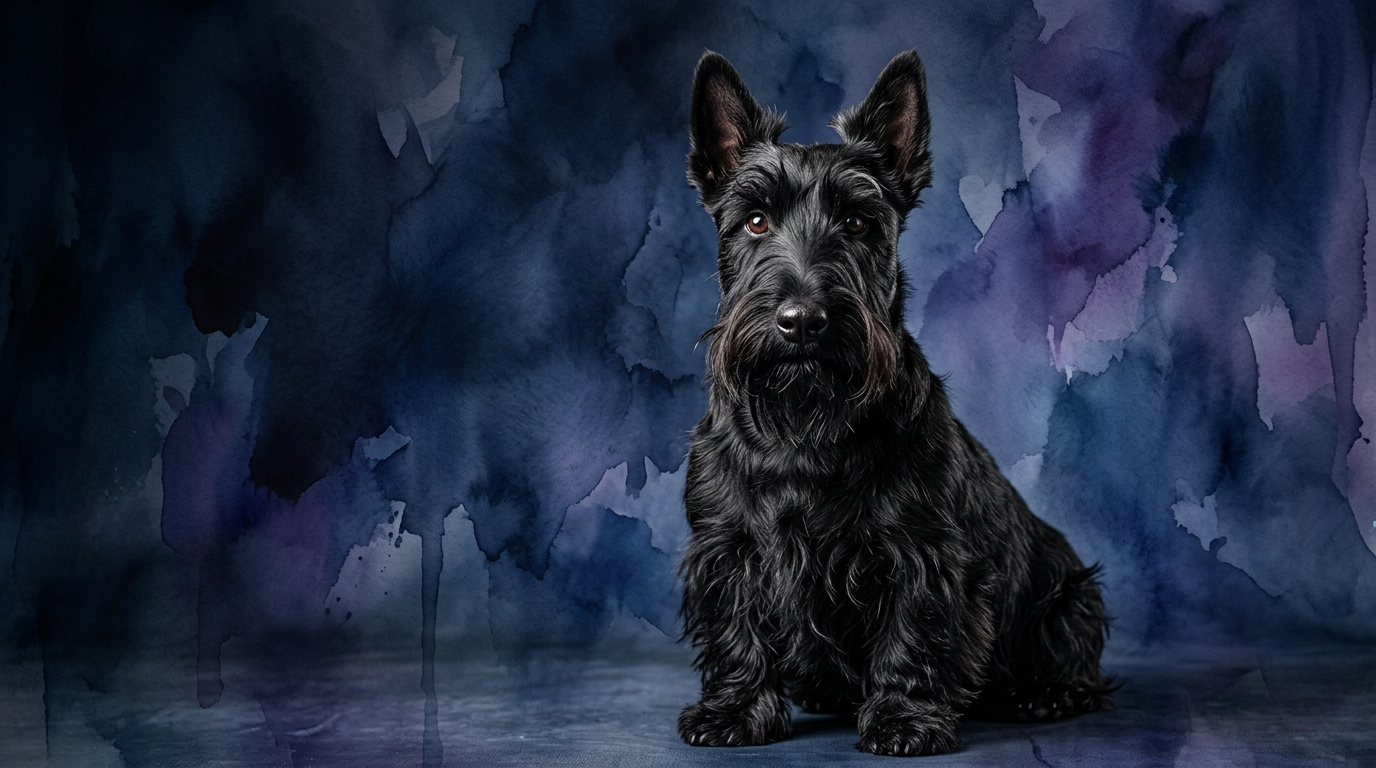
The Scottish Terrier, with a Coren rank of #65, presents a cognitive profile shaped by its heritage as a tenacious vermin hunter, emphasizing practicality and self-reliance over collaborative problem-solving. Its Problem Solving is rated 3/5, suggesting a practical, task-specific approach to challenges rather than abstract reasoning, excelling in situations directly related to its original purpose, like navigating tight spaces or persistent digging. Training Speed is also 3/5, meaning new commands are learned steadily but require consistent, patient reinforcement and more repetitions compared to breeds with higher scores. Social Intelligence, at 3/5, indicates a breed that forms deep bonds with its chosen family but often maintains a distinct sense of independence, less inclined to constant human validation or subtle social negotiation. Instinctive Drive is rated 3/5, primarily focused on prey drive and digging, which can be strong and less easily redirected than in other breeds. Its Memory, also 3/5, is sufficient for retaining core commands and routines, but may not exhibit the same level of detail or long-term recall for complex sequences as a Poodle.
Where the Standard Poodle Excels Cognitively
The Standard Poodle’s cognitive strengths are evident in its exceptional capacity for complex learning and adaptive behavior. Its 5/5 Problem Solving allows it to not only understand multi-step commands but also to independently devise solutions to novel situations, such as figuring out how to open a child-proof gate or retrieve a specific toy from a cluttered box without direct instruction. This depth of cognitive processing enables them to excel in intricate dog sports like advanced obedience, agility, and even scent work, where strategic thinking is paramount. Their perfect 5/5 Training Speed means they absorb and internalize new information at an accelerated pace, reducing the time and repetition needed for skill acquisition, a distinct advantage for owners keen on teaching a wide repertoire of behaviors or engaging in competitive activities.
Furthermore, the Poodle's 5/5 Social Intelligence grants it an extraordinary ability to read and respond to human emotions and intentions. They often anticipate requests or react empathetically to their owner's mood, making them highly attuned companions. This cognitive trait facilitates a seamless partnership in activities requiring precise communication and mutual understanding. Coupled with a 5/5 Memory, a Standard Poodle not only learns quickly but retains those lessons over extended periods, making their training durable and their behavior consistently reliable. This comprehensive cognitive framework positions the Standard Poodle as a highly adaptable and profoundly engaged canine partner, capable of mastering a vast array of tasks and thriving on intellectual engagement.
Where the Scottish Terrier Stands Out Cognitively
While the Scottish Terrier’s cognitive scores may not reach the heights of the Standard Poodle, its intelligence is uniquely tailored for persistence, self-sufficiency, and focused task execution, reflecting its historical role. Its 3/5 Problem Solving, though not geared towards abstract puzzles, is highly effective for practical, goal-oriented challenges. A Scottish Terrier will exhibit tenacious determination when presented with a task, such as digging to locate a scent or navigating obstacles to reach a perceived target. This practical problem-solving is less about collaborative strategy and more about independent, unwavering pursuit, a valuable trait for its original purpose.
The Scottish Terrier's 3/5 Social Intelligence contributes to its distinctive personality, fostering a strong, loyal bond with its family without an overwhelming need for constant validation or direction. This cognitive independence means they are less prone to separation anxiety and can be content with their own company for periods, provided their needs for exercise and mental stimulation are met. Their 3/5 Instinctive Drive, particularly for hunting and digging, is a cognitive strength in its own right, demonstrating a deep-seated focus and motivation that, when appropriately channeled, allows them to excel in activities like Earthdog trials where these innate behaviors are celebrated. Their moderate Memory (3/5) is entirely adequate for retaining the foundational commands and routines essential for a well-adjusted life, ensuring they remember what is expected without being overly burdened by complex, multi-layered information that might distract from their primary focus.
Training: Ease and Behavioral Differences
When considering ease of training, the Standard Poodle presents a significantly more straightforward experience due to its superior cognitive attributes. Their 5/5 Training Speed means they pick up commands rapidly, often within a few repetitions, and their 5/5 Social Intelligence makes them eager to please and highly attentive to their handler's instructions and body language. This combination allows for a fluid, responsive training dynamic where new skills are acquired with minimal frustration. Their 5/5 Memory ensures that once a command is learned, it is retained, leading to consistent performance. Real behavioral differences include the Poodle's propensity to offer behaviors and actively seek interaction during training sessions, often anticipating the next step and thriving on positive reinforcement and mental challenges.
The Scottish Terrier, conversely, requires a more patient and persistent approach to training. Its 3/5 Training Speed means that while they are capable of learning, they will require more repetitions and consistent reinforcement to solidify new behaviors. Their 3/5 Social Intelligence contributes to an independent streak; they are not inherently driven by a strong desire to please, often preferring to make their own decisions. This can manifest as selective hearing or a stubborn refusal if they perceive a command as uninteresting or unnecessary. Owners will observe that a Scottie might understand a command but choose not to execute it if there isn't a sufficiently compelling incentive. Effective training for a Scottish Terrier often hinges on finding high-value motivators and making sessions engaging, concise, and consistent, acknowledging their strong instinctive drives and independent nature rather than attempting to override them entirely.
Matching Cognitive Profiles to Lifestyles: Active vs. Relaxed Owners
For owners seeking an active, engaged canine partner who thrives on mental and physical challenges, the Standard Poodle is an exceptional match. Their 5/5 Problem Solving and 5/5 Training Speed mean they excel in a wide array of activities, from competitive obedience and agility to rally, dock diving, and even service work. These dogs flourish when given opportunities to learn new tricks, solve puzzles, and participate in regular, varied exercise routines that stimulate both their bodies and minds. An active owner who enjoys daily training sessions, structured play, and exploring new environments will find the Poodle's high social intelligence and strong memory make them an incredibly rewarding and responsive companion, eager to collaborate and form a deep partnership based on mutual engagement.
The Scottish Terrier, with its more independent cognitive makeup, is better suited for owners who appreciate a dog with a distinct personality and a moderate, yet consistent, need for activity. While they still require regular exercise to satisfy their instinctive drives, they are not typically the breed that demands constant, high-intensity mental stimulation or extensive collaborative training sessions throughout the day. A relaxed owner who enjoys structured daily walks, opportunities for sniffing and exploring, and perhaps some light backyard play or Earthdog activities will find the Scottish Terrier to be a loyal, self-possessed companion. They thrive in homes where their independent problem-solving skills (3/5) are respected, and their moderate social intelligence means they are content to relax quietly after their needs are met, without constantly seeking interaction or instruction. Owners should be prepared to manage their innate prey drive and digging tendencies with appropriate outlets and consistent boundaries.
The Verdict: When to Choose Each Breed
The choice between a Standard Poodle and a Scottish Terrier ultimately hinges on an owner’s lifestyle, training philosophy, and desired canine partnership. The Standard Poodle is an ideal choice for individuals or families who desire a highly trainable, extremely responsive, and intellectually versatile companion, eager to participate in advanced training, dog sports, or roles requiring nuanced communication and collaboration. They thrive in environments offering consistent mental enrichment and active engagement.
Conversely, the Scottish Terrier is best suited for owners who appreciate a dog with a robust, independent spirit, a practical approach to problem-solving, and a loyal, self-contained companionship. They are a good fit for those who are patient with training, understand the importance of managing strong instinctive drives, and prefer a dog that is less demanding of constant interactive engagement but still enjoys structured outdoor activities and a close family bond.
The Verdict
Choose the Standard Poodle if you seek an exceptionally trainable, highly responsive companion for advanced activities and a deeply collaborative relationship. This breed thrives on intellectual challenges and consistent engagement.
Opt for the Scottish Terrier if you value an independent, persistent companion with a strong personality and practical problem-solving skills, requiring patient training and an understanding of its distinct instinctive drives.
🧠 Find Your Pet's IQ Score
Our Pet IQ Lab assessment covers 25+ tests across 5 cognitive dimensions — personalized to your breed.
Take the Full IQ Test →Frequently Asked Questions
Are Scottish Terriers difficult to train?
Scottish Terriers are not 'difficult' but require more patience and consistency than breeds with higher training speed and social intelligence. Their independent nature means motivation must be high, and training sessions should be engaging and positive to counteract their selective hearing.
Do Standard Poodles need a lot of mental stimulation?
Yes, Standard Poodles, with their high problem-solving and memory scores, thrive on significant mental stimulation. Without it, they can become bored and potentially develop undesirable behaviors, so daily puzzle toys, training sessions, and varied activities are crucial.
Can a Scottish Terrier participate in dog sports?
Absolutely, Scottish Terriers can excel in specific dog sports like Earthdog trials, where their natural digging and hunting instincts are celebrated. While competitive obedience might be more challenging than for a Poodle, their persistence can also make them good candidates for agility or scent work, provided training is tailored to their independent nature.