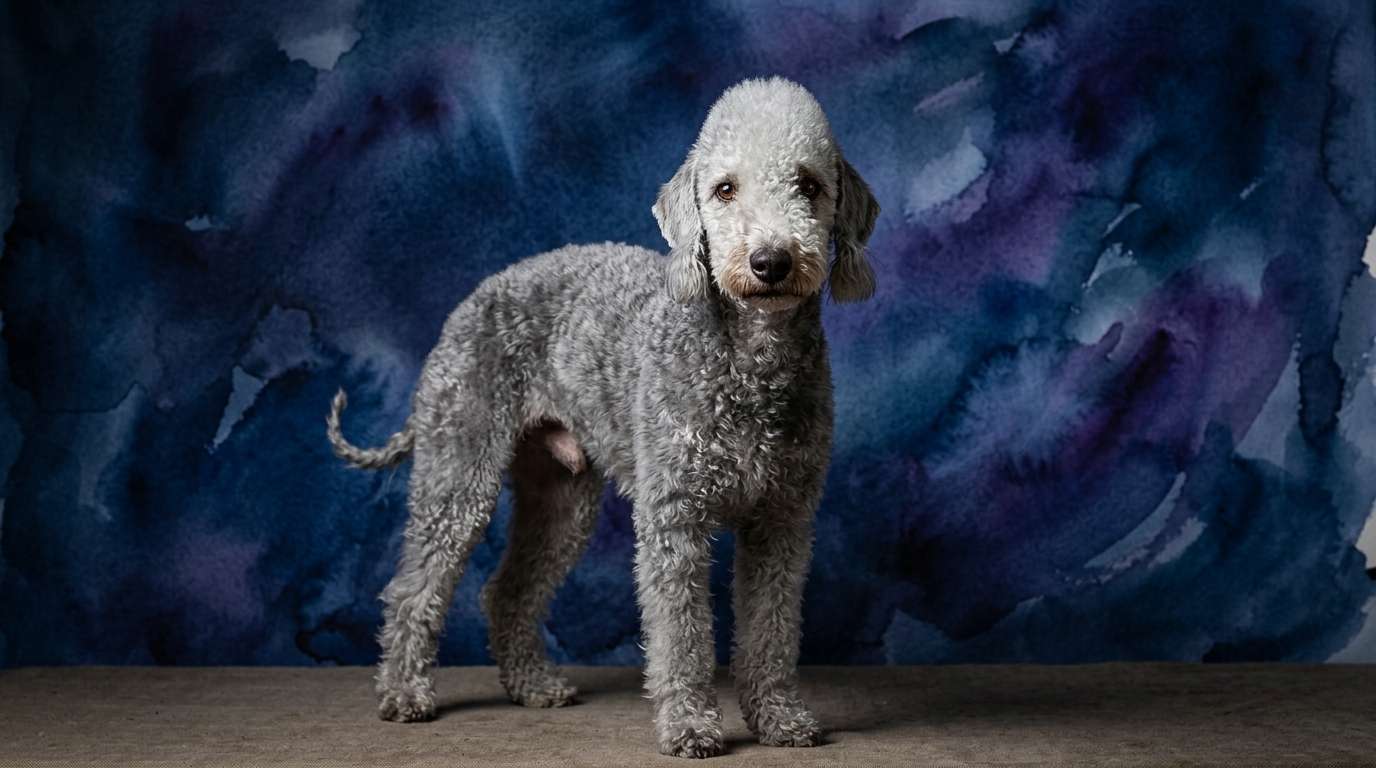
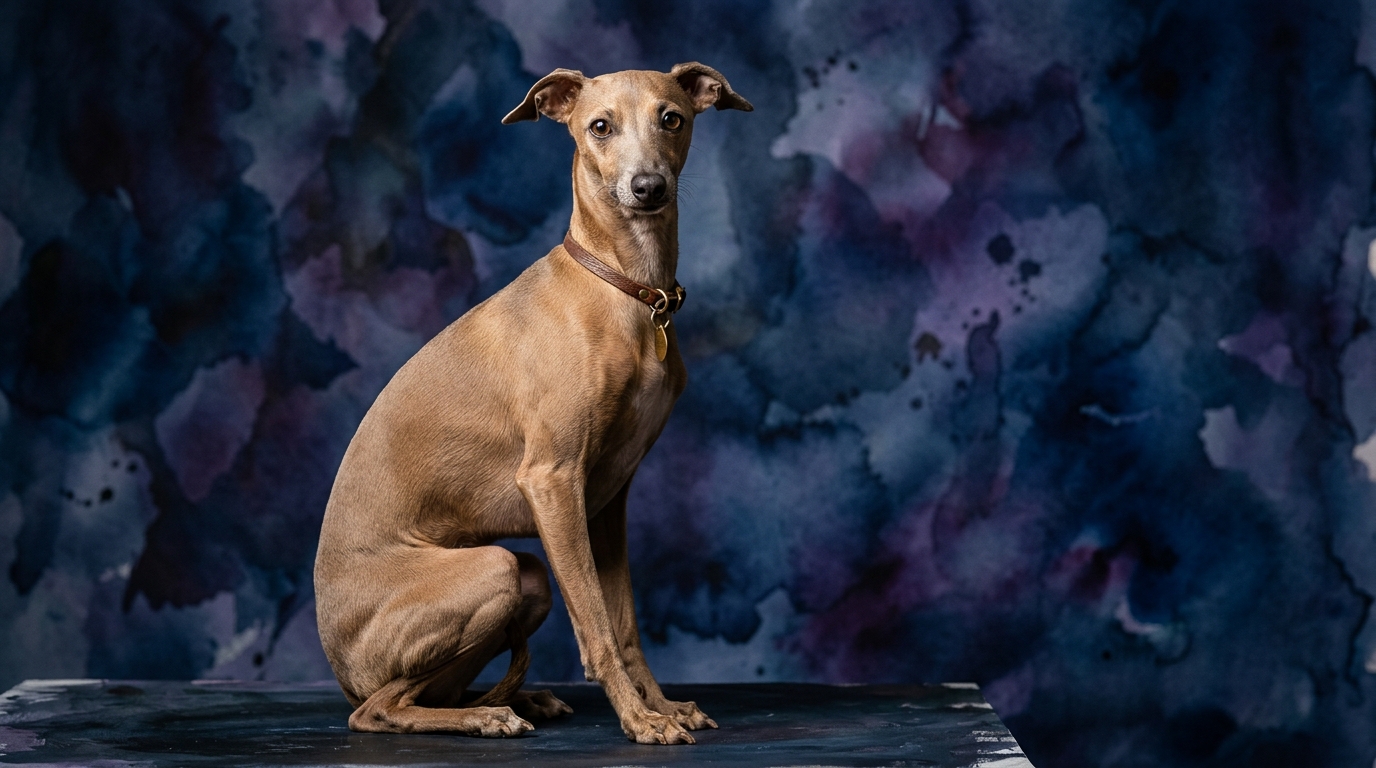
Side-by-Side IQ Profile: A Deeper Look at 3/5
At The Cosmic Pet Pet IQ Lab, we evaluate canine intelligence across five critical dimensions. For the Bedlington Terrier, a 3/5 in Problem Solving reflects a dog capable of devising practical solutions, often driven by their terrier tenacity to achieve a goal, such as outsmarting a puzzle toy or figuring out how to access a forbidden area. Their Training Speed, also 3/5, indicates they can learn new commands at a steady pace, provided the training is engaging and consistent, though their independent streak can sometimes lead to selective hearing. Social Intelligence at 3/5 means they are adept at reading their family's moods and intentions, forming deep bonds, but can be reserved or discerning with strangers, preferring a close-knit social circle. An Instinctive Drive of 3/5 signifies a palpable prey drive and a natural inclination towards digging or chasing, characteristic of their terrier heritage, which needs appropriate outlets. Finally, their Memory at 3/5 suggests they retain learned behaviors and experiences well, remembering routines and past interactions, which can be both a blessing and a challenge in training.
The Italian Greyhound, sharing the same 3/5 scores, expresses these dimensions differently. Their Problem Solving at 3/5 often manifests in clever, sometimes manipulative, ways to secure comfort or attention, like finding the warmest sunbeam or subtly nudging for cuddles rather than brute-forcing a solution. Training Speed at 3/5 means they absorb new information quickly, particularly with positive reinforcement, but their delicate nature and sighthound distractibility can make sustained focus challenging. Social Intelligence, also 3/5, highlights their profound sensitivity to human emotion and their desire for close physical proximity to their chosen people, often mirroring their owner's energy, though they may be quite shy or aloof with unfamiliar individuals. Their Instinctive Drive of 3/5 is primarily expressed through their sighthound urge to chase anything that moves quickly, combined with a strong intrinsic need for warmth and companionship, often seeking out soft, cozy spots. Lastly, their Memory at 3/5 ensures they remember routines, preferred people, and past experiences, quickly learning which behaviors yield desirable outcomes (like treats or lap time) and which do not.
Where the Bedlington Terrier Wins Cognitively
The Bedlington Terrier's cognitive strengths, even with identical scores, often lie in their pragmatic persistence and independent thought. Their 3/5 in Problem Solving, when paired with their terrier spirit, means they are less likely to give up on a mental challenge. They excel at tasks requiring sustained effort and a bit of 'out-of-the-box' thinking to overcome obstacles. This breed often demonstrates a robust form of ingenuity, not just in solving puzzles, but in navigating their environment to achieve specific, often self-serving, objectives, such as finding a way to access a favorite toy or a patch of dirt for digging. Their distinct blend of tenacity and cleverness can make them particularly adept at tasks where a less persistent dog might simply give up.
Where the Italian Greyhound Wins Cognitively
Conversely, the Italian Greyhound's cognitive advantages, despite the shared 3/5 scores, often shine in their refined social attunement and subtle problem-solving. Their 3/5 Social Intelligence is expressed with an almost ethereal sensitivity; they are masters at reading nuanced human cues, often anticipating needs or moods before they are overtly expressed. This makes them exceptional companions for emotionally intelligent owners. Their Problem Solving, while not as physically robust as a terrier's, excels in efficiency and elegance, often finding the path of least resistance to comfort or affection. They might not dig under a fence, but they will likely figure out how to charm their way onto the couch or secure a prime spot on a lap, demonstrating a sophisticated understanding of social dynamics to achieve their desires.
Which is Easier to Train and Why?
When comparing ease of training, the nuances of their 3/5 Training Speed and Instinctive Drive become crucial. The Italian Greyhound, with its delicate temperament and strong desire for companionship, tends to be more responsive to positive reinforcement and gentle methods. Their high social intelligence means they are often eager to please and will quickly learn behaviors that earn them praise, treats, or cuddles. However, their sighthound nature means they can be easily distracted by movement outdoors, and their sensitivity dictates that harsh corrections are counterproductive, leading to shutdown or avoidance. Consistency and patience, coupled with high-value rewards, are key to harnessing their moderate training speed.
The Bedlington Terrier, on the other hand, while equally capable of learning at a 3/5 speed, presents a different training dynamic due to their strong terrier instincts and inherent independence. Their 3/5 Instinctive Drive translates into a natural inclination to follow their nose or chase small critters, which can override learned commands, especially in stimulating environments. Training a Bedlington requires a firm but fair approach, consistent boundaries, and creative methods to keep them engaged. They are not typically as eager to please as a sighthound might be; instead, they need to be convinced that complying with a command is more rewarding than following their own agenda. Their moderate memory ensures they recall commands, but their problem-solving nature means they might also remember ways to circumvent rules if not properly motivated.
Which Suits Active Owners vs. Relaxed Owners?
For active owners seeking a canine partner for consistent engagement, the Bedlington Terrier often aligns well. Their 3/5 Instinctive Drive, coupled with a moderate energy level, means they thrive on regular exercise, mental stimulation, and structured activities. They enjoy brisk walks, exploring new environments, and participating in dog sports like agility or earthdog trials, which channel their terrier instincts. Owners who appreciate a dog with an independent streak and enjoy channeling a dog's natural drives into productive activities will find a Bedlington a rewarding match. They are not content to be couch potatoes and require an owner who can consistently provide both physical and mental challenges to keep their problem-solving minds engaged.
The Italian Greyhound, conversely, is an excellent fit for owners who appreciate a blend of energetic bursts and prolonged periods of relaxation. While they possess a 3/5 Instinctive Drive for chasing and can achieve incredible speeds in short sprints, their overall activity needs are often lower than a terrier's. They are content with short, supervised outdoor excursions followed by extensive cuddling on the sofa, ideally under a blanket. Their high social intelligence and desire for close physical contact make them ideal companions for relaxed owners who spend a lot of time at home and value a dog that integrates seamlessly into a calm, comfortable lifestyle. Owners must be mindful of their delicate build and sensitivity to cold, ensuring they have warm, safe environments.
The Verdict
Choose the Bedlington Terrier if you are an active owner who enjoys a dog with a tenacious spirit, an independent streak, and a willingness to engage in consistent mental and physical challenges.
Opt for the Italian Greyhound if you are a more relaxed owner who values a sensitive, affectionate companion that thrives on close physical contact and is content with moderate bursts of activity followed by ample lounging.
🧠 Find Your Pet's IQ Score
Our Pet IQ Lab assessment covers 25+ tests across 5 cognitive dimensions — personalized to your breed.
Take the Full IQ Test →Frequently Asked Questions
Are Bedlington Terriers good with other pets?
Bedlington Terriers, with their 3/5 social intelligence, can coexist peacefully with other pets, especially if socialized from a young age. However, their 3/5 instinctive prey drive means small, fast-moving animals might trigger a chase response, so introductions should be carefully managed.
Do Italian Greyhounds bark a lot?
Italian Greyhounds are not typically excessive barkers, but their 3/5 social intelligence means they may vocalize to communicate needs, express excitement, or alert their owners to new arrivals. Their sensitivity also means they can be prone to separation anxiety, which might lead to barking if left alone for extended periods.
Which breed is better for apartment living?
The Italian Greyhound is generally better suited for apartment living due to their smaller size, lower overall exercise needs, and preference for indoor comfort, provided they get daily walks and safe opportunities to run. Bedlington Terriers can adapt to apartments but require more consistent outdoor activity and mental engagement to prevent boredom.