Side-by-Side IQ Profiles: Belgian Malinois vs. Afghan Hound
At The Cosmic Pet Pet IQ Lab, we evaluate canine intelligence across five critical dimensions: Problem Solving, Training Speed, Social Intelligence, Instinctive Drive, and Memory. These metrics provide a nuanced understanding of a breed's cognitive strengths, moving beyond simplistic labels to reveal how each dog processes and interacts with their world.
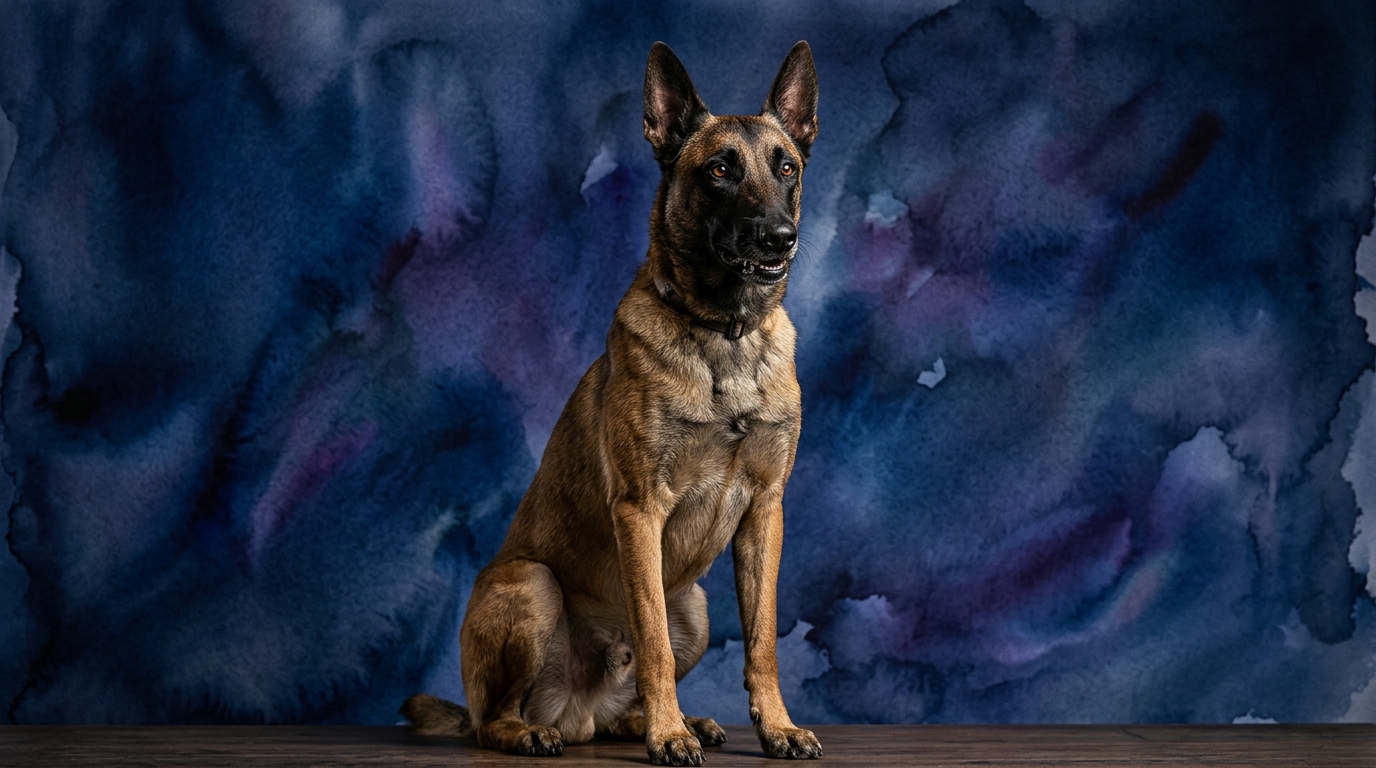
The Belgian Malinois, ranking #22 on Coren's scale, demonstrates a cognitive profile optimized for collaborative work and rapid assimilation of new information. Their Problem Solving is rated a perfect 5/5, indicating an exceptional capacity to analyze complex situations and devise effective strategies, whether it's navigating intricate obstacle courses or deciphering multi-step commands. Training Speed also scores 5/5, reflecting their eagerness to learn and ability to quickly absorb new routines and skills, making them highly responsive partners. Social Intelligence, at 4/5, shows a strong understanding of social cues within their established human and canine groups, though their intensity requires careful management in novel social settings. Their Instinctive Drive is a powerful 5/5, fueling their relentless dedication to tasks that tap into their herding and protection heritage. Finally, Memory, also 5/5, signifies a formidable ability to retain commands, routines, and experiences with exceptional clarity, contributing to their consistency and reliability in demanding roles.
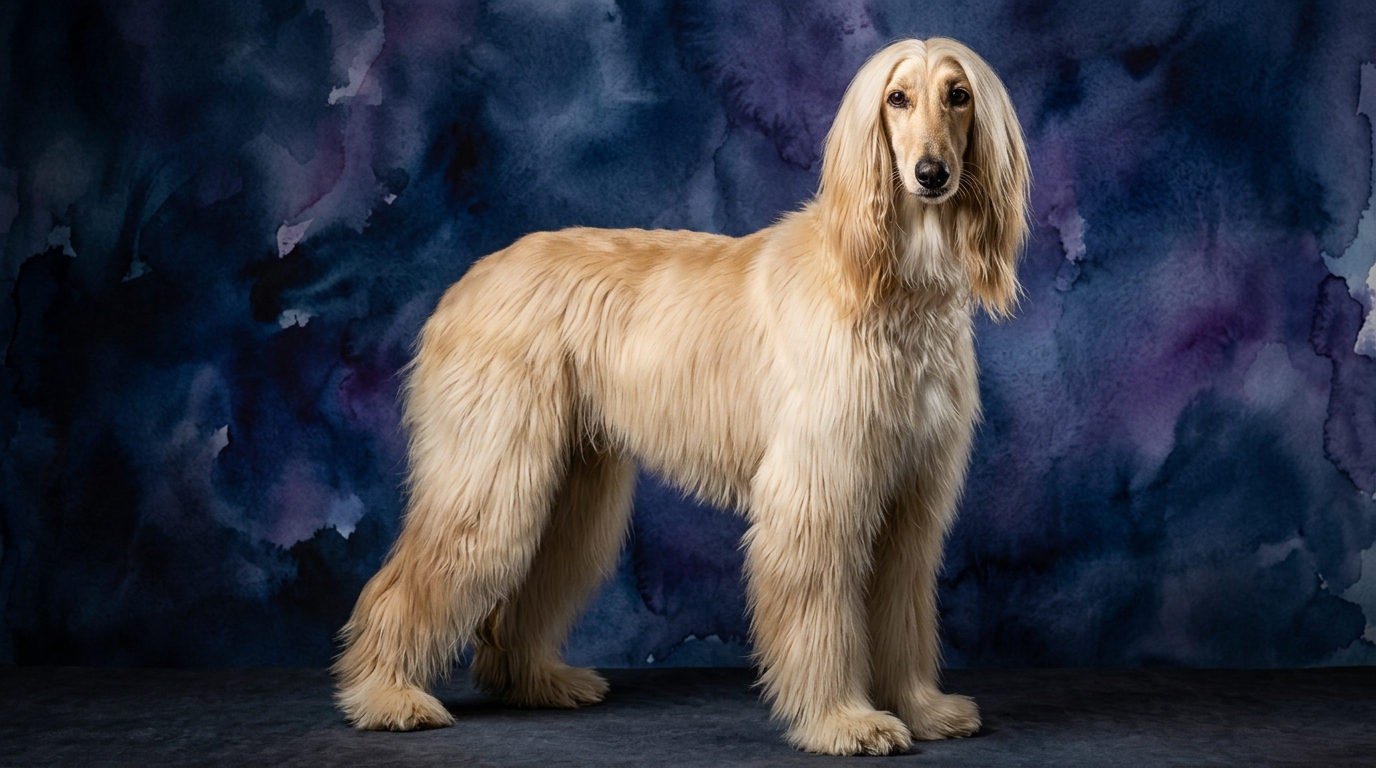
In stark contrast, the Afghan Hound, positioned at #79 on Coren's ranking, presents a cognitive blueprint centered on independence and sensory-driven decision-making. Their Problem Solving scores 4/5, but this is often expressed through self-directed strategies, leveraging their keen senses to navigate their environment and pursue their own perceived goals rather than always seeking human guidance. Training Speed is a notably low 1/5; this isn't due to a lack of capacity, but rather a strong, independent spirit that frequently prioritizes self-interest over immediate compliance, requiring immense patience and understanding from their trainer. Social Intelligence rates 2/5, characterized by a dignified aloofness; they observe their surroundings and social interactions more than actively engaging in complex social negotiations. A perfect 5/5 in Instinctive Drive highlights their overwhelming sighthound heritage, manifesting as an almost unstoppable urge to spot and chase, a trait that powerfully dictates their behavior. Their Memory, at 3/5, suggests they retain information, particularly what serves their own agenda or comfort, but may require more frequent reinforcement for handler-initiated commands compared to breeds with higher memory scores.
Where the Belgian Malinois Wins Cognitively
The Belgian Malinois demonstrably surpasses the Afghan Hound in areas demanding collaborative cognitive effort and rapid, flexible learning. Their perfect 5/5 scores in Problem Solving, Training Speed, and Memory signify a dog built for intricate work and continuous intellectual engagement. A Malinois excels at dissecting complex tasks, quickly understanding new commands, and retaining vast amounts of information, making them adept at multi-stage obedience, advanced scent detection, and protection work where precision and recall are paramount. Their ability to integrate new information and adapt strategies on the fly, coupled with an eagerness to work with their handler, positions them as superior in roles requiring dynamic, directed cognitive application.
Where the Afghan Hound Wins Cognitively
While often perceived as less 'trainable' in conventional terms, the Afghan Hound exhibits a distinct cognitive strength rooted in its profound instinctive drive and independent problem-solving. Their 5/5 instinctive drive is not just about physical chase; it's a deeply ingrained cognitive framework for autonomous hunting, requiring immense focus, strategic scanning of the environment, and rapid, self-directed decision-making in pursuit. Unlike the Malinois, whose problem-solving is often collaborative, the Afghan Hound’s 4/5 problem-solving is geared towards independent action and survival in open terrain, making them master strategists of the chase. Their cognitive process prioritizes self-preservation and the pursuit of prey without needing human direction, a specialized form of intelligence that allows them to excel in environments where independent judgment is more valuable than strict adherence to commands.
Which is Easier to Train and Why
The ease of training starkly differentiates these two breeds, with the Belgian Malinois being overwhelmingly simpler to guide. The Malinois's 5/5 Training Speed and 5/5 Memory mean they absorb information quickly and retain it reliably, driven by a strong desire to engage and please their handler. They thrive on structured learning, readily forming associations between commands and actions, and their high social intelligence (4/5) facilitates a strong working bond. Their intensity and focus allow for rapid skill acquisition and the development of complex behavioral chains, making them a trainer's dream for competitive obedience or specialized tasks.
In contrast, the Afghan Hound's 1/5 Training Speed is a direct consequence of their independent nature and powerful instinctive drive, which often overrides the desire for human approval. Their training requires understanding their sighthound heritage, using high-value rewards, and accepting that compliance is often conditional on their mood or perceived benefit. They are less inclined to perform repetitive tasks purely for a handler, making conventional obedience a long and patient endeavor focused on building trust rather than sheer repetition. Their cognitive approach prioritizes their own sensory input and urges, meaning trainers must be creative and highly motivating to capture and maintain their attention against their ingrained instincts.
Suitability for Active vs. Relaxed Owners
For active owners seeking a dynamic partner, the Belgian Malinois is an undeniable match. Their boundless energy, coupled with a relentless instinctive drive (5/5) and a profound need for mental stimulation, demands an owner committed to daily rigorous exercise, advanced training, and engaging work. These dogs excel in canine sports, protection work, or as dedicated working companions, requiring an owner who can channel their intense focus and cognitive abilities into productive outlets. An owner who understands and can manage their profound drive will find an unparalleled partner in the Malinois, but failure to meet these needs can lead to frustration and destructive behaviors due to their unspent mental and physical energy.
Conversely, the Afghan Hound, despite its physical need for bursts of running to satisfy its sighthound instincts, is better suited for owners who appreciate a more relaxed, independent companion for much of the day. While they need secure spaces for occasional full-speed sprints to satisfy their powerful chase drive, their cognitive engagement is often self-directed, and they are generally more content to lounge and observe their surroundings, requiring less constant interactive mental stimulation than a Malinois. A relaxed owner who can provide secure off-leash running opportunities and respects their dog's dignified independence and selective engagement would find a better fit with an Afghan Hound, appreciating their calm demeanor indoors once their physical needs are met.
The Verdict
Choose a Belgian Malinois if you are an experienced, dedicated owner seeking an intensely collaborative partner for advanced training, canine sports, or working roles, prepared to meet their profound needs for mental and physical engagement. Their exceptional trainability and drive make them ideal for those who thrive on a strong, dynamic working relationship.
Opt for an Afghan Hound if you appreciate an independent, dignified companion who requires secure space for their powerful sprints but is otherwise content with a more relaxed home life, valuing their unique blend of elegance and autonomous spirit. They suit owners who understand and respect a sighthound's self-directed nature and are patient with their distinct approach to learning.
🧠 Find Your Pet's IQ Score
Our Pet IQ Lab assessment covers 25+ tests across 5 cognitive dimensions — personalized to your breed.
Take the Full IQ Test →Frequently Asked Questions
Are Belgian Malinois good family dogs?
Belgian Malinois can be excellent family dogs when properly socialized, trained, and given sufficient mental and physical outlets. Their high energy and protective instincts mean they thrive in active households with experienced owners who can consistently guide their behavior and integrate them into family life, often forming strong bonds with children they are raised with.
How much exercise does an Afghan Hound need?
Afghan Hounds require regular exercise, primarily opportunities for full-speed running in a securely fenced area to satisfy their strong sighthound instincts. While they enjoy lounging, they need a daily outlet for intense physical exertion, such as a long run or a robust play session, to maintain their physical and mental well-being.
What is the biggest challenge when owning an Afghan Hound?
The biggest challenge when owning an Afghan Hound often stems from their independent nature and powerful prey drive, which makes off-leash reliability difficult and conventional obedience training a significant commitment. Their grooming needs are also substantial, requiring regular attention to maintain their distinctive coat and prevent matting.