A Side-by-Side Look at Cognitive Profiles
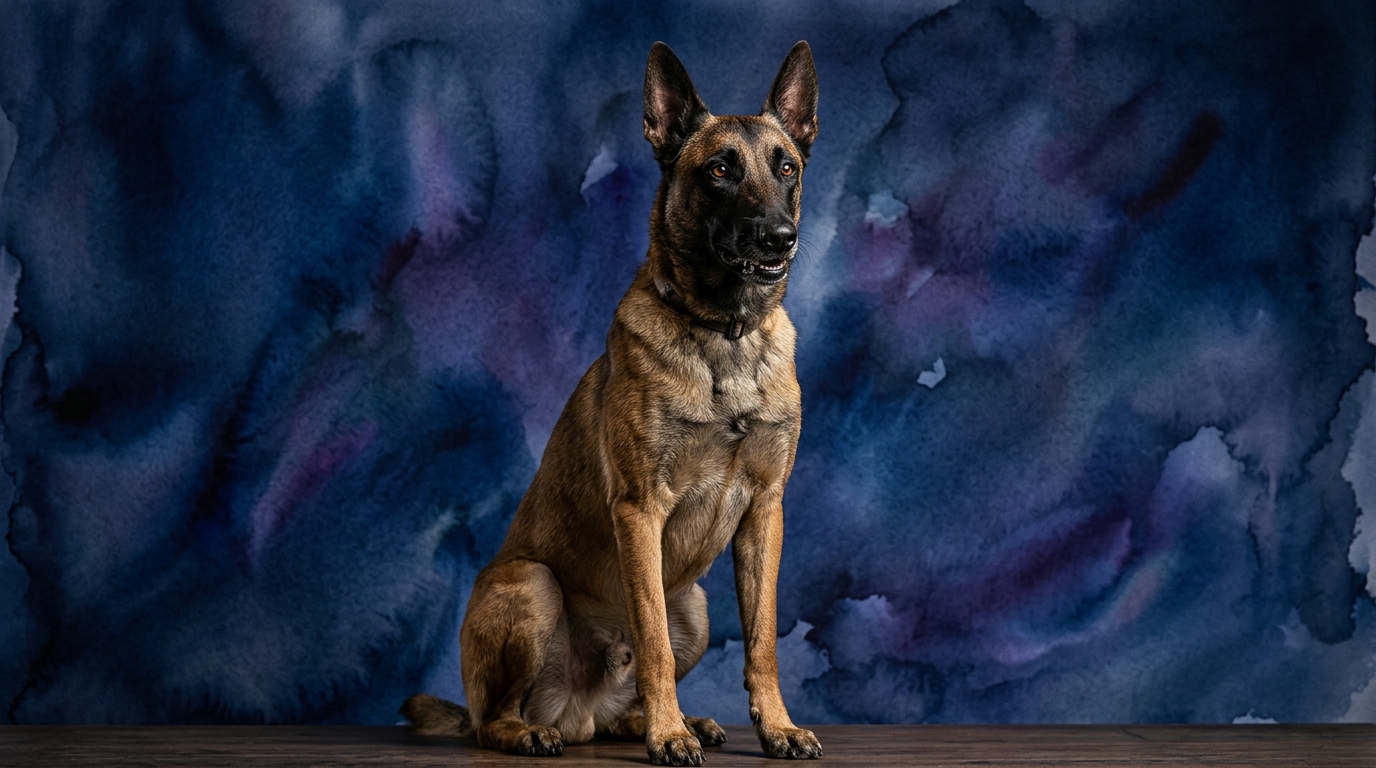
The Cosmic Pet Pet IQ Lab provides a structured framework for understanding canine intelligence across five key dimensions. For the Belgian Malinois, a breed renowned for its demanding working roles, its profile reflects an extraordinary capacity for learning and task execution: Problem Solving 5/5, Training Speed 5/5, Social Intelligence 4/5, Instinctive Drive 5/5, and Memory 5/5. This breed's Coren rank of #22 further solidifies its position among dogs that learn new commands quickly and obey them reliably.
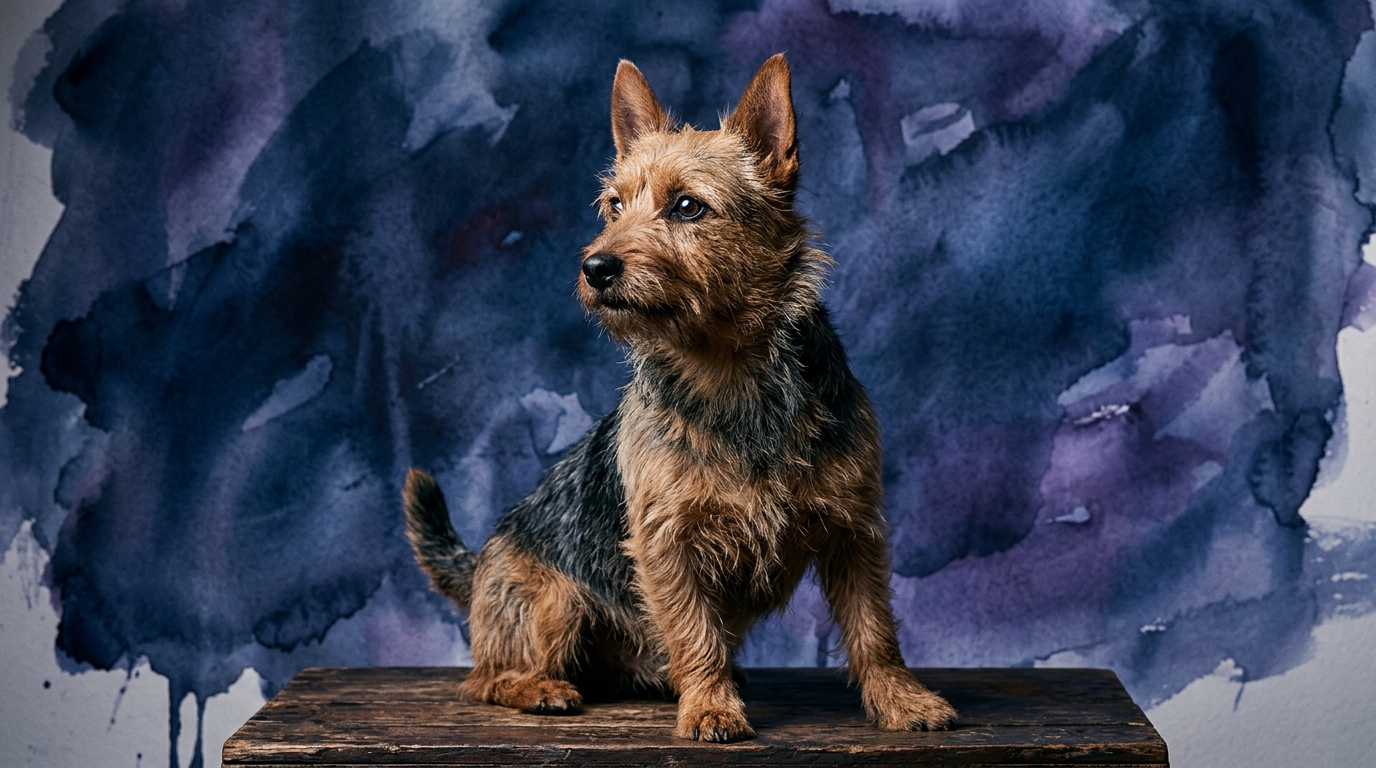
In stark contrast, the Australian Terrier, a spirited member of the Terrier group, presents a different set of cognitive strengths more aligned with a companion role. Its scores are: Problem Solving 3/5, Training Speed 3/5, Social Intelligence 3/5, Instinctive Drive 3/5, and Memory 3/5. The Australian Terrier is not Coren-ranked, which is common for many breeds, but its individual IQ scores offer a clear picture of its cognitive aptitudes.
Breaking down these scores, the Malinois exhibits peak performance across almost all metrics, indicating a dog that not only comprehends complex instructions but also possesses an innate drive to apply that understanding. Their 5/5 in Problem Solving means they can independently navigate intricate challenges, while 5/5 in Training Speed highlights their ability to grasp new concepts with minimal repetition. Their 4/5 Social Intelligence suggests a keen awareness of human cues and intentions, crucial for collaborative work, and a 5/5 Instinctive Drive fuels their relentless pursuit of goals. Finally, a 5/5 Memory ensures they retain vast amounts of information over time.
The Australian Terrier, with its consistent 3/5 scores, demonstrates a more moderate but still capable cognitive makeup. A 3/5 in Problem Solving indicates they can figure out practical, everyday puzzles, like opening a treat container, but may not excel at abstract or multi-step tasks. Their 3/5 Training Speed means they will learn, but require more patience and consistent reinforcement than a Malinois. A 3/5 Social Intelligence implies they understand basic social cues and bond well with their families, though they might not interpret subtle human emotions with the same depth. Their 3/5 Instinctive Drive is present – they enjoy chasing and digging – but it is less overwhelming than the Malinois's intense drive. A 3/5 Memory allows them to remember commands and routines effectively, though perhaps not the extensive, intricate sequences a Malinois can recall.
Where the Belgian Malinois Excels Cognitively
The Belgian Malinois's cognitive profile makes it an unparalleled contender for roles demanding intense focus, rapid learning, and robust problem-solving. Their 5/5 Problem Solving capability means they can independently strategize and execute solutions to complex, novel challenges, from tracking intricate scent trails to navigating obstacle courses with precision. This isn't just about following commands; it's about processing information and making decisions in dynamic environments.
Their 5/5 Training Speed is a testament to their exceptional neural plasticity, allowing them to acquire new skills and commands with startling efficiency, often after only a few repetitions. This makes them highly adaptable to diverse training regimens, whether it's advanced obedience, protection work, or specialized detection tasks. Coupled with a 5/5 Memory, once a Malinois learns something, it is deeply ingrained, enabling consistent, reliable performance over extended periods and across various contexts. Their 5/5 Instinctive Drive then provides the relentless motivation to apply these learned skills, transforming their cognitive capacity into sustained, high-level output. A Malinois thrives on intellectual challenges and the satisfaction of mastering complex tasks, exhibiting a profound capacity for work-oriented cognition.
Where the Australian Terrier's Cognition Shines
While the Australian Terrier’s cognitive scores are more moderate, they represent a different kind of strength, one perfectly suited for a different lifestyle and set of expectations. Their 3/5 Problem Solving, for instance, means they are adept at solving practical, everyday challenges within a home environment, such as figuring out how to get to a favorite toy or signaling for attention. This level of problem-solving is sufficient for a companion dog and doesn't lead to the intense mental restlessness that can plague a less stimulated Malinois.
The Australian Terrier's 3/5 Instinctive Drive, while not as consuming as a Malinois's, is still robust enough to make them engaging and playful without being overwhelming. They possess a keen terrier curiosity and enjoyment of activities like chasing and digging, which can be channeled into appropriate outlets. Their 3/5 Social Intelligence means they are generally receptive to human interaction and understand household routines, making them agreeable family members who bond warmly without requiring the intricate, constant 'read' of a working dog. This balance in their cognitive profile means they are less prone to developing destructive behaviors out of extreme boredom or unfulfilled mental demands, making them a more manageable and content companion for many households.
Ease of Training: A Question of Approach
Determining which breed is 'easier to train' depends heavily on the trainer's experience and the desired outcome. The Belgian Malinois, with its 5/5 Training Speed and 5/5 Instinctive Drive, is incredibly responsive and quick to learn, making it seem 'easy' for an experienced handler capable of channeling its intense focus and drive. They absorb commands and complex sequences rapidly, eager to engage in structured work. However, this very responsiveness and high drive mean they demand consistent, skilled direction and substantial mental and physical stimulation. Without appropriate training and outlets, their formidable cognitive abilities and intense drive can manifest as challenging behaviors, making them 'difficult' for an unprepared owner.
The Australian Terrier, with its 3/5 Training Speed, requires more patience and repetition during training sessions. They will learn, but at a slower pace, meaning an owner needs to be consistent and use positive reinforcement effectively over a longer period. Their 3/5 Instinctive Drive is present, fueling their terrier tenacity, but it is less all-consuming than a Malinois's, which can make them less prone to overwhelming their handler with incessant demands for engagement. For a novice owner or someone seeking a dog that learns at a more moderate pace without the intense pressure of a high-drive working breed, the Australian Terrier might be perceived as 'easier' due to its less demanding cognitive and motivational profile, even if the learning process itself is slower.
Matching Cognition to Lifestyle: Active vs. Relaxed Owners
The stark differences in cognitive profiles between these two breeds directly dictate their suitability for active versus more relaxed owners. The Belgian Malinois, with its exceptional 5/5 Problem Solving, 5/5 Training Speed, 5/5 Instinctive Drive, and 5/5 Memory, is undeniably suited for highly active, experienced owners who can provide a rigorous schedule of physical exercise and, crucially, consistent mental challenges. These dogs thrive on purpose and require a lifestyle that offers daily opportunities for complex problem-solving, advanced obedience, and channeling their powerful instinctive drives into productive work, whether it's sport, service, or protection. An owner unable to meet these substantial cognitive and physical demands will likely find a Malinois to be a restless, potentially destructive companion.
Conversely, the Australian Terrier, with its more balanced 3/5 scores across the board, is a better fit for owners who appreciate an active dog but do not require an intense working partner. They enjoy daily walks, interactive play, and opportunities for moderate mental stimulation, such as puzzle toys or learning new tricks. Their cognitive makeup allows them to adapt more readily to a relaxed home environment after their exercise needs are met, without the constant, pressing need for complex tasks that a Malinois exhibits. While they still require engagement to prevent boredom, their cognitive demands are far less intense, making them an excellent choice for individuals or families seeking a spirited companion who can also relax contentedly by their side.
The Verdict
Choose the Belgian Malinois if you are an experienced, highly active owner committed to providing intense mental and physical work for a dog with unparalleled drive and cognitive capacity.
Opt for the Australian Terrier if you seek a spirited, engaging companion with moderate cognitive demands, suitable for an active but not overly intense lifestyle and willing to invest consistent, patient training.
🧠 Find Your Pet's IQ Score
Our Pet IQ Lab assessment covers 25+ tests across 5 cognitive dimensions — personalized to your breed.
Take the Full IQ Test →Frequently Asked Questions
Do Australian Terriers need mental stimulation despite lower IQ scores?
Absolutely. While their cognitive demands are not as intense as a Malinois, Australian Terriers still require regular mental stimulation through puzzle toys, training sessions, and varied experiences to prevent boredom and promote overall well-being. Their 3/5 problem-solving and drive means they enjoy figuring things out on their level.
Can a Belgian Malinois be a good family dog?
A Belgian Malinois can be a good family dog, but only for highly experienced owners who understand their profound cognitive and physical needs. Their high drive and social intelligence mean they require consistent training, clear boundaries, and appropriate outlets for their energy to ensure they are well-adjusted and safe around children and other pets.
Which breed is more prone to behavioral issues if not properly stimulated?
The Belgian Malinois is significantly more prone to developing behavioral issues, such as destructiveness, incessant barking, or anxiety, if their immense cognitive and physical needs are not adequately met. Their 5/5 instinctive drive and problem-solving capacities require constant, productive channeling, whereas the Australian Terrier's more moderate drives make them less likely to create severe problems from understimulation.