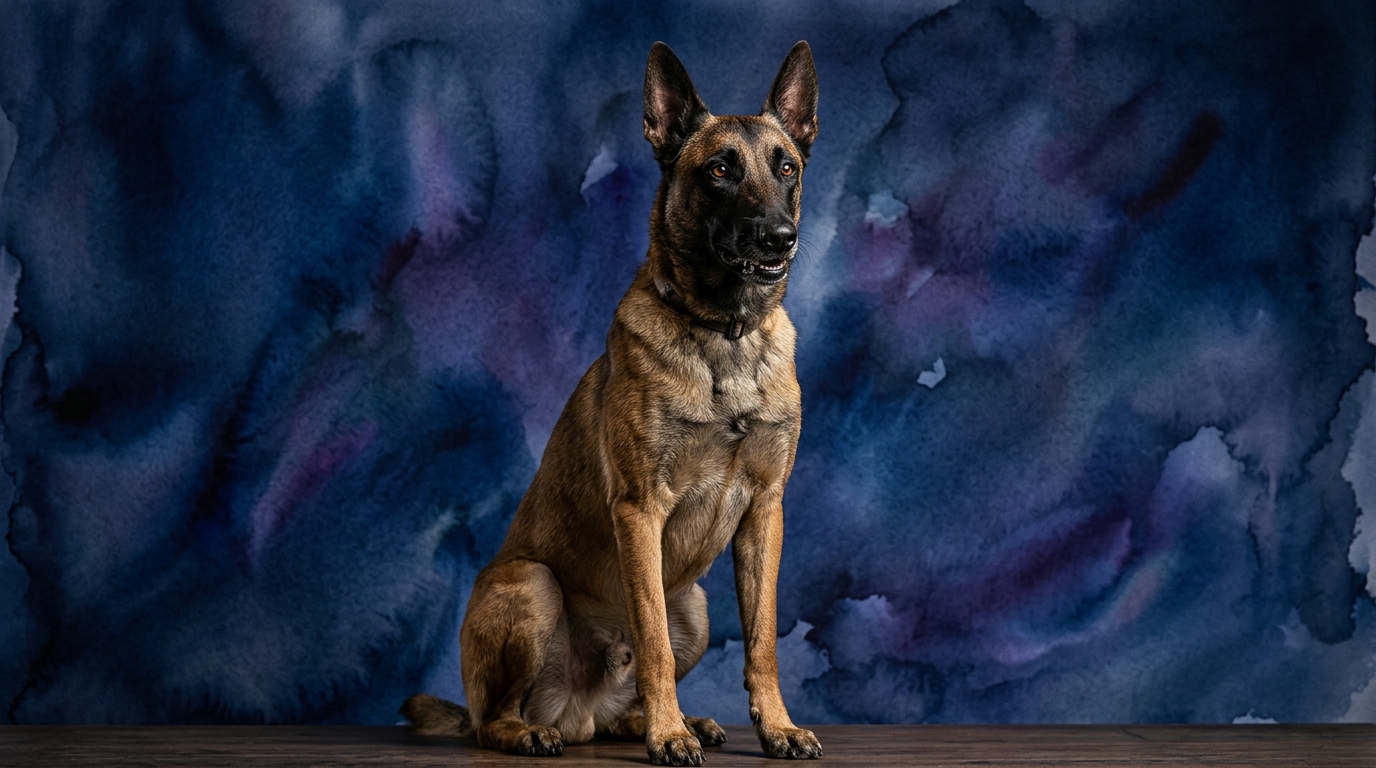
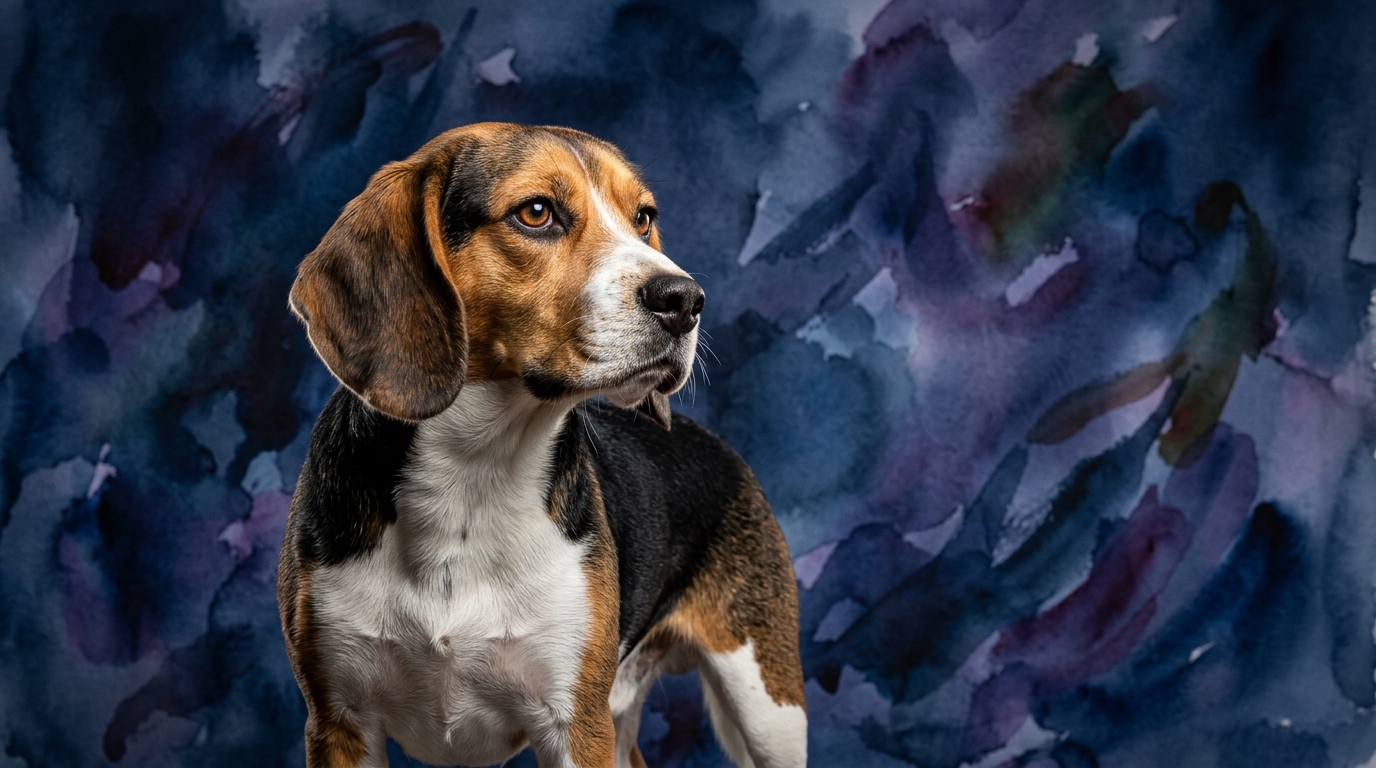
Side-by-Side IQ Profile: Belgian Malinois vs. Beagle
As a Herding dog with a Coren rank of #22, the Belgian Malinois exhibits a profound aptitude for complex cognitive functions. Their Problem Solving is rated 5/5, reflecting their capacity to analyze situations, devise effective strategies, and adapt quickly to new challenges, often seen in protection work or advanced obedience. Training Speed is also 5/5, meaning they grasp new commands and routines with exceptional rapidity, requiring fewer repetitions than most breeds. Their Social Intelligence, at 4/5, indicates a keen ability to read human cues and form strong working partnerships, making them highly responsive to handler direction. An Instinctive Drive of 5/5 highlights their intense desire for work, often manifesting as a powerful prey drive or a need to herd, which can be channeled into demanding tasks. Finally, their Memory, rated 5/5, ensures they retain vast repertoires of commands, routines, and experiences over long periods, making them incredibly consistent performers.
The Beagle, a Hound breed ranked #72 by Coren, possesses a distinct set of cognitive strengths, primarily centered around their olfactory capabilities. Their Problem Solving is rated 4/5, which, while respectable, tends to be applied to navigating complex scent trails and finding hidden objects rather than abstract strategic thinking. Training Speed is 2/5, suggesting they require significant patience and repetition to learn new commands, often struggling to maintain focus when their powerful nose detects an interesting scent. Social Intelligence stands at 3/5; while friendly and generally amiable, their independence and focus on environmental scents can sometimes override their attention to human interaction, especially during outdoor activities. Their Instinctive Drive is 5/5, an overwhelming compulsion to track and follow scents, which is the cornerstone of their existence and can be incredibly difficult to redirect. Memory is 4/5, enabling them to recall complex scent patterns and routes with impressive accuracy, though their memory for obedience commands might be less steadfast when a compelling scent presents itself.
Where the Belgian Malinois Wins Cognitively
The Belgian Malinois demonstrably excels in areas requiring abstract problem-solving and rapid, precise execution of learned behaviors. Their 5/5 Problem Solving score reflects an ability to think several steps ahead, strategize during complex tasks like agility courses, or quickly assess and respond to threats in protection work. This isn't just about brute force; it's about discerning patterns and applying previous learning to novel situations effectively. Furthermore, their 5/5 Training Speed means they absorb information like a sponge, translating new commands into fluid actions with minimal effort, making them ideal candidates for intricate multi-stage tasks. Their exceptional 5/5 Memory ensures that once a command or routine is learned, it's rarely forgotten, providing remarkable consistency in performance, even under pressure. This combination of quick learning, deep retention, and strategic thinking allows them to master complex obedience, service, and protection roles that demand both intellectual agility and physical prowess.
Where the Beagle Wins Cognitively
The Beagle's cognitive strengths are deeply rooted in their specialized sensory world, primarily their extraordinary olfactory intelligence. While their Problem Solving is rated 4/5, this score truly shines when applied to tasks involving scent discrimination and tracking. A Beagle can unravel a complex tapestry of odors, follow faint trails over challenging terrains, and persist for hours to locate a hidden source, demonstrating a unique form of resourcefulness and determination. Their 5/5 Instinctive Drive fuels this unparalleled ability, providing an unwavering focus on their nose that can overcome almost any distraction. This persistence, combined with a 4/5 Memory, allows them to recall intricate scent patterns and geographical routes associated with specific odors, making them exceptional at tasks like search and rescue, detection work, or simply finding a dropped treat in the yard. Their cognitive prowess isn't about human-centric tasks but about navigating and understanding their environment through a lens of scent, a skill unmatched by many breeds.
Training Challenge: Which Breed is Easier?
When it comes to ease of training, the Belgian Malinois holds a significant advantage, largely due to their distinct cognitive makeup and inherent motivations. Their 5/5 Training Speed means they pick up new commands and cues almost instantaneously, thriving on the mental engagement and structure that training provides. This rapid learning is coupled with a 4/5 Social Intelligence that fosters a strong desire to work collaboratively with their handler, eagerly seeking direction and praise. Malinois view training as a rewarding partnership, and their high instinctive drive is readily channeled into structured tasks, making them highly biddable and responsive to precise commands. In contrast, the Beagle's training journey is often characterized by greater patience and ingenuity from the owner. Their 2/5 Training Speed indicates a slower uptake of new commands, often requiring extensive repetition. The primary challenge stems from their overwhelming 5/5 Instinctive Drive to follow scents; once their nose is engaged, their 3/5 Social Intelligence can make them appear oblivious to handler cues. A Beagle's world is dominated by olfactory information, and competing with a compelling scent requires high-value rewards and consistent, engaging training methods to maintain their focus.
Lifestyle Match: Active Owners vs. Relaxed Owners
The choice between a Belgian Malinois and a Beagle hinges significantly on an owner's lifestyle and commitment to activity. A Belgian Malinois is undeniably suited for highly active and experienced owners who are prepared to dedicate substantial time and effort to both physical exercise and rigorous mental stimulation. Their 5/5 Instinctive Drive demands a "job" – whether it's competitive dog sports, protection work, or extensive advanced obedience – requiring hours of structured activity daily. Owners seeking a relaxed, low-maintenance companion would quickly find themselves overwhelmed by a Malinois's intense energy and profound need for engagement. Conversely, the Beagle, while possessing a 5/5 Instinctive Drive for scent work, generally fits well with moderately active owners. They enjoy daily walks, exploring safe, fenced areas, and engaging in scent games, but their physical demands are typically less intense and less structured than a Malinois's. A Beagle thrives in a home where they receive consistent attention, regular outdoor excursions to satisfy their nose, and a patient approach to training, making them a good fit for individuals or families who enjoy leisurely activities rather than high-octane dog sports.
The Verdict
Choose a Belgian Malinois if you are an experienced, dedicated owner seeking a highly capable, driven working partner for demanding disciplines like protection, advanced obedience, or competitive dog sports, and you can provide intensive daily mental and physical challenges.
Opt for a Beagle if you appreciate a jovial, affectionate companion, are prepared for consistent, patient training to manage their powerful scent drive, and enjoy providing regular, moderate exercise focused on sniffing and exploration.
🧠 Find Your Pet's IQ Score
Our Pet IQ Lab assessment covers 25+ tests across 5 cognitive dimensions — personalized to your breed.
Take the Full IQ Test →Frequently Asked Questions
Can a Beagle perform complex obedience routines like a Malinois?
While Beagles can learn obedience commands and enjoy engaging with their owners, their motivation often differs from a Malinois. They might struggle with the speed, precision, and sustained focus required for competitive obedience, frequently becoming distracted by environmental scents, which necessitates more repetition and higher-value rewards.
How does instinctive drive differ between the two breeds?
For the Malinois, their 5/5 instinctive drive manifests as a powerful desire to work, herd, and protect, channeling high energy into focused, task-oriented behaviors. For the Beagle, their 5/5 instinctive drive is an overwhelming, almost singular impulse to follow scent trails, which can make them largely oblivious to external commands when engaged.
Is one breed "smarter" than the other overall?
"Smarter" is subjective and highly dependent on the context or task. A Malinois excels in problem-solving requiring abstract thought, rapid learning, and handler-focused tasks, while a Beagle's cognitive strength lies in its unparalleled olfactory processing, persistence in tracking, and navigating complex scent environments. Each breed possesses a distinct, specialized form of intelligence perfectly suited to its historical role.