Side-by-Side IQ Profile: Malinois vs. Groenendael
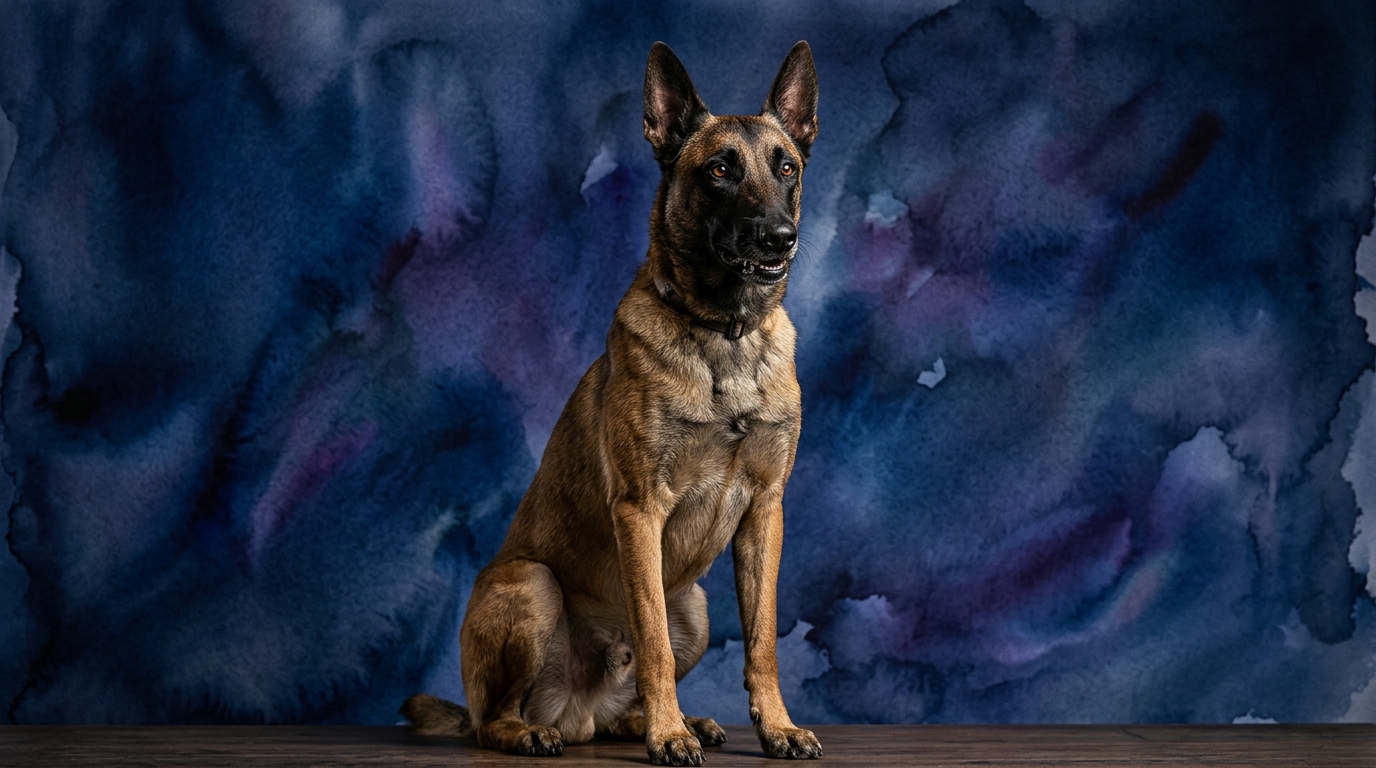
At The Cosmic Pet Pet IQ Lab, we analyze canine cognition across five crucial dimensions, offering a nuanced understanding of each breed's mental landscape. The Belgian Malinois, ranking #22 on the Coren scale, exhibits a powerful and dynamic cognitive makeup. Their Problem Solving is rated 5/5, indicating an exceptional capacity to navigate complex scenarios and devise solutions independently. Training Speed also scores 5/5, reflecting their rapid acquisition of new commands and routines. Social Intelligence, at 4/5, suggests a strong ability to interpret human cues and adapt to various social contexts. Their Instinctive Drive is a robust 5/5, fueling intense motivation for tasks and pursuits. Finally, Memory stands at an impressive 5/5, allowing them to retain vast amounts of information and experiences.
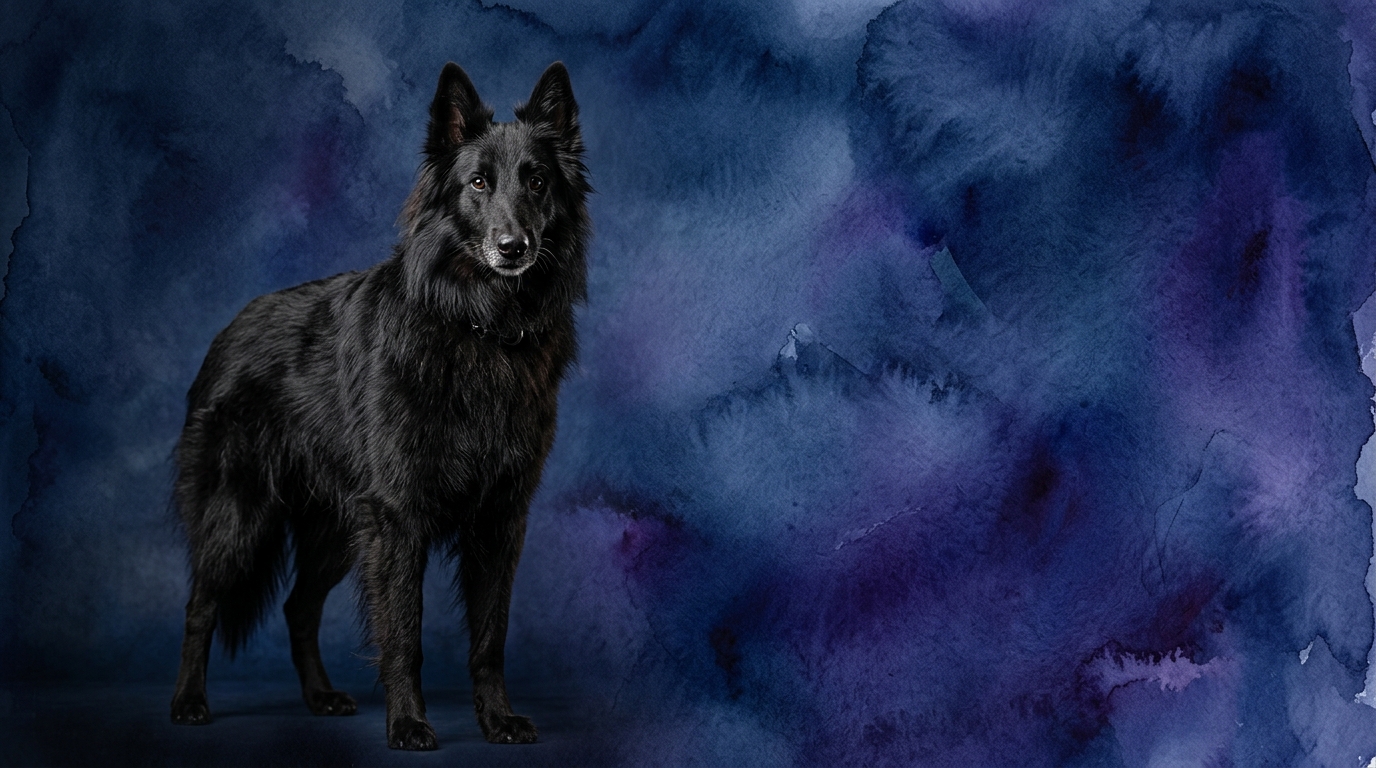
The Belgian Sheepdog, specifically the Groenendael variety, holds a higher Coren rank at #15, hinting at a distinct approach to learning and interaction. Like the Malinois, their Problem Solving is rated 5/5, demonstrating comparable abilities in tackling mental challenges. Their Training Speed also matches at 5/5, indicating an equally swift grasp of new instructions. However, Social Intelligence for the Groenendael is 3/5, suggesting a more reserved or less overtly responsive nature in social interactions compared to the Malinois. Instinctive Drive is rated 3/5, signifying a drive that is present and functional but less intense or all-consuming than their Malinois cousins. Their Memory, identical to the Malinois, is 5/5, ensuring excellent recall and retention of learned behaviors and environmental details.
Where the Belgian Malinois Wins Cognitively
The Belgian Malinois demonstrably excels in areas requiring intense self-motivation and nuanced social navigation. Their 5/5 Instinctive Drive is a significant cognitive advantage, translating into an almost boundless internal engine for work, exploration, and directed activity. This drive isn't merely physical; it's a cognitive force that propels them to engage deeply with tasks, persevere through challenges, and seek out engagement, making them relentless in scent work, protection, and agility. This means a Malinois is more likely to initiate problem-solving behaviors on its own, driven by an inherent desire to fulfill a purpose or conquer a task.
Furthermore, the Malinois's 4/5 Social Intelligence provides a cognitive edge in complex human-dog interactions and dynamic environments. This higher score means they are typically more adept at reading subtle human body language, vocal inflections, and emotional states, allowing for a more fluid and responsive partnership. In situations requiring quick adaptation to new people or varied social settings, their superior social cognition allows them to gauge situations and modify their behavior with greater precision. This makes them particularly suited for roles where they must work closely with multiple handlers or navigate public spaces with sophisticated understanding.
Where the Belgian Sheepdog (Groenendael) Wins Cognitively
While the Groenendael shares top scores in Problem Solving, Training Speed, and Memory with the Malinois, its cognitive 'wins' often manifest in a different, perhaps more focused, application of these abilities. The Groenendael's 3/5 Instinctive Drive, while lower than the Malinois, can be a distinct advantage in specific contexts. This moderated drive means they may be less prone to independent action or over-arousal in the absence of clear direction, allowing for a more controlled and predictable working partner. Owners seeking a dog that is highly capable but less inclined to initiate intense, self-directed activity might find this cognitive profile more manageable, as their energy is more readily channeled by the handler.
The Groenendael's Coren rank of #15, superior to the Malinois's #22, suggests a particular aptitude for 'working intelligence' – understanding and obeying commands quickly and consistently. This implies that while their raw 'drive' might be lower, their cognitive structure makes them exceptionally receptive to formal instruction and structured tasks. Their 3/5 Social Intelligence, while lower, can also be a win for owners who prefer a dog that forms a deep, focused bond with its primary handler without necessarily seeking extensive interaction or validation from a wider social circle. This can translate to a dog that is intensely loyal and dedicated to its immediate family, less distracted by external social stimuli, and therefore highly attentive to its handler's directives in a working environment.
Which is Easier to Train and Why?
Both the Belgian Malinois and the Belgian Sheepdog (Groenendael) boast a 5/5 Training Speed, indicating that both breeds grasp new commands with remarkable swiftness. The distinction in ease of training, however, lies not in their capacity to learn, but in the behavioral implications of their other cognitive dimensions. The Malinois, with its 5/5 Instinctive Drive, is often a self-starting learner, eager to engage and push boundaries. This means they can be incredibly quick to pick up complex sequences and problem-solving tasks, often extrapolating from previous lessons. However, this same intense drive demands consistent mental and physical engagement; an under-stimulated Malinois can channel its considerable cognitive energy into undesirable behaviors, making management a continuous, active process.
The Groenendael, with its 3/5 Instinctive Drive, might be perceived as 'easier' to train for certain owners because their drive is less overwhelming to manage. While they learn just as fast, their motivation might be more directly tied to handler interaction and structured rewards, rather than an intense internal compulsion. This can mean less independent 'mischief' born from boredom or excess energy, and a more straightforward, biddable approach to training. Their 3/5 Social Intelligence suggests they might be less prone to complex social manipulations or seeking extensive external validation, which can simplify the training dynamic by allowing for a more direct and less nuanced communication style from the handler. Essentially, both learn quickly, but the Malinois requires a handler who can match and channel its intense cognitive and physical output, while the Groenendael offers a slightly more contained and handler-focused learning experience.
Which Suits Active Owners vs. Relaxed Owners?
For owners with a genuinely active lifestyle and a desire for an engaged, high-octane partner, the Belgian Malinois is an unparalleled match. Their 5/5 Instinctive Drive and 5/5 Problem Solving mean they require constant mental and physical challenges to thrive. These are dogs that excel in demanding sports like Schutzhund, agility, and protection work, and they need an owner who can consistently provide an outlet for their intense cognitive energy. A Malinois is not a breed that will be content with a few casual walks; they demand a dedicated owner who views their dog's daily enrichment as a serious commitment, often involving structured training sessions, complex puzzle toys, and extensive outdoor activities. Their higher Social Intelligence also means they appreciate and respond well to varied social engagements, making them good partners for owners who enjoy bringing their dogs along for diverse adventures.
The Belgian Sheepdog (Groenendael), while still an active breed, suits owners who are active but perhaps not seeking the same level of relentless intensity. Their 3/5 Instinctive Drive suggests they need regular exercise and mental stimulation, but they might be more satisfied with consistent, moderate activity rather than the extreme demands of a Malinois. They are excellent companions for long hikes, obedience training, and moderate dog sports, but their needs are typically less all-consuming. Owners who appreciate a dog that is deeply loyal and engaged with the family but doesn't constantly push the boundaries of activity might find the Groenendael a better fit. Their lower Social Intelligence might also mean they are perfectly content with a smaller, more consistent social circle, making them suitable for owners who prefer a quieter home life but still want an active, engaged canine partner.
The Verdict
Choose the Belgian Malinois if you are an experienced, highly active owner eager to channel immense drive and sophisticated social awareness into demanding work or sport. They thrive with continuous challenge and a dynamic partnership.
Opt for the Belgian Sheepdog (Groenendael) if you seek an equally fast learner with a strong working ethic, but with a more contained drive and a focused loyalty that makes them a dedicated, biddable partner for active, yet perhaps less intensely demanding, lifestyles.
🧠 Find Your Pet's IQ Score
Our Pet IQ Lab assessment covers 25+ tests across 5 cognitive dimensions — personalized to your breed.
Take the Full IQ Test →Frequently Asked Questions
Do Malinois and Groenendaels learn at the same pace?
Yes, both breeds score 5/5 in Training Speed, indicating they grasp new commands and concepts with exceptional swiftness. The difference in training experience arises more from their instinctive drive and social intelligence, which influence their motivation and responsiveness.
Which breed is more social with strangers?
The Belgian Malinois, with a Social Intelligence score of 4/5, generally exhibits more adaptability and nuanced responsiveness in varied social contexts, including interactions with strangers. The Groenendael, at 3/5, tends to be more reserved or focused on its immediate family, requiring more deliberate socialization to comfortably engage with new people.
Can a Groenendael perform protection work like a Malinois?
While both breeds possess strong working capabilities, the Belgian Malinois's 5/5 Instinctive Drive makes them exceptionally suited for protection work where high prey drive and intensity are crucial. A Groenendael (3/5 Instinctive Drive) can certainly be trained for protection, but they may not exhibit the same level of inherent drive or raw intensity as a Malinois, often requiring more foundational motivation.