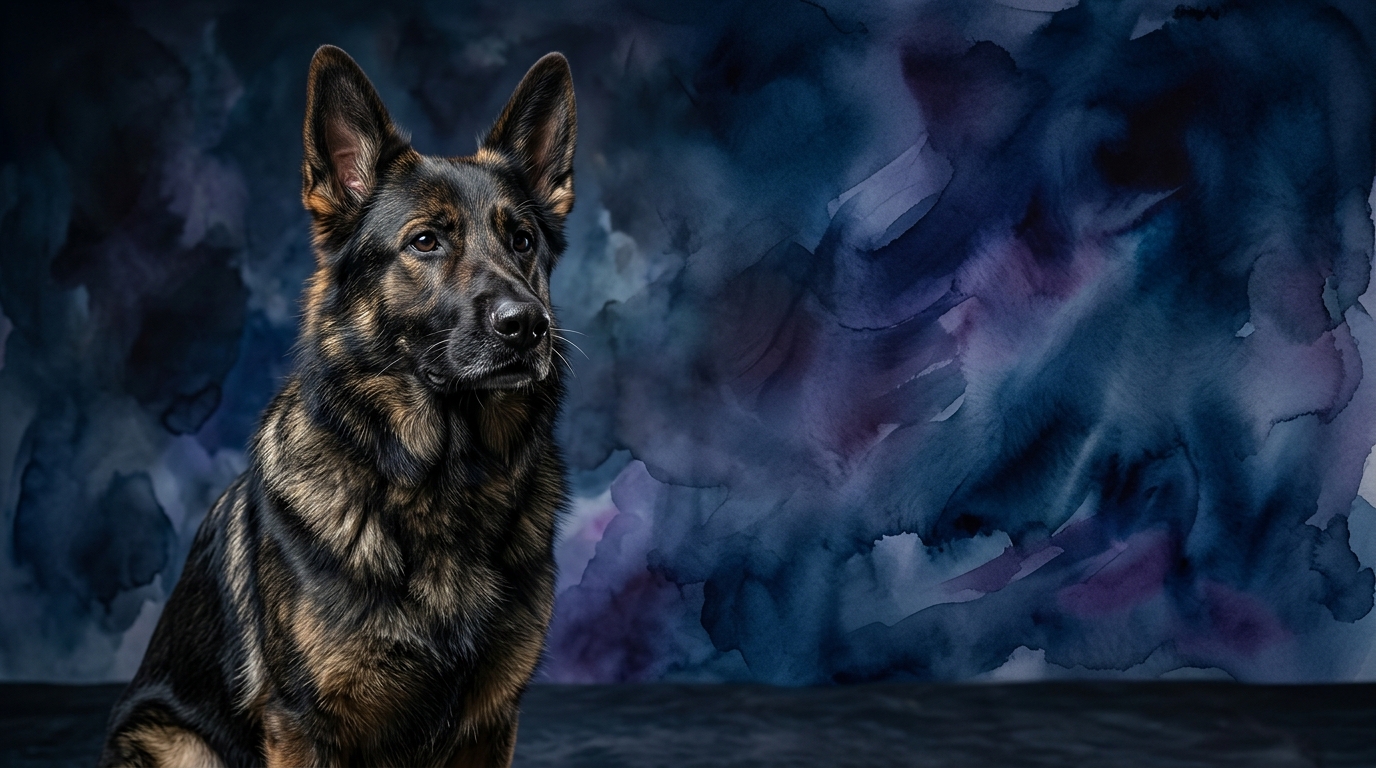
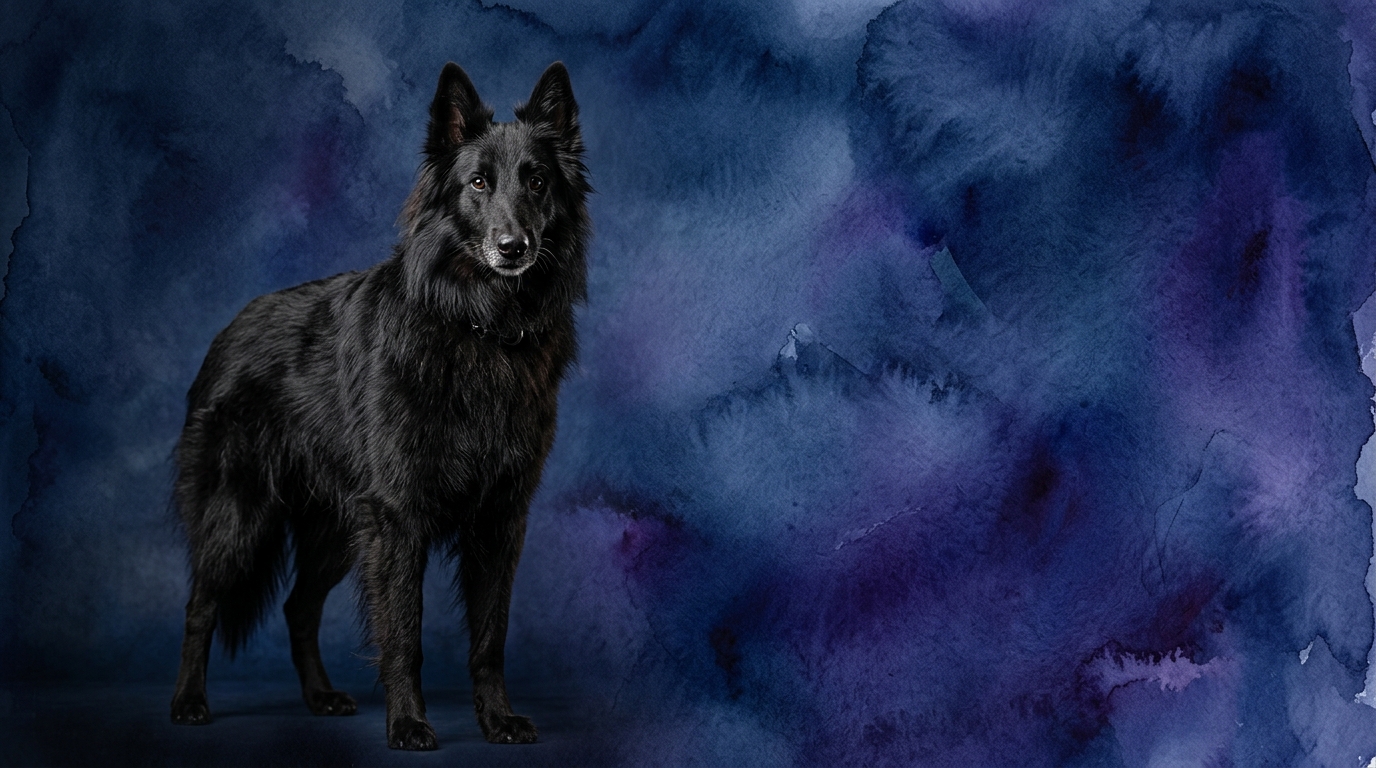
Side-by-Side IQ Profile: German Shepherd vs. Groenendael
The Cosmic Pet Pet IQ Lab offers a structured framework for evaluating canine cognition, dissecting intelligence into five critical dimensions. For the German Shepherd, a breed consistently ranked among the top working dogs, achieving Coren's #3 position, their profile is exceptional across the board. All five dimensions — Problem Solving, Training Speed, Social Intelligence, Instinctive Drive, and Memory — score a perfect 5/5. This robust cognitive architecture signifies a dog that not only comprehends novel situations and devises solutions with remarkable acumen but also absorbs new commands with exceptional swiftness. Their superior social intelligence enables them to keenly perceive and respond to human intentions, subtle body language, and complex group dynamics, making them highly adaptable in varied social settings. Furthermore, their powerful instinctive drive fuels an unwavering dedication to tasks, from herding livestock to complex protection work, while their flawless memory ensures learned behaviors are retained reliably over extended periods, contributing to their reputation as a profoundly capable working animal.
In direct comparison, the Belgian Sheepdog (Groenendael), holding a respectable Coren rank of #15, shares the German Shepherd's stellar performance in several key cognitive areas. They too achieve a perfect 5/5 in Problem Solving, Training Speed, and Memory. This parity confirms that a Groenendael possesses an equal capacity for innovative thought, rapid acquisition of new skills, and steadfast retention of information, making them formidable learners. However, their Social Intelligence and Instinctive Drive both register at 3/5. This divergence is crucial; it doesn't indicate a deficit but rather a distinct cognitive style. A Groenendael's social intelligence tends to be more reserved, often fostering an intense, almost exclusive bond with their primary caregivers and exhibiting caution or aloofness towards strangers. Similarly, their instinctive drive, while undeniably present and strong for herding and protective duties, might be more precisely channeled and less broadly expressed than a German Shepherd's, suggesting a dedicated focus on specific tasks rather than a pervasive, generalized urge for constant engagement with every environmental stimulus.
Where the German Shepherd Excels Cognitively
The German Shepherd's cognitive profile demonstrates a distinct advantage in its unparalleled balance and universal strength, particularly underscored by their 5/5 scores in both Social Intelligence and Instinctive Drive. This means a German Shepherd possesses an exceptional ability to interpret and seamlessly adjust to a vast array of social situations, rendering them extraordinarily versatile across diverse working roles. From navigating the complexities of a bustling airport as a detection dog to providing calm assistance as a therapy animal, their high social intelligence allows them to rapidly gauge human emotions, intentions, and even subtle environmental cues, thereby fostering a remarkably deep and intuitive partnership in varied contexts. This cognitive strength enables them to build rapport quickly and work effectively with multiple handlers or in public-facing roles. Moreover, their 5/5 instinctive drive translates into an almost boundless enthusiasm for work, a relentless focus on tasks, and a robust capacity to sustain engagement through demanding, prolonged efforts across disciplines. This pervasive drive ensures they remain motivated and resilient problem-solvers in dynamic, real-world scenarios that require continuous output, unwavering commitment, and the ability to adapt to new challenges on the fly.
Where the Belgian Sheepdog (Groenendael) Excels Cognitively
While the Groenendael may not surpass the German Shepherd in every numerical score, their specific cognitive architecture provides unique strengths that can be a definitive "win" for particular owners and applications. Their 3/5 Social Intelligence, for instance, often translates into a profound, almost singular devotion to their primary handler and family, cultivating an intensely loyal and focused bond that many owners find incredibly rewarding. This inherent reservation means they are less prone to distraction by external social stimuli, enabling an exceptionally concentrated and precise work ethic when paired with their trusted human. For specific high-stakes tasks where unwavering attention to the handler is paramount, this focused social energy can be an asset. Furthermore, their 3/5 Instinctive Drive, while less expansive than a German Shepherd's, can be advantageous for owners seeking a powerful working dog whose drive is more precisely channeled and less overwhelming. This focused, rather than diffuse, drive means they are less prone to generalized restlessness or seeking constant novelty, and more inclined to apply their considerable problem-solving and training speed (both 5/5) to specific, handler-directed tasks. This makes them formidable competitors in precision-based dog sports like competitive obedience or advanced agility, where a deep, almost telepathic connection with a single handler and meticulous execution are highly valued, without the added complexity of managing a broader, more pervasive drive.
Which is Easier to Train and Why?
Both breeds are gifted learners, boasting exceptional Training Speed (5/5) and Memory (5/5), which ensures they grasp and retain commands rapidly. However, the German Shepherd's perfect 5/5 in Social Intelligence and Instinctive Drive generally positions them as *easier to train* across a broader spectrum of methods, environments, and handlers. Their high social intelligence makes them inherently more eager to please and highly receptive to feedback, adapting quickly to different teaching styles, group training settings, and new human interactions. This cognitive trait allows them to form working relationships with various individuals effectively. Coupled with their powerful instinctive drive, which ensures consistent motivation and a sustained desire to work, German Shepherds are less likely to lose interest or become complacent during repetitive or prolonged training sessions, readily applying themselves to diverse tasks from basic obedience to complex scent work with enduring enthusiasm.
The Belgian Sheepdog (Groenendael), while learning with equal speed and memory, often requires a more nuanced and dedicated training approach due to their 3/5 Social Intelligence and Instinctive Drive. They typically thrive with a single, consistent handler who invests in building a deep, trusting bond, as they may be less inclined to engage openly with multiple trainers or respond as readily to new social stimuli in a training context. Their success in training hinges significantly on this strong partnership; once established, their focus is intense and unwavering. While their drive is substantial, it tends to be more internally directed or focused on the task itself rather than seeking constant broad social validation. Trainers working with a Groenendael need to understand and tap into their specific, often more reserved, motivations, providing clear, consistent guidance and positive reinforcement within that established handler-dog relationship, rather than relying on a more generalized social eagerness.
Suitability for Active vs. Relaxed Owners
It is crucial to state that neither the German Shepherd nor the Belgian Sheepdog (Groenendael) is suitable for a truly "relaxed" owner who prefers a sedentary lifestyle, as both are robust, high-energy herding breeds with profound physical and cognitive needs that demand active engagement. However, their specific cognitive profiles suggest they thrive with different *types* of active ownership.
The German Shepherd, with its 5/5 in Social Intelligence and Instinctive Drive, flourishes with highly active owners who can provide a diverse and varied range of physical and mental challenges, including frequent and varied social interactions. They excel when given multiple "jobs" or engaging in a wide array of activities such as advanced obedience, protection sports, agility, long-distance hiking with opportunities to meet new people and dogs, or even complex service dog tasks. Their comprehensive cognitive makeup demands an owner who is not only physically energetic but also creatively stimulates their problem-solving skills and consistently satisfies their strong, pervasive desire to work, explore, and interact broadly with their environment.
The Belgian Sheepdog (Groenendael), while equally requiring an active and engaged lifestyle, might be better suited for owners who are active but prefer a more focused, intense, and exclusive partnership rather than broad social engagement. Their 3/5 Social Intelligence means they might be less interested in greeting every stranger encountered on a walk or at a dog park, but they will dedicate themselves fiercely and precisely to their chosen human in structured activities like competitive obedience, agility, herding trials, or protection work. Owners who genuinely enjoy challenging dog sports, have a specific working role in mind for their canine companion, and who are prepared to be the primary, consistent source of their dog's mental and physical stimulation will find the Groenendael an exceptionally dedicated, focused, and rewarding partner.
The Verdict
Opt for a German Shepherd if you seek a versatile, highly social working partner eager to engage in diverse tasks, interact broadly, and thrive in dynamic environments requiring adaptable intelligence and sustained drive for various roles.
Select a Groenendael if you desire a deeply loyal, focused companion for specific, challenging dog sports or working tasks, appreciating a reserved social nature and a powerful, channeled drive within a strong handler-dog bond.
🧠 Find Your Pet's IQ Score
Our Pet IQ Lab assessment covers 25+ tests across 5 cognitive dimensions — personalized to your breed.
Take the Full IQ Test →Frequently Asked Questions
Do German Shepherds and Belgian Sheepdogs have similar problem-solving abilities?
Yes, according to The Cosmic Pet Pet IQ Lab, both the German Shepherd and the Belgian Sheepdog (Groenendael) score a perfect 5/5 in Problem Solving, indicating they are equally adept at figuring out new challenges and adapting to novel situations. Their capacity for independent thought and strategic action is remarkably high.
How does a Groenendael's lower social intelligence impact its family life?
A Groenendael's 3/5 social intelligence typically means they form very strong, dedicated bonds with their immediate family, often being reserved or aloof with strangers. This can result in a deeply loyal, protective family member who thrives on focused interaction with their chosen humans, rather than seeking broad social engagement.
Is one breed more prone to separation anxiety due to their intelligence profile?
Neither breed's intelligence profile directly indicates a higher predisposition to separation anxiety, as this often stems from individual temperament and early experiences. However, both breeds thrive on strong bonds and mental stimulation; a lack of engagement for either can lead to behavioral issues, including anxiety, due to their high cognitive needs.