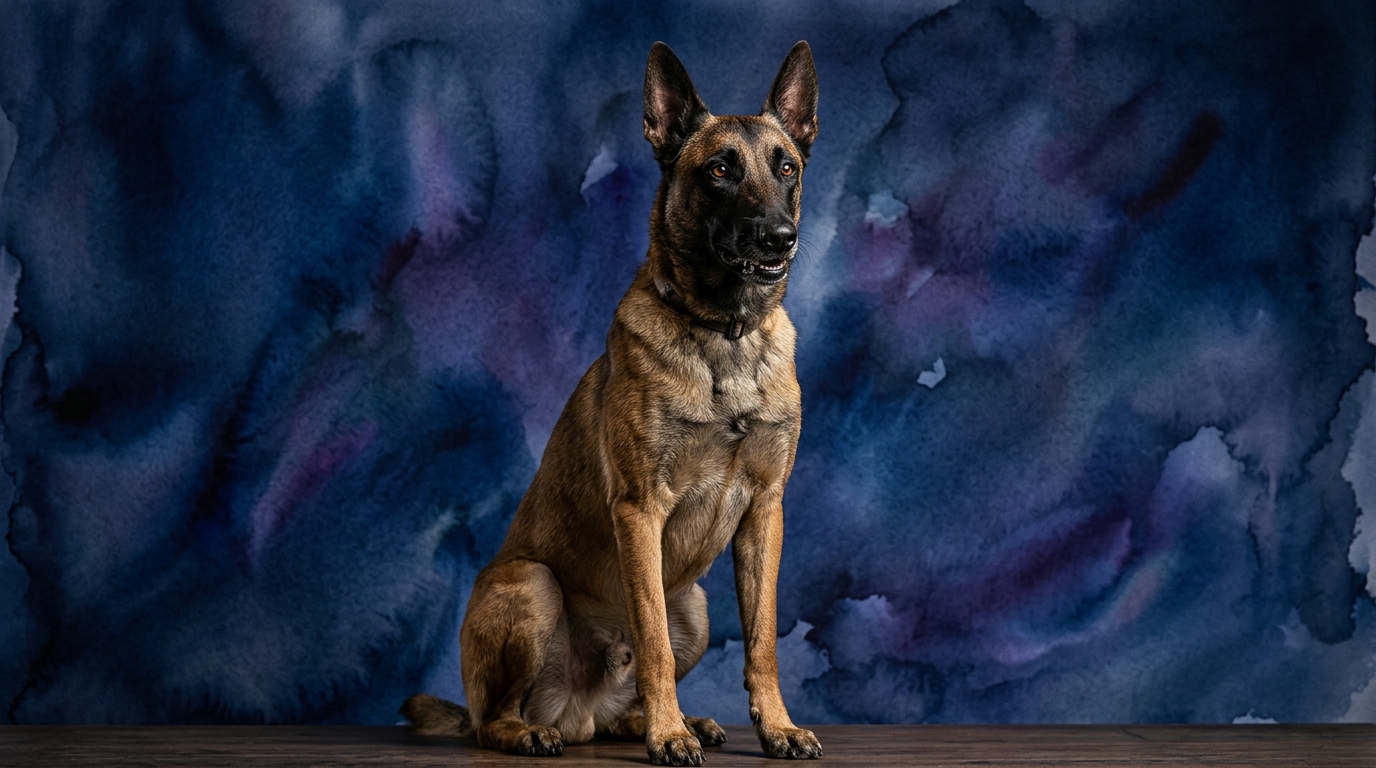
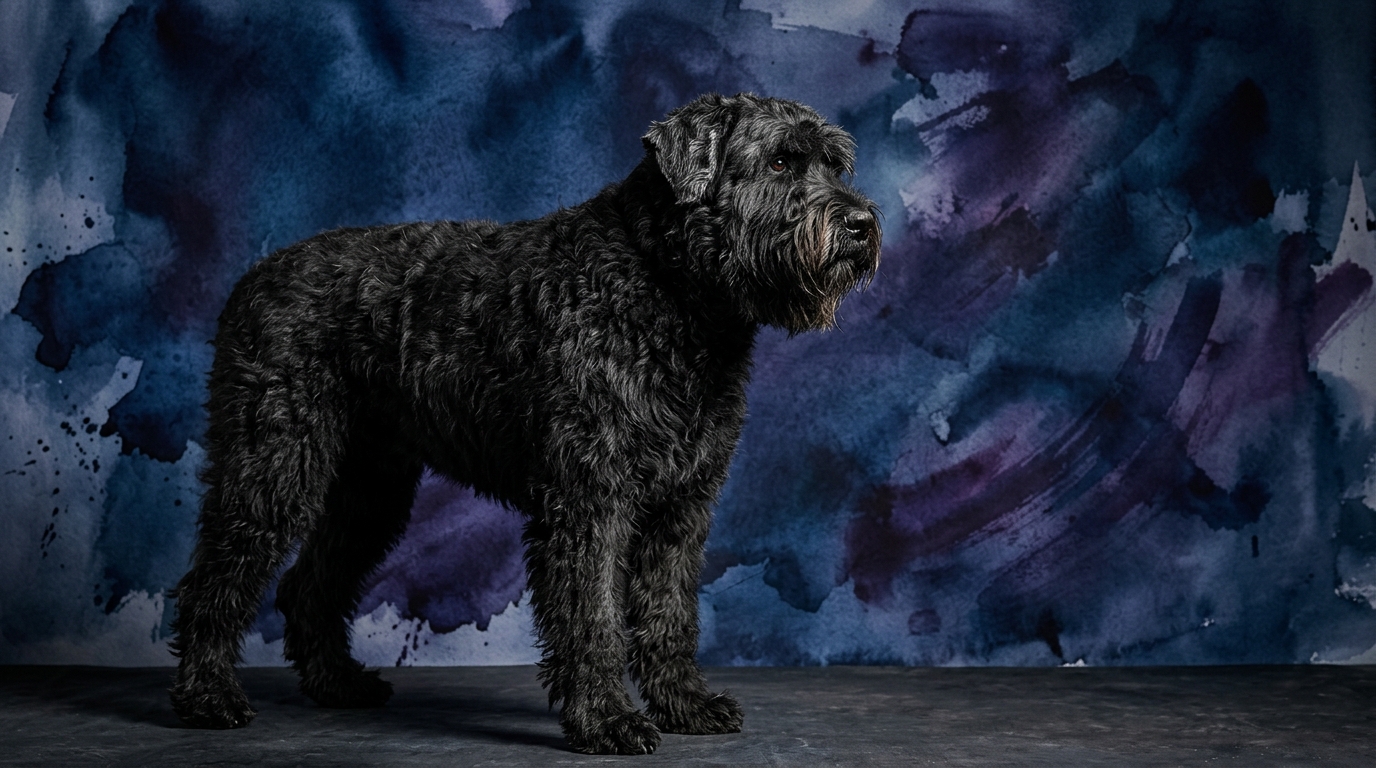
Side-by-Side Cognitive Profiles
At The Cosmic Pet Pet IQ Lab, we dissect canine cognition into five key dimensions to offer a clearer picture of each breed's mental makeup. For the Belgian Malinois, a breed recognized for its intense focus and adaptability, these dimensions paint a picture of relentless mental energy. Their Problem Solving is rated 5/5, indicating an exceptional capacity to analyze novel situations and devise effective solutions, often with minimal guidance. Training Speed also scores 5/5, meaning they grasp new commands and complex sequences with remarkable swiftness, requiring fewer repetitions than most breeds. Social Intelligence, at 4/5, points to a strong ability to interpret human cues and intentions, fostering a deep, albeit intense, working partnership. Their Instinctive Drive is a perfect 5/5, reflecting an inherent, powerful urge to work, herd, and protect, which fuels their engagement. Finally, Memory, also 5/5, highlights their superb retention of learned behaviors and experiences, enabling them to perform intricate tasks reliably over time.
The Bouvier des Flandres, while equally capable in its own right, presents a different cognitive blueprint. Their Problem Solving is rated 3/5, suggesting a more methodical approach to new challenges, preferring established patterns over spontaneous innovation. Training Speed, at 3/5, indicates they are steady learners, absorbing information consistently but requiring more patient repetition to solidify new commands. Social Intelligence, also 3/5, signifies a loyal and perceptive bond with their immediate family, though they tend to be more reserved and less overtly expressive with strangers. Their Instinctive Drive, a moderate 3/5, means they possess a strong working ethic but without the relentless intensity seen in some high-drive breeds. Memory, rated 3/5, ensures they retain routines and commands effectively, though perhaps not with the same capacity for complex, multi-layered recall as their Malinois counterparts.
Where the Belgian Malinois Excels Cognitively
The Belgian Malinois’s cognitive strengths are particularly evident in scenarios demanding rapid processing and proactive engagement. Their 5/5 problem-solving ability means they don't just react; they anticipate and strategize, often independently. This makes them adept at tasks requiring on-the-fly adjustments, such as navigating complex agility courses or tracking in varied environments. Their rapid training speed isn't merely about obedience; it reflects an impressive capacity for generalization, applying learned principles to new situations. They can quickly extrapolate from specific examples to broader concepts, accelerating their mastery of diverse skills. Furthermore, their perfect 5/5 memory allows them to build vast repertoires of behaviors and recall them instantly, making them unparalleled in fields like protection work or search and rescue where precision under pressure is paramount. This combination of swift learning, deep retention, and proactive problem-solving places them in a league of their own for demanding, dynamic work.
Their elevated social intelligence, rated 4/5, allows them to form incredibly tight bonds and read their handler's subtle cues with precision, essential for synchronized performance in high-stakes environments. This isn't a passive understanding; it's an active partnership where the Malinois is often trying to fulfill perceived handler expectations before being explicitly asked. Coupled with their intense instinctive drive, this means they are perpetually seeking opportunities to engage their minds and bodies, thriving on challenging tasks that leverage their full cognitive potential. They don't just learn; they immerse themselves in the learning process, finding intrinsic reward in mastering complex mental puzzles.
Where the Bouvier des Flandres Shows Unique Cognitive Strengths
While the Bouvier des Flandres may not exhibit the same explosive cognitive speed, their strengths lie in a different, equally valuable approach: steadfastness and deliberate processing. Their 3/5 problem-solving rating suggests a preference for methodical reasoning; once they grasp a concept, they apply it with unwavering consistency. This means fewer impulsive errors and a reliability born from careful consideration rather than rapid improvisation. In roles demanding a steady hand and predictable execution, such as farm work where routines are key, this cognitive style is highly advantageous. They are less likely to be distracted by novel stimuli or to deviate from a learned procedure, offering a dependable presence.
Their moderate 3/5 instinctive drive and memory also contribute to a different kind of working ethic. While they may not seek out constant, high-intensity mental stimulation, they excel at tasks that require sustained focus and a calm demeanor. Their memory, while not 5/5, is more than sufficient for retaining essential commands and routines, ensuring a reliable partner for daily tasks. The Bouvier's 3/5 social intelligence, often manifesting as a reserved but deeply loyal nature, means they form profound connections without the constant demand for interaction seen in more effusive breeds. This can translate to a calm, observant companion who is perceptive without being overwhelming, offering a quiet strength and unwavering dedication once a bond is formed and expectations are clear. Their cognitive profile supports a dog that is a thoughtful, consistent worker, rather than a lightning-fast improviser.
Training Dynamics: Malinois vs. Bouvier
When it comes to training, the differences in their cognitive profiles become particularly apparent. The Belgian Malinois, with its 5/5 training speed and problem-solving, can be incredibly 'easy' to train in the sense that they pick up new concepts with astonishing rapidity and few repetitions. Their high instinctive drive means they are eager to work and are highly motivated by task-oriented rewards, often finding the work itself intrinsically satisfying. However, this ease comes with a caveat: their intensity and sharp problem-solving can also make them challenging for inexperienced handlers. If not properly channeled, their intelligence can be used to 'problem-solve' ways around commands or to develop unwanted behaviors out of boredom or frustration. They require a trainer who is equally sharp, consistent, and capable of staying several steps ahead.
The Bouvier des Flandres, with its 3/5 training speed and problem-solving, requires a different approach. They are not 'hard' to train, but they are deliberate learners. Patience and consistency are paramount; they thrive on clear, unambiguous instructions and benefit from more repetitions to solidify new behaviors. Their moderate instinctive drive means that while they are willing workers, their motivation might need to be carefully cultivated and maintained with positive reinforcement. Unlike the Malinois, they are less likely to try to outsmart their trainer, preferring to stick to established routines. This makes them an excellent choice for trainers who appreciate a steady, predictable learning curve and are prepared to invest the time in building a solid foundation through consistent, positive methods. Their reserved social intelligence also means they might not offer as much 'feedback' during training, requiring the handler to be attentive to subtle cues of understanding or confusion.
Matching Breeds to Lifestyles: Active vs. Relaxed Owners
Understanding these cognitive differences is crucial for matching a dog to an owner's lifestyle. The Belgian Malinois is unequivocally a breed for highly active, experienced owners. Their 5/5 instinctive drive and problem-solving capacity demand constant mental and physical engagement. They are happiest when they have a 'job' – be it advanced obedience, protection sports, agility, or extensive daily training sessions. An under-stimulated Malinois will quickly become a destructive, anxious, or hyperactive companion, channeling their formidable intellect and energy into inappropriate outlets. They thrive with owners who are committed to structured activities, consistent boundaries, and who view dog ownership as an active partnership requiring significant daily investment.
The Bouvier des Flandres, while still a working breed, suits a moderately active lifestyle. Their 3/5 instinctive drive and problem-solving mean they require regular exercise and mental stimulation, but not with the same relentless intensity as the Malinois. They enjoy structured walks, engaging in herding games, and consistent training, but can also be content settling down at home after their needs are met. They are a good fit for owners who appreciate a robust, capable companion for outdoor activities but who also value a calmer presence indoors. While they still need mental engagement to prevent boredom, their needs are more manageable for an owner who might not be looking for a full-time, high-octane training partner, preferring a more balanced routine. They adapt well to a family environment where they can be part of daily activities without needing constant, demanding 'work'.
The Verdict
Choose the Belgian Malinois if you are an experienced, dedicated owner seeking a high-octane partner for advanced training, dog sports, or demanding working roles, prepared to meet their profound cognitive and physical needs.
Opt for the Bouvier des Flandres if you appreciate a steadfast, methodical companion for a moderately active lifestyle, valuing consistency and a less frenetic pace in training and daily interaction.
🧠 Find Your Pet's IQ Score
Our Pet IQ Lab assessment covers 25+ tests across 5 cognitive dimensions — personalized to your breed.
Take the Full IQ Test →Frequently Asked Questions
Is the Belgian Malinois too much dog for a first-time owner?
Generally, yes. Their extreme drive, problem-solving ability, and training speed demand an experienced handler who can channel their intensity appropriately and consistently to prevent behavioral issues.
How does the Bouvier des Flandres' social intelligence manifest?
The Bouvier's social intelligence, rated 3/5, suggests they form deep, loyal bonds with their family but can be reserved or discerning with strangers, preferring a quiet, observant approach rather than overt friendliness.
What kind of 'job' is best for a Bouvier des Flandres?
Bouviers excel in roles requiring steadfastness and consistency, such as farm work, guard duty, or therapy work where their calm demeanor and reliable memory are assets, rather than high-speed, complex tasks.