
Side-by-Side IQ Profile
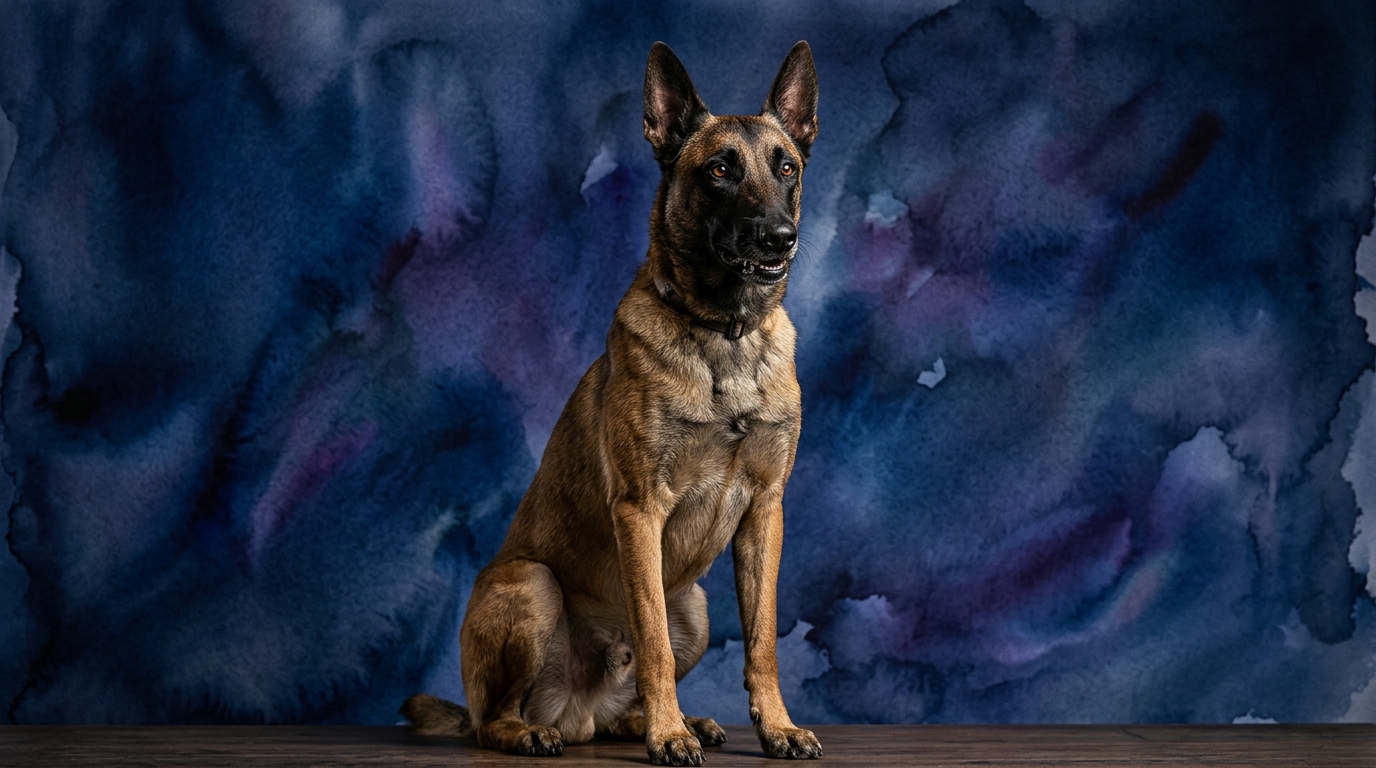
The Cosmic Pet Pet IQ Lab categorizes canine intelligence across five key dimensions, offering a nuanced look at how breeds process information and interact with their environment. The Belgian Malinois, a Herding breed, consistently scores at the highest echelons, reflecting its heritage of complex, dynamic work. Its Problem Solving is rated 5/5, indicating an exceptional capacity to analyze novel situations and devise effective solutions rapidly. Training Speed also stands at 5/5, meaning new commands and behaviors are acquired with remarkable swiftness and minimal repetition. Social Intelligence, at 4/5, suggests a strong ability to interpret human cues and adapt behavior accordingly, though perhaps with a more task-oriented focus than some companion breeds. An Instinctive Drive of 5/5 highlights an innate, powerful urge to work and fulfill a purpose, often manifesting as intense focus and determination. Finally, Memory is also 5/5, underscoring their ability to retain vast amounts of information, from complex command sequences to environmental details, over long periods.
In contrast, the Bullmastiff, a Working breed, presents a different cognitive profile, tailored to its role as a formidable but composed guardian. Each of its IQ dimensions – Problem Solving, Training Speed, Social Intelligence, Instinctive Drive, and Memory – is rated 3/5. This does not imply a lack of mental capacity but rather a preference for a more measured, often deliberate, approach to cognitive tasks. Their 3/5 Problem Solving suggests they can resolve common issues but might require more time or rely on learned routines rather than spontaneous innovation. A Training Speed of 3/5 indicates that while trainable, they require consistent, patient instruction and more repetitions to solidify new behaviors compared to their Herding counterparts. Social Intelligence at 3/5 points to a discerning nature; they are capable of understanding human intent but might be less overtly expressive or attuned to subtle social nuances outside their immediate circle. Their 3/5 Instinctive Drive means they possess a natural guarding inclination but are not constantly seeking a 'job' or high-intensity engagement in the same way a herding dog might. Lastly, a Memory score of 3/5 suggests they retain essential information for daily life and routines, though perhaps not the intricate, multi-layered data a Malinois might hold.
Where Belgian Malinois Wins Cognitively
The Belgian Malinois's cognitive advantages are evident across the board, particularly in areas demanding rapid processing and sustained mental exertion. Their 5/5 Problem Solving means they excel at tasks requiring quick analysis and adaptation, whether it’s navigating an agility course with unforeseen obstacles or deciphering complex scent trails. This breed doesn't just react; it actively strategizes. Coupled with their 5/5 Training Speed, they absorb new information like sponges, quickly linking actions to consequences and mastering intricate command chains that would overwhelm many other breeds. This makes them exceptionally adept at advanced obedience, protection work, and specialized detection roles where precision and speed are paramount.
Furthermore, the Malinois's 5/5 Instinctive Drive fuels an almost insatiable desire for purpose and engagement. This isn't merely boundless energy; it's a cognitive engine that drives them to seek out and engage with challenges, processing information related to their 'work' with intense focus. Their 5/5 Memory ensures that once a solution is found or a command is learned, it is deeply ingrained, allowing for consistent, reliable performance even after long periods. This combination of swift learning, deep retention, and an unyielding drive positions the Malinois as a cognitive powerhouse, capable of sustained, high-level mental performance in demanding environments. Their 4/5 Social Intelligence, while not perfect, enables them to form strong working partnerships, keenly observing handler cues and anticipating next steps in a collaborative effort.
Where Bullmastiff Wins Cognitively
While the Bullmastiff's cognitive profile might appear less flashy than the Malinois's, its strengths lie in areas that prioritize stability, discernment, and a grounded presence. Their 3/5 scores across all dimensions translate into a cognitive approach that is often more deliberate and less prone to overthinking or hyper-reactivity. Their Problem Solving, though rated 3/5, is effective for established routines and predictable challenges; they might not invent novel solutions on the fly, but they consistently apply learned strategies to maintain order and security. This deliberate processing can lead to a more stable temperament, less prone to anxiety from unexpected stimuli, provided they have clear guidance.
The Bullmastiff's 3/5 Social Intelligence manifests as a discerning loyalty. They may not be as outwardly effusive or immediately responsive to every stranger's nuance, but they form deep, unwavering bonds with their immediate family, demonstrating a profound understanding of their household dynamics. Their cognitive strength here lies in their ability to assess threats and remain composed, relying on a thoughtful interpretation of social cues rather than immediate, high-energy responses. Their 3/5 Instinctive Drive, while lower than a Malinois's, is perfectly suited for a guardian whose primary role is watchful presence rather than constant action. This means they are less likely to create their own 'jobs' out of boredom, preferring to observe and react only when truly necessary. Their memory, at 3/5, is more than adequate for remembering family members, household rules, and daily routines, contributing to their reliable and predictable nature within their established territory.
Which Is Easier to Train and Why
When it comes to ease of training, the Belgian Malinois holds a significant advantage, largely due to its 5/5 Training Speed and 5/5 Memory. These dogs possess an innate eagerness to learn and please, combined with the cognitive capacity to grasp complex concepts rapidly. They thrive on structure and mental challenges, often anticipating commands and responding with precision. Their high instinctive drive means they are inherently motivated to work and engage, making them highly receptive to positive reinforcement training methods that channel their energy and focus. A Malinois learns a new trick or command with minimal repetitions, and once learned, it is rarely forgotten, contributing to their reputation for exceptional obedience and performance in demanding roles.
The Bullmastiff, with a 3/5 Training Speed and 3/5 Memory, presents a different training experience. While certainly trainable, they require a more patient, consistent, and reward-based approach. New concepts take longer to solidify, necessitating more repetitions and a slower progression through training stages. Their lower instinctive drive means they are less inherently driven to perform complex tasks simply for the sake of working; motivation often needs to be carefully cultivated through high-value rewards and engaging sessions. Bullmastiffs can become bored or stubborn if training is repetitive or lacks excitement, so trainers must be creative and maintain a positive, encouraging environment. Their loyalty means they will learn for their beloved owners, but their cognitive processing style dictates a less rapid and more deliberate learning curve.
Which Suits Active Owners vs Relaxed Owners
The choice between these two breeds heavily depends on an owner's lifestyle and capacity for engagement. The Belgian Malinois is undeniably suited for active owners who can match their dog's boundless energy and cognitive demands. These are individuals who enjoy intense physical activity like running, hiking, or dog sports, and who are prepared to dedicate significant time daily to structured training, problem-solving games, and a clear 'job' for their dog. Malinois thrive in environments where their minds are constantly stimulated, and their physical needs are met with vigor. They are not content with casual walks and backyard access; they require a partnership built on purposeful activity and mental engagement to prevent boredom and potential destructive behaviors.
Conversely, the Bullmastiff typically suits more relaxed owners who appreciate a steadfast, calm companion. While they still require regular exercise to maintain health and prevent obesity, their needs are generally met with moderate daily walks and playtime. These owners value a dog that is content to lounge by their side, acting as a watchful presence rather than constantly seeking high-intensity tasks. Bullmastiffs thrive in stable, predictable home environments where routines are clear, and affection is abundant. Their lower instinctive drive means they are less likely to create their own entertainment, making them a more manageable fit for individuals or families seeking a devoted, protective, but generally tranquil canine presence without the constant cognitive demands of a Malinois.
The Verdict
Choose a Belgian Malinois if you are an experienced, highly active owner seeking a demanding, brilliant working partner for advanced training, sports, or protection roles, ready to invest heavily in their mental and physical stimulation.
Choose a Bullmastiff if you desire a loyal, steadfast, and protective companion for a calmer home environment, valuing their deliberate nature and requiring consistent, patient training for a stable family guardian.
🧠 Find Your Pet's IQ Score
Our Pet IQ Lab assessment covers 25+ tests across 5 cognitive dimensions — personalized to your breed.
Take the Full IQ Test →Frequently Asked Questions
Can a Bullmastiff be trained for advanced tasks like a Malinois?
While a Bullmastiff can learn many commands, their 3/5 training speed and problem-solving mean they will generally not achieve the same level of speed, precision, or complexity in advanced tasks as a Malinois. They are more suited to roles requiring steady presence and discernment rather than intricate, rapid-fire responses.
What are the biggest challenges of owning a Belgian Malinois?
The biggest challenges include managing their intense energy and high instinctive drive, which can lead to destructive behaviors or anxiety if not properly channeled through extensive training, mental stimulation, and physical exercise. Their high cognitive demands mean they require a dedicated owner capable of consistent, engaging leadership.
Does a lower IQ score mean a dog is less loyal or affectionate?
Absolutely not. IQ scores measure cognitive abilities related to problem-solving, training, and drive, not emotional capacity or loyalty. A Bullmastiff's 3/5 social intelligence indicates a discerning nature, but they form incredibly deep, devoted bonds with their families, often expressing affection in a calm, steadfast manner.