A Tale of Two Herders: IQ Profiles Unpacked
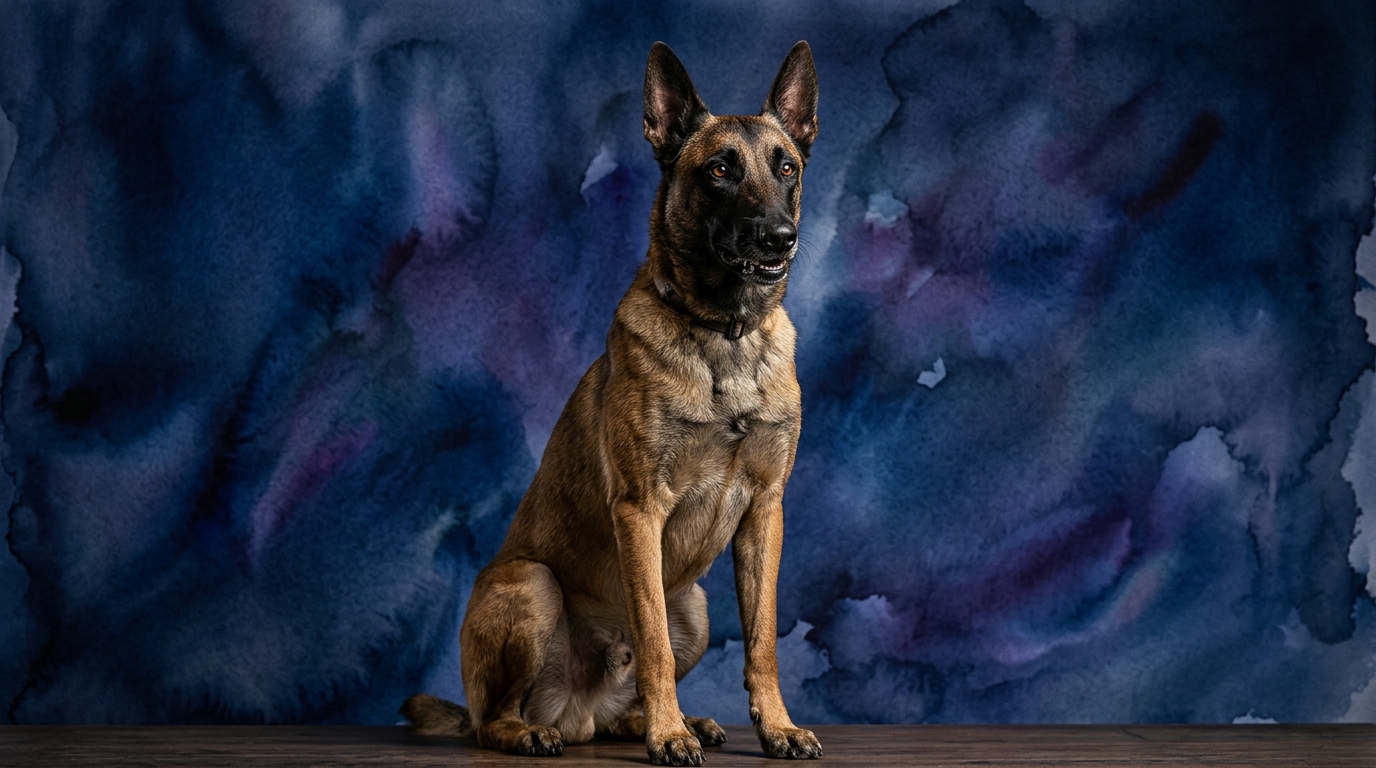
The Belgian Malinois, a robust herding dog, registers a Coren rank of #22, reflecting its exceptional capacity for obedience and working intelligence. Its IQ profile paints a picture of intense mental prowess: a perfect 5/5 for Problem Solving, Training Speed, Instinctive Drive, and Memory, with a solid 4/5 for Social Intelligence. This breed is engineered for precision and performance, demonstrating an unparalleled ability to process information and execute complex commands with remarkable efficiency.
Their 5/5 Problem Solving score signifies an innate ability to analyze intricate situations, devise effective strategies, and adapt to novel challenges, often with minimal guidance. The 5/5 Training Speed indicates an astonishing capacity to grasp new concepts and behaviors almost instantly, requiring very few repetitions to ingrain a skill. A 5/5 in Instinctive Drive highlights a profound internal motivation for work, herding, protection, or scent detection, fueling their relentless pursuit of tasks. Their 5/5 Memory ensures superior recall of vast repertoires of commands, routines, and environmental details, making them incredibly reliable in demanding roles. While their Social Intelligence at 4/5 suggests they are adept at reading human intentions and cues, their engagement is often task-oriented and less about generalized social bonding than some other breeds.
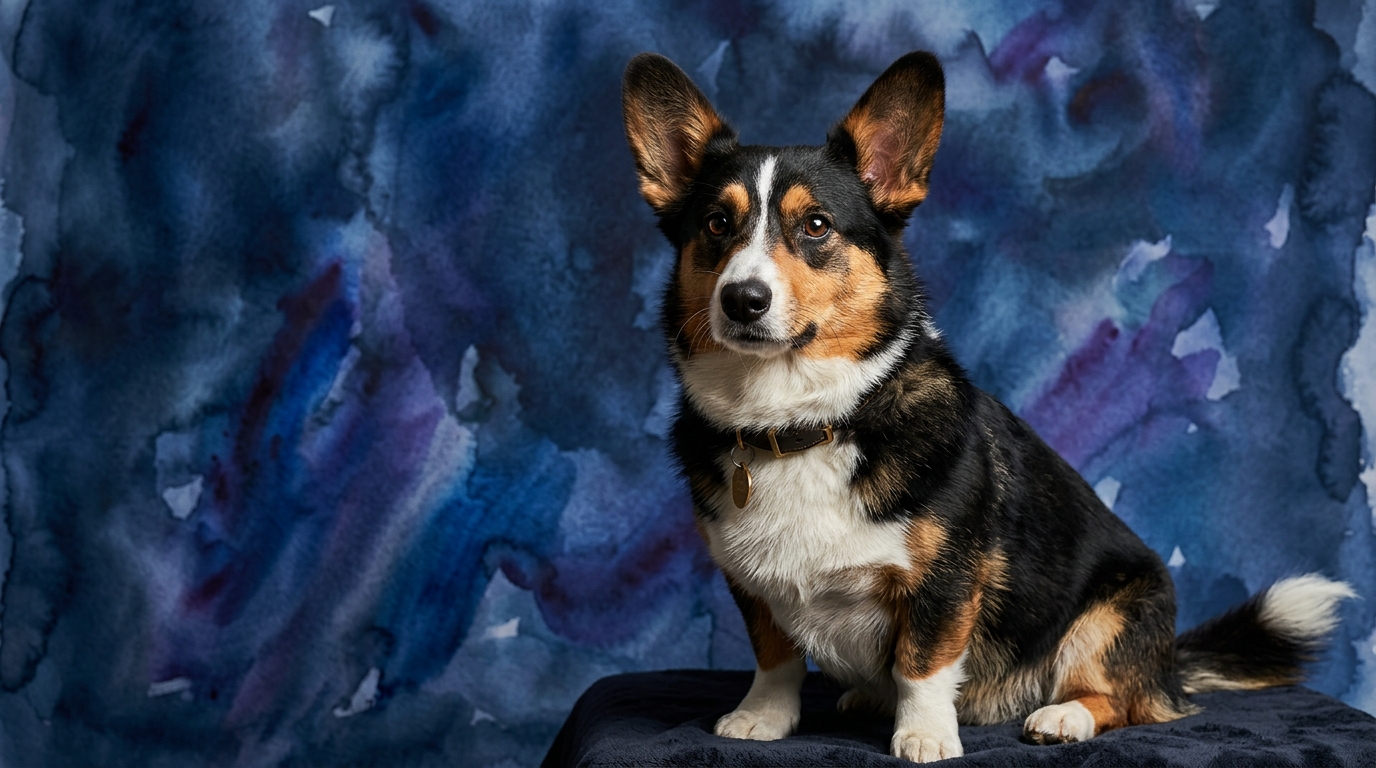
In contrast, the Cardigan Welsh Corgi, another esteemed herding breed, holds a Coren rank of #26, indicating a strong but different approach to working intelligence. Its IQ dimensions present a balanced and practical intellect: 4/5 for Problem Solving, Training Speed, and Memory, alongside a 3/5 for Social Intelligence and Instinctive Drive. This profile speaks to a breed that is clever and capable, designed for independent decision-making within its herding role, often exhibiting a charmingly stubborn streak.
The Corgi's 4/5 Problem Solving score reflects a solid capacity to navigate daily challenges and figure out solutions, sometimes employing creative or even manipulative tactics. Their 4/5 Training Speed shows they learn efficiently, though they might demand more motivational consistency and positive reinforcement to maintain engagement compared to a Malinois. A 3/5 in Social Intelligence means they are generally friendly and aware of their human companions, but their social interactions can be more independent, often prioritizing their own desires over strict compliance. Their 3/5 Instinctive Drive points to residual herding behaviors, like nipping at heels, but these drives are typically less intense and all-consuming than those of a high-octane working breed. Finally, their 4/5 Memory allows them to retain commands and routines effectively, contributing to their reliability as companions, albeit with a slightly different operational style.
Malinois: The Peak Performer's Cognitive Edge
The Belgian Malinois demonstrably excels in areas demanding intense focus and operational precision. Their perfect 5/5 in Problem Solving allows them to dissect complex, multi-stage tasks with unparalleled analytical skill, making them ideal for roles requiring intricate decision-making under pressure, such as police work or search and rescue. This isn't just about speed; it's about the depth of their cognitive processing, enabling them to understand and execute elaborate protocols.
Their 5/5 Training Speed is a clear cognitive advantage when it comes to rapid skill acquisition and the precise execution of commands. A Malinois can master a new obedience routine or a protection sequence in significantly fewer repetitions than most breeds, integrating new information into their extensive memory banks with remarkable efficiency. This translates directly into a dog that can be molded into a highly specialized working partner with relatively swift progress. The combination of their exceptional memory and training speed means they rarely forget what they've learned, maintaining a high level of performance over time.
Furthermore, the Malinois's 5/5 Instinctive Drive provides an inherent, powerful motivation that fuels their cognitive engagement. This isn't just a physical attribute; it's a mental engine that drives them to seek and complete tasks, making them relentless in their pursuit of objectives. This deep-seated drive translates into an enduring work ethic and an unwavering commitment to their duties, allowing them to sustain high levels of cognitive effort through prolonged or challenging assignments where other breeds might falter.
Corgi: Cleverness in Compact Form
While the Malinois excels in raw power and precision, the Cardigan Welsh Corgi shines in its own unique cognitive domains, particularly concerning adaptability within a domestic context. Their 4/5 Problem Solving, though not as intense as the Malinois, often manifests as a clever, independent thought process. Corgis are adept at figuring out household routines, manipulating situations for their benefit, or devising creative solutions to perceived obstacles, like how to get an extra treat or navigate a closed door with surprising ingenuity.
The Corgi's 3/5 Social Intelligence, while lower than the Malinois's, doesn't imply a lack of awareness; rather, it suggests a more independent and self-directed social approach. They are generally friendly and attuned to their family's emotions, but they might prioritize their own comfort or desires, occasionally opting for charming stubbornness over immediate compliance. This distinct social style means they often engage with humans on their own terms, fostering a relationship built on mutual understanding and negotiation rather than pure subservience, which many owners find endearing and intellectually stimulating.
Their 3/5 Instinctive Drive, while less pronounced than the Malinois's, is a cognitive advantage for pet owners not seeking a dedicated working partner. It means their herding instincts, though present, are more manageable and less likely to overwhelm a typical household environment. This allows their cognitive energy to be directed towards companionable activities, learning tricks, or engaging in clever games, without the constant need for intense, job-specific outlets that a Malinois demands. Their robust 4/5 memory ensures they retain important family routines and boundaries, contributing to a harmonious household.
Training Dynamics: Speed vs. Sagacity
When evaluating ease of training, the Belgian Malinois undoubtedly offers a faster acquisition of skills due to its 5/5 Training Speed and unparalleled focus. These dogs absorb commands with astonishing rapidity, often understanding a new cue after just a few repetitions. Their powerful instinctive drive means they are intrinsically motivated to work and please their handler, provided that handler is experienced, confident, and consistent. This inherent drive and quick learning curve make them appear 'easier' to train for complex tasks, but only for an individual who can channel their immense mental and physical energy effectively.
However, this speed comes with a caveat: the Malinois's intensity demands an equally intense and knowledgeable trainer. Their high problem-solving capacity means they will quickly identify inconsistencies or weaknesses in training methods, potentially developing unwanted behaviors if not managed expertly. Their strong instinctive drives require constant, appropriate outlets; without purpose, their cognitive energy can manifest as destructive behaviors or anxious tendencies, making them challenging for novices. They require a sophisticated understanding of canine behavior and motivation.
The Cardigan Welsh Corgi, with its 4/5 Training Speed, learns efficiently but typically requires more patience and consistent positive reinforcement than a Malinois. Corgis possess an independent streak, a remnant of their historical role as herders who often worked without direct human supervision, making their own decisions. This means they might take longer to generalize commands or may decide a particular command isn't worth their effort without sufficient motivation. Training a Corgi is less about raw speed and more about building a strong, trusting relationship and making learning fun and rewarding.
Their 3/5 Social Intelligence can translate into a charming but sometimes willful demeanor during training; they are less inclined to blindly obey and more prone to weigh the benefits of compliance. While they certainly can achieve high levels of obedience, their training journey often involves more negotiation and creative motivational strategies. For the average pet owner, the Corgi’s trainable nature, combined with less overwhelming drives, often makes them a more accessible and rewarding training partner, even if the progress isn't as lightning-fast as with a Malinois.
Matching Minds to Lifestyles: Activity and Engagement
The Belgian Malinois is unequivocally suited for highly active owners who are prepared to integrate their dog into a demanding, structured lifestyle. Their 5/5 Instinctive Drive and 5/5 Problem Solving capabilities mean they require constant mental and physical engagement, far beyond simple walks or yard play. These dogs thrive when given a 'job' – be it advanced obedience, agility, protection sports, scent work, or competitive dog sports. An owner must be dedicated to providing multiple hours of intense, focused activity daily, coupled with rigorous training sessions to satisfy their profound cognitive needs. Without this outlet, their immense mental energy can quickly become destructive or lead to behavioral issues, making them a poor fit for a relaxed or sedentary household.
Conversely, the Cardigan Welsh Corgi is a better match for moderately active owners who appreciate a clever and engaging companion without the overwhelming demands of a high-drive working dog. While Corgis certainly enjoy walks, playtime, and mental challenges like puzzle toys or trick training, their 3/5 Instinctive Drive is more manageable for a typical family environment. They enjoy being involved in family activities and appreciate consistent, stimulating interactions, but they do not typically require the same level of intense, structured work as a Malinois. They are content with a balance of activity and relaxation, making them suitable for owners who enjoy daily walks and training but might not be pursuing elite dog sports or professional working roles.
The Verdict
Choose the Belgian Malinois if you are an experienced, dedicated owner seeking a highly driven, intelligent partner for advanced training, competitive dog sports, or professional working roles, prepared to meet their profound mental and physical demands daily.
Opt for the Cardigan Welsh Corgi if you appreciate a clever, adaptable, and sometimes opinionated companion who thrives on moderate activity and engaging interactions within a family setting, without the intensity of a dedicated working dog.
🧠 Find Your Pet's IQ Score
Our Pet IQ Lab assessment covers 25+ tests across 5 cognitive dimensions — personalized to your breed.
Take the Full IQ Test →Frequently Asked Questions
Do Belgian Malinois make good family pets?
While Malinois can be devoted to their families, their intense drives and profound cognitive needs mean they require significant structure, training, and mental stimulation. They are best suited for experienced owners who can provide a 'job' and consistent guidance, rather than a typical relaxed family pet role.
Are Cardigan Welsh Corgis difficult to train due to their independence?
Cardigan Welsh Corgis are intelligent and trainable, but their independent streak means they respond best to consistent positive reinforcement and engaging training methods. They may require more patience than a Malinois, but their cleverness makes them rewarding partners for owners who enjoy thoughtful, motivational training.
Which breed is better for apartment living?
Between these two, the Cardigan Welsh Corgi is generally better suited for apartment living, provided they receive regular walks and mental stimulation. A Belgian Malinois, with its extreme energy and cognitive demands, typically requires more space and extensive daily outlets than an apartment can usually provide comfortably.