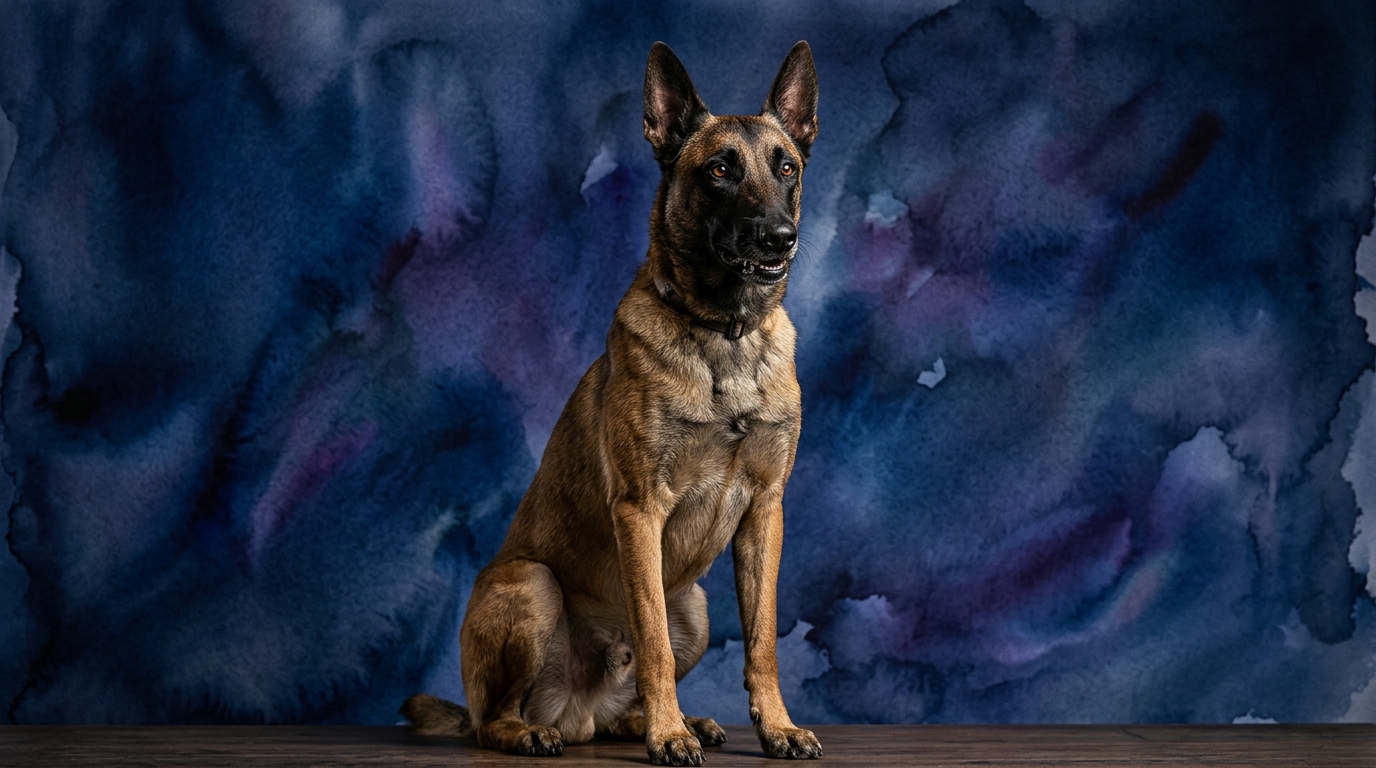
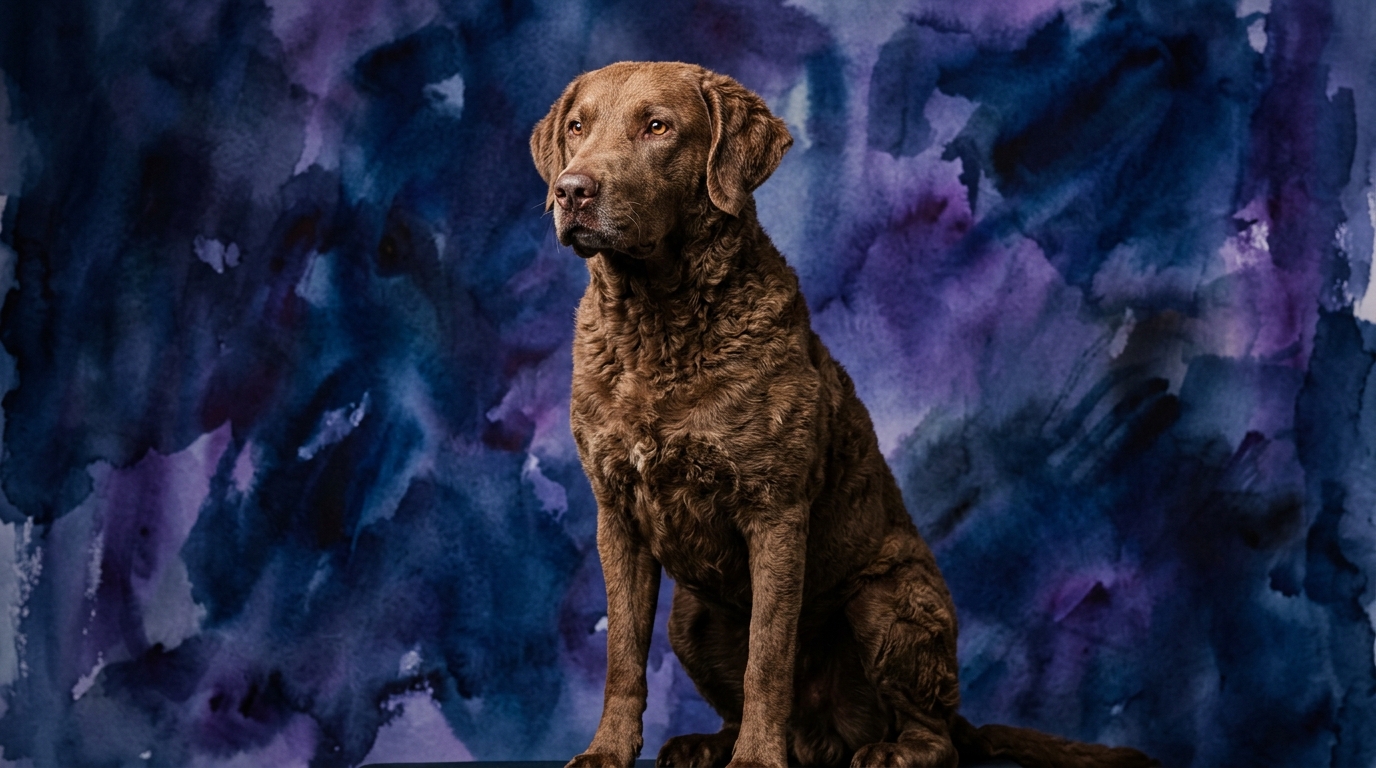
Side-by-Side IQ Profile: Malinois vs. Chessie
The Cosmic Pet Pet IQ Lab provides a detailed breakdown of canine cognitive dimensions, offering a lens through which to compare these two powerful breeds. The Belgian Malinois, ranking #22 on the Coren scale, consistently demonstrates a profound capacity for learning and work, while the Chesapeake Bay Retriever, at Coren rank #27, exhibits a robust and specialized intelligence.
For the Belgian Malinois, Problem Solving is rated 5/5, indicating an exceptional ability to analyze complex situations and devise solutions independently, often under pressure. Their Training Speed is also 5/5, reflecting unparalleled quickness in grasping new commands and routines, often requiring minimal repetition for mastery. Social Intelligence stands at 4/5, meaning they are highly attuned to human cues and intentions, capable of intricate communication and cooperative work, though sometimes with a strong preference for a single handler. An Instinctive Drive of 5/5 signifies a profound, almost ceaseless need for purpose and activity, channeling their inherent herding and protection instincts into dedicated tasks. Finally, their Memory is 5/5, demonstrating outstanding recall for commands, learned behaviors, and environmental details, contributing to their consistency and reliability in demanding roles.
The Chesapeake Bay Retriever presents a slightly different cognitive picture. Their Problem Solving is 4/5, showing a strong capacity for practical problem-solving, particularly in environmental contexts like navigating challenging terrain or retrieving objects, often with a self-reliant approach. Training Speed is 4/5; they learn new tasks efficiently, though they may require more consistent motivation and repetition than some top-tier working breeds, often displaying a thoughtful approach. Social Intelligence is 3/5, meaning they are responsive to their owners but can exhibit a more independent streak, sometimes appearing less outwardly eager to please than other breeds, yet forming deep bonds. An Instinctive Drive of 3/5 reflects a robust and enduring drive for retrieving and working in harsh conditions, characterized by stamina and resilience rather than constant, high-intensity engagement. Their Memory is 4/5, indicating good retention of learned behaviors and locations, crucial for their retrieving tasks, enabling them to remember specific marks and retrieve patterns over time.
Where the Belgian Malinois Excels Cognitively
The Belgian Malinois's cognitive strengths are particularly evident in its unmatched drive and problem-solving capabilities. Their 5/5 Problem Solving means they don't just follow commands; they actively analyze situations and devise strategies, making them invaluable in dynamic, unpredictable scenarios like search and rescue or protection work where improvisation is key. This capacity allows them to assess threats, find hidden objects, or navigate obstacles with a keen, adaptive mind.
The perfect 5/5 Training Speed allows for an incredibly broad and deep repertoire of learned behaviors, far exceeding what many breeds can achieve in terms of complexity and volume, making them ideal for intricate obedience routines, agility, and highly specialized tasks. This rapid acquisition of skills means they can progress quickly through advanced training programs. Furthermore, their perfect 5/5 Instinctive Drive fuels an insatiable desire for work and purpose, translating into relentless focus and stamina that few breeds can match, pushing them to excel in demanding, high-stakes environments for extended periods. A 5/5 Memory ensures that once a lesson is learned or an experience is gained, it is deeply ingrained, leading to exceptional consistency and reliability in performance, even after long periods without practice, providing a solid foundation for their advanced skills.
Where the Chesapeake Bay Retriever's Unique Cognitive Strengths Shine
While the Belgian Malinois often receives accolades for its raw cognitive power, the Chesapeake Bay Retriever possesses a distinct set of cognitive strengths that are perfectly tailored for its traditional roles. Their 4/5 Problem Solving manifests as a tenacious, self-reliant approach to environmental challenges, such as tracking game through dense cover, breaking ice for a retrieve, or independently navigating complex water retrieves, where sheer will and practical cunning are paramount rather than immediate handler direction. This intelligence is less about rapid-fire obedience and more about rugged, functional application in the field.
The Chesapeake Bay Retriever's 3/5 Social Intelligence, though lower than the Malinois, often translates into a dog that, while deeply loyal, possesses a dignified independence. This can appeal to owners who appreciate a companion capable of making its own decisions in the field without constant handler direction, fostering a unique partnership based on mutual respect rather than absolute subservience. Their 3/5 Instinctive Drive is perfectly calibrated for enduring, repetitive retrieving tasks in challenging weather, rather than the all-consuming, high-intensity drive of a Malinois. This allows them to maintain focus and motivation over long periods in the field without becoming overstimulated or burning out, a distinct advantage for their specific sporting role. Their 4/5 Memory is robust enough for complex mark-and-retrieve scenarios, remembering multiple fall locations and patterns, which is critical for their specialized work without the potential for over-analysis or hyper-vigilance that might accompany a 5/5 memory in a less focused role.
Training Dynamics: Which is Easier to Train and Why?
When considering ease of training, the Belgian Malinois, with its 5/5 Training Speed and 4/5 Social Intelligence, generally presents a quicker learning curve for complex tasks. Their eagerness to engage and strong desire to work with a handler means they pick up cues rapidly and actively seek to understand what is being asked of them, often anticipating commands. This makes them exceptionally responsive to skilled trainers capable of harnessing their immense drive and focus, allowing for the rapid progression through advanced obedience and specialized skill sets.
The Chesapeake Bay Retriever, while possessing a respectable 4/5 Training Speed, combined with a 3/5 Social Intelligence, presents a different training dynamic that requires a more nuanced approach. They learn well, but often require more patient and consistent motivation, as their independent streak means they might consider a command before executing it, rather than instantly complying. Their strong will necessitates clear, firm, and positive reinforcement, as they are less inclined to offer immediate, unwavering cooperation if they perceive a task as unnecessary or inconsistent. Building a strong bond and mutual respect is paramount for effective training with a Chessie, as they respond best to a leader they trust and respect.
Owner Suitability: Peak Performance vs. Robust Companionship
Owners seeking peak performance in competitive sports, protection work, or demanding service roles will find the Belgian Malinois an unparalleled partner. Their exceptional problem-solving, relentless drive, and rapid training speed demand an owner equally dedicated to rigorous training, consistent mental stimulation, and providing a clear purpose. This breed thrives when challenged constantly, requiring an owner who can channel their boundless energy and cognitive prowess into productive outlets; otherwise, their intensity can become overwhelming and lead to unwanted behaviors. They are not suited for casual ownership.
Owners looking for robust companionship combined with a dedicated, enduring working partner for activities like hunting or field trials will find the Chesapeake Bay Retriever an excellent match. While still requiring significant activity and mental engagement, their intelligence profile leans towards self-reliance and tenacity in their specific tasks, rather than the Malinois's all-encompassing need for handler-directed work. They suit owners who appreciate a dog with a strong, independent character, capable of handling challenging environments with grit, and who can provide consistent, firm guidance without needing to manage the constant, intense drive of a Malinois.
The Verdict
Opt for a Belgian Malinois if you are an experienced, dedicated owner prepared to provide extensive, consistent training and a demanding working outlet for a dog with unmatched drive and cognitive agility.
Select a Chesapeake Bay Retriever if you value a highly resilient, independent, and tenacious companion for outdoor adventures and sporting pursuits, willing to invest in patient, consistent training to foster their unique brand of loyalty.
🧠 Find Your Pet's IQ Score
Our Pet IQ Lab assessment covers 25+ tests across 5 cognitive dimensions — personalized to your breed.
Take the Full IQ Test →Frequently Asked Questions
Do Belgian Malinois require more mental stimulation than Chesapeake Bay Retrievers?
Yes, the Belgian Malinois's 5/5 Problem Solving and 5/5 Instinctive Drive mean they require nearly constant mental engagement and challenging tasks to prevent boredom and destructive behaviors. Chesapeake Bay Retrievers, while needing stimulation, have a 3/5 Instinctive Drive that is typically more focused on their specific retrieving tasks, allowing for periods of rest between activities.
How do their social intelligence differences impact household dynamics?
The Malinois's 4/5 Social Intelligence means they are often highly attuned to their family but can be intense and protective, sometimes forming a strong bond with a single handler. The Chesapeake Bay Retriever's 3/5 Social Intelligence often results in a more reserved and independent demeanor, loyal to their family but less overtly demonstrative and potentially more discerning with strangers.
Is one breed better for first-time dog owners?
Neither breed is generally recommended for first-time dog owners due to their significant needs for training, socialization, and activity. However, the Malinois's extreme drive and intensity make them particularly challenging, while the Chesapeake Bay Retriever's independent nature requires a confident and consistent handler, making both suitable for experienced individuals.