Side-by-Side Cognitive Profiles
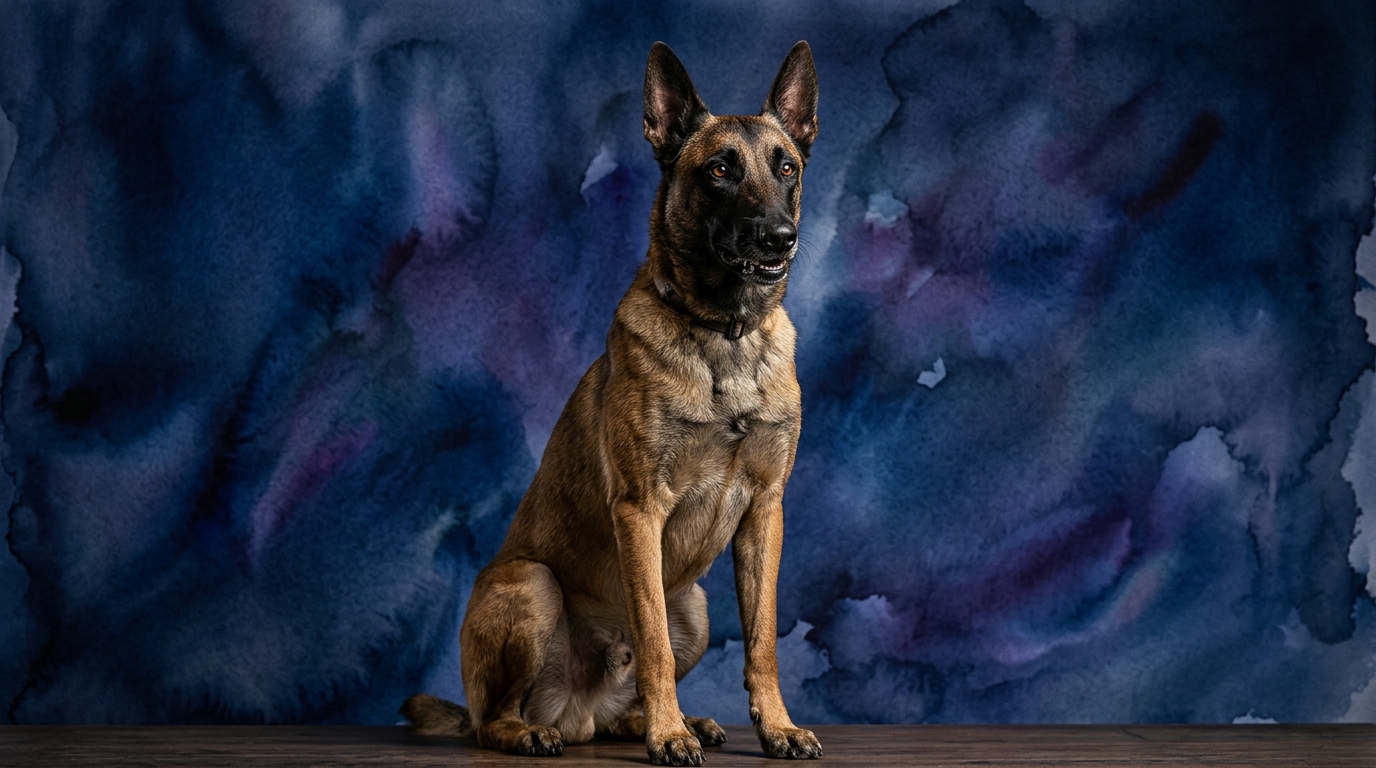
The Belgian Malinois, ranking #22 on the Coren scale, exhibits a cognitive profile optimized for complex tasks and rapid learning. Their problem-solving ability is exceptional, rated 5/5, indicating a strong capacity to analyze situations and devise effective solutions. Training speed is also at a perfect 5/5, reflecting their quick grasp of commands and routines, often requiring fewer repetitions than many other breeds. Social intelligence, at 4/5, points to a strong awareness of human cues and group dynamics, though perhaps with a primary focus on their handler. Their instinctive drive is paramount at 5/5, manifesting as an intense desire to work and perform, while a memory rating of 5/5 ensures they retain learned behaviors and experiences with remarkable fidelity.
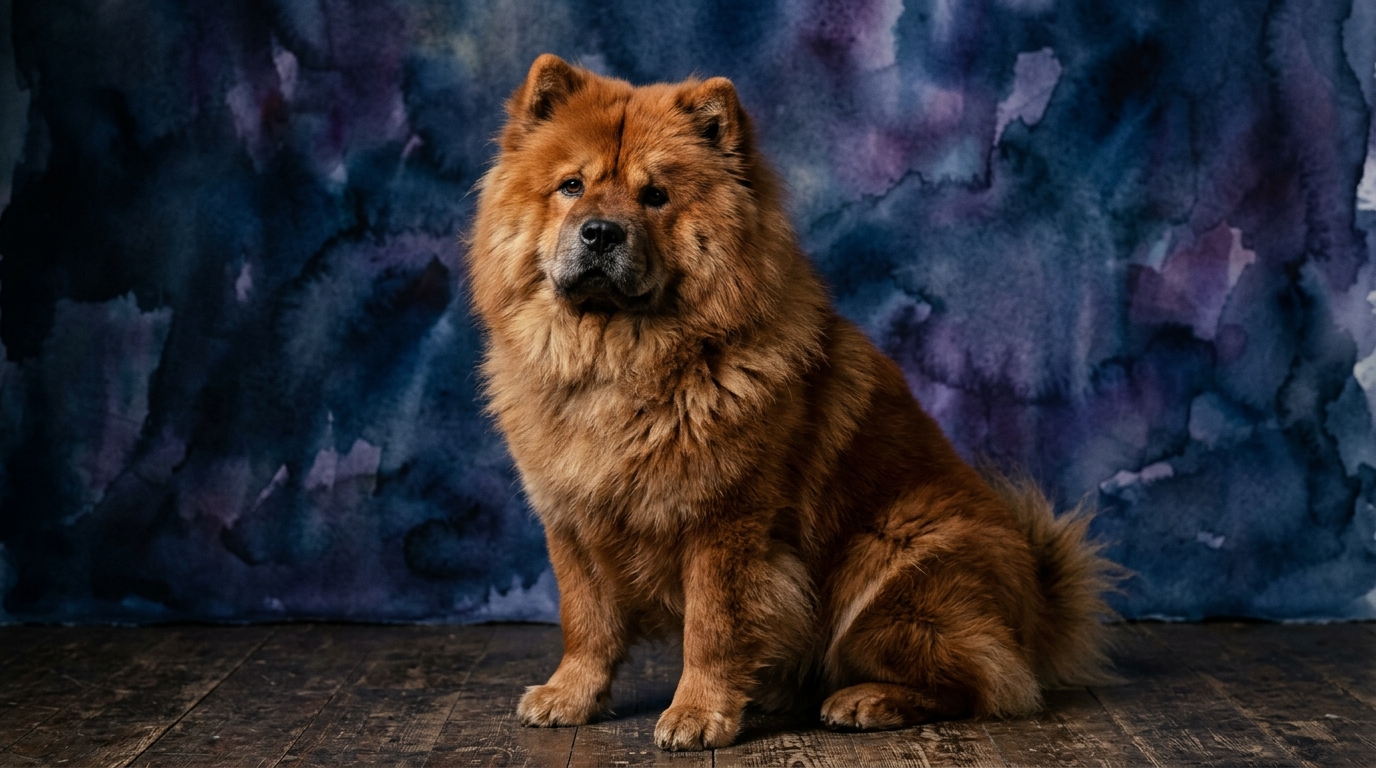
In contrast, the Chow Chow, positioned at #76 on the Coren scale, presents a distinct set of cognitive strengths and preferences. Their problem-solving score of 3/5 suggests a moderate capacity for independent thought and resolution, often preferring to stick to established routines rather than seek novel solutions. Training speed, also at 3/5, indicates they can learn, but typically require more patience, consistency, and positive reinforcement to solidify commands. Social intelligence, rated 3/5, reflects their famously reserved nature; they are observant but less inclined to actively seek out or engage in social interaction beyond their immediate family circle. An instinctive drive of 3/5 means they possess natural canine urges, but these are typically less intense and task-oriented than those found in working breeds. Their memory, at 3/5, is sufficient for everyday life but may not retain intricate sequences or infrequent commands as readily.
Where the Belgian Malinois Excels in Cognition
The Belgian Malinois demonstrably outshines the Chow Chow in domains requiring active engagement, rapid adaptation, and sustained mental effort. Their perfect 5/5 in problem-solving means a Malinois can quickly assess novel obstacles, such as figuring out how to open a complex crate latch or navigating an agility course with unexpected changes, often without direct instruction. This contrasts with the Chow Chow's preference for familiar patterns. This innate capacity for analytical thinking makes them adept at tasks demanding strategic planning, like tracking scents over varied terrain or executing multi-step search and rescue operations.
Furthermore, the Malinois's 5/5 training speed, coupled with a 5/5 instinctive drive, creates a dog that not only learns commands almost instantaneously but also possesses an inherent eagerness to apply that learning. This drive translates into an unyielding focus during training sessions, allowing them to master advanced obedience, protection work, or intricate canine sports routines with remarkable efficiency. Their superior memory (5/5) means that once a task is learned, it is deeply ingrained, requiring minimal refreshers even after long periods, making them exceptionally reliable in high-stakes working environments where precision and recall are critical.
Unique Cognitive Strengths of the Chow Chow
While the Chow Chow's cognitive profile emphasizes different strengths, it's essential to recognize their unique advantages, particularly in areas valuing independent judgment and self-sufficiency. Their social intelligence, rated 3/5, manifests not as a deficit, but as a discerning approach to interactions. Unlike the Malinois, which thrives on constant handler engagement, the Chow Chow possesses a strong sense of personal space and is less prone to separation anxiety, often content to observe rather than participate actively in social fervor. This independent streak allows them to make decisions based on their own assessment of a situation, rather than defaulting to handler instruction, which can be advantageous in guarding roles where a dog needs to act without explicit command.
The Chow Chow's moderate instinctive drive (3/5) allows for a more composed and less reactive disposition in daily life. They are generally not driven by an overwhelming urge to work or chase, which can be a significant cognitive benefit for owners seeking a calm companion who is less prone to developing destructive behaviors out of boredom or under-stimulation. Their 3/5 problem-solving, while not as agile as a Malinois, often translates into a steady, methodical approach to their environment, less likely to be flustered by minor changes and more inclined to maintain a consistent routine. This cognitive stability contributes to their reputation as dignified and self-possessed companions, requiring less constant mental redirection from their human counterparts.
Training Ease: Malinois's Drive Versus Chow Chow's Deliberation
When evaluating training ease, the Belgian Malinois presents a distinctly different experience compared to the Chow Chow, primarily due to their intrinsic motivations and cognitive processing speed. The Malinois, with a 5/5 training speed and 5/5 instinctive drive, is fundamentally built for learning and working alongside a human. They exhibit an intense desire to please their handler and possess an exceptional capacity to connect actions with consequences, absorbing commands and complex sequences with minimal repetition. Their high energy and focus mean they actively seek engagement and respond enthusiastically to opportunities for mental and physical exertion, making them remarkably receptive to structured training and eager to perform.
The Chow Chow, conversely, with a 3/5 training speed and 3/5 instinctive drive, requires a more nuanced and patient approach. Their inherent independence and discerning social intelligence (3/5) mean they are less inclined to blindly follow commands and more likely to question the perceived value of an instruction. Training a Chow Chow often involves convincing them that a task is worthwhile or rewarding, rather than relying on their innate eagerness to comply. They can learn, and learn well, but typically at their own pace, demanding consistent, positive reinforcement and a clear understanding of what's being asked. Attempts to force compliance often result in stubbornness, contrasting sharply with the Malinois's drive to cooperate.
Matching Cognitive Profiles to Owner Lifestyles
The cognitive makeup of these two breeds dictates a clear divergence in suitability for different owner lifestyles. The Belgian Malinois, with its 5/5 problem-solving, 5/5 training speed, and overwhelming 5/5 instinctive drive, is unequivocally suited for active, engaged owners who can provide consistent mental and physical challenges. These dogs thrive on having a 'job,' whether it's advanced obedience, protection sports, agility, or search and rescue. Their constant need for mental stimulation and outlet for their intense drives means they require owners who are prepared to dedicate significant time daily to training, exercise, and structured activities. Without this engagement, their sharp minds and boundless energy can lead to boredom-induced destructive behaviors or anxiety.
The Chow Chow, with its more moderate 3/5 scores across most cognitive dimensions and a reserved 3/5 social intelligence, aligns better with relaxed owners who appreciate a dignified, less demanding companion. Their lower instinctive drive means they are generally content with regular, moderate exercise and do not possess the same urgent need for constant mental tasks. While they still benefit from consistent training and socialization, they are not prone to the same level of restlessness or destructive tendencies if not constantly occupied. Owners who value an independent, observant dog that enjoys quiet companionship and a predictable routine will find the Chow Chow's cognitive preferences a better fit than the perpetually active and mentally demanding Malinois.
The Verdict
Choose the Belgian Malinois if you are an experienced, active owner seeking a highly trainable, driven partner for demanding activities like dog sports, protection work, or extensive outdoor adventures, and are prepared for significant daily mental and physical engagement.
Choose the Chow Chow if you appreciate an independent, dignified companion who offers more relaxed companionship, thrives on routine, and are prepared to approach training with patience and respect for their discerning nature.
🧠 Find Your Pet's IQ Score
Our Pet IQ Lab assessment covers 25+ tests across 5 cognitive dimensions — personalized to your breed.
Take the Full IQ Test →Frequently Asked Questions
Do Belgian Malinois need constant mental stimulation?
Yes, Belgian Malinois possess a 5/5 problem-solving ability and 5/5 instinctive drive, meaning they require consistent mental challenges and tasks to prevent boredom and channel their considerable energy positively. Owners should plan for daily training sessions and engaging activities.
Are Chow Chows difficult to train?
Chow Chows are not inherently difficult to train, but their 3/5 training speed and independent social intelligence (3/5) mean they require patience, consistency, and positive reinforcement. They learn best when motivated and convinced of the task's value, rather than through forceful methods.
Which breed is better for a first-time dog owner?
Neither breed is typically recommended for first-time owners without extensive research and preparation. However, the Chow Chow's lower overall drive and more relaxed nature might be marginally less overwhelming than the Belgian Malinois's intense cognitive demands and high energy, which can be challenging for inexperienced handlers.