Side-by-Side Cognitive Profiles
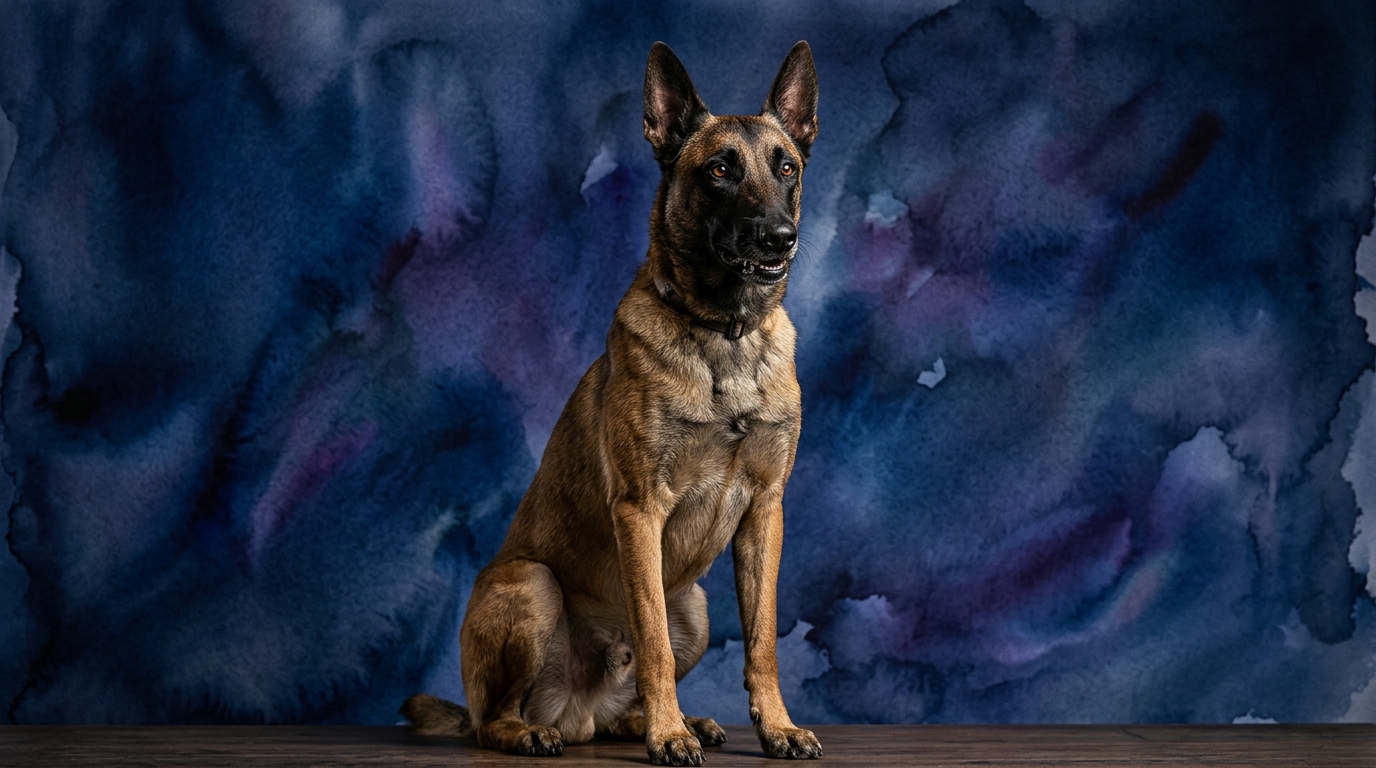
At Coren rank #22, the Belgian Malinois exemplifies a breed designed for intense, complex work. Their Problem Solving (5/5) is exceptional; they don't just follow commands but actively assess dynamic situations, devising and executing strategies in real-time, whether tracking a suspect or navigating an agility course. This cognitive flexibility allows them to understand the objective beyond mere rote memorization. Their Training Speed (5/5) is unparalleled; new commands and intricate multi-step behaviors are acquired with remarkable rapidity, often after just a few repetitions, showcasing an eagerness to learn and a deep capacity for processing information. Social Intelligence (4/5) manifests as a profound attunement to their handler's subtle cues and intentions, forming an intense, cooperative bond that is foundational to their working capabilities, though their social circle can be highly selective. An Instinctive Drive (5/5), encompassing strong prey, hunt, and protection drives, is the engine of their motivation, fueling their relentless work ethic and focus. Finally, their Memory (5/5) is outstanding, ensuring that learned behaviors, complex sequences, and past experiences are retained with remarkable fidelity and consistency over the long term.
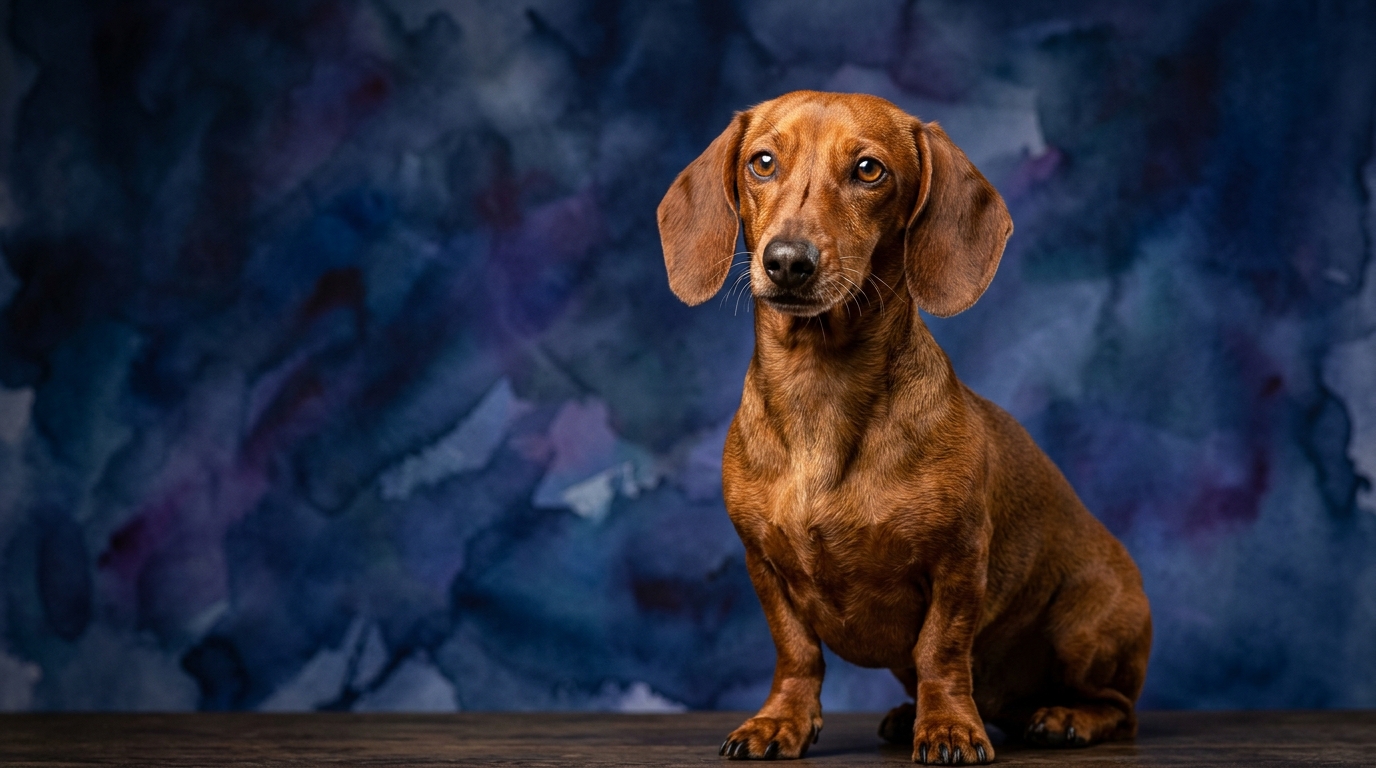
Ranking #49 on the Coren scale, the Dachshund's intelligence is uniquely tailored to its historical role as a badger hunter. Their Problem Solving (4/5) is highly specialized; they are incredibly resourceful when it comes to navigating tight spaces, locating hidden objects (especially if scent-related), or figuring out how to get what they want, often demonstrating a clever, independent streak. This isn't broad, adaptive problem-solving, but rather tenacious, purpose-driven ingenuity. Their Training Speed (2/5) is more deliberate; while capable of learning, they often require significant patience and repetition, as their independent spirit can sometimes prioritize their own interests over immediate compliance. Social Intelligence (3/5) sees them forming deep, affectionate bonds with their chosen family, often exhibiting a charming, sometimes demanding, personality. However, they can be reserved with strangers and assertive with other dogs, reflecting a more insular social focus. Their Instinctive Drive (5/5) is incredibly potent, an unwavering commitment to scent tracking, burrowing, and the pursuit of small game. This drive is a central, guiding force in their cognitive landscape, profoundly influencing their focus and persistence. Their Memory (3/5) allows them to recall routines and significant people, but complex command sequences or less frequently reinforced training might fade without consistent practice, reflecting a more practical, less expansive memory capacity compared to the Malinois.
Where the Belgian Malinois Wins Cognitively
The Belgian Malinois's cognitive superiority is most evident in its capacity for broad, adaptive problem-solving and rapid, consistent learning. Their perfect 5/5 scores in Problem Solving, Training Speed, and Memory converge to create a canine mind that processes information at an accelerated rate, synthesizes complex data, and retains intricate knowledge with remarkable precision. This means a Malinois can quickly learn the difference between various scent profiles, execute multi-stage commands under pressure, or adapt its strategy in a dynamic pursuit, all while remembering countless previous lessons. Their ability to generalize learned behaviors to new situations, coupled with an intense focus on their handler's directives, allows for an unparalleled level of cooperative work. This cognitive flexibility and retention are critical for their roles in demanding fields where errors can have significant consequences, making them a consistently reliable and adaptable partner in high-stakes environments.
Where the Dachshund Wins Cognitively
While the Malinois excels in general cognitive prowess, the Dachshund shines in the specialized application of its intelligence, particularly in areas related to its ancestral hunting purpose. Their perfect 5/5 in Instinctive Drive isn't merely a physical urge; it's a profound cognitive commitment that fuels their tenacity and focus. This drive empowers their 4/5 Problem Solving, allowing them to overcome obstacles with cleverness and persistence when pursuing a scent or attempting to burrow. A Dachshund might not learn a complex obedience routine as quickly, but it will demonstrate incredible ingenuity in figuring out how to reach a hidden treat or outmaneuver a squirrel in the yard, leveraging its unique physical attributes and unwavering determination. This specialized problem-solving, coupled with their deep, often charming social intelligence directed towards their family, makes them masters of their particular domain, showcasing a different but equally effective form of canine cognition – one built on independent resolve and sensory exploration.
Which is Easier to Train and Why
The Belgian Malinois is undeniably easier to train, primarily due to its exceptional Training Speed (5/5), high Social Intelligence (4/5) aimed at cooperative partnership, and outstanding Memory (5/5). They possess an inherent desire to engage with their handler and a profound capacity to quickly grasp and consistently execute complex commands. This eagerness to please, combined with their ability to retain lessons over time, means they progress rapidly through training protocols and require less repetition for mastery. Conversely, the Dachshund's Training Speed (2/5) is more measured. Their powerful Instinctive Drive (5/5) often leads them to prioritize their own olfactory investigations or independent pursuits over immediate human directives. This independent streak, often perceived as stubbornness, means that while Dachshunds are capable of learning, training requires greater patience, creative motivation, and consistent reinforcement to overcome their natural inclination towards self-directed activities. Their more moderate memory (3/5) also necessitates more frequent practice to maintain learned behaviors.
Which Suits Active Owners vs. Relaxed Owners
The Belgian Malinois is an ideal match for highly active, experienced owners who are prepared to integrate a dedicated working partner into their lives. Their boundless energy and profound cognitive needs demand extensive physical exercise, advanced obedience training, and continuous mental challenges such as protection sports, agility, or scent work. A Malinois without sufficient mental and physical engagement can become restless, anxious, or destructive, making them unsuitable for passive lifestyles. In stark contrast, the Dachshund is a better fit for more relaxed owners, though they are far from couch potatoes. Their moderate exercise requirements can be met with daily walks and engaging playtime, and while they appreciate mental stimulation through puzzle toys or scent games, they do not demand the relentless, high-intensity cognitive output of a Malinois. Dachshunds are typically content to balance their adventurous outdoor explorations with ample indoor snuggle time, making them adaptable companions for a less demanding household.
The Verdict
Choose the Belgian Malinois if you are an experienced, active owner seeking a dedicated working partner for advanced training, sports, or protection roles, ready to invest heavily in their profound cognitive and physical needs, thriving on a shared, demanding purpose.
Opt for the Dachshund if you desire a charming, tenacious companion dog for a moderately active household, appreciating their independent spirit and clever, scent-driven problem-solving in a more relaxed domestic setting, valuing their unique personality and specialized intelligence.
🧠 Find Your Pet's IQ Score
Our Pet IQ Lab assessment covers 25+ tests across 5 cognitive dimensions — personalized to your breed.
Take the Full IQ Test →Frequently Asked Questions
Does a Dachshund's high instinctive drive make them difficult to live with?
A Dachshund's powerful instinctive drive (5/5) means they are highly motivated by scent and prey. While this can lead to independent behavior like digging or chasing small animals, it also means they are tenacious and clever problem-solvers when pursuing a goal. Owners need to provide appropriate outlets for this drive, such as scent work games or secure outdoor spaces.
How does the memory difference impact daily life for these breeds?
The Belgian Malinois's exceptional memory (5/5) allows them to quickly learn and consistently retain complex commands and routines, making advanced training highly effective and predictable. A Dachshund's more moderate memory (3/5) means they might require more repetition for new commands and could be less consistent in recalling less frequently practiced behaviors, necessitating ongoing reinforcement.
Can a Dachshund participate in dog sports like agility?
Yes, Dachshunds can certainly participate in dog sports like agility, though their physical structure and independent nature might present unique challenges compared to a Malinois. Their 4/5 problem-solving and strong instinctive drive can make them quite clever and determined on a course, but their 2/5 training speed means handlers need patience and positive reinforcement to guide them through.