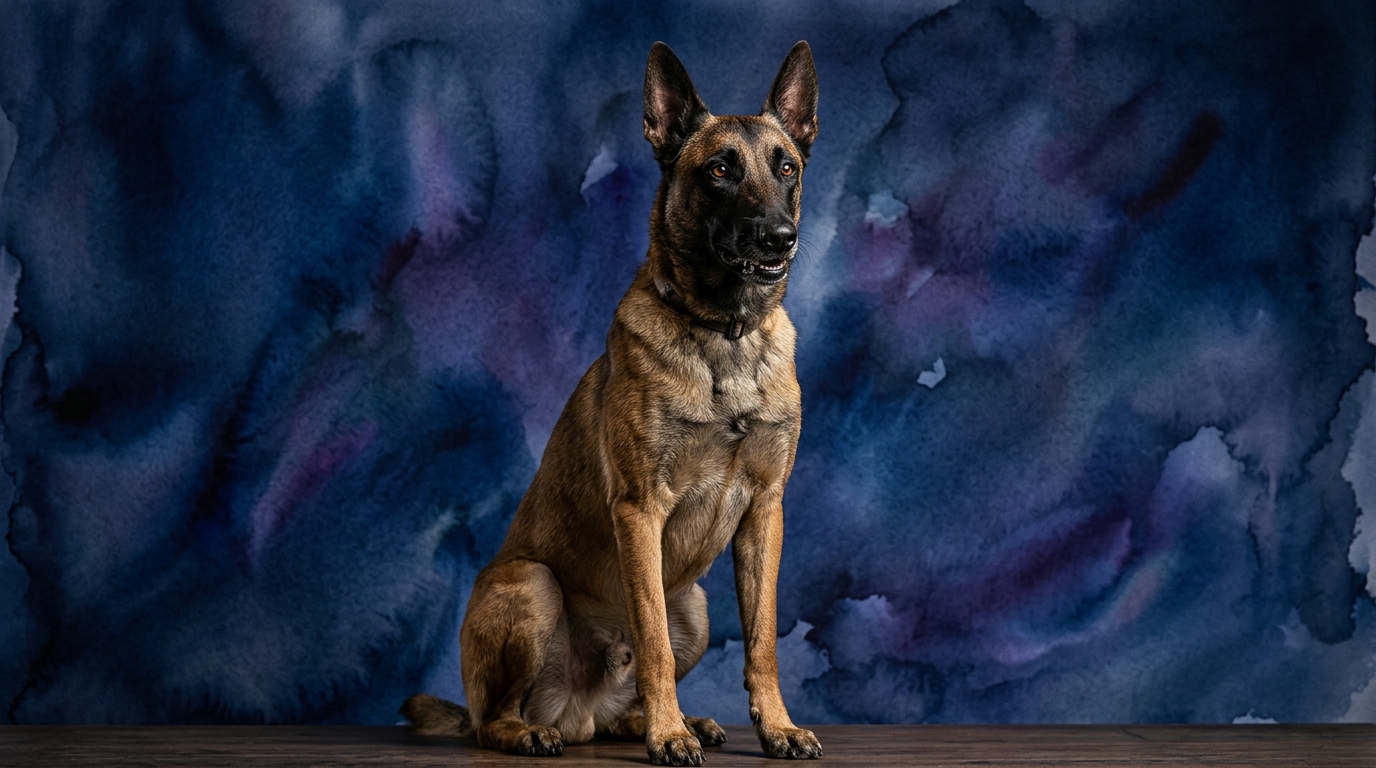
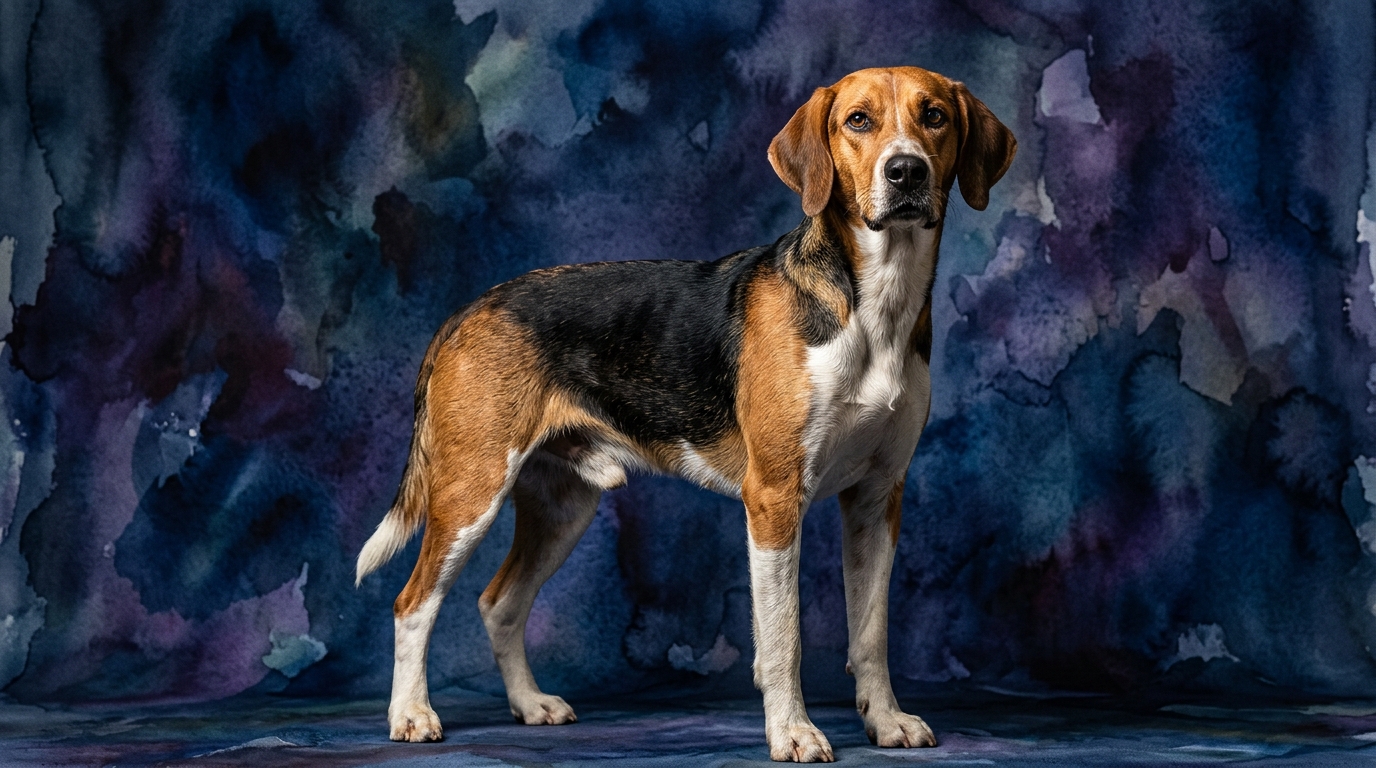
Side-by-Side IQ Profile: A Tale of Two Minds
The Belgian Malinois, a Herding breed, consistently demonstrates a profound aptitude for complex cognitive tasks, earning a Coren rank of #22 among dog breeds. Their Problem Solving is rated 5/5, reflecting a remarkable capacity for analyzing novel situations, strategizing solutions, and adapting learned behaviors to new contexts with speed and precision, whether in obedience trials or protection work. Training Speed also stands at 5/5; these dogs absorb new commands and multi-step routines with minimal repetition, eager to engage their minds and bodies in collaborative learning sessions. Social Intelligence is assessed at 4/5, indicating a deep attunement to their handler's cues, moods, and intentions, fostering a strong working partnership, though their intensity can sometimes be overwhelming for less experienced owners. Their Instinctive Drive, a perfect 5/5, manifests as an intense desire for purpose, channeling their natural herding, protection, and prey drives into focused tasks, rarely content with idleness. Finally, their Memory is an exceptional 5/5, allowing them to recall vast repertoires of commands, intricate sequences, and long-term associations, making them highly reliable in demanding roles.
In stark contrast, the English Foxhound, a quintessential Hound breed, operates with a cognitive framework primarily optimized for its ancestral role, and is not ranked on Coren's scale, which tends to favor breeds with strong obedience and problem-solving in human-centric tasks. Their Problem Solving is rated 3/5; while adept at deciphering complex scent trails and navigating varied terrain to pursue quarry, they typically exhibit less interest or aptitude for abstract, human-designed puzzles or rapid adjustments to novel non-scent-based challenges. Training Speed is similarly 3/5; Foxhounds can learn commands, but often require more patience and repetition, as their primary focus remains on their olfactory world, making sustained attention to human instruction a challenge. Social Intelligence, at 3/5, describes a breed that thrives within a pack, displaying excellent canine social skills, but often interacts with humans on its own terms, less driven by a need for constant human approval or nuanced communication than a Malinois. Their Instinctive Drive, also 3/5, is powerfully geared towards scent work and pursuit; once a trail is caught, this drive overrides most other stimuli, leading to highly focused, independent action. Memory, rated 3/5, is exceptional for remembering specific scent patterns and routes, but they generally retain human-taught commands and routines with less precision and consistency than a working breed, particularly when a compelling scent is present.
Where the Belgian Malinois Wins Cognitively
The Belgian Malinois's cognitive strengths shine brightest in scenarios demanding versatile adaptability and rapid, precise execution of human-directed tasks. Their superior Problem Solving (5/5) allows them to quickly assess and navigate complex environments, whether it's an agility course, a search-and-rescue operation, or a protection scenario, often anticipating next steps and making split-second decisions within a structured framework. This breed excels at generalizing learned behaviors, applying principles from one task to a slightly different one without extensive re-training. Their Training Speed (5/5) means they grasp new commands and multi-part routines with astonishing efficiency, making them ideal candidates for intricate dog sports, service roles, or demanding police and military work where a broad skill set is essential. Furthermore, their high Social Intelligence (4/5) combined with their intense Memory (5/5) translates into an unwavering focus on their handler, recalling complex instructions and operating as a seamlessly integrated team member, a trait less pronounced in breeds whose primary drive is independent action.
Where the English Foxhound Wins Cognitively
The English Foxhound's cognitive prowess is deeply specialized, representing a triumph of evolutionary adaptation for a singular purpose: the relentless pursuit of scent. Their Problem Solving (3/5) might not manifest in solving abstract puzzles, but it is unparalleled in the intricate, three-dimensional world of scent tracking, where they must interpret subtle olfactory cues, differentiate between trails, and strategize the most efficient path through varied terrain. This involves a complex cognitive process of filtering distractions, maintaining focus over long distances, and making independent decisions based on environmental data. Their Instinctive Drive (3/5), while rated numerically lower than a Malinois's broad work ethic, is incredibly powerful and singularly focused on scent; once engaged, it allows for sustained effort and unwavering determination, overriding fatigue and external stimuli. This specialized drive, combined with a Memory (3/5) that excels at retaining intricate scent patterns and geographical knowledge relevant to their hunt, enables them to perform tasks that would overwhelm a Malinois's olfactory senses, such as tracking a faint, hours-old trail across miles of varied landscape, demonstrating a unique form of cognitive endurance and sensory processing.
Which is Easier to Train and Why
The Belgian Malinois is unequivocally easier to train for human-centric tasks due to a confluence of factors. Their exceptional Training Speed (5/5) means they absorb new commands and multi-step routines with remarkable rapidity, often requiring only a few repetitions before a behavior is understood. This is bolstered by their high Social Intelligence (4/5) and powerful Memory (5/5), which foster a strong desire to work collaboratively with their handler, eagerly seeking direction and remembering complex sequences over time. Their intense Instinctive Drive (5/5) is also highly pliable and can be channeled into a wide array of obedience, protection, or sport tasks, making them highly motivated students who thrive on structured learning and consistent engagement.
Conversely, the English Foxhound presents a greater training challenge for traditional obedience. Their Training Speed (3/5) is moderate, and while they are capable of learning, their primary motivation often lies outside human directives. Their Instinctive Drive (3/5) is intensely focused on scent and pursuit; once a compelling odor is detected, it can completely override any learned command or desire to please, making recall particularly difficult in an uncontrolled environment. Their Social Intelligence (3/5) is more geared towards pack dynamics than intricate human interaction, meaning they are less inherently driven by handler approval. Training a Foxhound requires immense patience, creativity, and an understanding of their deep-seated olfactory drives, often relying on high-value rewards and environmental control to maintain focus, as their memory for human commands can be overshadowed by their sensory world.
Which Suits Active Owners vs. Relaxed Owners
For active owners seeking a true partner in demanding activities, the Belgian Malinois is an ideal match. These dogs require an owner who can provide not just physical exercise, but also consistent, challenging mental stimulation through structured training, dog sports, or a working role. Their unrelenting energy and profound need for purpose mean a “relaxed” owner, in the sense of one offering minimal engagement, would quickly find themselves with a destructive or anxious companion. Malinois thrive on having a job, whether it's advanced obedience, agility, protection work, or search and rescue, demanding an owner who is equally committed to their training and development.
The English Foxhound, while possessing immense stamina for long runs, can present a more nuanced fit for owners. They are not suited for truly “relaxed” owners who are unwilling to provide significant daily physical activity, as their instincts demand extensive opportunities to stretch their legs and explore scents. However, unlike the Malinois, their mental stimulation requirements are largely met by their outdoor scenting excursions, and they can be quite content to relax indoors and nap after a good run, less prone to destructive behaviors driven by a lack of structured mental work. They suit active owners who enjoy long walks, hiking, or running, and are content with a dog whose primary engagement is with the environment and other dogs, rather than constant human-directed tasks. An owner who values independent, scent-driven activity over intricate teamwork might find a Foxhound a rewarding companion.
The Verdict
Select a Belgian Malinois if you are an experienced, dedicated owner seeking a highly trainable, intensely focused working partner for demanding sports, service, or protection roles, prepared to provide consistent, challenging mental and physical engagement.
Opt for an English Foxhound if you are an active owner who appreciates an independent, scent-driven companion for long outdoor excursions, understanding their need for significant exercise and their independent nature during training.
🧠 Find Your Pet's IQ Score
Our Pet IQ Lab assessment covers 25+ tests across 5 cognitive dimensions — personalized to your breed.
Take the Full IQ Test →Frequently Asked Questions
Can an English Foxhound excel in obedience training?
While an English Foxhound can learn obedience commands, their natural inclination towards scent work and independent pursuit means they may require more patience, repetition, and high-value rewards than a typical working breed. Success often depends on the trainer's ability to make training engaging and compete with environmental distractions.
Are Belgian Malinois good family pets?
Belgian Malinois can be devoted family members in the right hands, but their intensity and need for a "job" mean they thrive best with experienced owners who can provide consistent structure, training, and outlets for their energy, rather than being simply a casual companion. Early socialization is crucial.
Which breed is better for off-leash activities?
The Belgian Malinois, with its strong handler focus and exceptional recall, is generally better suited for off-leash activities in controlled environments after extensive training, as their desire to work with their human is paramount. The English Foxhound's powerful scent drive makes off-leash reliability incredibly challenging in open areas, as they are prone to follow a compelling trail over any command.