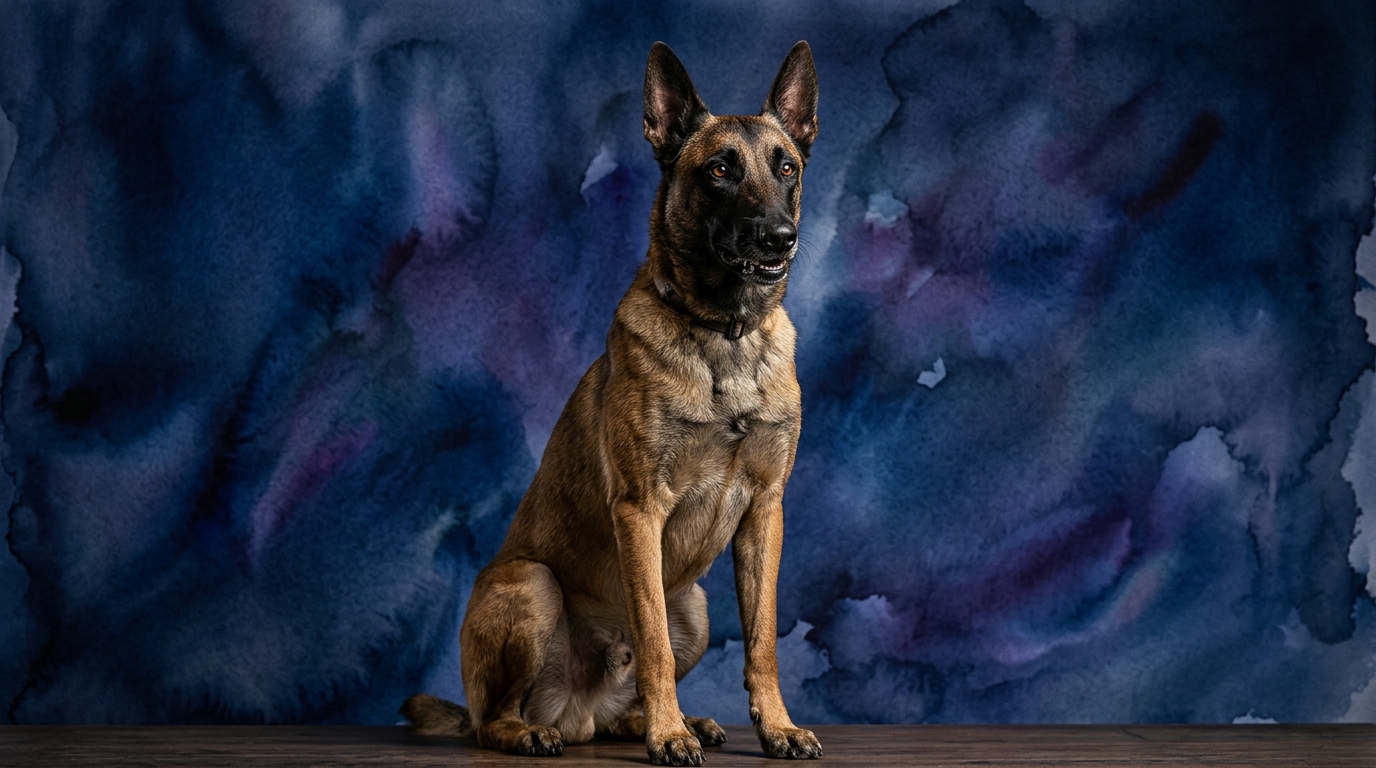
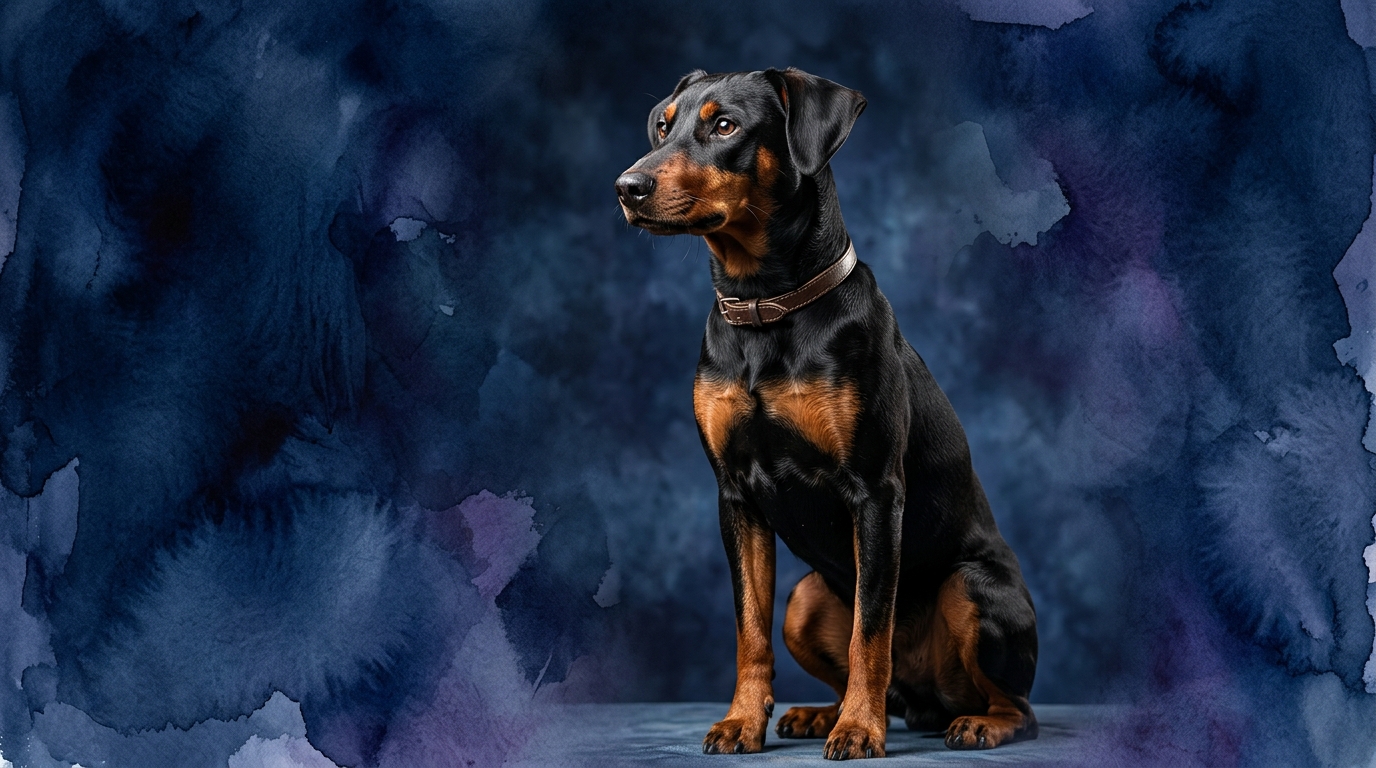
Side-by-Side IQ Profile
The Belgian Malinois, ranking #22 on Coren's list, consistently demonstrates a profound capacity for mental engagement. Its Problem Solving score of 5/5 reflects an exceptional ability to analyze complex situations, devise strategies, and execute solutions independently, often under pressure. Owners frequently observe them methodically working through obstacles or learning intricate multi-step tasks with minimal guidance. The 5/5 Training Speed indicates an almost instantaneous grasp of new commands and routines, often requiring only a few repetitions before solidifying a behavior, making them remarkably efficient learners. Social Intelligence, rated 4/5, suggests a strong awareness of human cues and emotional states, allowing them to form deep, responsive partnerships, though their focus often remains task-oriented rather than purely affectionate. Their Instinctive Drive, a perfect 5/5, is a powerful engine, compelling them to seek purpose and work, whether that's herding livestock, excelling in protection sports, or performing search and rescue. Finally, a 5/5 Memory means they retain learned behaviors and environmental information over long periods, rarely forgetting a lesson or a significant experience.
As a working breed, the German Pinscher presents a different cognitive profile, characterized by a balanced yet less intense application of its mental faculties. Its Problem Solving ability, rated 3/5, indicates a capacity to figure out straightforward puzzles or navigate familiar challenges, but they may require more trial-and-error or human assistance for novel or intricate problems. A 3/5 Training Speed suggests they learn at a moderate pace, grasping new commands with consistent repetition and positive reinforcement, rather than immediate comprehension. Their Social Intelligence, also 3/5, points to a moderate responsiveness to human interaction and emotional signals; they are affectionate companions but possess a degree of independence, not always seeking constant direction or validation. The 3/5 Instinctive Drive means they possess a natural desire for activity and engagement, but it's not the relentless, all-consuming drive seen in some working breeds; they enjoy purpose but are equally content with periods of rest. Lastly, a 3/5 Memory indicates they retain information adequately, remembering basic commands and routines, though perhaps not with the same precise recall or long-term retention as their Malinois counterpart.
Where Belgian Malinois Wins Cognitively
The Belgian Malinois's cognitive strengths are evident in its unparalleled capacity for complex task mastery and rapid operational learning. Its 5/5 Problem Solving and Training Speed mean it can internalize multi-stage commands and adapt strategies on the fly, making it exceptional in roles demanding intricate sequences, such as agility courses with novel layouts or protection work requiring precise, nuanced responses. Furthermore, its 5/5 Instinctive Drive fuels a relentless pursuit of purpose, allowing it to sustain intense mental effort over extended periods, a crucial advantage in demanding working environments where focus cannot waver. This dog doesn't just learn; it actively seeks to master.
Where German Pinscher Wins Cognitively
While not exhibiting the same intensity, the German Pinscher's cognitive profile offers distinct advantages for owners seeking a different kind of partnership. Its 3/5 Problem Solving and Instinctive Drive, combined with a 3/5 Social Intelligence, translate to a more self-sufficient and less intensely demanding mental presence. This breed excels in scenarios where a dog needs to be observant and alert without constantly requiring a “job” or human direction to channel its energy. Their moderate drive means they can be content with less structured mental stimulation, thriving on environmental awareness and independent exploration rather than continuous, high-level cognitive challenges, making them excellent, discerning companions who don't overwhelm their owners with constant requests for engagement.
Which is Easier to Train and Why
Comparing their training profiles, the Belgian Malinois (5/5 Training Speed) is unequivocally easier to train for complex tasks, demonstrating an astonishing ability to absorb and implement new information with minimal repetition. Their high Instinctive Drive and 5/5 Memory mean they are highly motivated to learn and retain lessons, often anticipating commands and performing with precision. Conversely, the German Pinscher (3/5 Training Speed) requires a more patient, consistent approach. While capable of learning, their moderate drive and independent streak mean they might require more repetitions and stronger, consistent motivation to solidify behaviors. They may also be more selective in their engagement, learning what they perceive as valuable or rewarding rather than simply complying out of an inherent drive to work.
Which Suits Active Owners vs. Relaxed Owners
For active owners seeking a true partner in high-intensity endeavors, the Belgian Malinois is an ideal match. Its 5/5 Problem Solving, Instinctive Drive, and Memory demand constant mental and physical engagement, thriving in environments that offer complex training, dog sports like Schutzhund or agility, or working roles. A Malinois requires an owner who can consistently provide an outlet for its profound cognitive and physical energy. In contrast, the German Pinscher, with its balanced 3/5 scores across the board, suits an owner who enjoys regular activity and engagement but prefers a dog that isn't always “on.” They appreciate brisk walks, moderate play, and consistent training, but aren't typically driven to excel in professional working capacities, making them better suited for active families who enjoy consistent interaction without the relentless mental demands of a Malinois.
The Verdict
Choose the Belgian Malinois if you are an experienced, active owner ready to channel a profound, relentless cognitive drive into demanding training, competitive sports, or working roles.
Opt for the German Pinscher if you desire a spirited, independent companion who appreciates regular engagement and moderate mental challenges without the overwhelming intensity of a dedicated working breed.
🧠 Find Your Pet's IQ Score
Our Pet IQ Lab assessment covers 25+ tests across 5 cognitive dimensions — personalized to your breed.
Take the Full IQ Test →Frequently Asked Questions
Do Belgian Malinois require constant mental stimulation to avoid destructive behaviors?
Yes, their 5/5 Problem Solving and Instinctive Drive mean they need consistent, challenging mental work. Without appropriate outlets, they can become bored and channel their considerable energy into undesirable behaviors.
Is the German Pinscher a good choice for first-time dog owners?
The German Pinscher can be suitable for first-time owners who are committed to consistent training and socialization. Their moderate drive makes them less overwhelming than some working breeds, but their independent nature requires dedication.
How does social intelligence differ between these two breeds?
The Malinois (4/5) is highly attuned to human direction and partnership in a task-oriented way, while the Pinscher (3/5) is responsive but maintains more independence, being affectionate but less inclined to constantly seek human instruction.