Side-by-Side IQ Profile: Belgian Malinois vs. German Wirehaired Pointer
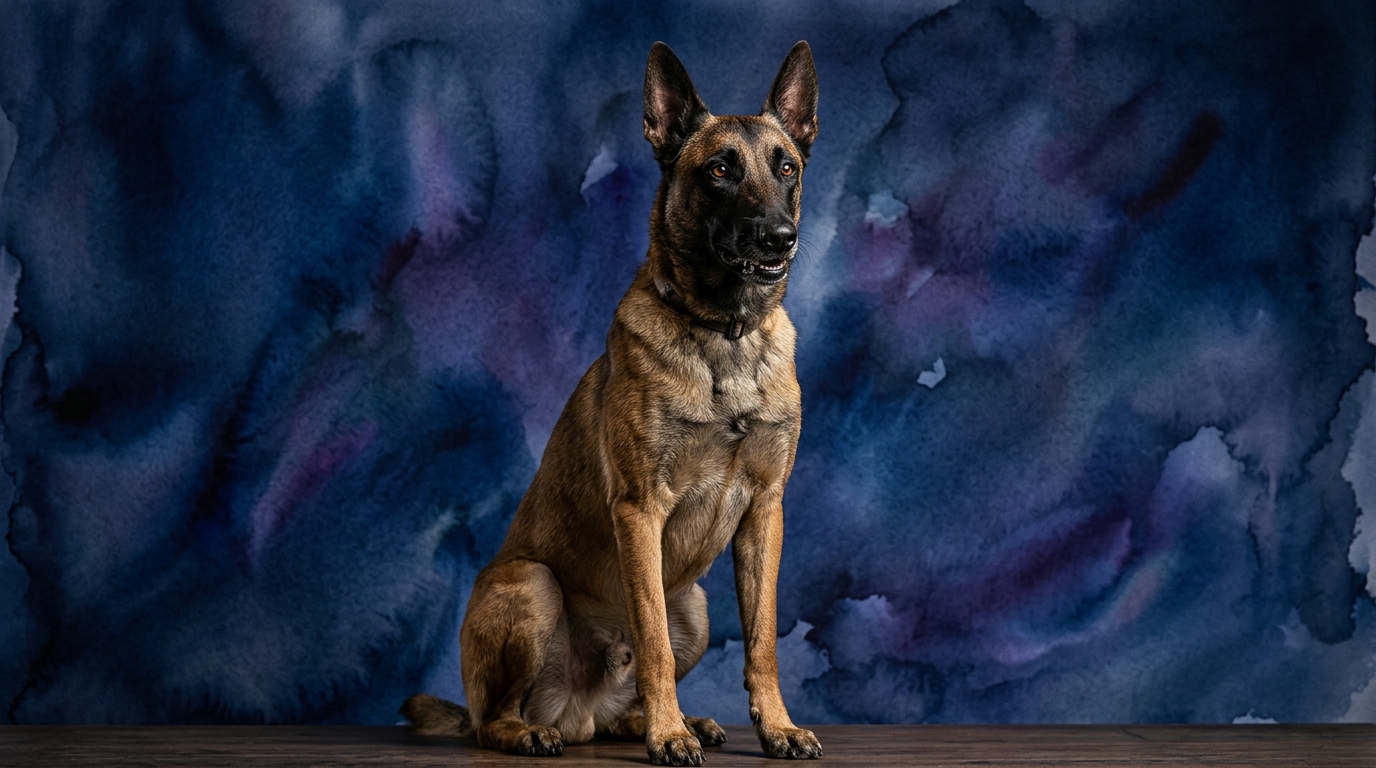
At The Cosmic Pet Pet IQ Lab, we analyze canine cognition across five critical dimensions. The Belgian Malinois, a Herding breed ranking #22 on the Coren scale, presents a profile geared for demanding, cooperative work. Their Problem Solving is rated 5/5, indicating an exceptional capacity for complex, multi-step tasks often involving deduction and strategy, especially when a clear goal is presented. They can quickly analyze novel situations within a structured environment to achieve desired outcomes, like navigating an intricate obstacle course or identifying a hidden target. Training Speed is also 5/5, reflecting their exceptional aptitude for rapid learning, often grasping new commands and sequences within a few repetitions. Their eagerness to work and strong desire for handler feedback contribute to this swift acquisition of skills, making them adept at advanced obedience and specialized tasks. Social Intelligence stands at 4/5; they are highly attuned to handler cues and intentions, forming deep, cooperative bonds. While they can read human emotions and respond appropriately in work contexts, their social focus is often directed towards their primary handler and immediate 'pack,' sometimes exhibiting reserved behavior with strangers. Their Instinctive Drive is a powerful 5/5, fueled by intense, focused drives for prey, protection, and vigilance, which are fundamental to their herding and working heritage. This intrinsic motivation fuels their relentless pursuit of tasks and makes them tireless in their dedication to a perceived 'job.' Finally, Memory is 5/5, showcasing superior long-term recall for commands, routines, and spatial layouts, retaining complex sequences and learned behaviors over extended periods, which supports their ability to perform intricate tasks reliably and consistently.
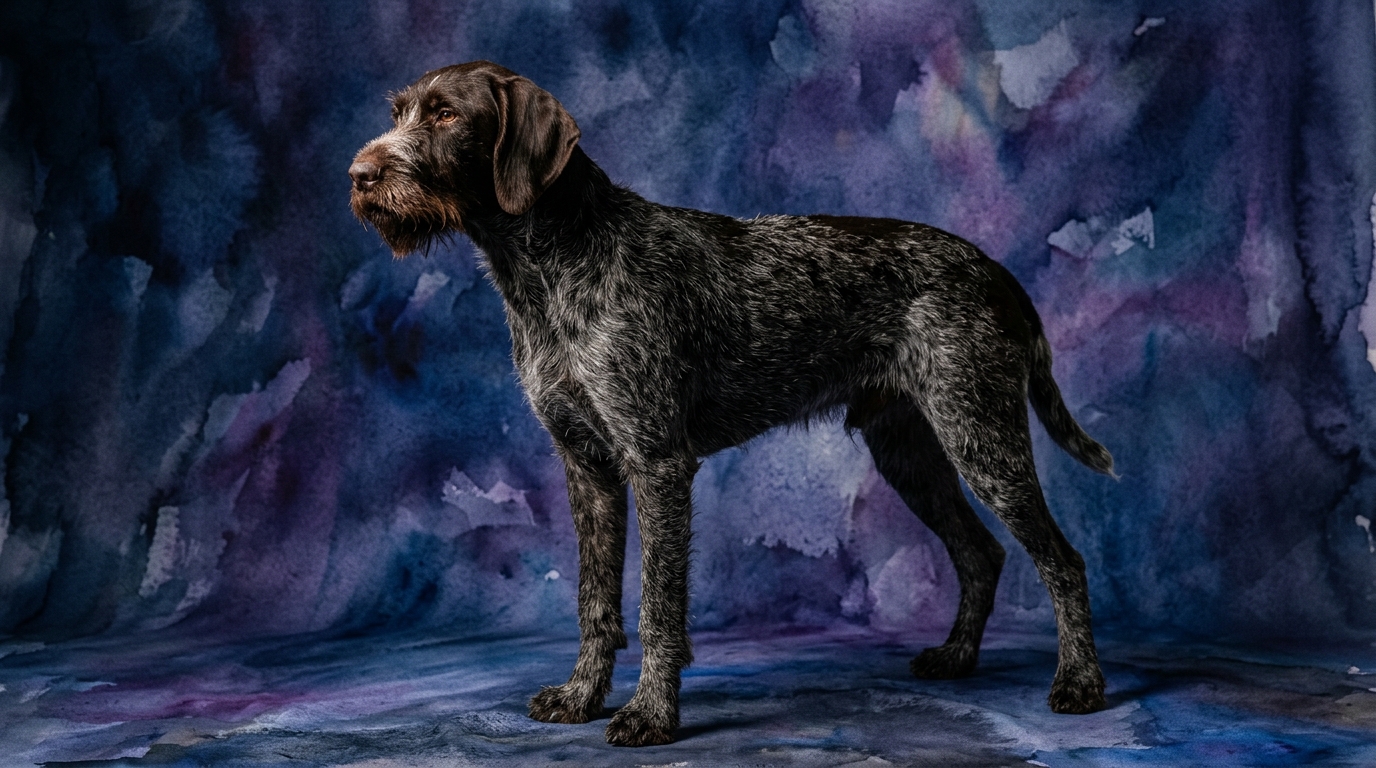
The German Wirehaired Pointer, a Sporting breed ranking #28 on the Coren scale, showcases a different, yet equally impressive, cognitive makeup, optimized for independent field work. Their Problem Solving is 4/5, indicating a strong capability for practical, field-oriented challenges, such as locating game in varied terrain or navigating dense cover. Their problem-solving often involves independent decision-making based on sensory input, rather than purely handler-directed logic. Training Speed is 4/5; they learn new commands effectively, though perhaps requiring slightly more repetition than the Malinois. They respond well to positive reinforcement and consistent methods, developing a solid repertoire of skills for hunting and companionship. Social Intelligence is 3/5; generally affable and cooperative with their family, they possess a practical social intelligence geared towards working alongside their human partners in the field. They are less intensely focused on reading nuanced human emotional states compared to a Malinois, often being more straightforward in their social interactions. Their Instinctive Drive is 3/5, characterized by strong hunting and pointing instincts that define their drives, motivating them to search, track, and retrieve. While persistent, these drives are typically less intense and less generalized than a Malinois's, primarily focused on game and field work rather than broad protection or vigilance. Their Memory is 4/5, demonstrating good recall for learned tasks, scents, and locations relevant to their hunting pursuits. They can remember complex routes and the location of fallen game, demonstrating reliable recall for information pertinent to their primary function.
Where the Belgian Malinois Wins Cognitively
The Belgian Malinois demonstrably excels in scenarios demanding superior performance in structured, handler-driven tasks. Their cognitive architecture is finely tuned for precision and obedience, making them adept at executing complex command sequences with minimal error. This breed exhibits a faster acquisition of complex obedience and specialized skills, rapidly integrating new information and applying it consistently. Furthermore, their acute awareness of a handler's subtle cues and intentions allows for tighter teamwork and more synchronized responses in high-stakes situations, almost anticipating the next instruction. This translates into an unwavering focus and intensity in their work drives, ensuring tasks are pursued with relentless dedication. Their superior memory means intricate command sequences are not just learned quickly but retained reliably over extended periods, contributing to their impressive consistency in performance.
Where the German Wirehaired Pointer Wins Cognitively
The German Wirehaired Pointer's cognitive strengths shine brightest in environments requiring independent problem-solving within dynamic, unstructured settings. Their intelligence is geared towards resourcefulness in the field, where they must assess situations and make decisions without constant handler direction, such as locating elusive game or navigating challenging terrain. This breed demonstrates remarkable resilience and adaptability in varied weather conditions and changing landscapes, relying on their own judgment and sensory input to accomplish their goals. They are less prone to overthinking or seeking constant handler validation during field work, operating with an impressive degree of self-sufficiency. This independence allows them to effectively utilize their keen senses and inherent instincts to track, point, and retrieve, making them exceptionally capable partners in hunting and outdoor exploration.
Which is Easier to Train, and Why?
When considering 'easier to train,' it’s crucial to define the context. For formal obedience and complex, high-precision task work, the Belgian Malinois often appears 'easier' due to their exceptional training speed (5/5) and profound desire to work cooperatively with their handler. Their instinctive drive (5/5) is intensely focused on engagement and task completion, meaning they absorb commands rapidly and strive for perfection in execution. A Malinois thrives on clear structure, consistent challenges, and constant mental engagement, readily performing intricate routines with impressive accuracy. Their robust memory (5/5) ensures commands stick, allowing trainers to build upon a solid foundation quickly. However, this ease comes with a caveat: their intensity means training is never low-effort; it's demanding but yields rapid, high-level results for an experienced trainer.
The German Wirehaired Pointer, while possessing a good training speed (4/5), presents a different training dynamic. They are easier in terms of general manageability for a dedicated owner seeking a capable hunting companion rather than a competitive obedience champion. Their instinctive drive (3/5) is more specifically focused on hunting and field work, meaning their motivation might be tied more to the intrinsic reward of the hunt itself rather than solely handler praise. Training a GWP requires patience, consistency, and often more creative methods to maintain focus, especially when their independent hunting instincts take over. They learn effectively, but their learning trajectory might be slightly slower for advanced, handler-dependent obedience compared to the Malinois. Their independence means they might question or prioritize a scent trail over a command if not thoroughly proofed. However, they are generally less prone to the intense anxiety or destructive behaviors often seen in an under-exercised Malinois, making their daily management potentially 'easier' for owners who can provide ample outdoor activity and mental stimulation through scent work.
Which Suits Active Owners vs. Relaxed Owners
The Belgian Malinois is exclusively suited for highly active, experienced, and deeply dedicated owners. This breed demands immense physical exercise, rigorous mental stimulation, and consistent, advanced training to thrive. They are not dogs for casual walks or occasional training sessions; a Malinois needs a 'job'—be it protection sports, agility, competitive obedience, or search and rescue—to channel their intense drives and formidable cognitive capacity. An owner seeking a relaxed, low-key companion will quickly find themselves overwhelmed by a Malinois's unmet needs, which can manifest as destructive behaviors or anxiety.
The German Wirehaired Pointer, while still requiring significant activity, suits active owners who enjoy robust outdoor pursuits like hiking, hunting, trail running, or extensive adventuring. They need substantial daily exercise and mental engagement, particularly through scent work, retrieving games, and exploring varied environments. While they can adapt to a slightly less demanding routine than a Malinois, they are by no means a 'relaxed' dog. They thrive with owners who appreciate their independent spirit and are enthusiastic about engaging them in activities that leverage their natural sporting instincts. A truly relaxed owner, one who prefers minimal daily activity, would struggle to meet the energetic and mental needs of a GWP.
The Verdict: When to Choose Each Breed
The Verdict
Choose the Belgian Malinois if you are an experienced dog handler seeking a canine partner for demanding, high-stakes work, competitive dog sports, or a highly structured, task-oriented lifestyle, and you are prepared to invest significant time and expertise into their rigorous training and mental stimulation.
Choose the German Wirehaired Pointer if you are an active outdoor enthusiast looking for a resilient, independent, and enthusiastic companion for hunting, hiking, or other field activities, and you appreciate a dog with a strong, but more specialized, set of instincts.
🧠 Find Your Pet's IQ Score
Our Pet IQ Lab assessment covers 25+ tests across 5 cognitive dimensions — personalized to your breed.
Take the Full IQ Test →Frequently Asked Questions
Are Belgian Malinois good family dogs?
Belgian Malinois can be devoted family members when properly socialized and exercised, but their intense drives and need for a 'job' mean they thrive best in experienced homes that understand their specific requirements for training and mental engagement. They are not typically recommended for novice owners or homes seeking a low-maintenance pet.
How much exercise does a German Wirehaired Pointer need?
German Wirehaired Pointers require substantial daily exercise, typically 60-90 minutes or more of vigorous activity like running, hiking, or extensive off-leash play in a secure area. Their sporting heritage means they benefit greatly from activities that engage their natural hunting and retrieving instincts.
Do Belgian Malinois and German Wirehaired Pointers get along with other pets?
With proper early socialization, both breeds can learn to coexist with other pets. However, the Malinois's strong prey drive and protective instincts require careful management, while the GWP's hunting drive means small, fast-moving animals might trigger their chase instinct, requiring responsible supervision.