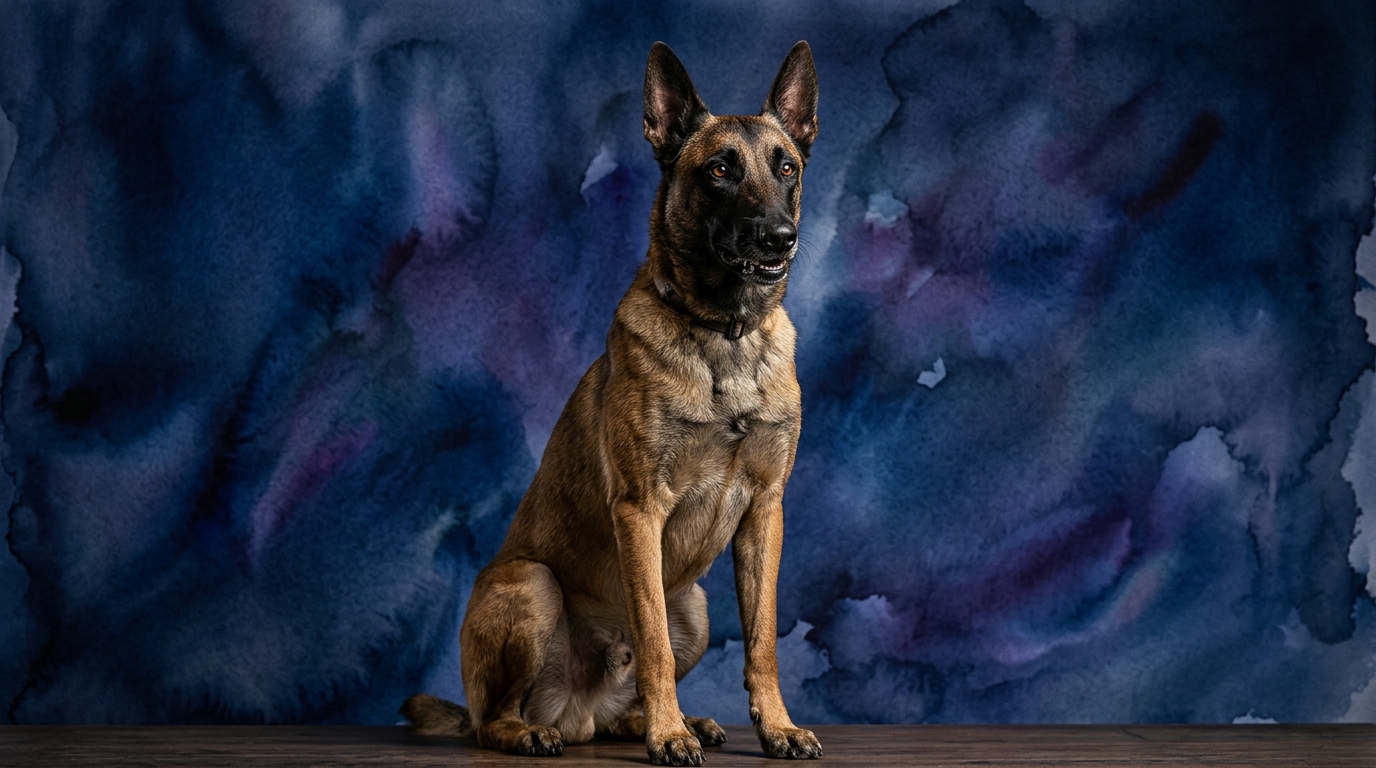
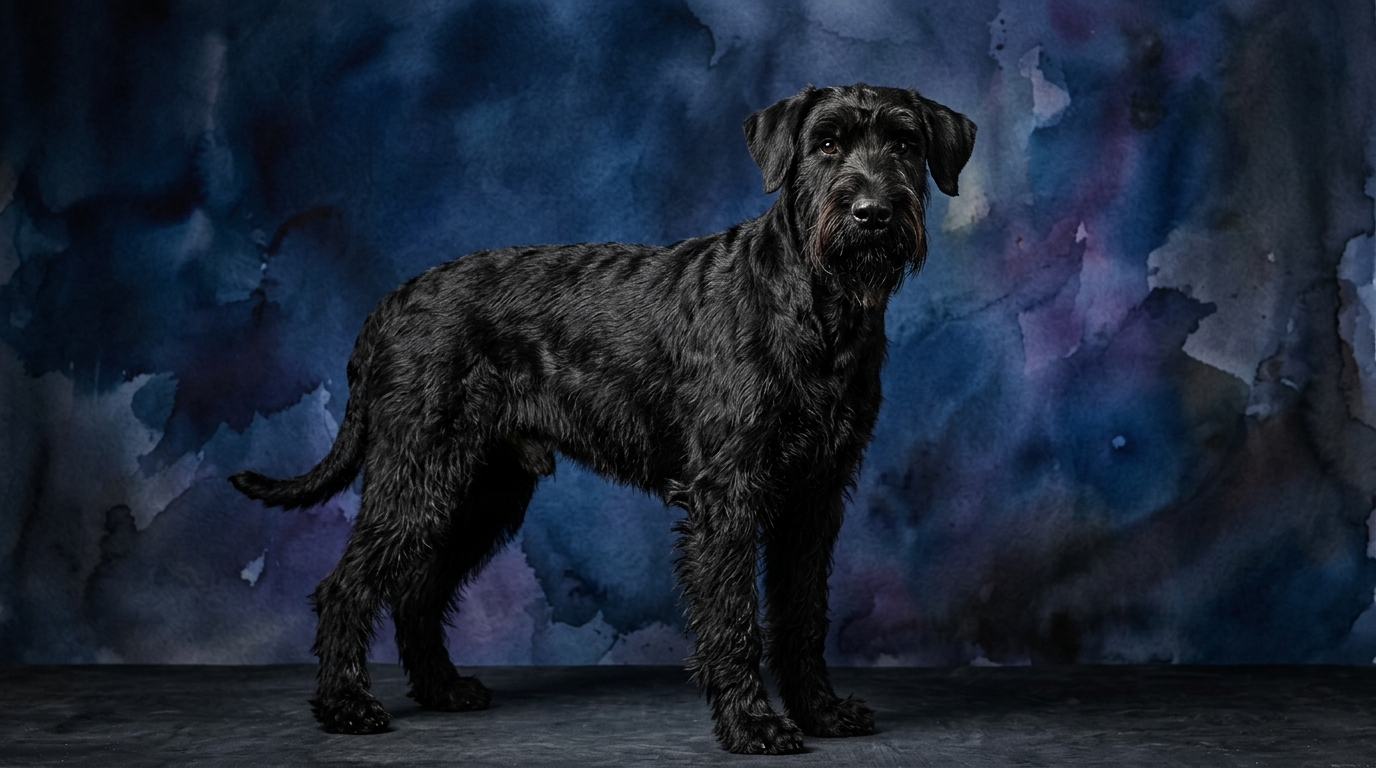
Side-by-Side Cognitive Profile
The Cosmic Pet Pet IQ Lab employs a five-dimensional framework to assess canine intelligence, offering a granular view beyond simple obedience. For the Belgian Malinois, ranked #22 by Coren, its profile is marked by exceptional cognitive agility across the board. Its Problem Solving is rated 5/5, indicating a dog that rapidly analyzes novel situations and independently devises effective solutions. Training Speed also stands at 5/5, reflecting an extraordinary capacity to absorb and internalize new commands with minimal repetition. Social Intelligence, at 4/5, denotes strong handler focus and an astute understanding of human cues, though often with a discerning approach to strangers. An Instinctive Drive of 5/5 highlights an unwavering, intense motivation for work and task completion, while Memory, also 5/5, ensures learned behaviors and experiences are retained with remarkable durability.
The Giant Schnauzer, holding Coren's #28 rank, presents a robust yet distinctly different cognitive blueprint. Its Problem Solving ability is rated 4/5, suggesting a capable dog that can tackle complex challenges, often through methodical application of learned patterns, though perhaps with less spontaneous invention than the Malinois. Training Speed is 4/5, signifying efficient learning that responds well to consistent, positive reinforcement, albeit not with the instantaneous assimilation seen in the Malinois. Social Intelligence at 3/5 points to a breed that is deeply loyal and protective of its inner circle but can be reserved or aloof with outsiders, requiring careful socialization. An Instinctive Drive of 3/5 means they possess a strong desire for purpose and protection, yet this drive is typically less pervasive and all-consuming than the Malinois's. Finally, a Memory score of 4/5 indicates solid retention of training and experiences, building effectively upon past lessons.
Where the Belgian Malinois Excels Cognitively
The Belgian Malinois demonstrates superior cognitive performance in domains demanding independent thought, rapid assimilation, and sustained intensity. Its 5/5 Problem Solving manifests in an unparalleled ability to quickly adapt to changing environments, such as navigating complex scent trails or improvising tactics in protection exercises without constant handler direction. This breed doesn't just execute commands; it processes scenarios and makes proactive decisions. The 5/5 Training Speed is evident in how swiftly a Malinois transitions from initial exposure to mastery, requiring significantly fewer repetitions for new commands to become ingrained. This cognitive efficiency allows for the rapid acquisition of sophisticated skills necessary for high-level working roles. Furthermore, its 5/5 Instinctive Drive fuels an enduring focus and an almost insatiable desire to engage in meaningful tasks, making them relentless in pursuit of a goal. This drive, combined with a 5/5 Memory, ensures that once a concept is learned, it is retained indefinitely, providing a highly reliable and continuously building skill set.
Where the Giant Schnauzer Excels Cognitively
While often a point lower in specific cognitive metrics, the Giant Schnauzer's strengths lie in a different quality of intelligence, particularly its steadfastness and discerning nature. Its 4/5 Problem Solving rating denotes a dog that, while not always as spontaneously inventive as the Malinois, approaches challenges with a thoughtful, systematic logic. They excel in tasks requiring consistent, robust execution once a method is established, relying on learned patterns and a resolute determination. This methodical approach contributes to their reliability in roles like guarding. The Giant Schnauzer’s 3/5 Social Intelligence, while indicating reserve with strangers, underscores a profound, unwavering loyalty and discernment within its family unit. They form deep bonds and direct their protective instincts inward, making them formidable guardians. Their 4/5 Memory ensures that learned behaviors and boundaries are deeply ingrained, contributing to their steadfastness and predictable behavior once trained. This breed offers a formidable presence and a persistent, considered approach to tasks, thriving on consistency and a clear understanding of its role.
Ease of Training: Behavioral Differences
Assessing ease of training reveals distinct behavioral foundations between these two breeds. The Belgian Malinois, with its 5/5 Training Speed, typically presents a swifter learning curve. Their inherent high drive and intense eagerness to work mean they often require fewer repetitions to grasp new concepts, quickly connecting actions with desired outcomes. This makes them exceptionally responsive to experienced trainers who can channel their boundless energy and cognitive agility. However, this very intensity means any inconsistency or lack of clear direction can lead a Malinois to apply their intelligence in undesirable ways, demanding precise and confident handling. The Giant Schnauzer, while highly trainable at 4/5 Training Speed, thrives on consistent, positive reinforcement and a more methodical approach. They are less about raw speed and more about building a solid, reliable foundation through clear communication and patience. Schnauzers often need to understand the 'why' behind a command and can become stubborn if they perceive a lack of fairness or logic, making a patient and consistent training style crucial. The Malinois seeks constant engagement and a rapid pace, while the Schnauzer values understanding and routine.
Suitability for Active vs. Relaxed Owners
The optimal owner profile for a Belgian Malinois versus a Giant Schnauzer significantly diverges based on activity levels and commitment to daily engagement. The Belgian Malinois, with its 5/5 Instinctive Drive and boundless energy, is unequivocally suited for highly active owners who can provide a rigorous daily regimen of physical exercise and intense mental stimulation. These dogs thrive when they have a challenging job, be it competitive dog sports, protection work, or extensive outdoor adventures. A Malinois requires an owner who is not just active, but deeply committed to advanced training and channeling their breed's intense focus. For relaxed owners, or those seeking a more sedate companion, a Malinois will likely become restless, destructive, or develop behavioral issues due to unmet needs, making them a poor fit.
The Giant Schnauzer, while certainly an active breed requiring substantial exercise and mental engagement, operates at a slightly different tempo. Their 3/5 Instinctive Drive suggests they need purpose and activity, but not necessarily the relentless, high-octane work demanded by a Malinois. They enjoy long walks, hikes, and training sessions, but are typically content to settle down indoors after their needs are met. They are better suited for active owners who appreciate a robust companion but might not be able to dedicate every waking moment to canine activities. A Giant Schnauzer can adapt to a moderately active household that prioritizes consistent training and companionship, making them a more flexible choice for those who are active but not necessarily 'working dog' intense.
The Verdict
Choose the Belgian Malinois if you are an experienced, dedicated owner prepared to channel immense drive and cognitive agility into a full-time working partnership, thriving on constant challenge and activity.
Opt for the Giant Schnauzer if you seek a robust, loyal guardian with substantial activity needs and a discerning social nature, valuing consistency and a strong bond over relentless, high-speed performance.
🧠 Find Your Pet's IQ Score
Our Pet IQ Lab assessment covers 25+ tests across 5 cognitive dimensions — personalized to your breed.
Take the Full IQ Test →Frequently Asked Questions
Are Belgian Malinois good family dogs?
Belgian Malinois can be good family dogs for experienced households, provided their intense physical and mental needs are consistently met. They form strong bonds with their primary family but require extensive socialization and training to manage their drive and protective instincts around children and strangers effectively. Without proper management, their high energy and bite drive can be overwhelming for a typical family environment.
Do Giant Schnauzers bark a lot?
Giant Schnauzers can be prone to barking, especially if not adequately socialized, trained, or if they perceive a threat to their family or territory. Their strong protective instincts mean they are vigilant watchdogs, often alerting to anything unusual. However, excessive or nuisance barking can usually be managed with consistent training, sufficient mental and physical stimulation, and clear boundaries.
Which breed is better for first-time dog owners?
Neither the Belgian Malinois nor the Giant Schnauzer is typically recommended for first-time dog owners due to their strong temperaments, significant training requirements, and high activity needs. Both breeds require confident, consistent leadership and a deep understanding of working dog characteristics to thrive. While both present challenges, the Giant Schnauzer might be marginally more forgiving due to a slightly less intense drive compared to the Malinois.