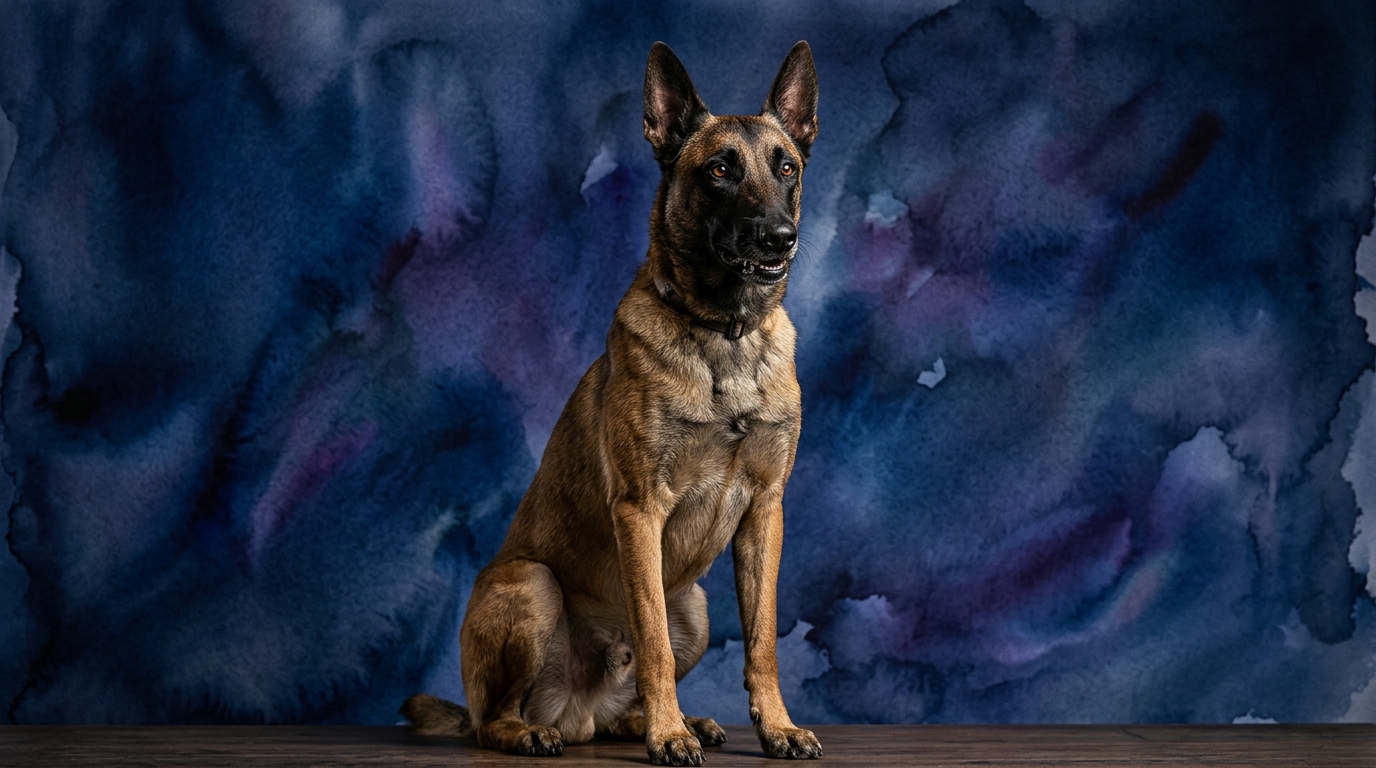
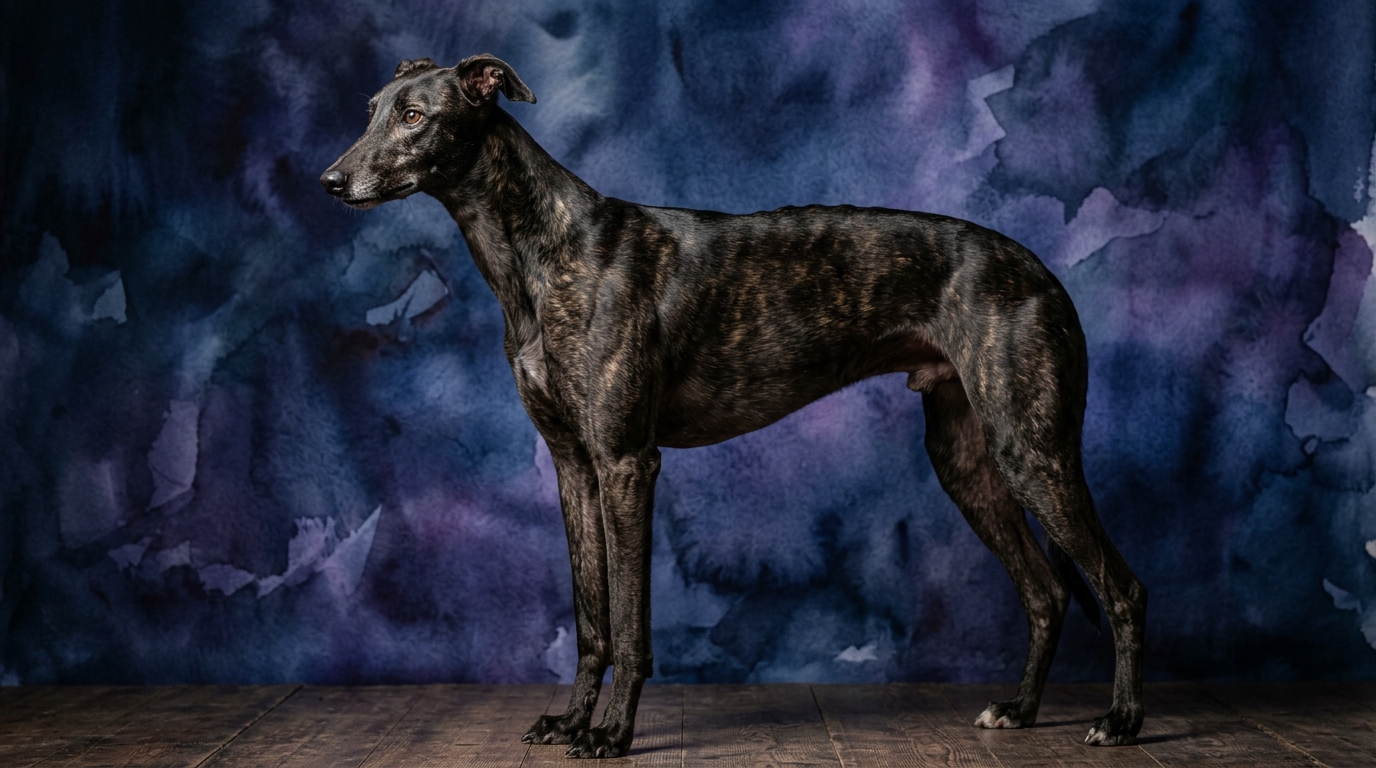
Side-by-Side IQ Profile: Belgian Malinois vs. Greyhound
At The Cosmic Pet Pet IQ Lab, we evaluate canine intelligence across five critical dimensions to provide a nuanced understanding of each breed’s cognitive strengths. Let's examine how the Belgian Malinois and Greyhound stack up:
**Belgian Malinois (Coren rank #22)**
**Problem Solving (5/5):** The Malinois excels at dissecting complex situations and devising effective solutions, indicating a profound capacity for analytical thought and adaptability. They don't just follow instructions; they often anticipate and strategize.
**Training Speed (5/5):** Their rapid assimilation of new commands and concepts, coupled with an eagerness to work, makes them exceptionally quick learners. This breed grasps intricate tasks with minimal repetition.
**Social Intelligence (4/5):** These dogs possess a strong understanding of human cues and social hierarchies, allowing them to integrate effectively into structured environments and respond well to nuanced guidance. They are perceptive to their handler's intentions.
**Instinctive Drive (5/5):** A powerful, innate motivation to herd, protect, or pursue fuels their actions, making them highly driven and persistent in tasks. This drive is a core component of their working utility.
**Memory (5/5):** The Malinois demonstrates an outstanding ability to retain learned behaviors, routes, and associations over extended periods, contributing to their reliability in complex, multi-step roles.
**Greyhound (Coren rank #46)**
**Problem Solving (3/5):** Greyhounds show a moderate ability to navigate novel challenges, often relying on established routines or simple solutions rather than complex strategizing. They are less inclined to independently figure out intricate puzzles.
**Training Speed (2/5):** While capable of learning, their pace is slower, and they may require more repetition and motivation to grasp and consistently execute new commands. Patience is key when training a Greyhound.
**Social Intelligence (3/5):** They are generally amenable to social interaction but might be less attuned to subtle human emotional shifts compared to more socially dependent breeds. Greyhounds are affectionate but can be more independent in their social responses.
**Instinctive Drive (5/5):** Their sighthound heritage manifests as an intense, innate drive to chase and pursue, particularly fast-moving objects, a core aspect of their being. This drive is powerful and specific.
**Memory (3/5):** Greyhounds possess a functional memory, capable of recalling important routines and familiar people, but perhaps not the intricate detail or long-term recall seen in breeds with higher scores.
Where the Belgian Malinois Excels Cognitively
The Belgian Malinois demonstrates clear cognitive advantages across several dimensions, making them particularly suited for roles demanding intricate mental engagement. Their perfect 5/5 score in Problem Solving means they don't just follow commands; they actively analyze situations, such as figuring out how to open a complex gate or navigating an obstacle course with minimal prior instruction. This analytical prowess, combined with a 5/5 Training Speed, allows them to master advanced tasks like scent detection, intricate obedience routines, or protection work with remarkable efficiency. Furthermore, their 4/5 Social Intelligence ensures they are highly receptive to human direction, understanding nuanced cues and forming strong working partnerships. A Malinois's 5/5 Memory is crucial for retaining vast repertoires of commands and protocols, making them dependable in high-stakes environments where recall of detailed procedures is paramount. For instance, a Malinois can remember a multi-step search pattern or a sequence of protection exercises over long periods without significant re-training, a testament to their robust cognitive architecture designed for complex, sustained work.
Where the Greyhound's Cognitive Profile Shines
While the Greyhound's cognitive profile might appear less versatile in general problem-solving, their unique strengths lie in highly specialized, instinct-driven intelligence. Both breeds share a 5/5 Instinctive Drive, but for the Greyhound, this manifests as an unparalleled focus on visual pursuit, honed over centuries of sighthound breeding. Their cognitive processing is optimized for detecting and tracking movement over vast distances, a specific form of problem-solving applied to hunting. This intense, singular drive, rather than being a drawback, is a cognitive advantage in scenarios where rapid, unhesitating pursuit is required. For instance, a Greyhound can process visual stimuli at incredible speeds, identifying a distant lure or small animal and initiating a chase with almost no hesitation, a feat of rapid recognition and motor planning. Their moderate Social Intelligence and Memory (both 3/5) are perfectly adequate for forming strong bonds with their human families and remembering household routines, allowing them to be calm and affectionate companions once their drive to run has been satisfied. Their cognitive 'win' is in their optimized efficiency for a specific, ancient purpose, leading to a generally less demanding mental presence in a home environment compared to the constantly seeking Malinois.
Trainability: Malinois vs. Greyhound
The difference in trainability between these two breeds is significant, directly reflecting their IQ scores. The Belgian Malinois, with its 5/5 Training Speed and 5/5 Problem Solving, is inherently easier and faster to train for a wide array of tasks. They possess an innate drive to understand and perform, quickly connecting actions with consequences and retaining lessons due to their excellent memory. This means a Malinois often requires fewer repetitions to master a new command and actively seeks out mental challenges, making them eager participants in training sessions. In contrast, the Greyhound's 2/5 Training Speed indicates a slower learning curve and a greater need for patience and consistent motivation. While not untrainable, Greyhounds can be more independent thinkers, sometimes prioritizing their comfort or instinctive urges over human directives. Their moderate problem-solving (3/5) means they may not spontaneously generalize learned behaviors to new situations as readily as a Malinois, often requiring more structured guidance. Real behavioral differences include the Malinois's intense focus and desire to please their handler, contrasted with the Greyhound's more relaxed, sometimes aloof demeanor, where their primary motivation might be the joy of a good chase rather than constant engagement with their human.
Suitability for Active vs. Relaxed Owners
The cognitive profiles of the Belgian Malinois and Greyhound dictate vastly different requirements for their human companions. The Malinois is unequivocally suited for active owners who are prepared to provide extensive mental and physical stimulation. Their 5/5 Instinctive Drive, combined with high Problem Solving and Training Speed, means they thrive on purpose and consistent engagement. An owner who enjoys dog sports, advanced obedience, protection work, or long, structured training sessions will find a Malinois an exhilarating partner. Without sufficient outlets for their sharp minds and boundless energy, a Malinois can quickly become bored and destructive, channeling their drives into unwanted behaviors. Conversely, the Greyhound, despite its legendary speed and 5/5 Instinctive Drive for chasing, is surprisingly well-suited for more relaxed owners, once their daily sprint needs are met. Often referred to as '45 mph couch potatoes,' Greyhounds enjoy short bursts of intense exercise followed by long periods of napping. Their moderate problem-solving and training speed mean they don't demand constant mental puzzles. An owner seeking a calm, affectionate companion who enjoys regular, but not incessant, walks and the occasional opportunity to stretch their legs in a secure yard will find a Greyhound to be a delightful, low-maintenance housemate.
The Verdict
Choose a Belgian Malinois if you are an experienced, active owner seeking a highly trainable, mentally engaged working partner for demanding tasks or competitive dog sports.
Choose a Greyhound if you desire a calm, affectionate companion who enjoys moderate exercise, prefers relaxed home environments, and appreciates focused bursts of instinctive activity.
🧠 Find Your Pet's IQ Score
Our Pet IQ Lab assessment covers 25+ tests across 5 cognitive dimensions — personalized to your breed.
Take the Full IQ Test →Frequently Asked Questions
Is a Greyhound suitable for a first-time dog owner?
A Greyhound can be suitable for a first-time owner who understands their specific needs for secure off-leash areas and a generally calm home environment, as their moderate cognitive demands are often manageable. They are typically gentle and adaptable, making them good companions for those new to dog ownership.
How much mental exercise does a Belgian Malinois need daily?
A Belgian Malinois requires significant daily mental exercise, typically needing at least 30-60 minutes of dedicated training, puzzle toys, or structured activities beyond physical exercise to satisfy their high problem-solving and training speed drives. Without this, they can become bored and develop undesirable behaviors.
Can Greyhounds live with other small pets like cats?
While Greyhounds have a strong instinctive drive to chase, many can successfully live with cats or other small pets with proper introductions and supervision, especially if they have been raised with them. However, their high prey drive means careful assessment and management are always necessary to ensure safety.