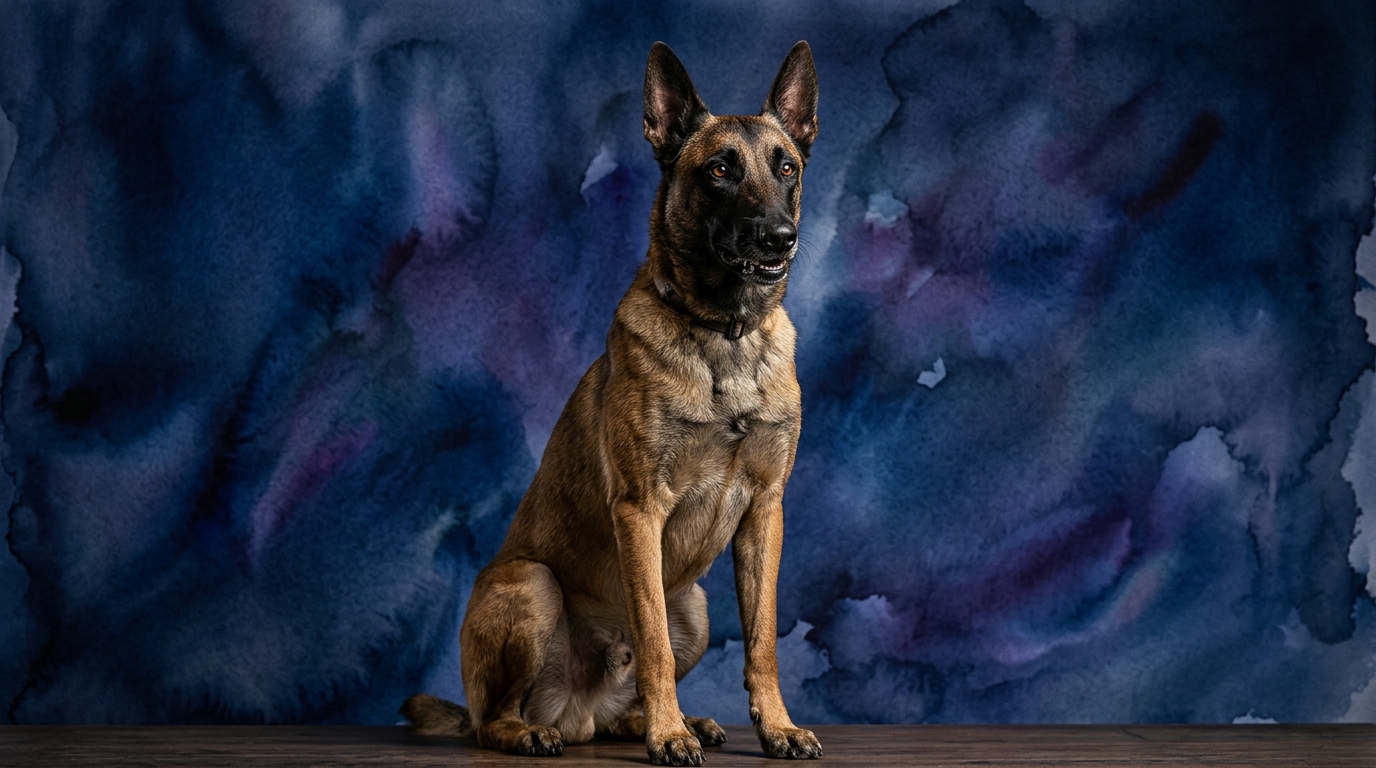
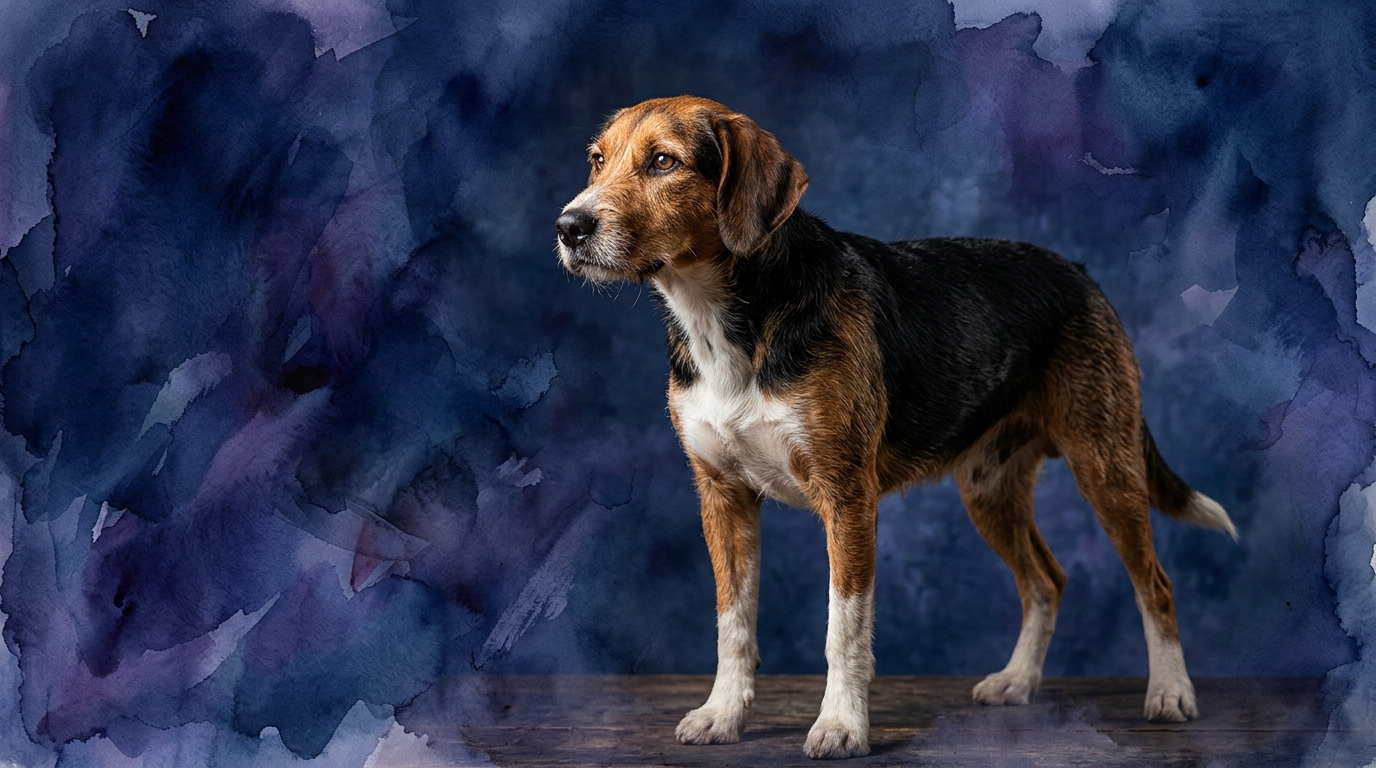
Side-by-Side Cognitive Profile: Malinois vs. Harrier
The Cosmic Pet Pet IQ Lab employs a comprehensive five-dimensional framework to assess canine cognition, offering a nuanced view of how different breeds process information and interact with their environments. For the Belgian Malinois, a Herding breed ranked #22 by Coren, its profile reflects a highly capable working dog. Its Problem Solving is rated 5/5, indicating an exceptional capacity for complex thought and task execution, allowing them to decipher intricate scenarios and adapt learned behaviors efficiently. Training Speed also scores 5/5, highlighting their rapid acquisition of new commands and concepts, often requiring minimal repetitions due to their keen focus and desire to engage. Social Intelligence stands at 4/5, signifying a strong, responsive bond with their primary handler, enabling them to interpret subtle human cues and collaborate effectively in tasks, though their focus is primarily directed towards their human partner. An Instinctive Drive of 5/5 speaks to their intense innate motivations for purpose-driven activity, whether herding, protection, or detection work, which fuels their unwavering work ethic. Finally, Memory at 5/5 underscores their remarkable ability to retain complex sequences, detailed instructions, and environmental associations over extended periods.
In contrast, the Harrier, a Hound breed not listed in Coren’s rankings, presents a different cognitive blueprint, reflecting its heritage as a persistent scent tracker. Its Problem Solving is rated 3/5, indicating a methodical approach primarily focused on unraveling complex scent trails rather than abstract or human-directed strategic thinking. Training Speed receives a 3/5, suggesting a moderate learning pace that often requires more patience and repetition, as their independent nature means they are less inherently driven by human direction. Social Intelligence is also 3/5; while they are generally friendly and enjoy companionship, their attention can easily be diverted by compelling environmental stimuli, especially scents, making them less intensely focused on human social cues than a Malinois. Their Instinctive Drive is 3/5, emphasizing their strong, innate urge to scent and pursue game, a drive that guides their actions independently. Memory, at 3/5, indicates they retain basic commands and routines within their specific hunting context, but may not possess the same capacity for intricate, multi-step command sequences or recall of varied tasks as their Herding counterpart.
Where the Belgian Malinois Wins Cognitively
The Belgian Malinois demonstrates distinct cognitive advantages in several key areas. Their exceptional Problem Solving (5/5) translates into superior executive functioning, allowing them to plan, sequence, and execute multi-faceted tasks with remarkable precision. This extends to abstract learning, where they can apply concepts beyond concrete examples, making them adept at adapting to novel situations within structured environments. Their social intelligence, particularly their handler-centric problem-solving, is a significant win; they excel at interpreting subtle human body language and vocal cues to solve problems collaboratively, making them highly responsive partners in complex operations. Furthermore, their combined 5/5 Training Speed and 5/5 Memory give them an unparalleled capacity for mastering new skills rapidly and retaining them long-term, from intricate obedience routines to specialized detection work, demanding fine-tuned responses and controlled actions that few breeds can match.
Where the Harrier Wins Cognitively
The Harrier's cognitive strengths, while different from the Malinois, are equally specialized and effective within their intended purpose. Their primary cognitive triumph lies in olfactory problem-solving. They possess an extraordinary ability to unravel complex scent puzzles, meticulously tracking a trail across varied terrains and through numerous distractions. This isn't just following a scent; it involves making intricate decisions based purely on olfactory information, prioritizing specific cues, and demonstrating immense persistence. Their cognitive architecture supports sustained, self-directed work over long distances, requiring an unwavering focus on a single sensory input – scent – which is a unique form of cognitive endurance. This independent pursuit, coupled with a nuanced environmental awareness centered around scent, allows them to process and prioritize information in a way that is highly specialized for their hunting role, often operating effectively without constant human direction.
Which is Easier to Train and Why
When it comes to ease of training, the Belgian Malinois holds a significant advantage. Their 5/5 Training Speed, combined with a 5/5 Memory and a powerful Instinctive Drive to work collaboratively with a handler, makes them incredibly receptive. Malinois possess an intense desire for purposeful engagement and readily absorb complex commands, often understanding new concepts with minimal repetitions. Their 4/5 Social Intelligence toward their human partner means they are constantly looking for guidance and feedback, making them highly biddable and keen to please. This combination allows for the rapid development of advanced obedience, protection skills, or specialized detection work, making the training process efficient and rewarding for an experienced handler.
Conversely, the Harrier presents a greater challenge in traditional obedience training due to its 3/5 Training Speed and 3/5 Memory, coupled with an instinctive drive primarily focused on independent scent work. Harriers are less motivated by human approval and more by their powerful nose, meaning a compelling scent can easily override a command. Their independent nature often requires more patience, consistency, and highly motivating positive reinforcement to achieve desired behaviors. While they can learn basic commands, their attention span for structured tasks might be shorter, and their recall, especially when on a scent, can be particularly difficult to solidify, demanding a deep understanding of hound psychology and persistent effort from their owner.
Which Suits Active Owners vs. Relaxed Owners
For owners with an active lifestyle and a desire for a highly engaged canine partner, the Belgian Malinois is an ideal match. These dogs thrive on consistent physical exertion combined with demanding mental challenges, such as advanced obedience, agility, protection sports, or detection work. Their inherent drive and cognitive capabilities demand a structured routine that continuously stimulates their problem-solving skills and work ethic. An owner unable to provide this intensive outlet risks a frustrated Malinois, which may manifest as destructive behaviors or anxious tendencies, as their profound cognitive and physical needs remain unmet.
The Harrier, while also needing regular exercise, suits owners whose activity is focused on outdoor exploration rather than intense, structured training. They benefit from long walks, runs, or hikes where they can engage their powerful nose and follow scent trails, fulfilling their natural instincts. A 'relaxed owner' in this context means someone who can provide consistent opportunities for physical activity and companionship without the expectation of competitive dog sports or highly advanced obedience. While Harriers are not suited for entirely sedentary lifestyles, their mental fulfillment comes from engaging with their environment through scent and enjoying the company of their human or canine pack, rather than continuous structured cognitive challenges.
The Verdict: When to Choose Each Breed
The Verdict
Opt for a Belgian Malinois if you are an experienced owner seeking a highly engaged partner for advanced training, dog sports, or working roles, prepared to dedicate significant time to their intensive physical and cognitive needs.
Select a Harrier if you appreciate an independent, scent-driven companion for long outdoor adventures, valuing their unique tracking abilities and social pack nature over intense obedience and structured mental work.
🧠 Find Your Pet's IQ Score
Our Pet IQ Lab assessment covers 25+ tests across 5 cognitive dimensions — personalized to your breed.
Take the Full IQ Test →Frequently Asked Questions
How does a Malinois's instinctual drive affect its daily life?
A Malinois's intense drive means they constantly seek purpose and activity, often manifesting as a strong desire to herd, protect, or retrieve. Without appropriate outlets like structured training, demanding physical exercise, and challenging mental puzzles, this drive can lead to boredom and undesirable behaviors.
Can a Harrier be trained for advanced obedience or agility?
While a Harrier can learn basic obedience and some agility, their independent nature and focus on scent make advanced training more challenging and time-consuming than with a Malinois. They may excel in scent work or tracking sports, which align with their natural drives, but often lack the consistent handler focus for high-level obedience.
What are the key differences in social interaction between these two breeds?
The Belgian Malinois typically forms a very strong, focused bond with its primary handler, often exhibiting less interest in strangers or other dogs without specific socialization. Harriers, being pack hounds, are generally social with other dogs and friendly with people, though their attention can easily be diverted by interesting scents in the environment.