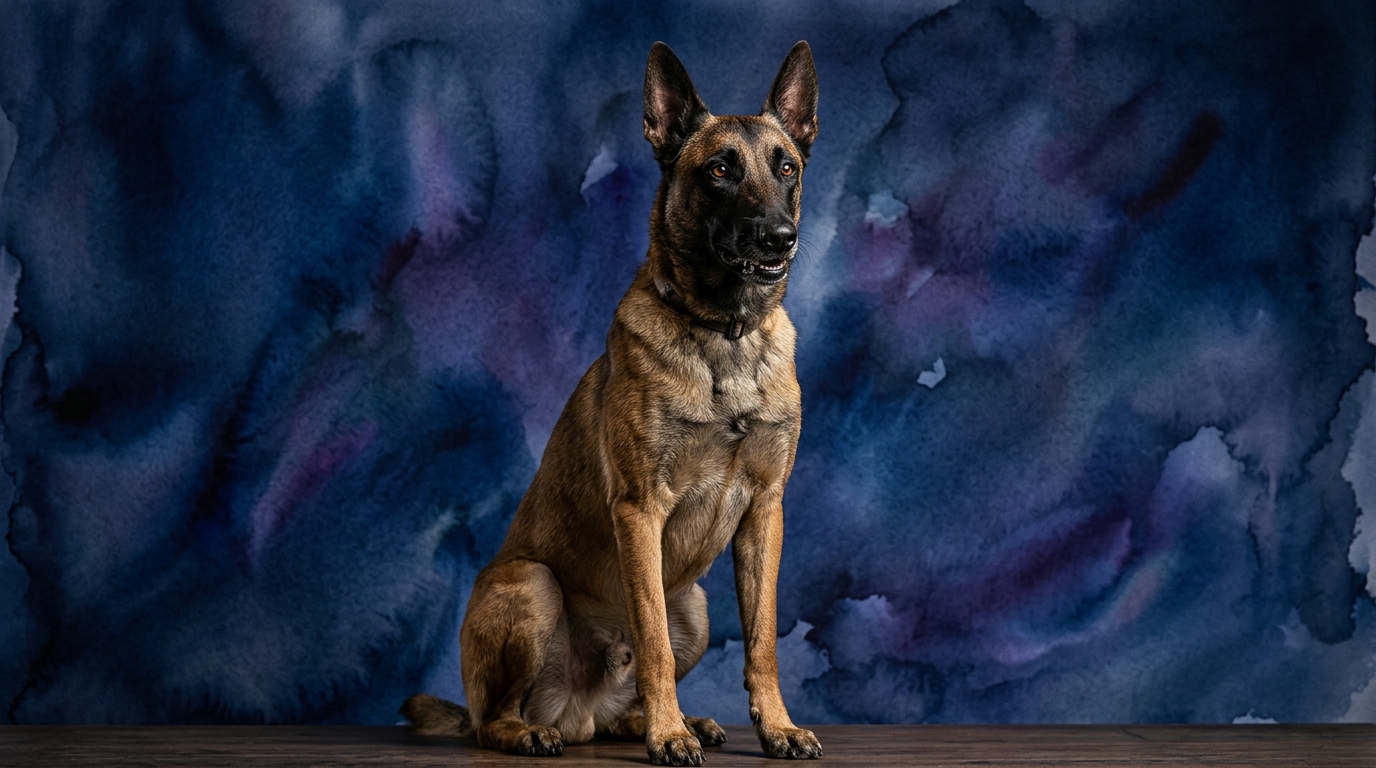
Side-by-Side IQ Profile: Belgian Malinois
The Belgian Malinois, a Herding breed with a Coren rank of #22, presents a robust cognitive profile tailored for demanding work. Their Problem Solving score of 5/5 signifies an extraordinary capacity to analyze complex situations and devise effective solutions, critical for roles demanding rapid, precise decisions. A perfect 5/5 in Training Speed highlights their remarkable efficiency in absorbing new commands and behaviors, often requiring minimal repetition to solidify learning. While their Social Intelligence stands at 4/5, it reflects a strong understanding of human cues and pack dynamics, typically focused on task-oriented interaction rather than broad amiability. Their Instinctive Drive is a profound 5/5, indicating an unparalleled intrinsic motivation for work, prey engagement, and territorial vigilance, which fuels their relentless pursuit of objectives. Finally, a 5/5 in Memory ensures outstanding retention of learned behaviors, intricate command sequences, and environmental details, making them exceptionally reliable in long-term, specialized duties.
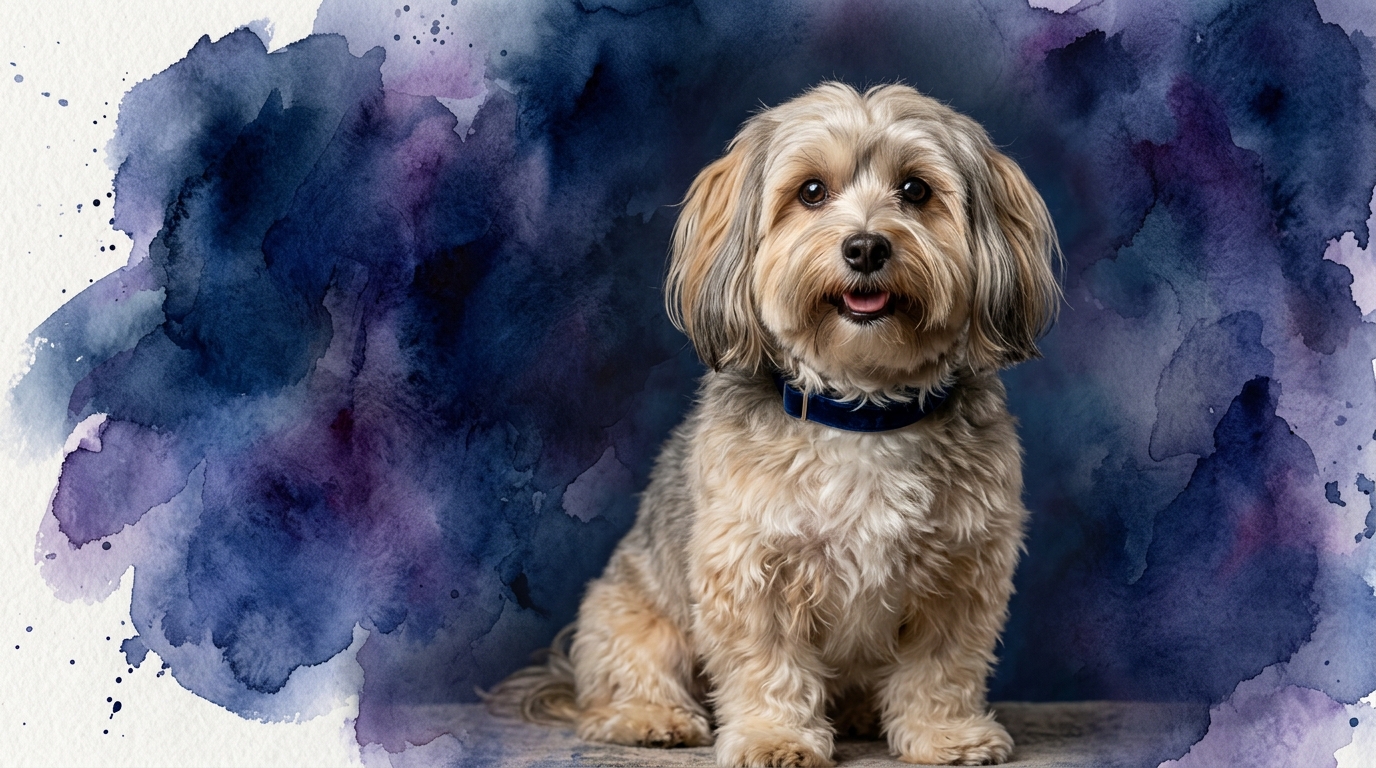
Side-by-Side IQ Profile: Havanese
The Havanese, a charming Toy breed not specifically Coren-ranked, showcases a cognitive makeup optimized for companionship and social harmony. Their Problem Solving is rated 3/5, indicating a moderate ability to navigate novel challenges, often relying on learned patterns or guidance from their human companions rather than independent strategizing. With a Training Speed of 3/5, they learn at a steady pace, requiring consistent positive reinforcement and patience to master new commands and behaviors. Where they truly excel is in Social Intelligence, earning a perfect 5/5, reflecting an exceptional aptitude for understanding and responding to social cues, both human and canine. Their Instinctive Drive is a lower 2/5, meaning their primary motivations stem from companionship, play, and comfort rather than intense work-oriented tasks or strong prey drives. A Memory score of 3/5 ensures solid recall of familiar routines, established commands, and significant social interactions, serving them well in their role as an adaptable and affectionate family member.
Where the Belgian Malinois Wins Cognitively
The Belgian Malinois demonstrates superior cognitive function in domains directly linked to its heritage as an elite working and protection dog. Their Problem Solving score of 5/5 reflects an exceptional capacity to process intricate scenarios, such as tracking a scent through varied terrain or discerning threats in a crowd, and then executing a precise response. This cognitive ability allows them to adapt and strategize effectively in high-pressure situations, making them indispensable in fields requiring complex decision-making under duress. The breed’s Training Speed, also a perfect 5/5, means they grasp new concepts and commands with remarkable swiftness, often requiring only a few repetitions to solidify a behavior. This cognitive efficiency is crucial for roles demanding a vast and precise behavioral repertoire, enabling them to learn and integrate complex command chains rapidly. Furthermore, a 5/5 in Instinctive Drive highlights their profound inherent motivation for tasks, often channeling intense focus and energy into specific jobs, whether it's agility, obedience, or protection work. This drive isn't merely physical; it's a cognitive engine that propels them to complete objectives with unwavering determination. Complementing this is their 5/5 Memory, allowing them to retain complex sequences of commands, environmental layouts, and even specific scent profiles over extended periods, making them reliable partners in demanding, long-term assignments that require consistent, accurate recall.
Where the Havanese Wins Cognitively
The Havanese shines brightest in the realm of Social Intelligence, earning a perfect 5/5, a score higher than the Malinois's 4/5 in this dimension. This indicates an extraordinary aptitude for understanding and navigating complex social dynamics, both with humans and other animals. They are acutely attuned to human emotions, body language, and vocal inflections, often anticipating needs or moods and responding with comforting or engaging behaviors. This breed excels at fostering deep emotional bonds and maintaining harmonious social environments, making them exceptional companion animals. Their cognitive strengths are geared towards relational intelligence, making them masters of companionship and social cohesion within a family unit. This superior social understanding enables them to adapt smoothly to various social settings and bond readily with a wide range of individuals, a critical trait for a breed whose primary role is to provide affectionate companionship. While their Problem Solving (3/5) and Training Speed (3/5) scores are moderate, their social acumen allows them to learn effectively through positive interaction and a desire to please their human companions, leveraging their relational understanding to navigate their world successfully.
Which is Easier to Train and Why
Determining which breed is 'easier' to train depends significantly on the owner's experience and specific goals, as their cognitive strengths lead to distinct training experiences. The Belgian Malinois, with its 5/5 Training Speed, absorbs commands with astonishing rapidity. However, this fast learning is paired with a profound 5/5 Instinctive Drive that demands consistent, experienced guidance to channel its intensity effectively. Without proper direction, this drive can lead to challenging behaviors, making them less 'easy' for a novice owner to manage despite their quick grasp of instructions. Their training requires not just teaching commands, but meticulously shaping and directing their inherent intensity and focus.
Conversely, the Havanese, with a moderate 3/5 Training Speed, learns at a steadier pace, requiring more repetition. However, their lower Instinctive Drive (2/5) combined with their outstanding 5/5 Social Intelligence often translates into a more compliant, eager-to-please, and less intense training partner. They are highly motivated by positive interaction and affection, making them generally more forgiving and less demanding for a first-time or less experienced dog owner. While the Malinois might learn a command faster, the Havanese is often 'easier' in terms of overall manageability and the lower risk of misdirected high-drive behaviors, thriving on gentle, reward-based methods focused on building a strong social bond.
Which Suits Active Owners vs. Relaxed Owners
An owner seeking a canine partner for demanding activities will find the Belgian Malinois an unparalleled match. Their perfect 5/5 scores in Problem Solving, Training Speed, Instinctive Drive, and Memory signify a dog built for rigorous mental and physical engagement. They thrive with owners who can provide daily, structured training sessions, engage in advanced canine sports like obedience, agility, protection work, or scent detection, and consistently channel their profound work ethic. This breed requires an active owner who can commit significant time and expertise to their cognitive and physical development, ensuring their sharp mind is always challenged and their intense drives are appropriately managed to prevent boredom or destructive behaviors. They are not content with mere backyard access; their minds require a job.
Conversely, the Havanese is perfectly suited for owners who prioritize companionship and a more relaxed lifestyle. Their moderate needs for physical exercise combine with their outstanding 5/5 Social Intelligence to create an ideal lapdog and family member. They flourish with owners who enjoy daily walks, playful indoor games, and abundant social interaction. This breed suits those who appreciate a dog that is content to be a constant, affectionate presence, offering comfort and charm without the demanding cognitive workload of a Malinois. Their happiness is deeply tied to their human connections, making them perfect for individuals or families seeking a devoted, adaptable, and socially adept companion who enjoys being at the heart of family life without needing a 'job' to fulfill their cognitive needs.
The Verdict
Choose the Belgian Malinois if you are an experienced, active owner seeking a dedicated working partner for advanced training, canine sports, or protection roles, prepared to meet their intense cognitive and physical demands.
Opt for the Havanese if you desire a charming, adaptable companion dog for a more relaxed home environment, valuing social connection and a moderate activity level above intense work.
🧠 Find Your Pet's IQ Score
Our Pet IQ Lab assessment covers 25+ tests across 5 cognitive dimensions — personalized to your breed.
Take the Full IQ Test →Frequently Asked Questions
How does the Belgian Malinois's intelligence compare to other top working breeds?
The Belgian Malinois, with its Coren rank of #22, exhibits exceptional problem-solving, training speed, and instinctive drive, placing it among the most capable working dogs. Its cognitive profile emphasizes rapid learning and task execution, making it highly suitable for demanding roles like police or military work, often excelling in areas where precision and sustained focus are paramount.
Can a Havanese be trained for more than basic obedience?
Absolutely. While their training speed is moderate (3/5), a Havanese can learn a wide array of tricks, participate in dog sports like agility or rally obedience, and even perform therapy work. Their high social intelligence (5/5) and desire to please their owners mean they respond very well to positive reinforcement and enjoy engaging in activities that involve their human companions.
What are the practical implications of the different 'instinctive drives' for daily pet ownership?
For the Belgian Malinois, a 5/5 instinctive drive translates into a persistent need for purposeful activity, often manifesting as a strong prey drive or territorial instinct that requires careful management and extensive mental stimulation. In contrast, the Havanese's 2/5 instinctive drive means they are generally less prone to independent 'work' or strong prey behaviors, making them content with companionship and moderate play, and simplifying daily management for many pet owners.