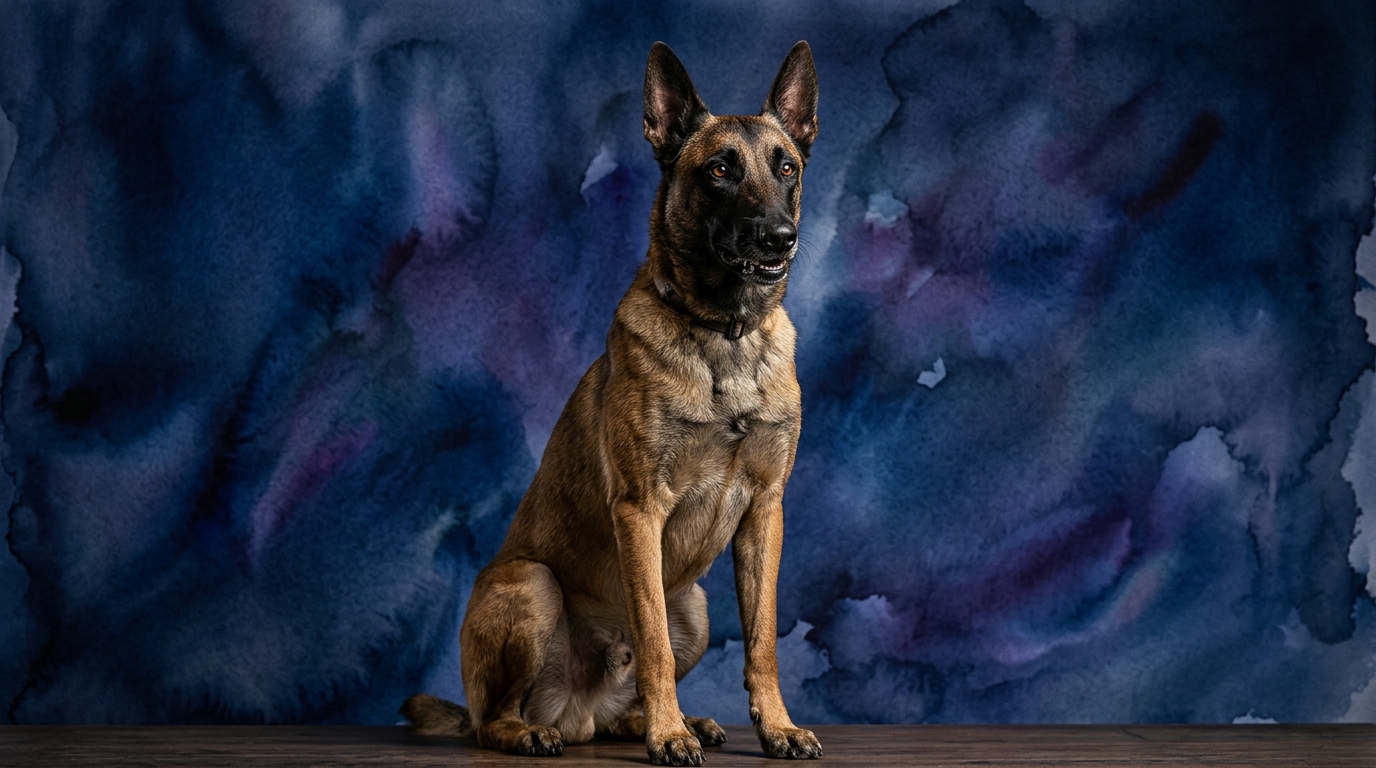
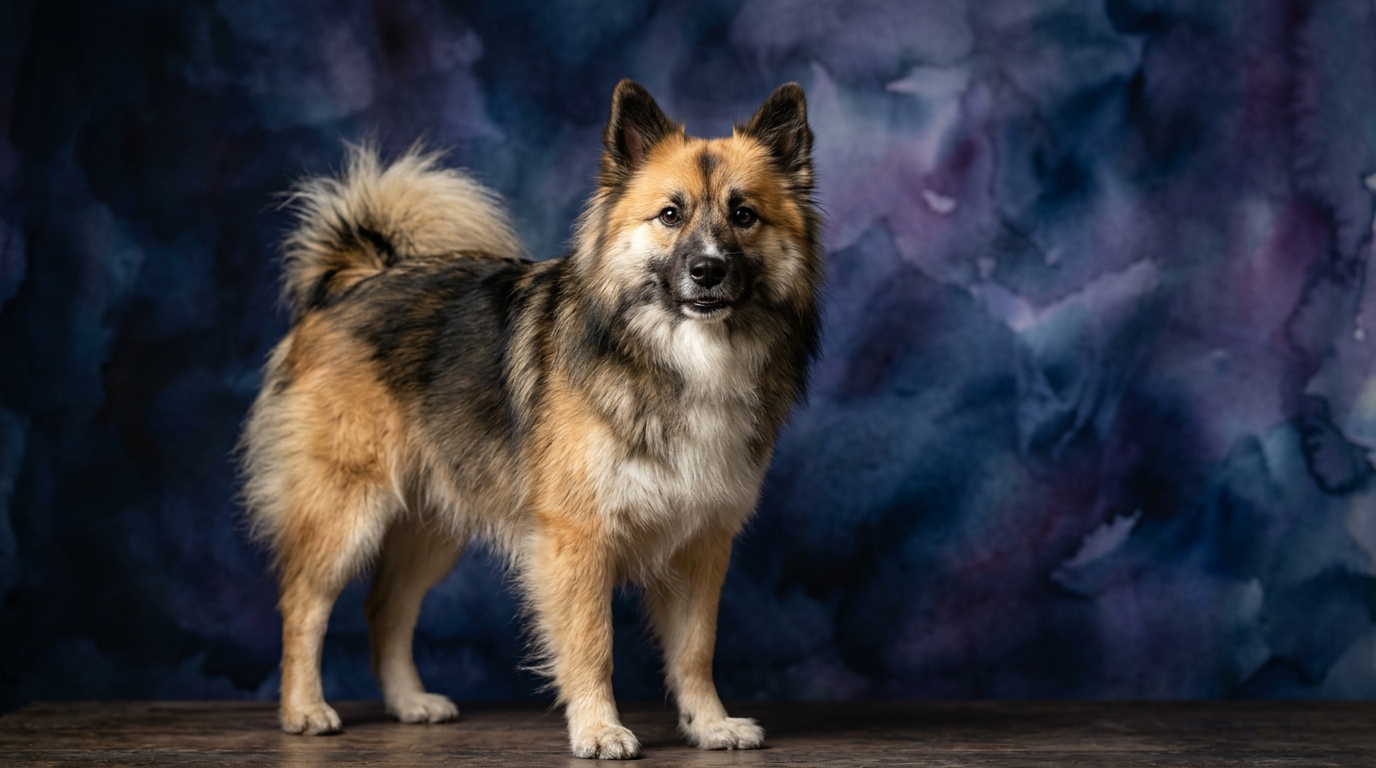
Side-by-Side IQ Profile: Belgian Malinois vs. Icelandic Sheepdog
**Belgian Malinois IQ Profile:** The Belgian Malinois, Coren-ranked #22, presents a formidable cognitive profile tailored for demanding work. Their **Problem Solving (5/5)** is unparalleled, approaching complex tasks with strategic thinking and an innate drive to overcome obstacles. Their **Training Speed (5/5)** is exceptionally swift, absorbing new commands and complex sequences with remarkable alacrity, often requiring only a few repetitions to solidify a behavior. **Social Intelligence (4/5)** focuses on understanding and responding to their inner circle, displaying intense loyalty and protectiveness, though they may be reserved with strangers. Their **Instinctive Drive (5/5)** is incredibly powerful, fueling a relentless work ethic and focus through strong prey, hunt, and defensive instincts. Finally, their **Memory (5/5)** is outstanding, allowing them to retain vast repertoires of learned skills and experiences over long periods, ensuring consistency in performance.
**Icelandic Sheepdog IQ Profile:** The Icelandic Sheepdog, without a Coren rank, showcases a cognitive design more suited for adaptable companionship. Their **Problem Solving (3/5)** is moderate, capable of learning routines and solving straightforward challenges, particularly those related to their herding instincts, but less inclined to complex independent strategizing. Their **Training Speed (3/5)** is also moderate, requiring patience and consistent, positive reinforcement, as they may take more repetitions to master new commands. **Social Intelligence (3/5)** for the Icelandic Sheepdog is amiable and eager-to-please, displaying a strong desire for harmonious family interaction and generally being outgoing and affectionate with their human companions. Their **Instinctive Drive (3/5)** is moderate, primarily manifesting as a desire to keep their 'flock' (family) together and alert them to perceived environmental changes, often through playful nipping or circling rather than intense pursuit. Their **Memory (3/5)** is solid, enabling them to remember commands and routines learned through consistent training and recall familiar faces and places, contributing to their reliability in established home environments.
Where the Belgian Malinois Wins Cognitively
The Belgian Malinois's cognitive supremacy is most evident in its lightning-fast training speed and exceptional memory, both rated 5/5. A Malinois can grasp new commands and complex sequences with remarkable alacrity, often requiring only a few repetitions to solidify a behavior. This rapid assimilation of information, coupled with a robust long-term memory, means they retain vast repertoires of learned skills, making them unparalleled in fields requiring precision and consistency, such as competitive obedience, protection sports, or specialized working roles.
Their 5/5 problem-solving ability also sets them apart. Malinois don't just follow commands; they analyze situations, adapt strategies, and independently work through obstacles to achieve a goal. This cognitive flexibility, combined with their intense 5/5 instinctive drive, allows them to excel in dynamic, high-pressure environments where split-second decisions and creative solutions are paramount, such as search and rescue or police work. Their ability to process information and react with such speed makes them a top choice for critical tasks.
Where the Icelandic Sheepdog Wins Cognitively
While the Malinois excels in intense, task-oriented cognition, the Icelandic Sheepdog's cognitive strengths lean towards nuanced social engagement and adaptability within a domestic setting. Their social intelligence, rated 3/5, manifests as a strong desire for companionship and an intuitive ability to read human emotions and group dynamics in a family context. They are less about executing complex commands under pressure and more about fostering harmonious interactions, often using their mild 3/5 instinctive drive not for intense work, but for gentle supervision of their 'flock'—their human family—ensuring everyone is accounted for and near.
Their moderate problem-solving and memory skills are perfectly adequate for navigating the intricacies of a busy household, understanding routines, and communicating their needs effectively within a family structure. Unlike the Malinois, whose cognitive profile demands constant, high-level engagement to prevent boredom-induced behaviors, the Icelandic Sheepdog's mental make-up allows them to be content with a balance of activity and quiet companionship, making them less prone to destructive behaviors born from under-stimulation in a typical home environment. This adaptability to a less structured life is a significant cognitive advantage for many households.
Which is Easier to Train and Why
Defining 'easier' in training depends heavily on the handler's experience and goals. The Belgian Malinois, with its 5/5 training speed and intense instinctive drive, absorbs commands and procedures with breathtaking speed. They thrive on structured, consistent training that channels their immense energy and focus, making them 'easy' for an experienced trainer to mold into a highly specialized working dog. Their memory ensures long-term retention of these complex skills. However, their drive also means they require constant mental engagement; without it, their impressive problem-solving skills might be directed towards undesirable behaviors, demanding an equally driven and knowledgeable handler.
The Icelandic Sheepdog, rated 3/5 for training speed, learns at a more moderate pace. They respond best to positive reinforcement and patient, gentle guidance. Their lower instinctive drive compared to the Malinois means they are less prone to hyper-focusing on a single task or exhibiting intense prey drive, making them generally more manageable for novice owners. While they might not execute commands with Malinois-level precision or speed, their willingness to please and lower intensity make the training journey less demanding in terms of constant vigilance and redirection for the average family. Their social intelligence helps them connect well with their owner during training.
Which Suits Active Owners vs. Relaxed Owners
For owners seeking a partner in demanding physical and mental pursuits, the Belgian Malinois is the undisputed choice. Their 5/5 instinctive drive and boundless energy demand an owner who can commit to daily, rigorous exercise, advanced training, and continuous mental challenges like protection work, agility, or scent detection. These dogs are not content with casual walks; they require a job and a handler dedicated to channeling their intense focus and problem-solving capabilities, thriving in environments where their cognitive and physical prowess are constantly challenged.
Conversely, the Icelandic Sheepdog, while still an active herding breed, suits owners who enjoy regular, moderate activity but prioritize companionship and a more relaxed home environment. They thrive on daily walks, playtime in a yard, and participation in family activities, but their energy levels and instinctive drive (3/5) are far more manageable than the Malinois. Their social intelligence makes them excellent family companions who enjoy being involved without demanding the relentless structure and high-octane engagement required by a working Malinois. They are content with being part of the family 'flock' and observing their surroundings.
The Verdict
Opt for the Belgian Malinois if you are an experienced, active owner seeking an intense, driven working partner for demanding sports, protection, or specialized service roles, prepared to provide constant mental and physical challenges.
Select the Icelandic Sheepdog if you desire a cheerful, moderately active, and highly social companion who thrives on family interaction and moderate engagement, suitable for a committed but less intensely demanding home.
🧠 Find Your Pet's IQ Score
Our Pet IQ Lab assessment covers 25+ tests across 5 cognitive dimensions — personalized to your breed.
Take the Full IQ Test →Frequently Asked Questions
Are Icelandic Sheepdogs good family dogs?
Yes, Icelandic Sheepdogs generally make excellent family dogs due to their amiable nature and moderate social intelligence. They enjoy being part of family activities and are typically gentle with children, thriving on companionship and interaction with their human 'flock'.
What kind of work is a Belgian Malinois best suited for?
With their exceptional problem-solving, training speed, instinctive drive, and memory, Belgian Malinois excel in demanding roles such as police work, military service, search and rescue, protection sports, and competitive agility. They thrive on challenging tasks that require focus and precision.
Do Icelandic Sheepdogs bark a lot?
Icelandic Sheepdogs do tend to be vocal, using barks to alert their family to new sights or sounds, a trait stemming from their herding roots. While not excessive, their alert barking is a part of their communication style, often indicating their role as a watchful companion.