Side-by-Side Cognitive Profile
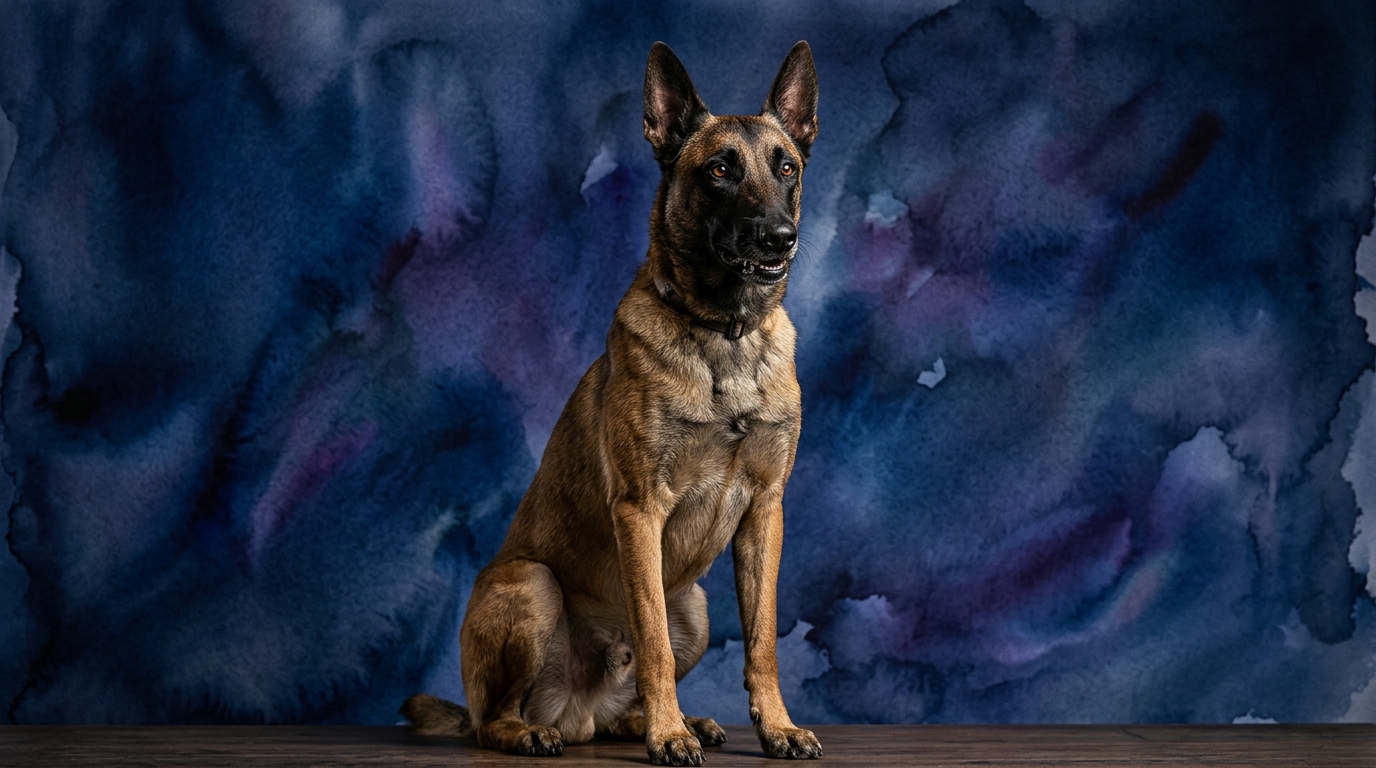
Our Cosmic Pet Pet IQ Lab analysis reveals distinct cognitive blueprints for these two breeds. The Belgian Malinois, a Herding dog, holds a Coren rank of #22, indicating a remarkable capacity for understanding new commands quickly and obeying them reliably. Its IQ profile scores an impressive 5/5 for Problem Solving, reflecting an innate ability to navigate complex situations and strategize solutions. Training Speed also sits at 5/5, meaning they absorb new tasks and routines with minimal repetition. Their Social Intelligence is rated 4/5, showing a strong aptitude for reading human cues and adapting behavior accordingly, while an Instinctive Drive of 5/5 underscores their powerful, inherent motivation for work. Memory, crucial for retaining intricate sequences and commands, also scores a perfect 5/5, making them exceptionally reliable in learned behaviors.
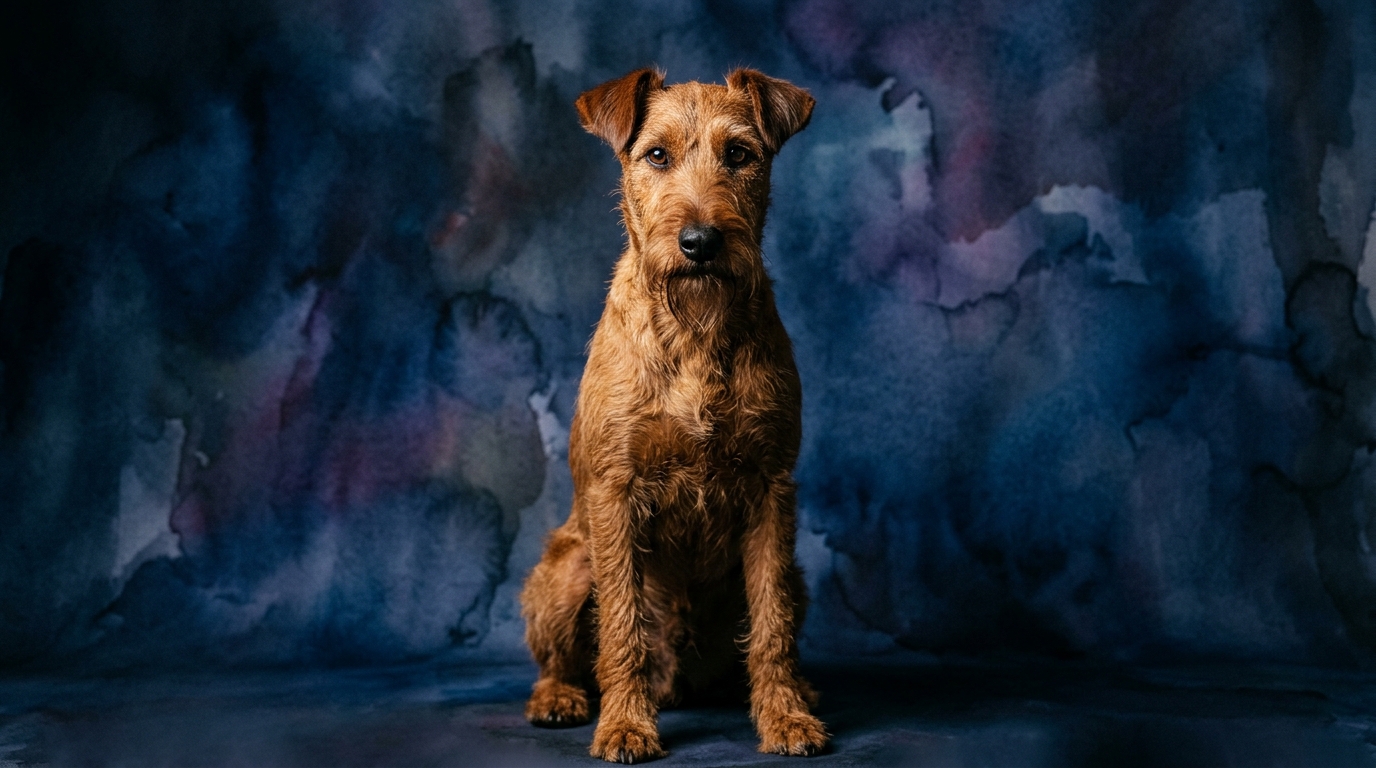
In contrast, the Irish Terrier, a Terrier breed, does not appear on Coren's ranking, suggesting a different, though equally valid, cognitive focus. Its IQ profile presents a balanced yet less intense array of scores: Problem Solving at 3/5 indicates they can tackle challenges but might require more trial and error or simpler setups to succeed. Training Speed is also 3/5, meaning they learn at a moderate pace, necessitating patience and consistent methods from their trainers. Social Intelligence at 3/5 suggests they are capable of understanding human interaction but might exhibit more independence or require clearer communication. Their Instinctive Drive is 3/5, still present but perhaps less overwhelming or directed than the Malinois. Memory, at 3/5, means they retain information adequately, though perhaps not with the same immediate recall or long-term precision as their Herding counterpart.
Where the Belgian Malinois Excels Cognitively
The Belgian Malinois' cognitive strengths are deeply rooted in its heritage as a working dog, engineered for demanding tasks. Their 5/5 Problem Solving isn't just about figuring things out; it's about anticipating, planning, and executing multi-step solutions to novel challenges. For instance, in scent detection, a Malinois can not only locate a target but also navigate complex environments, ignore distractions, and signal its find with precise, learned behaviors, all while adapting to changing conditions. This capacity for intricate cognitive mapping and flexible strategy is a clear differentiator.
Their 5/5 Training Speed and Memory work in tandem, allowing them to rapidly acquire and flawlessly recall vast repertoires of commands and behaviors. This means a Malinois can progress from basic obedience to advanced protection work or agility courses at an accelerated pace, retaining complex sequences of jumps, tunnels, and handler signals with remarkable consistency. Their strong Instinctive Drive (5/5) fuels this learning, providing an internal engine for sustained effort and focus on tasks, often making them relentless in achieving a goal once a task is understood and rewarded. This drive, combined with 4/5 Social Intelligence, allows them to form a tight, responsive partnership with a dedicated handler, interpreting subtle body language and vocal cues to optimize their performance.
Where the Irish Terrier's Cognitive Profile Shines
While the Irish Terrier's IQ scores are lower in direct comparison, their cognitive profile is uniquely suited to their terrier nature and original purpose, shining in different contexts. Their 3/5 Problem Solving often manifests as a tenacious, independent approach to challenges. Instead of intricate planning, they might employ persistence and a robust, no-nonsense attitude, repeatedly attempting a solution until they succeed, especially if it involves digging or pursuing a perceived 'prey.' This isn't a lack of intelligence, but a different problem-solving style, less about abstract thought and more about determined, practical action.
The Irish Terrier's 3/5 Instinctive Drive, while not as broad as a Malinois', is intensely focused when it comes to specific terrier tasks like vermin control. This drive is less about pleasing a handler and more about self-directed pursuit, a cognitive strength in its own right where external motivation might be secondary to internal compulsion. Their 3/5 Social Intelligence can translate into a charmingly independent nature; they are attentive but not overly reliant on constant human direction, fostering a companion relationship built on mutual respect rather than constant instruction. Their 3/5 Memory means they learn effectively enough for daily life and general obedience, but perhaps without the need for the vast, complex repertoires of a working Malinois, allowing for a more straightforward and less demanding cognitive load in their daily lives.
Which is Easier to Train and Why
Based on their cognitive profiles, the Belgian Malinois is unequivocally easier to train for a wide range of tasks, particularly those requiring precision, speed, and complexity. Their 5/5 Training Speed means they grasp new commands almost immediately, often within a few repetitions, and their 5/5 Memory ensures these commands are retained with exceptional reliability. Furthermore, their powerful Instinctive Drive (5/5) means they are inherently motivated to work and please their handler, making them highly responsive to consistent positive reinforcement. Behavioral differences often observed include a Malinois' intense focus during training sessions, its eagerness to offer behaviors, and its rapid progression through advanced exercises.
The Irish Terrier, with its 3/5 Training Speed and 3/5 Memory, requires a more patient and consistent approach. They learn at a moderate pace, and trainers must be prepared for more repetitions and creative motivation to hold their attention. Their independent nature, stemming from a different manifestation of social intelligence and drive, means they are less inclined to offer behaviors simply to please; instead, training must tap into their intrinsic motivations or make the task incredibly rewarding. Common behavioral differences include their tendency to get bored with repetitive drills, a streak of stubbornness (often misinterpreted as a lack of intelligence, but rather a strong will), and a preference for engaging in activities that align with their terrier instincts. While trainable, success with an Irish Terrier often hinges on making training fun, varied, and directly relevant to their interests, rather than relying solely on rote memorization.
Suitability for Active vs. Relaxed Owners
The Belgian Malinois is an ideal match for highly active, experienced owners who are prepared to engage deeply with their dog's formidable cognitive and physical needs. Their 5/5 Instinctive Drive coupled with high problem-solving and training scores means they thrive on constant mental stimulation and rigorous physical exercise. Owners must be able to provide structured activities like advanced obedience, agility, protection sports, or scent work daily. A Malinois without sufficient mental and physical outlets can become bored, leading to destructive behaviors or excessive vigilance, making them unsuitable for owners seeking a more relaxed, low-maintenance companion. They need a job, and an owner capable of providing that job.
The Irish Terrier, while still an active breed, suits owners who appreciate a spirited companion but might not be looking for the same intensity of structured 'work.' Their 3/5 scores across the board indicate they are adaptable; they enjoy regular exercise, walks, and playful interactions, but generally do not demand the same level of complex cognitive tasks as a Malinois. They are well-suited for owners who enjoy outdoor activities like hiking or long walks and appreciate a dog with a distinct personality and a degree of independence. While they benefit from consistent training, a relaxed owner can still meet their needs without needing to commit to advanced dog sports or professional-level training regimens. They are energetic but can also settle down, making them a good fit for active families who also enjoy quiet evenings.
The Verdict
Choose the Belgian Malinois if you are an experienced, dedicated owner prepared to channel immense drive and cognitive capacity into structured training and demanding activities.
Opt for the Irish Terrier if you appreciate a spirited, independent companion with a charming will of its own, and you are prepared for patient, consistent training and regular, engaging exercise.
🧠 Find Your Pet's IQ Score
Our Pet IQ Lab assessment covers 25+ tests across 5 cognitive dimensions — personalized to your breed.
Take the Full IQ Test →Frequently Asked Questions
Can an Irish Terrier learn complex tricks like a Belgian Malinois?
An Irish Terrier can certainly learn complex tricks, but it will likely require more patience, repetition, and creative motivation than with a Belgian Malinois due to their differing training speeds and problem-solving approaches. Their independent nature means the training must be engaging and rewarding for them.
Is the Belgian Malinois suitable for first-time dog owners?
Generally, the Belgian Malinois is not recommended for first-time dog owners due to their extreme drive, high cognitive demands, and need for experienced handling. Their intense nature requires an owner well-versed in dog behavior and committed to extensive training and socialization.
Do Irish Terriers make good family pets?
Irish Terriers can make excellent family pets for active households that understand and appreciate their lively, independent spirit. They are loyal and protective but require consistent training and socialization from a young age to ensure they are well-mannered around children and other pets.