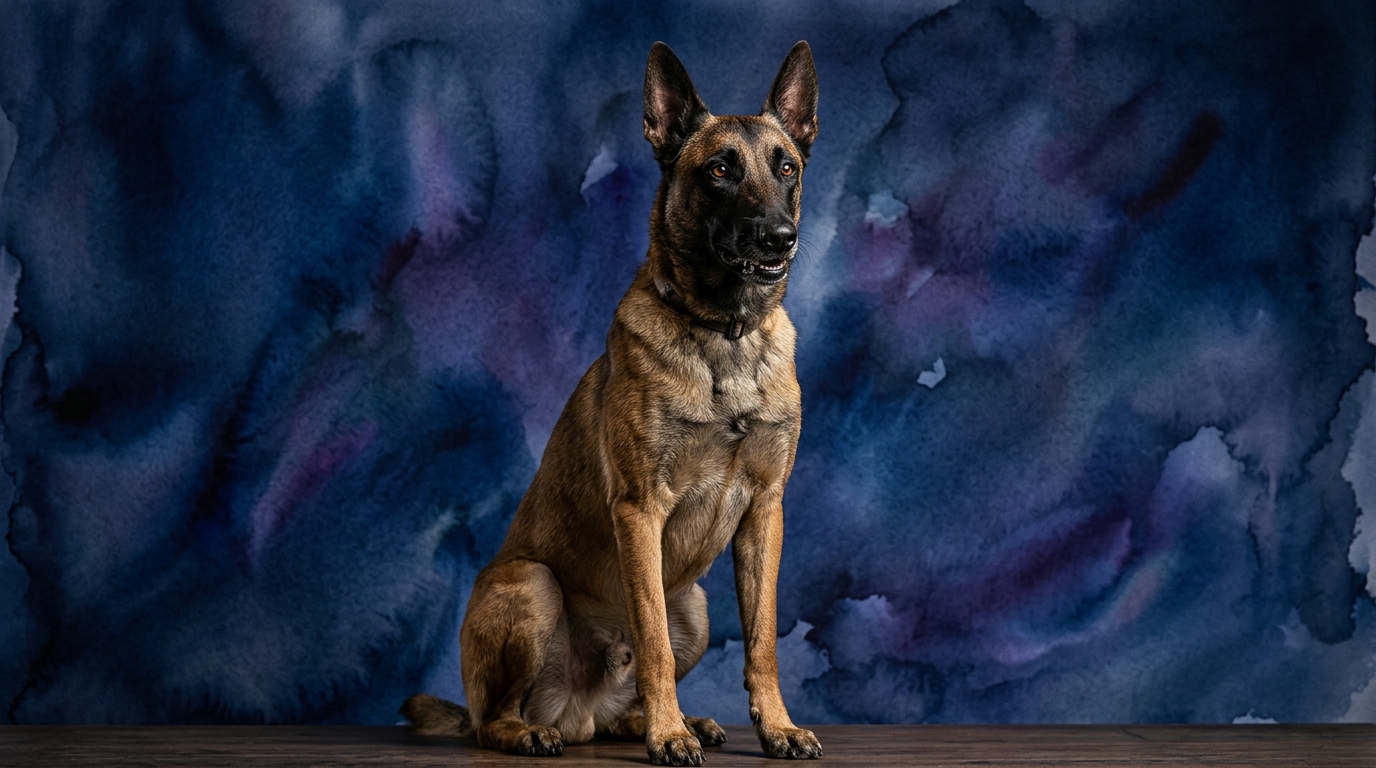
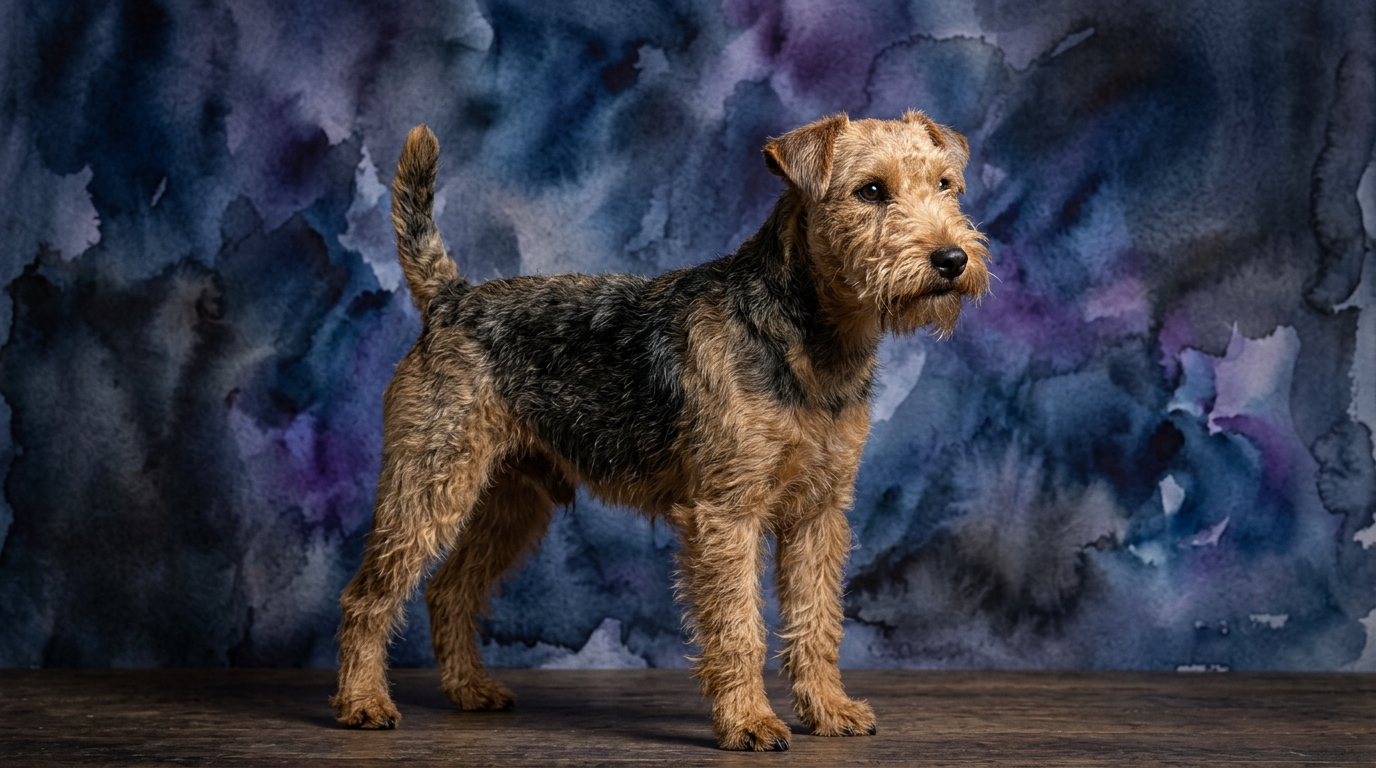
Side-by-Side IQ Profile: Belgian Malinois vs. Lakeland Terrier
**Belgian Malinois IQ Dimensions:** Problem Solving (5/5): This breed excels at complex tasks, strategizing solutions, and adapting to new challenges with remarkable foresight. Their minds are constantly seeking intricate puzzles to unravel, often anticipating next steps in a sequence. Training Speed (5/5): Belgian Malinois acquire new commands and routines with exceptional rapidity, often grasping concepts in very few repetitions. This breed forms strong, durable associations between cues and actions quickly, making them exceptionally responsive. Social Intelligence (4/5): Capable of understanding subtle human emotions and intentions, they form strong, often intense bonds with their primary handler. They are adept at reading nuanced social cues, though their focus is primarily on their handler's directives. Instinctive Drive (5/5): Possessing an extremely potent drive to work, chase, and perform demanding tasks, often stemming from powerful prey and protection instincts. This profound internal motivation fuels their sustained engagement and persistence in any activity. Memory (5/5): They demonstrate superior recall for learned behaviors, complex sequences of actions, and past experiences. Belgian Malinois retain information over extended periods, making forgotten commands or routines very uncommon.
**Lakeland Terrier IQ Dimensions:** Problem Solving (3/5): Lakeland Terriers approach challenges with determination but often rely on persistent trial-and-error rather than intricate, strategic planning. They can figure things out eventually, but less elegantly or swiftly than breeds with higher cognitive agility. Training Speed (3/5): This breed learns at a moderate pace, requiring consistent repetition and patience from their owner. Their independent nature can sometimes make them appear less eager to comply immediately, though they are certainly capable of mastering commands. Social Intelligence (3/5): They form affectionate bonds with their family, but can be selective in their social interactions beyond their inner circle. They understand basic human communication but might prioritize their own agenda over subtle social directives at times. Instinctive Drive (3/5): Exhibiting a distinct terrier drive for digging, chasing small prey, and asserting themselves, this drive is present and purposeful but generally less intense and all-consuming than that found in dedicated working breeds. Memory (3/5): Lakeland Terriers possess adequate memory for commands and routines learned through consistent practice and reinforcement. They will remember what they've learned, but might require refreshers more often than breeds with superior recall abilities.
Where the Belgian Malinois Wins Cognitively
The Belgian Malinois's cognitive profile is geared for precision, speed, and sustained effort. Their unparalleled Problem Solving (5/5) allows them to decipher complex scenarios in real-time, adapting tactics on the fly during protection work or advanced obedience trials. Coupled with a Training Speed (5/5) that enables rapid assimilation of multi-stage commands, they can learn intricate routines in mere sessions, far outpacing most breeds. Their Memory (5/5) ensures these complex behaviors are not just learned quickly but retained indefinitely, making them incredibly reliable partners. Furthermore, their profound Instinctive Drive (5/5) translates into an unwavering work ethic, allowing them to push through fatigue and maintain focus on demanding tasks for extended periods, a cognitive advantage rooted in relentless motivation.
Where the Lakeland Terrier's Cognitive Strengths Lie
While the Lakeland Terrier's scores are generally lower, their cognitive strengths lie in areas that reflect their original purpose and independent spirit. Their Problem Solving (3/5), though not as fast or strategic as a Malinois, is characterized by tenacious persistence. They possess a self-reliant problem-solving approach, crucial for an earth dog working alone to root out quarry, where sheer will and determination often prevail over intricate planning. Their Instinctive Drive (3/5) is focused and purposeful for its intended tasks, providing the endurance for digging and pursuit without the overwhelming intensity that can be challenging for pet owners. This more contained drive, combined with a sufficient Social Intelligence (3/5), allows them to be affectionate family companions without the singular, all-consuming handler focus seen in some working breeds, offering a balance of independence and devotion.
Which is Easier to Train and Why
The Belgian Malinois is demonstrably easier to train in terms of raw speed and compliance, largely due to their exceptional Training Speed (5/5) and profound Instinctive Drive (5/5). They possess an intense focus on their handler and an inherent desire to work, treating training as their primary purpose. This means they often "offer" behaviors and eagerly anticipate instruction, learning complex sequences in very few repetitions. In contrast, the Lakeland Terrier, with a Training Speed (3/5) and a more independent Instinctive Drive (3/5), requires a different approach. Their terrier tenacity means they might question commands, prioritize their own interests, or require more creative motivation and consistent repetition. While capable of learning, their training demands patience, consistency, and an understanding that their compliance is often earned, not simply given.
Which Suits Active Owners vs. Relaxed Owners
The Belgian Malinois is exclusively suited for extremely active owners who are prepared for a profound commitment to physical exercise and relentless mental engagement. Their 5/5 scores in Instinctive Drive, Problem Solving, and Training Speed mean they require a "job" daily, whether it's advanced dog sports, protection work, or extensive obedience. Anything less can lead to frustration and destructive behaviors for this perpetually "on" breed. The Lakeland Terrier, while certainly an active breed, suits owners who enjoy moderate daily activity, such as long walks, energetic playtime, and regular training sessions. Their cognitive profile suggests they need consistent mental challenges to prevent boredom, but their overall demands are significantly less intense than a Malinois, allowing for more relaxed family time after their exercise needs are met.
The Verdict
Choose a Belgian Malinois if you are a highly experienced, dedicated owner seeking an unparalleled working partner for advanced sports, service, or protection roles, capable of providing extensive physical and mental work daily.
Choose a Lakeland Terrier if you appreciate a spirited, independent companion, enjoy moderate daily activity, and are prepared for consistent, patient training, valuing their distinctive terrier personality and tenacity.
🧠 Find Your Pet's IQ Score
Our Pet IQ Lab assessment covers 25+ tests across 5 cognitive dimensions — personalized to your breed.
Take the Full IQ Test →Frequently Asked Questions
Is a Belgian Malinois a good choice for a first-time dog owner?
No, their profound cognitive demands, intense drives, and need for constant engagement require an experienced handler. They thrive with owners deeply committed to advanced training and extensive mental and physical exercise.
How much mental stimulation does a Lakeland Terrier need daily?
Lakeland Terriers benefit from daily mental challenges like puzzle toys, short training sessions, and varied walks to explore. While less intense than a Malinois, consistent engagement prevents boredom and potential destructive behaviors.
Can a Lakeland Terrier compete in dog sports?
Absolutely, Lakeland Terriers excel in various dog sports such as agility, earthdog trials, and obedience, leveraging their natural tenacity and athleticism. Their problem-solving abilities and drive make them capable competitors with the right motivation.