Side-by-Side IQ Profile: Deconstructing Canine Cognition
At The Cosmic Pet Pet IQ Lab, we evaluate canine intelligence across five critical dimensions: Problem Solving, Training Speed, Social Intelligence, Instinctive Drive, and Memory. These metrics provide a nuanced view of how breeds process information, learn, and interact with their world.
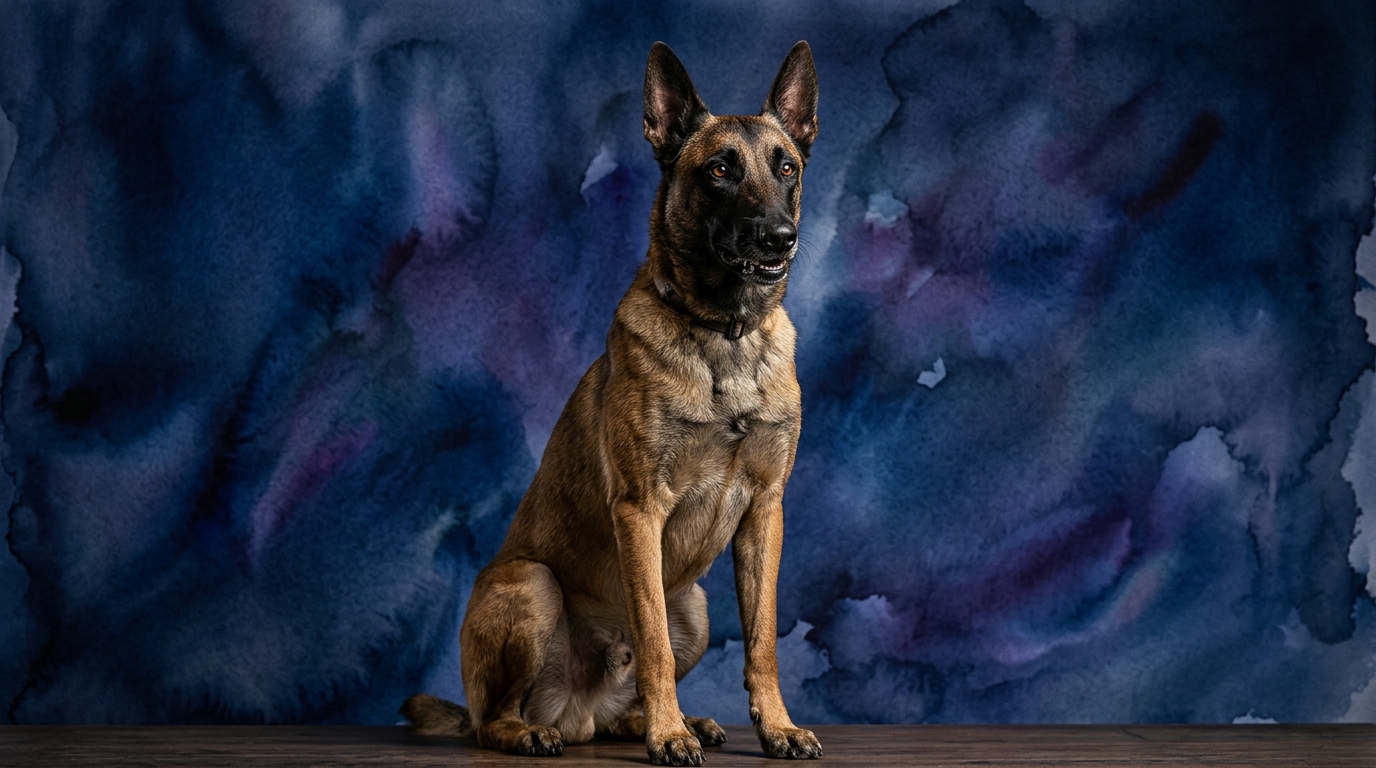
The Belgian Malinois, a Herding Group member, consistently demonstrates a profound cognitive capacity. They score 5/5 in Problem Solving, indicating an exceptional ability to navigate complex scenarios, interpret novel situations, and devise effective solutions, often showing remarkable adaptability. Their Training Speed also rates 5/5, reflecting an unparalleled capacity for rapid skill acquisition; they absorb commands and behaviors with minimal repetition. Social Intelligence is strong at 4/5, as they are adept at reading human cues and intentions, though their intense focus on tasks can sometimes prioritize work over nuanced social interactions with strangers. Their Instinctive Drive is a perfect 5/5, fueled by a deep-seated motivation for work, protection, and prey-related tasks. Finally, their Memory is rated 5/5, allowing them to retain vast amounts of learned information and intricate sequences over extended periods.
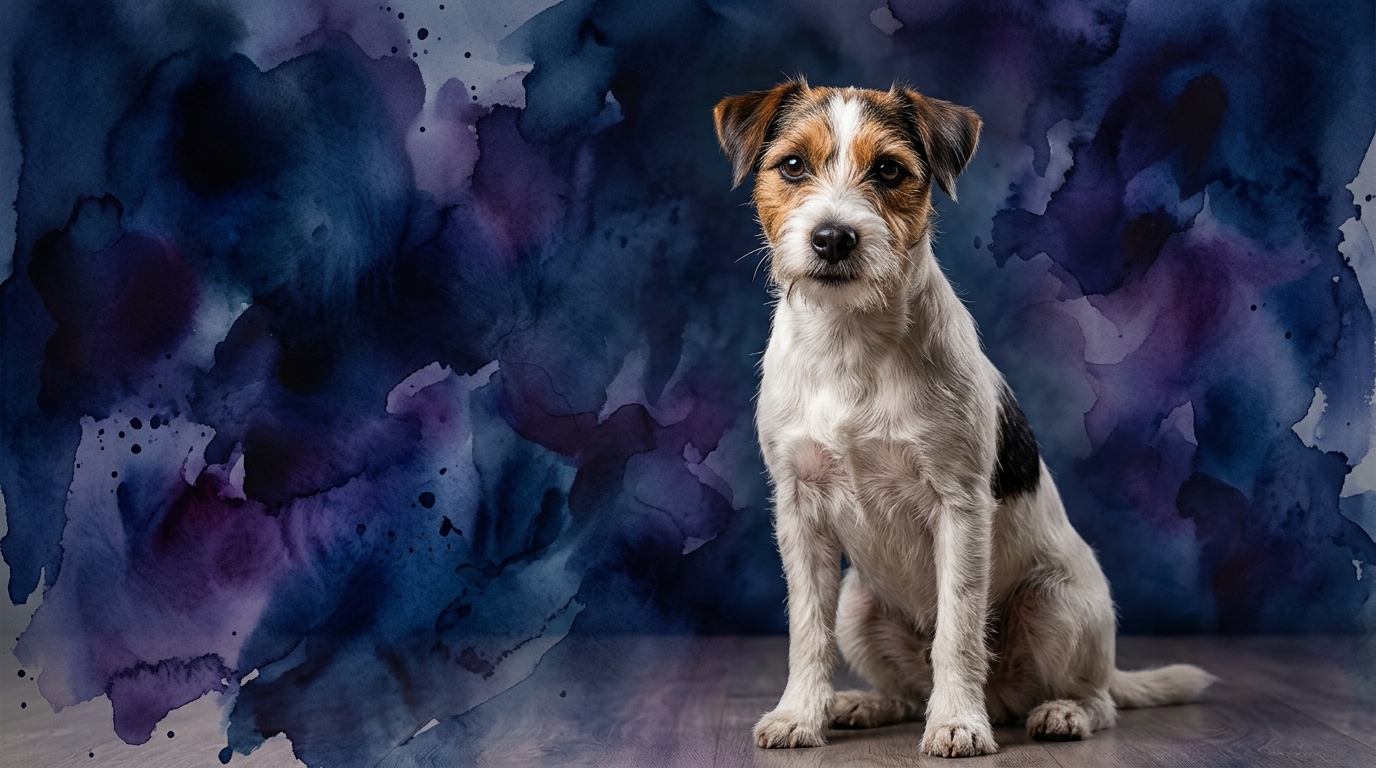
In contrast, the Parson Russell Terrier, a member of the Terrier Group, presents a distinct cognitive profile shaped by its history as an independent hunter. Their Problem Solving ability stands at 3/5; they are resourceful in practical, often physical, challenges related to their hunting instincts, like finding hidden objects or navigating tight spaces, but abstract problem-solving may require more guidance. Training Speed is 3/5, meaning they learn at a moderate pace, grasping commands but often requiring consistent, patient reinforcement due to their independent streak and tendency towards distraction. Social Intelligence is 3/5; they form strong bonds with their immediate family and understand basic social cues, but their interactions can be direct and assertive, reflecting their terrier temperament. Their Instinctive Drive is 3/5, powerful within its niche for hunting and digging, but it doesn't translate into the broad work ethic seen in the Malinois. Their Memory is also 3/5, adequate for daily routines and basic commands, yet they may not retain complex, multi-stage sequences with the same tenacity.
Where the Belgian Malinois Wins Cognitively
The Belgian Malinois's cognitive strengths are evident in its capacity for advanced learning and complex task execution. Their 5/5 Problem Solving allows them to extrapolate learning, applying concepts from one situation to an entirely new one, a skill crucial for detection work or navigating an agility course they've never seen before. This isn't just about following commands; it's about understanding the underlying principles.
Their superior working memory and processing speed enable them to handle highly complex sequences of commands and rapidly adapt to changing instructions. A Malinois can seamlessly transition from a send-out to a recall, then to a retrieve, all in quick succession, demonstrating an exceptional ability to maintain focus and execute multiple cognitive operations concurrently. This mental agility is a hallmark of their working prowess.
Furthermore, their unparalleled focus and sustained attention on a task, even amidst significant distractions, sets them apart. This isn't just discipline; it's a cognitive mechanism driven by their powerful instinctive work drive, allowing them to filter out irrelevant stimuli and maintain intense concentration on their objective for extended durations. This sustained mental engagement is a significant cognitive advantage in demanding environments.
Where the Parson Russell Terrier Wins Cognitively
While not excelling in the same broad cognitive domains as the Malinois, the Parson Russell Terrier possesses distinct mental advantages, particularly in areas tied to its heritage. Their tenacity and persistence in tasks related to their specific drives — such as finding a hidden scent or pursuing a 'prey' item — are formidable. They exhibit an unwavering commitment to a perceived goal, often outlasting other breeds due to sheer determination, a cognitive trait rooted in their independent hunting role.
Their resourcefulness in navigating physical environments is another cognitive win. A Parson Russell Terrier will expertly use its body and wit to access tight spaces, dig under obstacles, or retrieve items from challenging locations. This isn't about following a human plan, but about independent, on-the-spot physical problem-solving, using their environment to their advantage.
The breed's independence in decision-making, while sometimes challenging for training, can be a cognitive asset. In situations where a dog needs to act without direct human instruction, such as flushing prey from a den, their self-directed operational intelligence allows them to make quick, autonomous choices. This isn't about being more 'intelligent' in an abstract sense, but about a highly specialized, effective form of practical cognition.
Which is Easier to Train, and Why?
When considering ease of training for formal obedience and complex tasks, the Belgian Malinois holds a significant advantage. Their 5/5 Training Speed means they grasp new commands almost immediately, often requiring only a handful of repetitions to solidify a behavior. This rapid acquisition is coupled with a 5/5 Memory, ensuring that once learned, commands are retained for extended periods, making their training durable and efficient. Their 5/5 Instinctive Drive means they are profoundly motivated to work *with* their handler, viewing training as a fulfilling task, not a chore. This intrinsic desire to engage and perform for a human partner simplifies the training process immensely.
The Parson Russell Terrier, with its 3/5 Training Speed and 3/5 Memory, presents a different training landscape. While capable of learning, they often require more repetitions and a highly consistent, engaging approach. The primary challenge stems from their independent 3/5 Instinctive Drive, which was cultivated for autonomous hunting. A Parson Russell Terrier needs to understand the personal relevance or immediate reward of a command, rather than simply complying out of a desire to please. Their problem-solving is often self-directed, meaning they might try to figure out how to get what they want on their own terms, rather than waiting for handler instruction.
Training a Malinois often feels like guiding a highly attentive, eager student through a curriculum, where their motivation is inherent to the process. Training a Parson Russell Terrier, however, is more akin to negotiating with a spirited, independent individual, requiring creativity, high-value rewards, and immense patience to channel their natural drives into desired behaviors. The Malinois is easier for complex, handler-directed tasks, while the Parson Russell Terrier demands a more nuanced, often game-based approach to channel its specific cognitive strengths.
Suited for Active vs. Relaxed Owners
For owners seeking an active lifestyle partner, both breeds demand engagement, but of different types. The Belgian Malinois is unequivocally suited for highly active owners who thrive on structured activity, intense physical exercise, and consistent mental challenges. An owner who enjoys advanced dog sports like agility, protection work, or competitive obedience, and can commit to daily, purpose-driven activities that engage their dog's profound cognitive and physical needs, will find a fulfilling partnership. This breed requires an owner who can be a dedicated leader, consistently providing direction and outlets for their immense energy and problem-solving abilities.
The Parson Russell Terrier also requires an active owner, but one who appreciates a different kind of engagement. They are best suited for owners who enjoy long, exploratory outdoor adventures, where the dog can sniff, dig (in appropriate areas), and engage their hunting instincts. While they don't demand the same formal, structured 'work' as a Malinois, they need ample physical activity to prevent boredom and destructive behaviors. An owner who enjoys a spirited, independent companion for hikes, robust play, and creative, engaging training sessions that tap into their innate drives will find a good match. Neither breed is suitable for a truly 'relaxed' owner who prefers minimal daily engagement beyond short walks; both will develop behavioral issues if their significant energy and cognitive needs are not met.
The Verdict: When to Choose Each Breed
The Verdict
Choose a Belgian Malinois if you are an experienced owner seeking a highly trainable, intensely driven partner for advanced dog sports, protection work, or a demanding active lifestyle that includes significant mental engagement and structured training. They thrive with a clear leader who can consistently meet their profound needs for purpose and activity.
Choose a Parson Russell Terrier if you appreciate a tenacious, spirited companion for active outdoor adventures, enjoy a dog with an independent streak, and are prepared for creative, patient training to channel their natural hunting instincts. They excel with owners who understand and embrace their unique terrier personality and provide ample outlets for their physical and mental energy.
🧠 Find Your Pet's IQ Score
Our Pet IQ Lab assessment covers 25+ tests across 5 cognitive dimensions — personalized to your breed.
Take the Full IQ Test →Frequently Asked Questions
Are Belgian Malinois good family dogs?
With extensive socialization, consistent training, and sufficient exercise, Belgian Malinois can integrate into family life. However, their intensity and strong protective instincts mean they are best suited for experienced owners who can provide clear structure and manage their demanding nature, especially around children and other pets.
Do Parson Russell Terriers bark a lot?
Yes, Parson Russell Terriers are known for their vocal nature. Their alertness and strong prey drive mean they are quick to bark at perceived intruders, wildlife, or novel sounds. Consistent training can help manage this tendency, but it's an inherent trait of the breed.
Which breed is better for first-time dog owners?
Neither breed is typically recommended for first-time dog owners without prior experience or a significant commitment to professional guidance. The Belgian Malinois's intensity and high demands make it particularly challenging, while the Parson Russell Terrier's independent spirit and high energy also require a dedicated and knowledgeable approach to training and management.