Side-by-Side Cognitive Profile
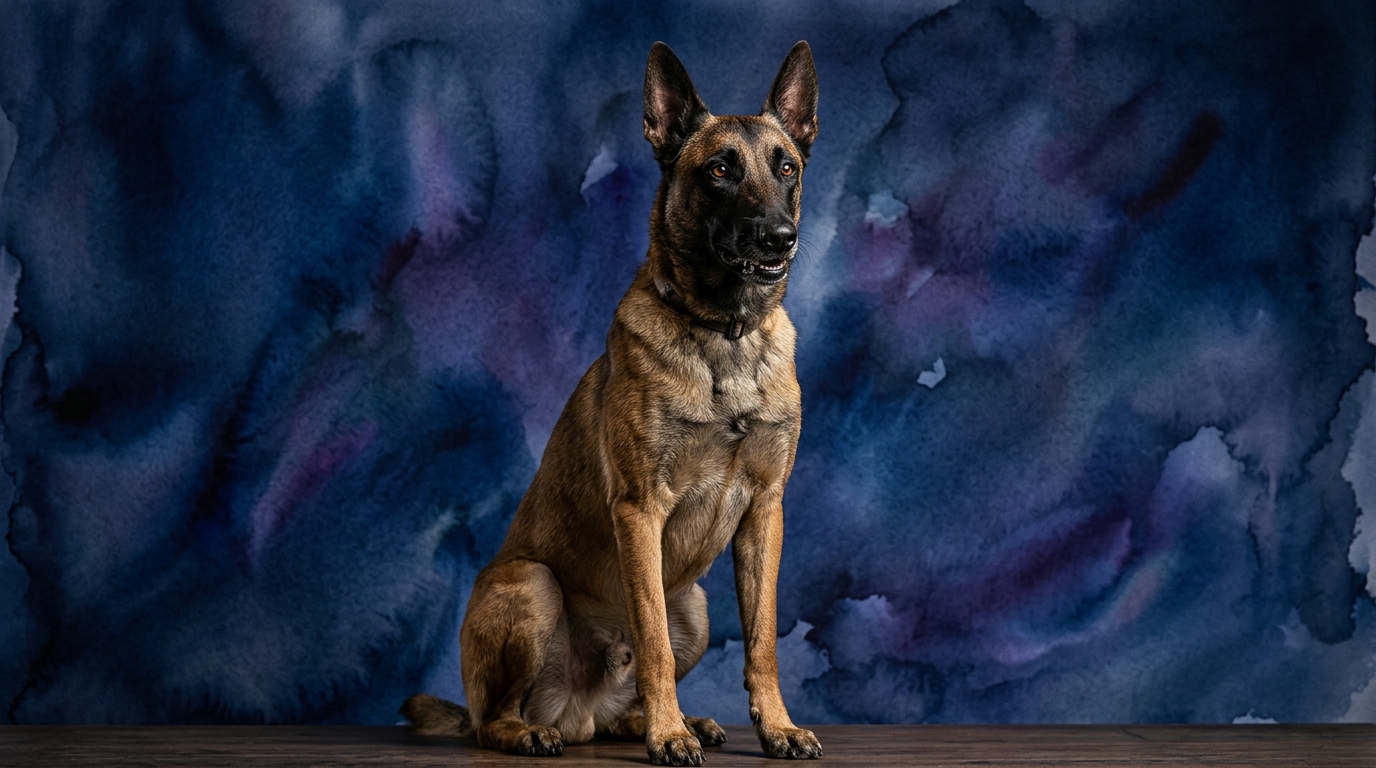
The Belgian Malinois, a Herding type with a Coren rank of #22, demonstrates a robust cognitive architecture built for demanding tasks. Their Problem Solving is rated 5/5, indicating an exceptional capacity for navigating complex scenarios and figuring out intricate puzzles independently, often involving genuine cognitive strategizing beyond mere repetition. Training Speed is also 5/5, meaning they absorb new commands and routines with remarkable velocity, grasping concepts in very few repetitions and responding well to advanced training protocols. Their Social Intelligence scores 4/5, reflecting a focused awareness primarily geared towards understanding human cues related to tasks and protection within their working context. Instictive Drive is a perfect 5/5, manifesting as an intense desire to work, chase, and guard, fueling their ability to perform demanding roles with unwavering focus. Finally, their Memory is 5/5, showcasing an outstanding recall for learned behaviors, commands, and environmental details, allowing them to retain vast amounts of information over long periods.
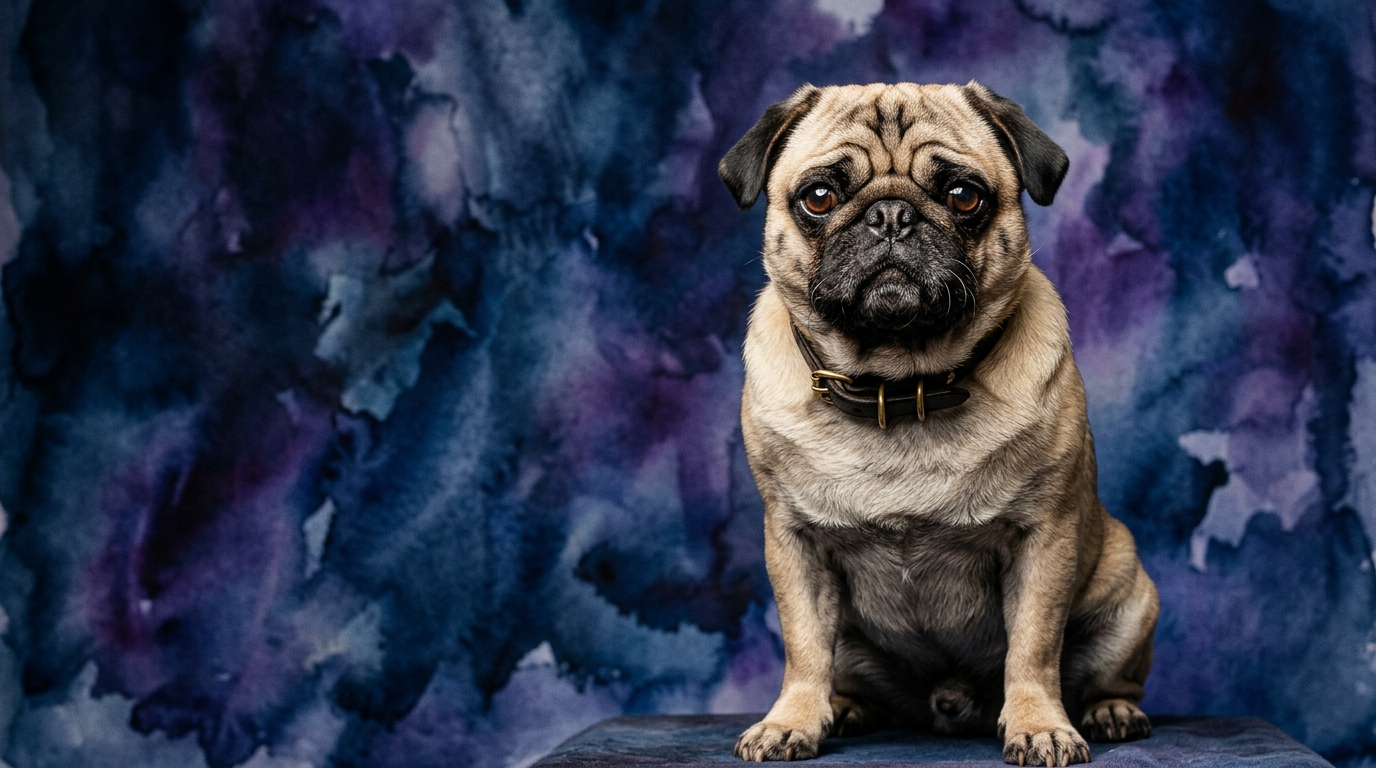
In contrast, the Pug, a Toy type with a Coren rank of #57, exhibits a cognitive profile optimized for companionship. Their Problem Solving is rated 2/5, indicating a tendency to rely less on independent strategizing and more on human guidance or established routines, often struggling with novel challenges requiring abstract thought. Training Speed is 2/5; while capable of learning, they require more repetitions and patience, with their acquisition rate being slower and often interspersed with endearing distractions. Where they truly excel is Social Intelligence, scoring 5/5; Pugs possess an exceptional ability to understand and respond to human emotional states, often seeking to provide comfort or elicit attention, making them highly empathetic and people-oriented. Their Instictive Drive is 2/5, generally low with less emphasis on herding, hunting, or guarding, and their primary motivation often revolves around comfort, food, and social interaction. Their Memory is 3/5, moderate enough to retain common routines and familiar commands, though recalling an extensive repertoire of complex tricks might require consistent reinforcement.
Where Belgian Malinois Wins Cognitively
The Belgian Malinois demonstrably surpasses the Pug across several cognitive domains, particularly those vital for demanding working roles. Their problem-solving acumen, rated at 5/5, means they aren't merely executing commands but actively strategizing to overcome obstacles, whether it's navigating an agility course with precision or locating a hidden scent. This cognitive flexibility allows them to adapt to evolving situations, a trait less pronounced in breeds primarily bred for companionship. Furthermore, their 5/5 instinctive drive translates into an unparalleled intrinsic motivation; they possess an innate desire to engage in mentally and physically challenging activities, driving them to push boundaries. This isn't about external rewards alone; it's a deep-seated urge to perform and succeed. Their exceptional memory (5/5) also provides a significant advantage, enabling them to recall intricate sequences of commands and complex environments, ensuring consistency in high-stakes situations where a forgotten step could have serious implications. This combination of processing power, motivation, and retention makes them formidable partners in specialized fields.
Where Pug Wins Cognitively
While the Belgian Malinois excels in task-oriented cognition, the Pug shines brilliantly in a different, yet equally valuable, aspect of intelligence: social intelligence. Rated 5/5, the Pug's capacity for understanding and responding to human emotions is truly remarkable. They possess an intuitive ability to sense a shift in their owner's mood, often responding with comforting proximity or playful attempts to lighten the atmosphere. This isn't about obeying commands, but about deep, nuanced emotional attunement, making them exceptional emotional support companions. Their social cognition allows them to integrate seamlessly into family dynamics, prioritizing affection and interaction above all else. Unlike the Malinois, whose social intelligence is often channeled through a working partnership, the Pug's social prowess is geared towards fostering intimate, reciprocal bonds, interpreting subtle human cues for connection rather than direction. This makes them masters of companionship and emotional connection.
Which Is Easier to Train and Why
Comparing ease of training between these two breeds reveals a stark contrast rooted in their fundamental behavioral drives and cognitive processing. The Belgian Malinois (training speed 5/5) is unequivocally easier to train for complex tasks due to their extraordinary capacity for rapid learning and their intense desire to work. They grasp new commands in very few repetitions, often needing only a handful of sessions to solidify a behavior. Their high instinctive drive and problem-solving ability mean they are not just memorizing actions but understanding the underlying purpose, making them highly adaptable and eager participants in training. This breed thrives on structured learning and quickly forms associations between commands and actions, making them highly responsive to consistent, challenging training regimens.
Conversely, the Pug (training speed 2/5) presents a different training experience. While they are certainly trainable, their learning curve is slower, requiring more patience and consistent positive reinforcement. Their lower instinctive drive means they aren't inherently motivated by complex tasks or prolonged work sessions; instead, they often prioritize comfort, food, or social interaction. Distractibility can also be a factor, as their social intelligence might lead them to seek attention rather than focusing on the task at hand, making training a more leisurely, relationship-building endeavor rather than a swift, task-oriented process. Training a Pug often requires a more playful approach, leveraging their desire for treats and affection.
Which Suits Active Owners vs. Relaxed Owners
The choice between a Belgian Malinois and a Pug based on owner lifestyle is perhaps one of the clearest differentiators. An active owner, someone who thrives on outdoor adventures, competitive dog sports, or requires a working partner, will find the Belgian Malinois an ideal match. Their boundless energy, coupled with a powerful instinctive drive (5/5) and a relentless need for mental engagement, means they require extensive daily exercise and consistent, challenging training. Without appropriate outlets for their physical and cognitive capabilities, a Malinois can become destructive or develop behavioral issues stemming from boredom and unfulfilled purpose. They are not content to be couch potatoes; they need a job and a purpose to truly flourish.
Conversely, a relaxed owner seeking a devoted, low-impact companion will find the Pug perfectly suited. Their lower energy levels and minimal instinctive drive (2/5) mean they are content with shorter walks, indoor play, and ample cuddle time. Their primary need is close companionship and comfort, making them excellent choices for individuals or families who prefer a more sedentary lifestyle and value a dog whose cognitive strengths lie in social connection rather than high-octane performance. A Pug's satisfaction comes from being near their human family, offering quiet affection and charming antics, making them perfect lap dogs.
The Verdict
Choose a Belgian Malinois if you are an experienced, active owner dedicated to providing rigorous mental and physical challenges, seeking a highly capable partner for demanding tasks or sports. This breed requires a significant commitment to fulfill its cognitive and physical needs.
Opt for a Pug if you desire a charming, affectionate companion for a relaxed lifestyle, valuing social connection and a dog whose primary joy is being near its human family. They thrive on companionship and offer abundant emotional support.
🧠 Find Your Pet's IQ Score
Our Pet IQ Lab assessment covers 25+ tests across 5 cognitive dimensions — personalized to your breed.
Take the Full IQ Test →Frequently Asked Questions
Can a Pug be trained for advanced tricks like a Malinois?
While Pugs can learn many tricks, their training speed and problem-solving abilities (2/5) mean they typically won't achieve the same level of complexity or rapid acquisition as a Malinois. Training requires more patience and consistent, positive reinforcement for a Pug to master advanced skills, focusing on their desire for treats and affection.
Do Belgian Malinois make good family pets despite their high drive?
A Belgian Malinois can be a good family pet for experienced owners who understand their intense needs for exercise, training, and mental stimulation. Their social intelligence (4/5) allows for strong family bonds, but their powerful instinctive drive requires careful management and appropriate outlets to ensure a harmonious household, especially with children or other pets.
How does social intelligence differ between these two breeds?
The Pug's social intelligence (5/5) is geared towards emotional empathy and companionship, making them highly attuned to human moods and excellent cuddle partners, prioritizing emotional connection. The Malinois's social intelligence (4/5) is more task-oriented, focusing on understanding cues for work and protection, forming a loyal, working partnership where social interaction often serves a purpose.