Side-by-Side IQ Profile
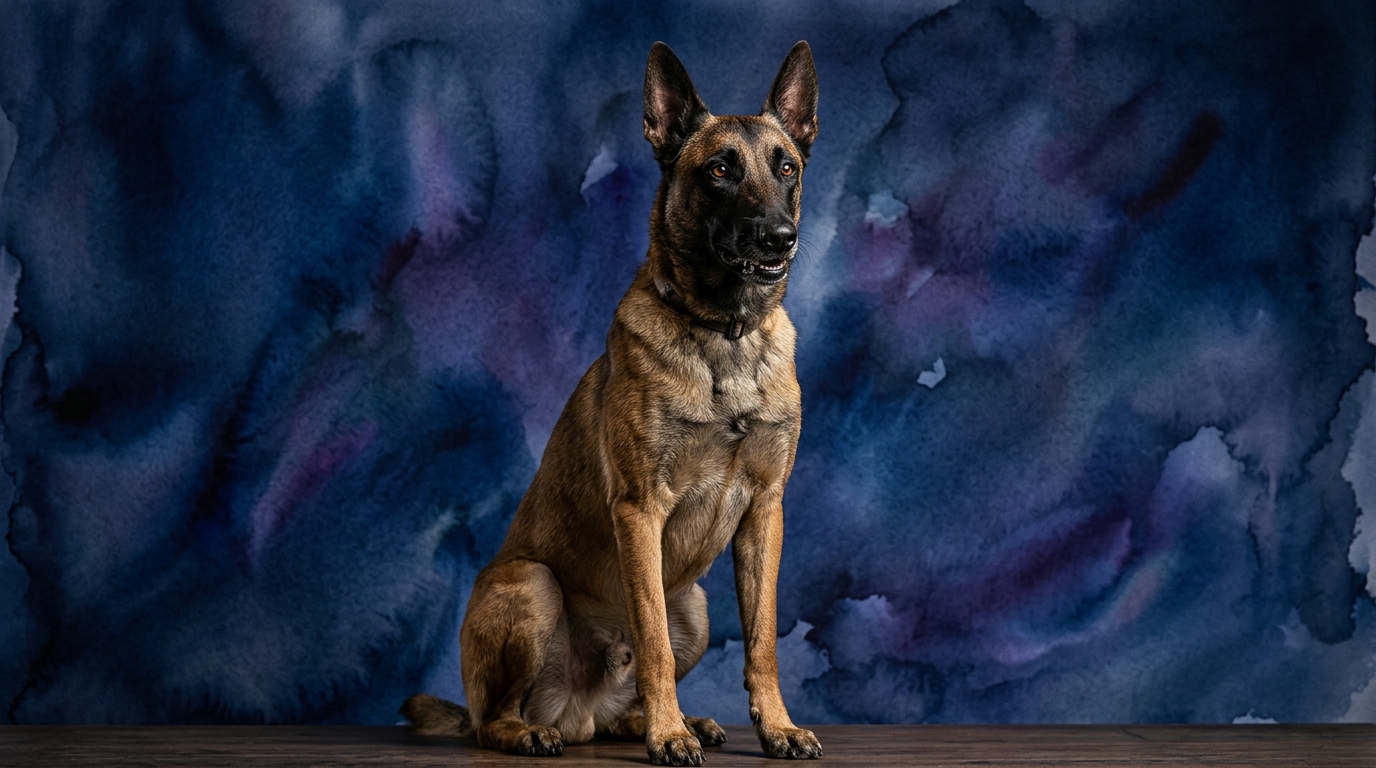
The Belgian Malinois exhibits a cognitive profile built for high-performance work. Their Problem Solving (5/5) means they dissect complex situations, devising solutions with remarkable speed. Training Speed (5/5) indicates an almost instantaneous grasp of new commands, often requiring few repetitions. Their Social Intelligence (4/5) allows them to interpret human cues effectively, though their primary focus often remains task-oriented. Instinctive Drive (5/5) fuels an insatiable desire to work, channeled into specific tasks with intense focus. Memory (5/5) ensures long-term retention of learned behaviors and experiences, crucial for consistent performance.
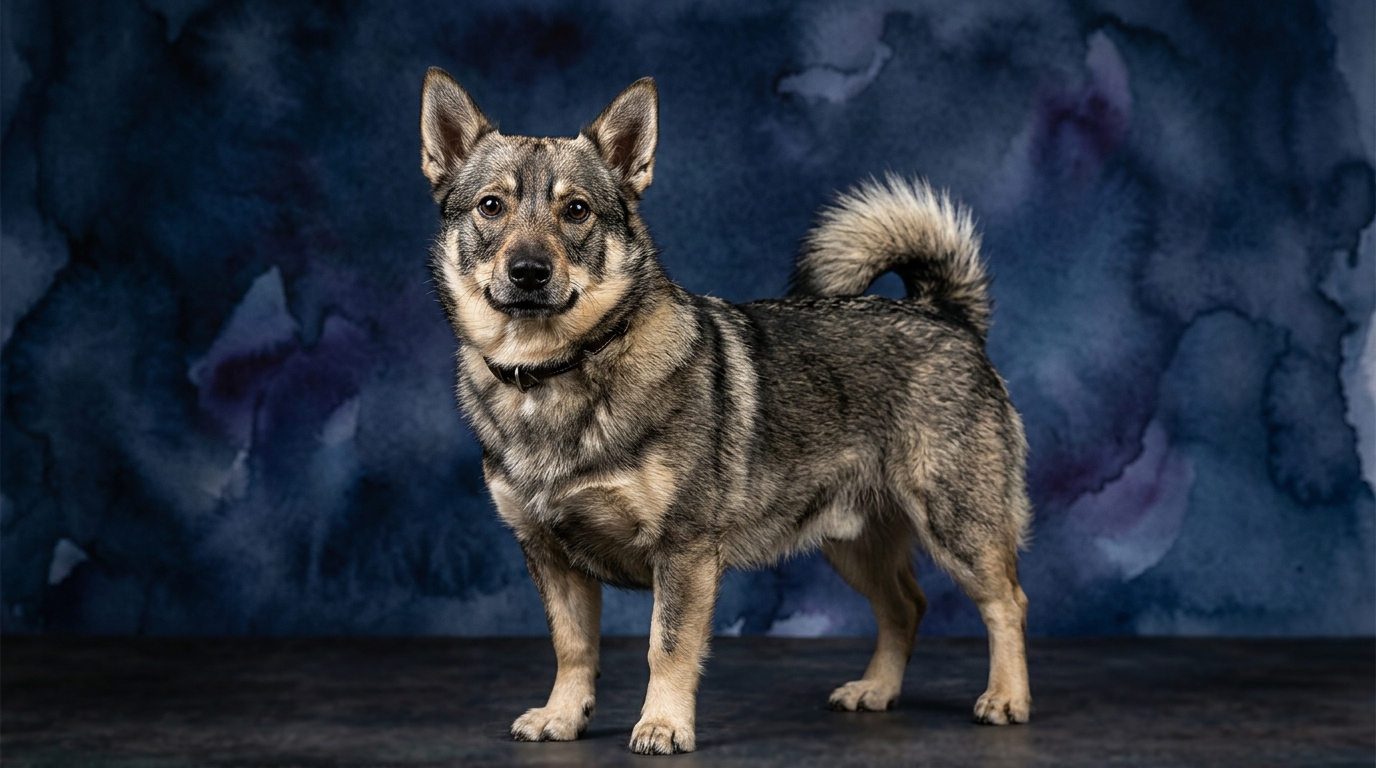
In contrast, the Swedish Vallhund presents a more balanced cognitive makeup. Problem Solving (3/5) suggests a competent ability to navigate challenges, though perhaps not with the same innovative flair or rapid analysis as a Malinois. Training Speed (3/5) indicates they learn at a steady pace, requiring consistent repetition but ultimately retaining information well. Social Intelligence (3/5) means they understand human communication and social structures, engaging appropriately without the same level of intense focus on partnership dynamics seen in some working breeds. Instinctive Drive (3/5) provides a healthy motivation for activity and engagement, but it's less all-consuming than a Malinois's drive. Memory (3/5) confirms they retain training and experiences reliably, building a solid behavioral foundation over time.
Where Belgian Malinois Wins Cognitively
The Belgian Malinois demonstrates unparalleled cognitive superiority in areas demanding rapid assimilation of complex information and sustained, intense focus. Their 5/5 problem-solving score means they don't just follow commands; they analyze environments, anticipate outcomes, and adapt strategies in real-time. For instance, a Malinois can quickly learn an intricate obstacle course, then adjust its approach mid-run if an unexpected element appears, a testament to their dynamic cognitive processing. Their exceptional training speed, also 5/5, translates into an ability to master vast vocabularies of commands and intricate sequences with minimal repetition, making them prime candidates for specialized roles like scent detection, protection work, or advanced agility. This rapid learning is paired with a 5/5 memory, allowing them to retain vast libraries of learned behaviors and operational protocols over extended periods, ensuring consistent, reliable performance in high-stakes situations. The profound 5/5 instinctive drive further amplifies these cognitive strengths, providing an internal engine that sustains their mental effort and physical execution for prolonged periods, making them relentless in pursuing a task once engaged. This combination creates a canine mind built for precision, endurance, and strategic execution under pressure.
Where Swedish Vallhund Wins Cognitively
While the Swedish Vallhund's cognitive profile may not feature the extreme scores of the Malinois, their strengths lie in a balanced and adaptable intelligence that excels in different contexts. A 3/5 in problem-solving suggests they are capable of navigating everyday challenges and learning routines without the potential for over-analysis or the intense need for constant novel mental stimulation that a Malinois might exhibit. This moderation can be a significant advantage in a typical home environment, where a dog that constantly seeks to 'solve' every perceived problem might inadvertently create new ones. Their 3/5 social intelligence indicates they are generally amenable, perceptive of human moods, and capable of forming strong bonds without demanding a hyper-focused working partnership to feel fulfilled. This makes them less prone to the behavioral rigidity or single-mindedness that can accompany higher drive scores. The Vallhund's 3/5 instinctive drive, while still present and motivating, means their energy is more manageable and less likely to manifest as destructive behaviors if not constantly channeled into a specific 'job.' They possess a robust herding instinct, but it's often expressed in a way that is more integrated into family life rather than dominating it. This breed's cognitive 'win' is often found in its capacity for well-adjusted companionship, offering a perceptive and engaged presence without the cognitive intensity or specialized demands of a high-performance working dog, making them remarkably versatile companions for active, engaged families.
Which is Easier to Train and Why
The ease of training is profoundly relative to the handler's expertise and objectives. The Belgian Malinois, with its 5/5 training speed and 5/5 memory, grasps new commands and complex sequences with astonishing rapidity. This swift learning, however, demands an equally astute and consistent handler; an inexperienced owner might find their Malinois quickly learning to manipulate situations, leveraging its sharp 5/5 problem-solving. Its intense 5/5 instinctive drive, while a powerful asset, requires expert channeling. Without constant, high-level mental and physical engagement, this formidable cognitive engine can manifest as frustration or destructive behaviors. Effective Malinois training demands a confident, knowledgeable leader matching their mental acuity. Conversely, the Swedish Vallhund, with 3/5 training speed and 3/5 memory, learns at a more deliberate pace. They require consistent repetition, yet retain information reliably. Their moderate 3/5 instinctive drive means they are motivated and enjoy learning, but without the intense, all-consuming focus of a Malinois. This balance makes them more forgiving of handler inconsistencies and less prone to extreme behaviors if training isn't perfectly executed. The Vallhund's more balanced cognitive profile generally makes them more amenable to a broader spectrum of training approaches and handlers, making them a more manageable option for novice or intermediate owners seeking foundational obedience, albeit with patience.
Which Suits Active Owners vs. Relaxed Owners
The distinct cognitive profiles of these breeds directly dictate their suitability for different owner lifestyles. The Belgian Malinois is unequivocally a dog for the most active and dedicated owners. Their 5/5 instinctive drive, coupled with 5/5 problem-solving and memory, means they possess an almost boundless mental and physical energy that must be channeled into purposeful activity. These are not dogs content with casual walks or occasional backyard play; they thrive on structured work, advanced training, dog sports like IPO or agility, or service roles. Owners must be prepared to commit several hours daily to rigorous exercise and intensive mental stimulation to prevent boredom, anxiety, or destructive tendencies. A Malinois without a 'job' often invents one, which can be detrimental to a relaxed household. In stark contrast, while still an active breed, the Swedish Vallhund offers a more adaptable energy level, making them suitable for active but not necessarily extreme owners. Their 3/5 instinctive drive means they enjoy daily walks, hiking, moderate dog sports like agility or herding, and engaging play sessions, but they are generally capable of settling down once their needs are met. Their 3/5 problem-solving and memory indicate they appreciate mental challenges but don't possess the same relentless need for cognitive puzzles as a Malinois. They are well-suited to families who enjoy an active lifestyle and want a participatory companion, but who also appreciate periods of calm and less structured downtime. A Vallhund can integrate more seamlessly into a varied family routine without demanding constant, high-stakes engagement.
The Verdict
Choose a Belgian Malinois if you are an experienced, highly active owner seeking a dedicated, intense working partner for demanding roles, prepared for significant daily mental and physical investment.
Opt for a Swedish Vallhund if you desire an energetic, adaptable companion for an active family lifestyle, appreciating a less intense but still engaging dog with a balanced cognitive drive.
🧠 Find Your Pet's IQ Score
Our Pet IQ Lab assessment covers 25+ tests across 5 cognitive dimensions — personalized to your breed.
Take the Full IQ Test →Frequently Asked Questions
Are Swedish Vallhunds good family dogs, considering their social intelligence score?
With a social intelligence score of 3/5, Swedish Vallhunds are generally amenable and perceptive to human moods, making them good family companions. They form strong bonds and engage appropriately without demanding the hyper-focused working partnership seen in some breeds, adapting well to varied family dynamics.
What kind of daily mental stimulation does a Belgian Malinois need to thrive?
A Belgian Malinois, with its 5/5 problem-solving and memory, requires extensive daily mental stimulation. This includes structured training sessions, complex puzzle toys, scent work, advanced obedience, or dog sports for at least 1-2 hours daily, beyond their physical exercise, to prevent boredom and destructive behaviors.
How does the 'instinctive drive' score impact the daily lives of these two breeds?
The Malinois's 5/5 instinctive drive means an insatiable need for purpose, requiring constant, directed activity to prevent restlessness and behavioral issues. The Vallhund's 3/5 drive offers robust motivation for engagement and activity, but it's more manageable and less all-consuming, allowing for more flexibility in daily routines without the same intensity.