Side-by-Side Cognitive Profiles: Groenendael vs. AmStaff
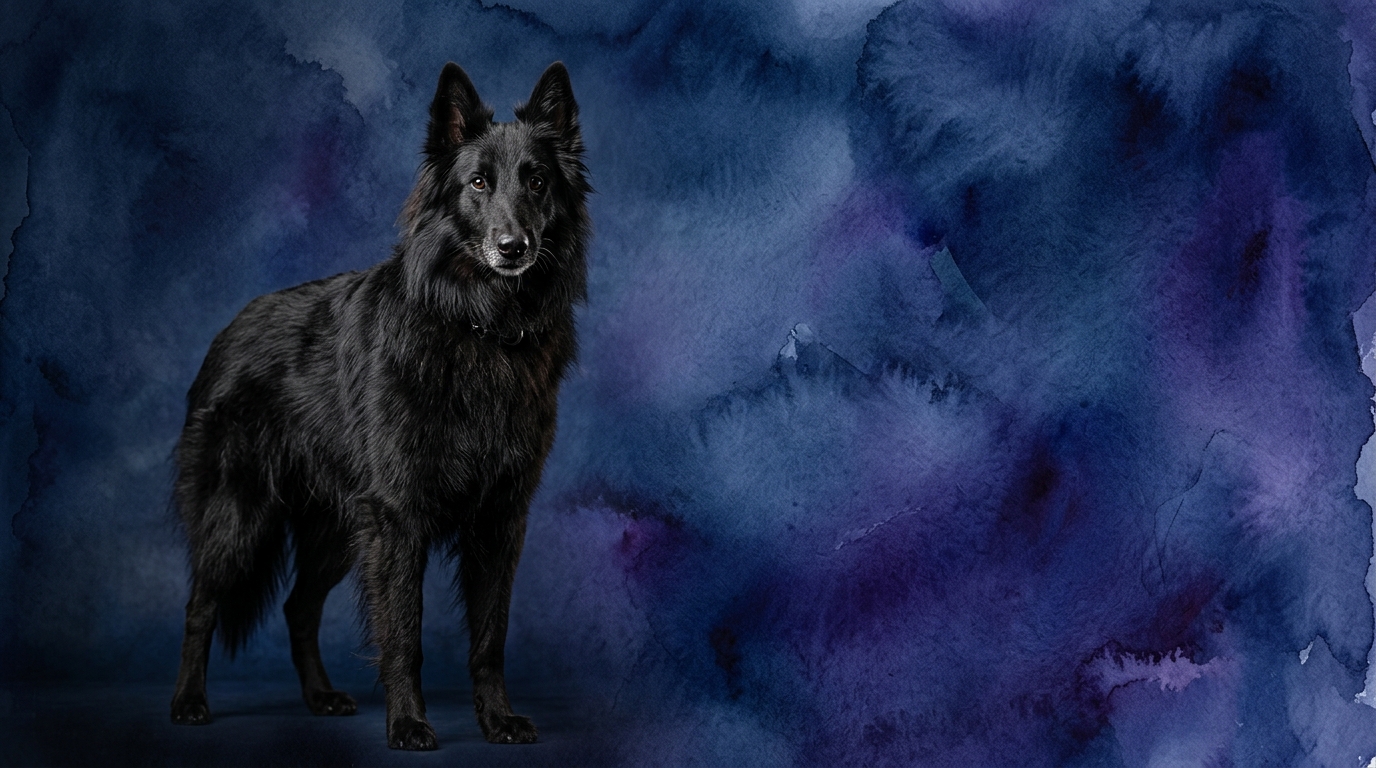
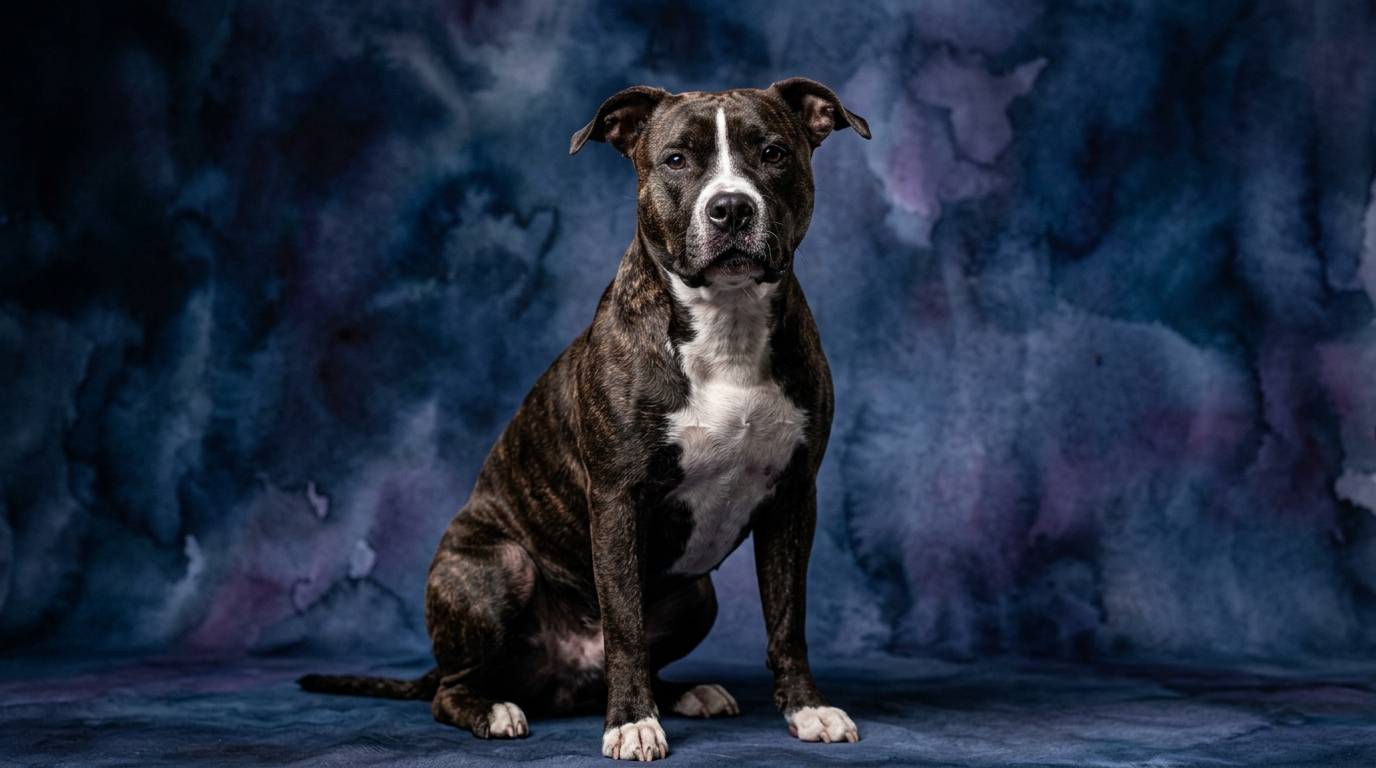
At The Cosmic Pet Pet IQ Lab, we analyze canine intelligence across five key dimensions, providing a granular view of what makes each breed unique. When we examine the Belgian Sheepdog (Groenendael), a Herding group member, and the American Staffordshire Terrier, from the Terrier group, their profiles diverge significantly.
The Groenendael, ranking impressively at Coren #15, demonstrates exceptional cognitive agility. Its Problem Solving is rated 5/5, indicating an outstanding capacity to navigate novel situations, devise solutions, and adapt strategies independently. This breed's Training Speed also scores a perfect 5/5, signifying a rapid ability to grasp and execute new commands, often with minimal repetition. Its Social Intelligence stands at 3/5, suggesting a solid understanding of human cues and interactions without being overly sensitive or complex in its social discernment. Instinctive Drive is also 3/5, reflecting a moderate level of innate herding and protective behaviors that can be channeled. Finally, its Memory is 5/5, showcasing a superior ability to retain complex sequences and learned information over long periods.
In contrast, the American Staffordshire Terrier, positioned at Coren #48, presents a different set of cognitive strengths. Its Problem Solving is rated 3/5, meaning it is competent at familiar tasks and can learn solutions, but might be less inclined to innovate or generalize solutions to entirely new contexts compared to the Groenendael. Training Speed is also 3/5, indicating they learn at an average pace, requiring consistent, clear instruction and positive reinforcement. Like the Groenendael, the AmStaff's Social Intelligence is 3/5, implying a direct and generally agreeable interaction style, capable of understanding basic human communication. Instinctive Drive is also 3/5, suggesting a moderate level of terrier-specific drives like digging or prey drive, which are present but manageable. Its Memory is 4/5, a strong score that means they retain information well, though perhaps not with the same intricate detail or long-term recall as the Groenendael.
Where the Belgian Sheepdog (Groenendael) Excels Cognitively
The Groenendael's cognitive architecture is optimized for complex, independent work, a clear legacy of its herding origins. Its 5/5 Problem Solving score means it doesn't just follow commands; it actively assesses situations and can formulate its own path to a desired outcome. For instance, if a gate is unexpectedly open, a Groenendael might not wait for explicit instruction but rather intuit the need to close it or gather stray livestock, demonstrating proactive thinking.
Coupled with its 5/5 Training Speed, the Groenendael absorbs new information with remarkable efficiency. This translates into quickly mastering multi-step commands, learning intricate agility courses, or understanding nuanced verbal cues. Their exceptional 5/5 Memory ensures that these complex lessons are not fleeting; once learned, they are deeply ingrained, allowing the dog to perform intricate routines reliably over time. This makes them particularly adept at advanced obedience, protection work, and competitive dog sports where precision and recall are paramount.
Where the American Staffordshire Terrier Finds Its Cognitive Niche
While the American Staffordshire Terrier's numerical scores might be lower in some areas, its cognitive profile fosters a different kind of efficacy and companionship. Its 3/5 Problem Solving, for example, means it is less prone to overthinking or creating its own 'jobs' out of boredom, which can be a significant advantage for owners who appreciate a more straightforward and less self-directed companion. They excel when given clear tasks and thrive on consistency, making them reliable partners in predictable routines.
The AmStaff's 3/5 Social Intelligence, shared with the Groenendael, means they are generally receptive to human interaction without the potential for hyper-sensitivity that can sometimes accompany higher scores in this area. This often translates into a direct, uncomplicated loyalty and a robust tolerance for various social situations once properly socialized. Their moderate 3/5 Instinctive Drive, while present, means these dogs are typically less consumed by innate urges than some other terrier breeds, allowing their focus to be more readily directed towards human companionship and structured activities. Their 4/5 Memory is still quite strong, ensuring they remember important lessons and family routines, contributing to their steadfast nature and suitability as consistent family members.
Training Aptitude: Groenendael's Rapid Ascent vs. AmStaff's Steady Progress
When considering ease of training, the Belgian Sheepdog (Groenendael) clearly holds an advantage due to its 5/5 Training Speed and 5/5 Problem Solving. These dogs are often described as sponges, eager to learn and quick to make associations between commands and actions. They pick up new behaviors rapidly, generalize learned concepts to new environments, and often anticipate what is expected of them. Their inherent desire to work collaboratively with their handler, combined with a sharp intellect, means they can progress through training stages at an accelerated pace, often requiring fewer repetitions to solidify a command.
The American Staffordshire Terrier, with its 3/5 Training Speed, requires a more consistent and patient approach. They are capable learners but typically benefit from shorter, more frequent training sessions and clear, unambiguous cues. While they may not grasp new concepts as quickly as a Groenendael, their tenacity and desire to please their trusted owner mean they will eventually master tasks with sufficient repetition and positive reinforcement. Behavioral differences often manifest in the Groenendael's tendency to offer solutions or 'try' things when confused, whereas an AmStaff might be more likely to disengage or require redirection if not immediately understanding a command. Success with an AmStaff hinges on making training engaging and rewarding, building on their strong bond with their owner.
Matching Canine Cognition with Owner Lifestyles
The cognitive demands of these two breeds lend themselves to very different owner lifestyles. The Belgian Sheepdog (Groenendael) is ideally suited for active owners who are prepared to provide extensive mental and physical engagement. Their 5/5 Problem Solving and Memory, combined with a robust physical capacity, mean they thrive on challenges like advanced obedience, agility, protection sports, or even complex puzzle toys that require sustained mental effort. Owners who enjoy teaching new tricks, participating in dog sports, or engaging in long, stimulating walks with a purpose will find a truly fulfilling partnership with a Groenendael. A 'relaxed owner' who cannot meet these cognitive needs risks a Groenendael becoming bored, potentially leading to destructive behaviors or excessive barking as they find their own outlets for their active minds.
The American Staffordshire Terrier, while also requiring regular exercise and mental stimulation, aligns better with owners who appreciate a strong, loyal companion without necessarily needing a dog for highly specialized, intricate work. Their 3/5 Problem Solving and Training Speed mean they enjoy learning and engaging in activities, but perhaps don't demand the same intensity or complexity of cognitive input as a Groenendael. Active owners who enjoy hiking, fetch, or consistent obedience training will find the AmStaff a willing and able partner. While they benefit from mental challenges, their moderate instinctive drives and direct cognitive approach mean they can also be content with a more predictable routine and a strong focus on companionship. A 'relaxed owner' might find the AmStaff's physical strength and moderate drives manageable if they are committed to consistent training and daily activity, though neither breed is truly suited for a sedentary lifestyle.
The Verdict
Choose the Belgian Sheepdog (Groenendael) if you seek a highly active, mentally agile partner for advanced training, dog sports, or intricate problem-solving tasks, and are prepared to consistently challenge its exceptional intellect and memory.
Opt for the American Staffordshire Terrier if you desire a steadfast, physically robust companion that thrives on consistent routines, clear training, and strong companionship, offering a direct and devoted bond without the same intensity of cognitive demands.
🧠 Find Your Pet's IQ Score
Our Pet IQ Lab assessment covers 25+ tests across 5 cognitive dimensions — personalized to your breed.
Take the Full IQ Test →Frequently Asked Questions
Do Belgian Sheepdogs (Groenendaels) need more mental stimulation than American Staffordshire Terriers?
Yes, Groenendaels generally require significantly more mental stimulation due to their 5/5 problem-solving and memory scores. They thrive on complex tasks, advanced training, and activities that challenge their intellect, whereas AmStaffs, while still needing engagement, are often content with more straightforward mental exercises.
Which breed is better for a first-time dog owner?
Neither breed is typically recommended for an entirely inexperienced first-time owner without professional guidance, but the AmStaff might be marginally more manageable due to its less demanding cognitive profile and training speed. The Groenendael's extreme intelligence and energy can be overwhelming for those new to dog ownership.
How does their social intelligence score of 3/5 impact their family life?
A social intelligence score of 3/5 for both breeds suggests they are generally aware of human cues and capable of forming strong bonds, but might not possess the extreme social sensitivity or nuanced communication skills seen in breeds with higher scores. This often translates to a direct, loyal, and somewhat reserved interaction style, making them good family companions who appreciate clear communication.