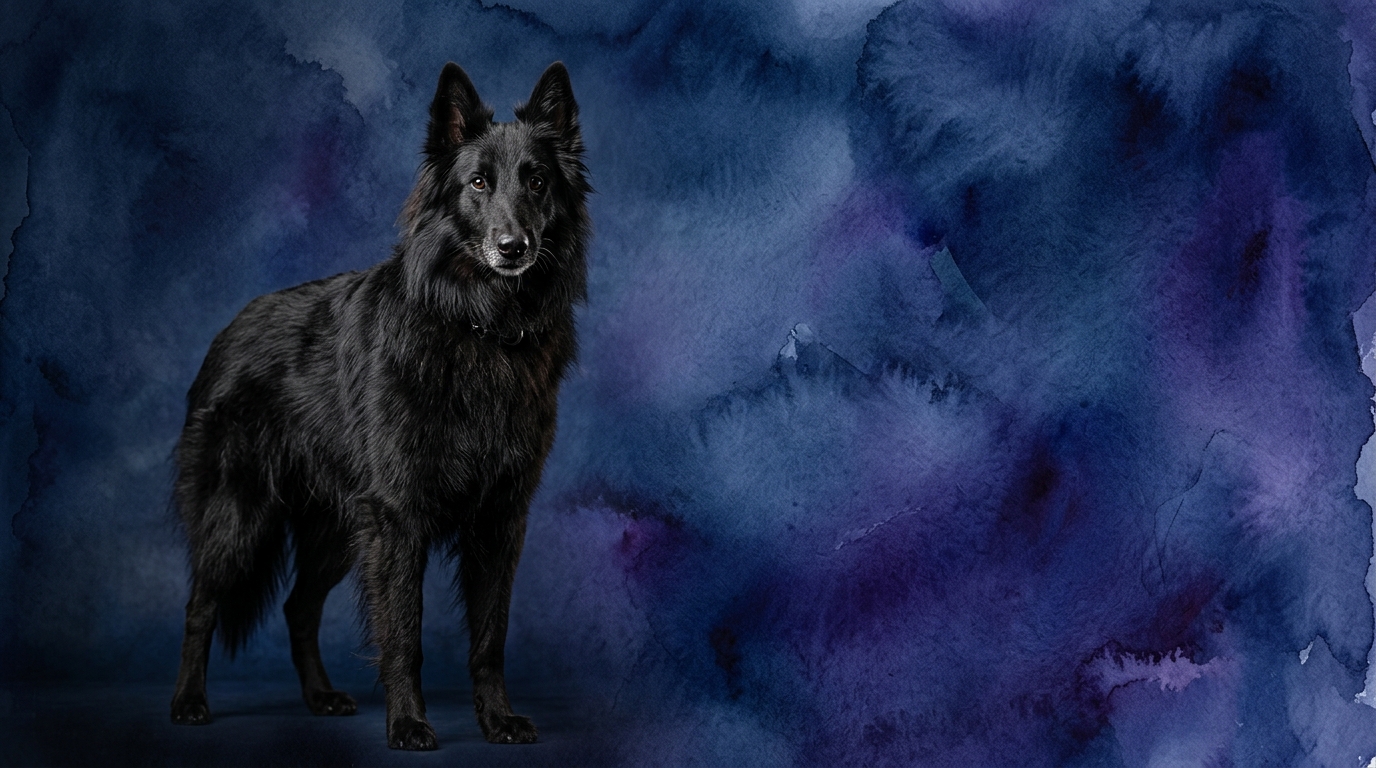
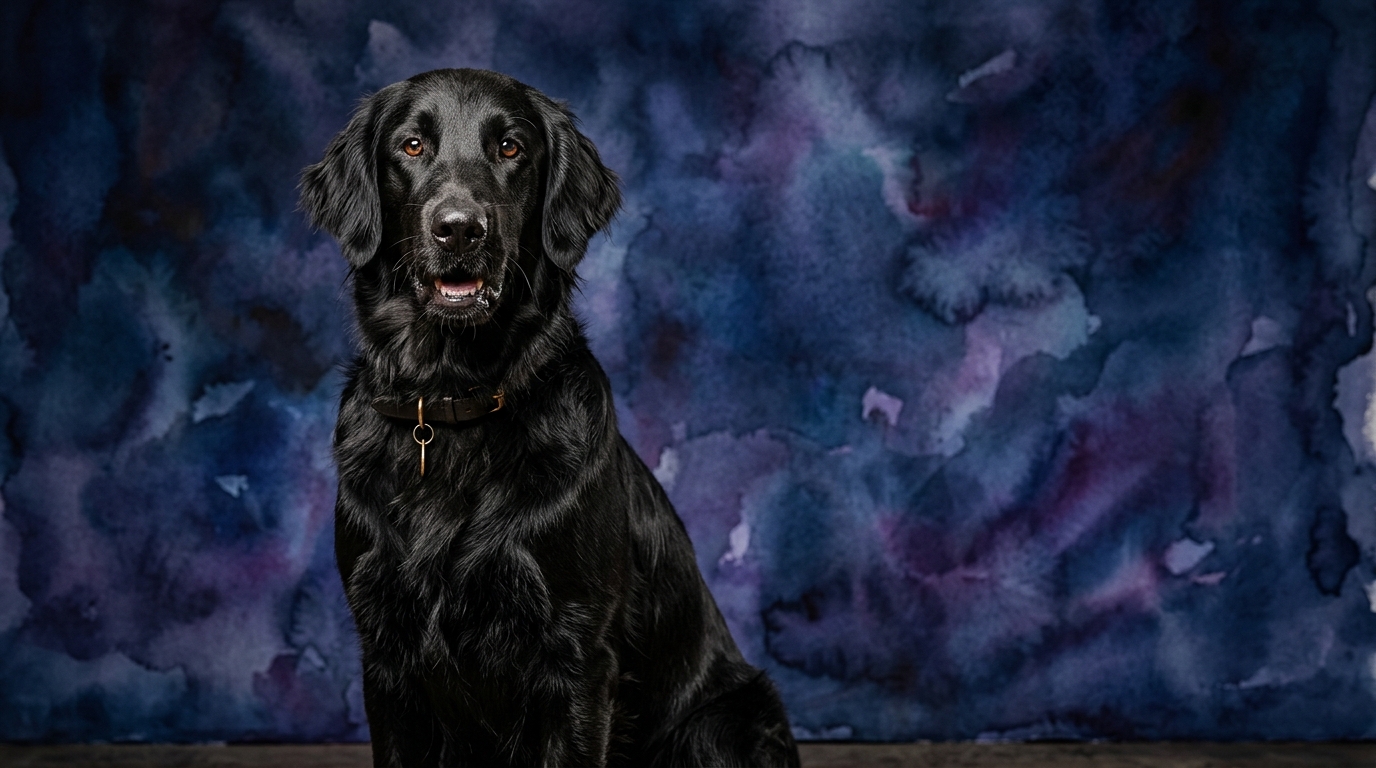
Side-by-Side IQ Profile: Groenendael vs. Flat-Coat
The Cosmic Pet Pet IQ Lab provides a granular view into the cognitive makeup of our canine companions, using a five-dimensional framework. For the Belgian Sheepdog (Groenendael), classified in the Herding group with a Coren rank of #15, their profile showcases exceptional aptitude: Problem Solving 5/5, Training Speed 5/5, Social Intelligence 3/5, Instinctive Drive 3/5, and Memory 5/5. This paints a picture of a dog that not only grasps complex concepts swiftly but also retains them with remarkable fidelity, driven by an inherent desire to work.
In contrast, the Flat-Coated Retriever, a Sporting group member ranked #17 by Coren, presents a slightly different, yet equally impressive, mental architecture. Their IQ breakdown is: Problem Solving 4/5, Training Speed 4/5, Social Intelligence 3/5, Instinctive Drive 3/5, and Memory 5/5. Here, we observe a dog with strong problem-solving skills and a commendable pace of learning, capable of remembering intricate sequences. Interestingly, both breeds share identical scores in Social Intelligence, indicating a similar capacity for understanding human cues and navigating group dynamics, as well as in Instinctive Drive, suggesting a comparable baseline for intrinsic motivation, and perfect 5/5 in memory.
The subtle differences in Problem Solving and Training Speed, specifically the Groenendael's perfect 5/5 in both categories compared to the Flat-Coat's 4/5, are central to understanding their respective cognitive strengths and how they manifest in daily life. A 5/5 in Problem Solving signifies an exceptional capacity to analyze novel situations and devise effective solutions independently, often demonstrating foresight. A 5/5 in Training Speed means they absorb new commands and routines with minimal repetition. While a 4/5 in these areas is still well above average, it suggests that the Flat-Coat might require slightly more guidance or repetition to master a new skill or may approach unfamiliar challenges with a touch more reliance on learned behaviors rather than spontaneous innovation.
Where the Belgian Sheepdog (Groenendael) Wins Cognitively
The Groenendael's top scores in Problem Solving (5/5) and Training Speed (5/5) position it as a formidable cognitive force, particularly in scenarios demanding rapid learning and independent thought. This breed excels when presented with complex, multi-stage tasks that require not just rote memorization but also the ability to adapt and strategize. For instance, in advanced obedience, protection work, or agility courses, a Groenendael can quickly string together sequences of commands, anticipate obstacles, and make split-second decisions to optimize performance. Their Herding background instills a deep-seated aptitude for understanding spatial relationships and managing dynamic situations with precision, often without direct human instruction.
Their superior Problem Solving score means a Groenendael is more likely to figure out how to open a complex latch, navigate an elaborate puzzle toy, or even devise novel ways to achieve a goal, such as moving an object to block a path. This isn't just about following commands; it's about the inherent capacity for cognitive flexibility and innovative thinking. Paired with their rapid Training Speed, they can master intricate routines for competitive sports or service roles with fewer repetitions than many other breeds, allowing for quick progression to more advanced concepts and challenges. This breed thrives on intellectual engagement, making them exceptional partners for those who enjoy pushing the boundaries of canine learning.
Where the Flat-Coated Retriever Wins Cognitively
While the Flat-Coated Retriever's Problem Solving (4/5) and Training Speed (4/5) scores are marginally lower than the Groenendael’s, these ratings still represent a highly capable and adaptable intellect, particularly suited to their retrieving heritage. The Flat-Coat's cognitive strengths shine in tasks requiring sustained focus on a specific objective, coupled with an enthusiastic, biddable approach. Their problem-solving often manifests as persistent, joyful engagement in tasks like finding hidden objects, navigating varied terrain to retrieve a dummy, or solving scent puzzles. They excel at understanding and executing retrieving patterns, demonstrating excellent spatial awareness within a hunting or competitive context.
The Flat-Coat's cognitive 'win' can be seen in their consistent, good-natured application of their skills. Their 4/5 in Training Speed means they learn commands efficiently for their roles, and their strong memory (5/5) ensures they retain these skills over time. They might not invent a new way to solve a problem as readily as a Groenendael, but they are exceptionally reliable in executing learned solutions with enthusiasm. This consistency, combined with their inherent optimism, makes them particularly adept at tasks requiring repetitive, joyful execution and a strong bond with their handler, such as therapy work or advanced field trials where motivation and handler focus are paramount.
Which is Easier to Train and Why
Determining which breed is 'easier' to train is nuanced, as it depends heavily on the trainer's experience and the desired training outcomes. The Belgian Sheepdog (Groenendael), with its 5/5 Training Speed, will generally grasp new commands and concepts faster than the Flat-Coated Retriever. Their intense focus and desire to work mean they often pick up on cues with fewer repetitions and are quick to understand complex sequences. However, this same intensity and mental energy can be a double-edged sword; they require a trainer who is equally focused, consistent, and capable of channeling their powerful drive. A Groenendael's behavioral differences include a strong innate guarding instinct and a tendency to be highly observant of their surroundings, which, if not properly managed, can lead to reactivity or independent decision-making that diverges from training goals.
The Flat-Coated Retriever, with its 4/5 Training Speed, still learns very quickly, but their approach to training differs significantly. They are often described as more biddable and eager to please, possessing a joyful, 'forever puppy' demeanor that can make training feel less like a rigorous exercise and more like a fun collaboration. While they might take a few more repetitions to solidify a command compared to a Groenendael, their generally lower intensity and higher tolerance for minor inconsistencies in training can make them a more forgiving breed for novice owners. Their behavioral differences lean towards a strong desire for companionship and play, which can be leveraged effectively in reward-based training, making the overall training experience often smoother and more enjoyable for both dog and owner, despite the slightly slower initial uptake of new information.
Which Suits Active Owners vs. Relaxed Owners
For truly active owners who thrive on mental and physical engagement, the Belgian Sheepdog (Groenendael) is an exceptional match. Their Herding background and top-tier cognitive scores demand a lifestyle rich in purpose and activity. These are not dogs content with a few walks around the block; they need structured exercise, complex training, and opportunities to use their problem-solving abilities daily. Owners involved in dog sports like agility, obedience, protection work, or even search and rescue will find a Groenendael an unparalleled partner. Their energy levels and mental drive necessitate an owner who is committed to consistent training, socialization, and providing outlets for their innate working instincts. Without sufficient mental and physical stimulation, a Groenendael is prone to developing undesirable behaviors born out of boredom or frustration.
The Flat-Coated Retriever also demands an active lifestyle, but with a different flavor of engagement. While they possess good stamina and enjoy vigorous play, their activity needs tend to be more focused on retrieving games, long hikes, swimming, and family-oriented adventures rather than the intense, focused 'work' that a Groenendael often seeks. Their joyful and outgoing temperament means they thrive on being an integral part of family activities, whether it's a long walk in the woods or a game of fetch in the yard. For owners who are active and enjoy spending significant time outdoors but might not be pursuing competitive dog sports at the highest level, the Flat-Coat offers a wonderfully enthusiastic and affectionate companion. Neither breed is suited for truly 'relaxed' owners who prefer a largely sedentary lifestyle; both require daily, substantial physical and mental exercise to remain balanced and happy.
The Verdict: When to Choose Each Breed
The Verdict
Choose the Belgian Sheepdog (Groenendael) if you are an experienced, highly active owner eager to delve into advanced training, dog sports, or working roles that demand exceptional problem-solving and rapid learning. This breed thrives on intellectual challenge and a structured, purpose-driven life.
Opt for the Flat-Coated Retriever if you are an active individual or family seeking a joyful, biddable companion for outdoor adventures, retrieving games, and consistent, positive training. Their enthusiastic nature and robust memory make them delightful partners for a life filled with play and companionship.
🧠 Find Your Pet's IQ Score
Our Pet IQ Lab assessment covers 25+ tests across 5 cognitive dimensions — personalized to your breed.
Take the Full IQ Test →Frequently Asked Questions
Are Groenendaels good for first-time dog owners?
Due to their high cognitive demands, intense drive, and need for consistent, experienced handling, Groenendaels are generally not recommended for first-time dog owners. They require an owner who can confidently manage and channel their considerable mental and physical energy.
Do Flat-Coated Retrievers require a lot of exercise?
Yes, Flat-Coated Retrievers are an active sporting breed that requires significant daily exercise, including vigorous play, long walks, or runs, and opportunities for retrieving. While perhaps less intense than a Groenendael, they are not suited for sedentary lifestyles and thrive on outdoor activity.
Which breed is more prone to separation anxiety?
Both breeds, being highly social and bonded with their families, can develop separation anxiety if not properly socialized or left alone for excessive periods. However, the Groenendael's intense focus on its handler and potential for guarding instincts might make separation anxiety manifest with more destructive or vocal behaviors if not addressed early.