Side-by-Side Cognitive Profiles
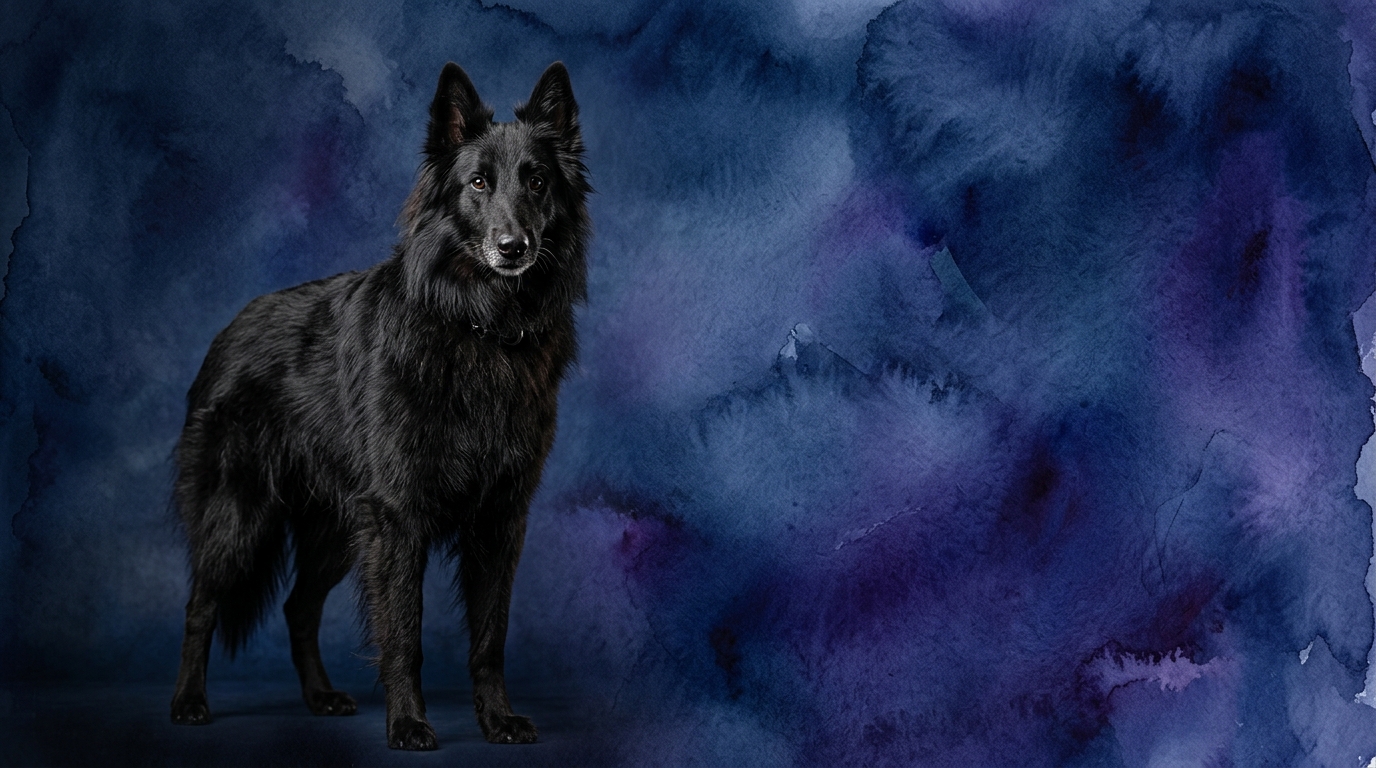
The Belgian Sheepdog (Groenendael), a Herding group member, showcases a formidable cognitive toolkit, placing it at Coren rank #15. Our Pet IQ Lab data highlights exceptional Problem Solving (5/5) and Training Speed (5/5), indicating a dog adept at complex tasks and rapid learning. Its Social Intelligence (3/5) and Instinctive Drive (3/5) are balanced, while Memory (5/5) is a standout feature, suggesting a capacity for retaining vast amounts of information and learned behaviors over time.
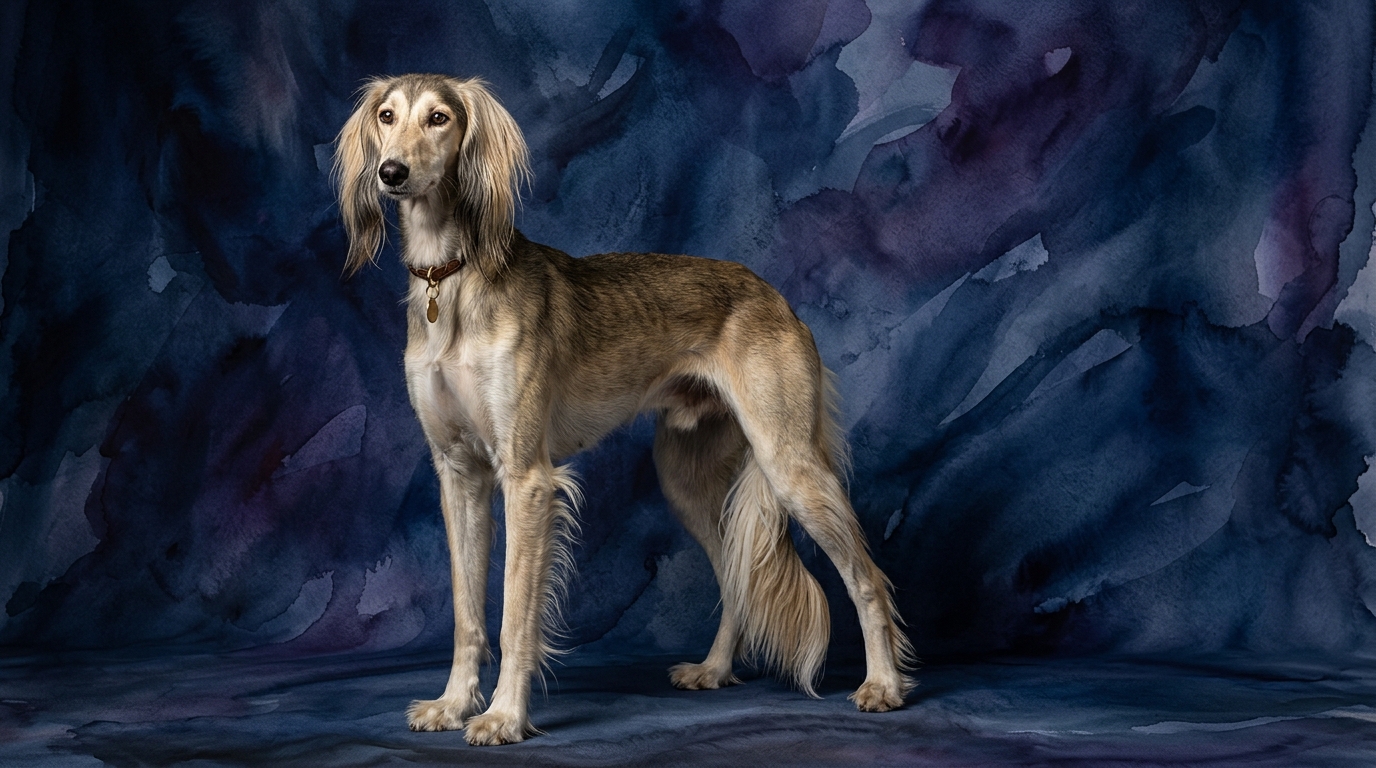
In contrast, the ancient Saluki, a Hound, presents a different cognitive landscape, unranked by Coren but with its own distinct strengths. Our data shows a consistent middle ground across all metrics: Problem Solving (3/5), Training Speed (3/5), Social Intelligence (3/5), Instinctive Drive (3/5), and Memory (3/5). This suggests a dog with competent, but not necessarily exceptional, abilities in these areas, reflecting its independent hunting heritage rather than a collaborative working role.
Where the Groenendael Excels Cognitively
The Groenendael's cognitive prowess truly shines in its exceptional Problem Solving and Training Speed. A 5/5 in Problem Solving means these dogs don't just follow commands; they actively analyze situations, devise strategies to overcome obstacles, and adapt to novel challenges with remarkable agility. This manifests in their ability to quickly grasp multi-step tasks, navigate complex agility courses, or even figure out how to open 'dog-proof' containers. Their 5/5 Training Speed complements this, allowing them to absorb new commands and routines with minimal repetition, making them highly responsive to consistent, engaging instruction.
Memory, also rated 5/5, is a cornerstone of the Groenendael's cognitive superiority. This robust memory ensures that once a lesson is learned or a solution discovered, it is retained long-term, reducing the need for constant refreshers. For tasks requiring a sequence of actions or recalling specific cues in varied environments, this deep memory capacity is invaluable. It underpins their success in competitive obedience, protection work, and intricate herding scenarios where precise recall of patterns and signals is paramount.
Where the Saluki Holds Its Own Cognitively
While the Saluki's 3/5 scores across the board might seem modest compared to the Groenendael, it's crucial to interpret them within the context of their breed's ancient purpose. Their Problem Solving (3/5) isn't about intricate manipulation but rather efficient, independent decision-making in the field. A Saluki solving a 'problem' might involve calculating the optimal pursuit path for prey across varied terrain, leveraging its keen senses and athleticism without direct human intervention. This form of intelligence prioritizes instinct and swift, autonomous action over collaborative, multi-step planning.
The Saluki's balanced Social Intelligence (3/5) and Instinctive Drive (3/5) reflect its heritage as a solitary or small-group hunter, where intense focus on prey superseded complex social dynamics with humans or other dogs during the hunt itself. Their drive is keenly focused on chase and capture, often making them less inclined to seek constant human direction during tasks not directly related to their primal hunting instincts. Their memory (3/5) is sufficient for recalling hunting grounds and successful strategies, but perhaps less geared towards remembering a vast repertoire of human-initiated tricks or commands.
Training Ease: Groenendael's Eagerness vs. Saluki's Independence
The distinction in training ease between these two breeds is stark, largely due to their differing motivations and cognitive strengths. The Groenendael, with its 5/5 Training Speed and high Problem Solving, is typically eager to learn and thrives on structured work. Its strong memory means commands stick quickly, and its desire to engage with its handler makes it a rewarding student. They excel in disciplines requiring precision and responsiveness, such as obedience, agility, and Schutzhund, where their focus and drive to please are channeled effectively. Their herding background instills a natural inclination to work in partnership, making them receptive to guidance.
The Saluki, conversely, approaches training with a more independent spirit, reflected in its 3/5 Training Speed. While capable of learning, their motivation is often intrinsic and less about pleasing a handler. They respond best to positive reinforcement, short, engaging sessions, and tasks that appeal to their sighthound nature, like lure coursing. Attempts at highly repetitive or seemingly pointless drills can be met with disinterest or 'selective hearing.' Their instinctive drive to chase means recall can be a lifelong training challenge, as the thrill of pursuit often overrides learned commands, requiring meticulous management and secure environments.
Lifestyle Match: Active Engagement vs. Relaxed Companionship
For active owners seeking a canine partner for sports or demanding activities, the Groenendael is an exceptional match. Their high Problem Solving, Training Speed, and robust Memory demand consistent mental and physical engagement. Owners must be prepared to provide extensive training, participate in dog sports, or engage in complex problem-solving games daily to prevent boredom and destructive behaviors. This breed thrives on having a 'job,' whether it's competitive obedience, agility, protection work, or even advanced trick training. They are not content to be merely backyard ornaments; they crave interaction and purpose.
The Saluki, while athletic and needing regular exercise, often suits owners who appreciate a more relaxed, independent companion indoors, provided their specific outdoor needs are met. Their moderate instinctive drive (3/5) is highly specific to chasing, meaning bursts of intense activity are followed by long periods of calm lounging. Owners must commit to providing secure, expansive areas for them to gallop freely, such as a fenced yard or a lure coursing track, to satisfy their sighthound instincts safely. Beyond these bursts, they are often quiet and dignified housemates, less demanding of constant interactive mental stimulation than the Groenendael, but requiring understanding of their distinct personality and exercise requirements.
The Verdict
Choose the Belgian Sheepdog (Groenendael) if you are an experienced, active owner seeking a highly trainable, versatile partner for dog sports, advanced obedience, or a working role, prepared to commit to extensive mental and physical stimulation.
Opt for the Saluki if you appreciate an independent, elegant companion, are prepared to manage their sighthound exercise needs in secure environments, and seek a loyal, dignified presence rather than a constant working partner.
🧠 Find Your Pet's IQ Score
Our Pet IQ Lab assessment covers 25+ tests across 5 cognitive dimensions — personalized to your breed.
Take the Full IQ Test →Frequently Asked Questions
Are Groenendaels good for first-time dog owners?
Due to their intense cognitive needs and high drive, Groenendaels are generally better suited for experienced owners who understand the commitment required for consistent training and mental engagement. Their problem-solving abilities mean they can quickly learn undesirable behaviors if not properly guided.
Do Salukis need a lot of exercise?
Salukis require regular, intense bursts of exercise, primarily opportunities to run freely and at top speed in a safe, securely fenced area. While they enjoy lounging indoors, daily opportunities for vigorous running are crucial for their physical and mental well-being, satisfying their strong sighthound instincts.
Which breed is more prone to separation anxiety?
The Groenendael, with its strong bond to its handler and desire for interaction, can be more prone to separation anxiety if not properly socialized and trained for alone time. Salukis, being more independent, typically handle solitude better, provided their exercise needs are met and they have comfortable resting spots.