
A Tale of Two Minds: IQ Profiles Side-by-Side
The Belgian Sheepdog (Groenendael), a distinguished member of the Herding group, registers a significant Coren rank of #15, reflecting a deep capacity for directed learning and complex task execution. Their Problem Solving ability rates a top-tier 5/5, indicating an exceptional aptitude for navigating intricate scenarios and devising solutions, often anticipating outcomes in their original herding duties. Training Speed is also a perfect 5/5, underscoring their rapid comprehension and eagerness to absorb new commands and behaviors with minimal repetition. Social Intelligence, at 3/5, suggests a perceptive understanding of human cues and emotional states, though perhaps with a more reserved engagement compared to some companion breeds, often prioritizing their working partnership. Their Instinctive Drive, rated 3/5, is present but highly refined, channeled into controlled herding behaviors rather than unrestrained impulsivity. Lastly, their Memory is outstanding at 5/5, allowing for the retention of vast command repertoires and complex behavioral sequences over extended periods.
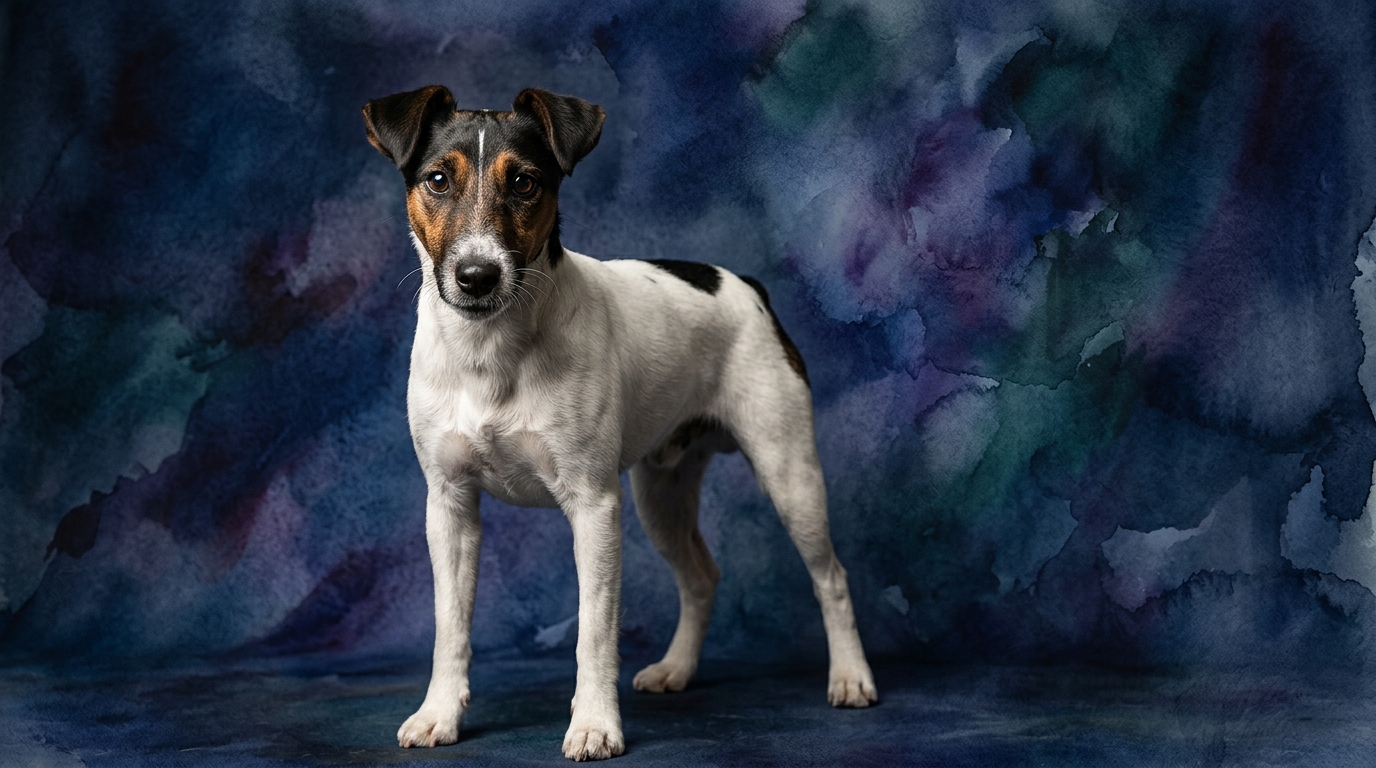
In contrast, the Smooth Fox Terrier, hailing from the Terrier group, does not appear on the Coren ranking, indicating a different cognitive approach shaped by its historical role as a vermin hunter. Their Problem Solving scores 3/5, reflecting a capable, resourceful intelligence often focused on immediate, tangible challenges, such as locating and pursuing prey. Training Speed also stands at 3/5, meaning they are certainly trainable, but may require more consistent engagement and repetition to master new skills, often displaying an independent streak. Social Intelligence, at 3/5, indicates an awareness of their human companions and surroundings, typically forming strong bonds within their family, though they can be assertive in their interactions. Their Instinctive Drive is also 3/5, manifested strongly in their inherent desire to dig, chase, and explore, behaviors integral to their heritage. Memory, rated 3/5, allows them to recall routines and learned tasks adequately, but perhaps not with the same depth or complexity as breeds bred for multi-faceted working roles.
Where the Groenendael's Cognition Shines
The Groenendael's cognitive architecture truly excels in areas demanding strategic thinking and precision. Their 5/5 Problem Solving score translates into an ability to not just follow commands, but to understand the underlying intent and adapt to changing conditions. For instance, in a herding scenario, they don't merely push sheep; they anticipate their movement, block escape routes, and guide the flock strategically, often without explicit instruction for every step. This capacity extends beyond the field, making them adept at complex agility courses, competitive obedience routines requiring multiple sequential actions, and even scent detection tasks where they must deduce patterns and ignore distractions.
Coupled with their perfect 5/5 Training Speed and 5/5 Memory, the Groenendael is an unparalleled student. They absorb new commands with remarkable alacrity, often grasping concepts after only a few repetitions, and retain these learned behaviors over long durations. This means an owner can build an extensive vocabulary of commands, cues, and tricks, confident that their dog will not only learn them quickly but also remember them reliably. This rapid learning and retention make them exceptional candidates for advanced dog sports, service work, or any role where a vast and precise behavioral repertoire is essential, minimizing frustration for both dog and handler during the learning process.
The Smooth Fox Terrier's Unique Cognitive Strengths
While the Smooth Fox Terrier's scores might appear lower across the board, their cognitive strengths are distinct and highly effective for their intended purpose. Their 3/5 Problem Solving, combined with their 3/5 Instinctive Drive, manifests as a tenacious and resourceful cleverness, particularly when pursuing a goal. They are masters of independent problem-solving in specific, focused contexts, like figuring out how to get to a perceived 'prey' (a squirrel, a hidden toy) or navigating complex terrain to reach a desired spot. This isn't about complex strategic planning, but rather a persistent, often single-minded, determination to overcome immediate obstacles using ingenuity and grit.
Their social intelligence, also rated 3/5, while not as nuanced for broad human-canine partnership as the Groenendael, allows them to be highly effective communicators within their immediate family. They are adept at conveying their desires and boundaries, often with a directness that leaves little room for misinterpretation. This assertiveness, paired with their focused memory (3/5) for routines and learned environmental cues, makes them reliable in familiar settings and with established expectations. They remember what is 'theirs' and are often quite possessive, a trait stemming from their independent hunting heritage where securing resources was paramount.
Ease of Training: Responsiveness vs. Resourcefulness
When considering ease of training, the Belgian Sheepdog (Groenendael) clearly holds an advantage. Their 5/5 Training Speed and 5/5 Memory mean they are inherently predisposed to learn rapidly and retain information. They are cooperative partners, bred to work in close communication with a handler, responding to subtle cues and eagerly seeking to understand expectations. This biddability, rooted in their herding background, makes them highly responsive to positive reinforcement and consistent guidance. Complex chains of commands, advanced obedience maneuvers, and intricate agility sequences are often absorbed with impressive speed and precision, making them a joy for experienced trainers or those new to competitive dog sports.
The Smooth Fox Terrier, with a 3/5 Training Speed, presents a different training dynamic. While capable of learning, their independent nature and strong instinctive drives (3/5) mean they often have their own agenda. Training requires more patience, creativity, and consistency to channel their natural tenacity. They can be prone to distraction, particularly by interesting scents or moving objects, and may require more repetitions to solidify commands. Their problem-solving often leans towards figuring out how to achieve *their* goals, rather than strictly adhering to human directives. Successful training with a Smooth Fox Terrier involves making the desired behaviors more rewarding and engaging than their inherent distractions, often leveraging their prey drive in structured games rather than fighting against it.
Matching Breeds to Owner Lifestyles
For owners who lead an active lifestyle and are seeking a deeply engaged canine partner, both breeds offer compelling attributes, though with different demands. The Groenendael thrives with an owner committed to providing consistent mental stimulation alongside physical exercise. Their high problem-solving and memory capacities mean they require a 'job' – whether it's advanced obedience, agility, protection work, or even complex puzzle toys. A Groenendael will become bored, anxious, or develop undesirable behaviors if their sharp mind is not adequately challenged and directed. They excel in structured activities that allow them to work collaboratively with their human.
The Smooth Fox Terrier also demands an active owner, but their energy is often channeled differently. They need ample physical outlets for their strong instinctive drive, including vigorous walks, runs, and opportunities for scent work or earthdog trials that satisfy their digging and chasing instincts. While they appreciate training, it needs to be engaging and fun to hold their attention against their independent spirit. For truly relaxed owners who prefer a more sedentary companion, neither breed is an ideal fit. A Groenendael would likely become restless and destructive, while a Smooth Fox Terrier would undoubtedly find its own (potentially disruptive) ways to entertain itself, such as excavating the garden or persistently barking at perceived intruders.
The Verdict
Choose the Belgian Sheepdog (Groenendael) if you desire a profoundly trainable, highly responsive, and intellectually demanding partner for advanced obedience, dog sports, or a dedicated working role, and are prepared to provide consistent mental challenges.
Opt for the Smooth Fox Terrier if you appreciate a spirited, tenacious, and independently clever companion, are ready to engage in consistent, creative training to channel their strong instincts, and enjoy a dog with a vibrant, assertive personality.
🧠 Find Your Pet's IQ Score
Our Pet IQ Lab assessment covers 25+ tests across 5 cognitive dimensions — personalized to your breed.
Take the Full IQ Test →Frequently Asked Questions
Can a Smooth Fox Terrier perform in dog sports like agility or obedience?
Absolutely, Smooth Fox Terriers can excel in dog sports, but their approach differs. They often bring a spirited enthusiasm and determination, requiring an owner who can make training engaging and leverage their natural drive rather than relying solely on biddability. Their independent problem-solving can be an asset in navigating courses with flair.
Do Groenendaels require a lot of grooming due to their long coats?
Yes, Groenendaels possess a dense double coat that requires regular grooming to maintain its health and appearance. Weekly brushing is typically needed to prevent mats and reduce shedding, with more intensive sessions during seasonal coat blows. This is an important consideration for potential owners.
Are Smooth Fox Terriers good with children?
Smooth Fox Terriers can be wonderful companions for older, respectful children who understand how to interact with a spirited and sometimes assertive dog. Due to their energetic nature and strong prey drive, supervision is always recommended, especially with very young children. Their playful and tenacious personality can be a great match for active families.