
Side-by-Side Cognitive Profiles
The Cosmic Pet Pet IQ Lab categorizes canine intelligence across five key dimensions, offering a granular look at how different breeds process information and interact with their world. For the Belgian Sheepdog, also known as the Groenendael, the profile paints a picture of exceptional cognitive prowess. Their Problem Solving capability rates a perfect 5 out of 5, indicating a strong capacity for independent thought and strategic planning to overcome obstacles. Training Speed also achieves a top score of 5 out of 5, suggesting they grasp new commands and routines with remarkable rapidity. Memory is equally impressive at 5 out of 5, enabling long-term retention of complex sequences and experiences. Social Intelligence stands at 3 out of 5, reflecting an ability to understand human cues but perhaps with a reserved nature towards strangers, focusing primarily on their handler. Instinctive Drive, at 3 out of 5, points to a present but generally manageable herding instinct, guiding their actions without overwhelming their trainability.
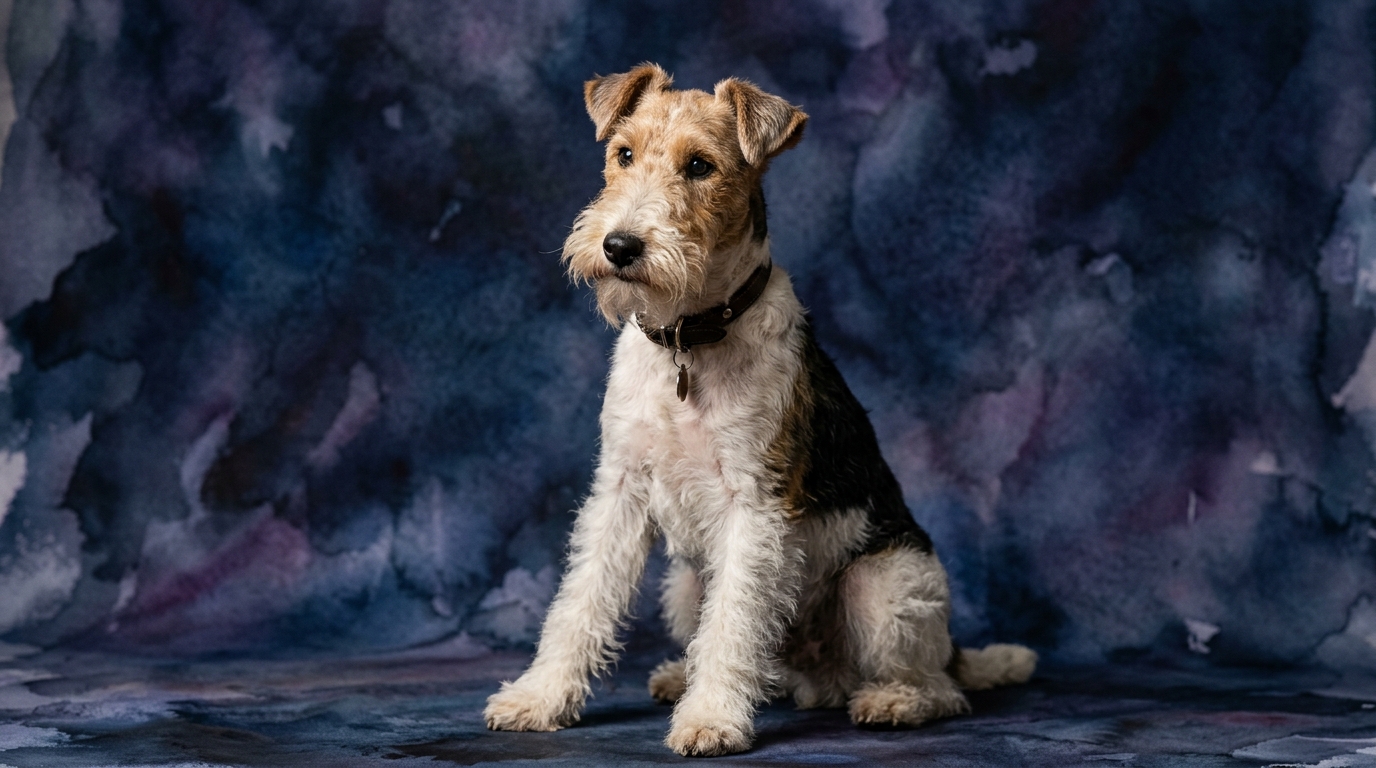
The Wire Fox Terrier, in contrast, presents a balanced but generally lower scoring cognitive profile according to The Cosmic Pet Pet IQ Lab. Their Problem Solving is rated 3 out of 5, meaning they can tackle straightforward challenges, often relying on persistent effort rather than intricate strategic planning. Training Speed also sits at 3 out of 5, indicating a moderate pace of learning that requires consistent reinforcement to solidify new behaviors. Memory, too, is assessed at 3 out of 5, suggesting they retain basic commands adequately but might require more frequent refreshers for complex or less-used information. Social Intelligence aligns with the Groenendael at 3 out of 5, signifying an engagement with familiar humans but often coupled with an independent streak, making them less inclined to defer to subtle cues from outsiders. Instinctive Drive, also 3 out of 5, highlights their inherent terrier tenacity and prey drive, which fuels their exploratory and persistent nature.
Where the Belgian Sheepdog (Groenendael) Excels Cognitively
The Groenendael's cognitive advantages are pronounced, particularly in areas demanding intricate mental processing and rapid assimilation of new information. Their 5/5 Problem Solving score means they aren't just following commands; they are actively assessing situations and devising solutions. This manifests in their ability to navigate complex agility courses, understand multi-step commands involving sequencing, or even anticipating a handler's next move during a working task. Unlike breeds that might rely on rote memorization, the Groenendael demonstrates a deeper comprehension of tasks, allowing for flexible application of learned skills. The 5/5 Training Speed further amplifies this, translating into fewer repetitions needed to master a new skill, freeing up training time for more advanced concepts. They quickly form associations between cues and actions, making them exceptionally responsive partners in dynamic environments. Complementing these strengths is their 5/5 Memory, which ensures that once a skill or lesson is learned, it is retained with remarkable fidelity over extended periods. This long-term retention means less reteaching is required, and they can pick up complex routines after a break, making them highly reliable companions for structured activities and sustained learning journeys.
Where the Wire Fox Terrier Excels Cognitively
While the Wire Fox Terrier's scores might appear lower, their cognitive profile offers distinct advantages rooted in their terrier heritage and independent spirit. Their 3/5 Problem Solving, combined with a 3/5 Instinctive Drive, means they excel at persistent, focused tasks, particularly those involving exploration or 'hunting' for a solution through tenacious effort. They may not always choose the most elegant path, but their determination to achieve a goal, whether it’s digging up a perceived critter or figuring out how to reach a toy, is formidable. This persistence translates into a robust, self-reliant approach to their environment. Their 3/5 Social Intelligence, while indicating a focus on their immediate circle, also underpins a confident independence. They are less prone to anxiety about unknown situations or people, often approaching new experiences with a self-assured curiosity rather than needing constant reassurance or direction. This independence, while sometimes posing training challenges, also means they are less likely to become overly dependent on their owners for emotional regulation or decision-making in everyday scenarios. Their moderate scores in Training Speed and Memory, while not top-tier, are perfectly adequate for mastering essential life skills and enjoying varied activities, particularly when training taps into their inherent drive and playful nature. They adapt well to new routines once established, showcasing a practical, adaptable form of intelligence.
Training Aptitude: Groenendael vs. Wire Fox Terrier
When considering ease of training, the Belgian Sheepdog (Groenendael) presents a significantly smoother experience due to its superior cognitive attributes. Their 5/5 Training Speed means they absorb new commands and concepts with minimal repetition, often understanding what is expected after just a few attempts. This rapid comprehension is coupled with a 5/5 Memory, ensuring that learned behaviors are retained for extended periods, reducing the need for constant re-training. Furthermore, their herding background fosters a natural inclination to work cooperatively with a handler, seeking direction and finding fulfillment in performing tasks. This inherent biddability, combined with their capacity for complex problem-solving, makes them highly responsive to advanced obedience, intricate dog sports, and even nuanced signaling. They genuinely enjoy the process of learning and engaging their minds, making training a collaborative and rewarding endeavor.
The Wire Fox Terrier, conversely, generally requires more patience and a different training approach. Their 3/5 Training Speed means new concepts may take more repetitions to sink in, and their 3/5 Memory dictates that consistent reinforcement is crucial to prevent skills from fading. A key behavioral difference lies in their independent terrier nature and strong instinctive drive (3/5). While Groenendaels are often eager to please, Wire Fox Terriers are more likely to weigh the perceived value of a command against their own interests, especially if a stimulating scent or a potential chase object presents itself. This independence means training sessions must be highly engaging, varied, and reward-based to maintain their focus. Their tenacity, a strength in other contexts, can manifest as stubbornness if they perceive a command as unnecessary or if they are bored. Owners must be prepared for a more persistent and creative training journey, focusing on channeling their natural drives rather than trying to suppress them, to achieve consistent results.
Matching Breeds to Lifestyles: Active vs. Relaxed Owners
Both the Belgian Sheepdog (Groenendael) and the Wire Fox Terrier are best suited for active owners, though the nature of that activity differs. The Groenendael, with its exceptional Problem Solving and Memory, thrives on consistent mental and physical engagement. A truly active owner for a Groenendael is someone who can provide daily opportunities for structured exercise, advanced training, dog sports like agility or obedience, or even a 'job' to do. Their cognitive capacity means they require more than just physical exertion; they need to use their minds to prevent boredom and potential behavioral issues. A relaxed owner, one who prefers minimal interaction beyond basic walks, would likely find a Groenendael to be a challenging companion, as their unmet mental and physical needs could lead to frustration and destructive behaviors.
The Wire Fox Terrier also demands an active lifestyle, but their activity often centers around their prey drive and exploratory nature. An active owner for a Wire Fox Terrier is someone who enjoys vigorous walks, interactive play sessions, and has the patience to engage with their independent spirit. While they may not require the same depth of complex mental tasks as a Groenendael, they need ample opportunity to run, chase, and investigate. Their 3/5 Instinctive Drive means they are happiest when they can channel their energy into purposeful activities. A relaxed owner, who struggles to provide consistent physical outlets or engaging mental games, would find a Wire Fox Terrier prone to boredom, leading to undesirable digging, chewing, or excessive barking. Neither breed is a fit for a truly sedentary lifestyle; both require owners committed to daily engagement and exercise, albeit with different focuses.
The Verdict
When seeking a companion, choose a Belgian Sheepdog (Groenendael) if you desire a highly trainable, intelligent partner for advanced obedience, dog sports, or a working role, and if you are prepared for consistent, deep mental and physical engagement.
Opt for a Wire Fox Terrier if you appreciate a spirited, independent companion with a tenacious spirit, and if you are ready for consistent, patient training to channel their natural drives into an active, engaging partnership.
🧠 Find Your Pet's IQ Score
Our Pet IQ Lab assessment covers 25+ tests across 5 cognitive dimensions — personalized to your breed.
Take the Full IQ Test →Frequently Asked Questions
Does Coren rank provide a full picture of dog intelligence?
Coren rank primarily assesses "working and obedience intelligence" based on training speed and command retention. While valuable, it doesn't fully encompass other aspects like problem-solving, social intelligence, or instinctive drives, which The Cosmic Pet Pet IQ Lab explores more broadly.
Can a Wire Fox Terrier learn complex commands like a Groenendael?
A Wire Fox Terrier can certainly learn complex commands, but it will generally require more repetitions and consistent reinforcement than a Groenendael. Their independent nature means training must be highly motivating and engaging to hold their attention and overcome their tendency to prioritize their own interests.
Are these breeds good for first-time dog owners?
Both breeds can be challenging for first-time owners due to their energy levels and specific cognitive needs. Groenendaels require dedicated owners committed to advanced training, while Wire Fox Terriers need patient owners who understand and can channel their independent, tenacious terrier traits.