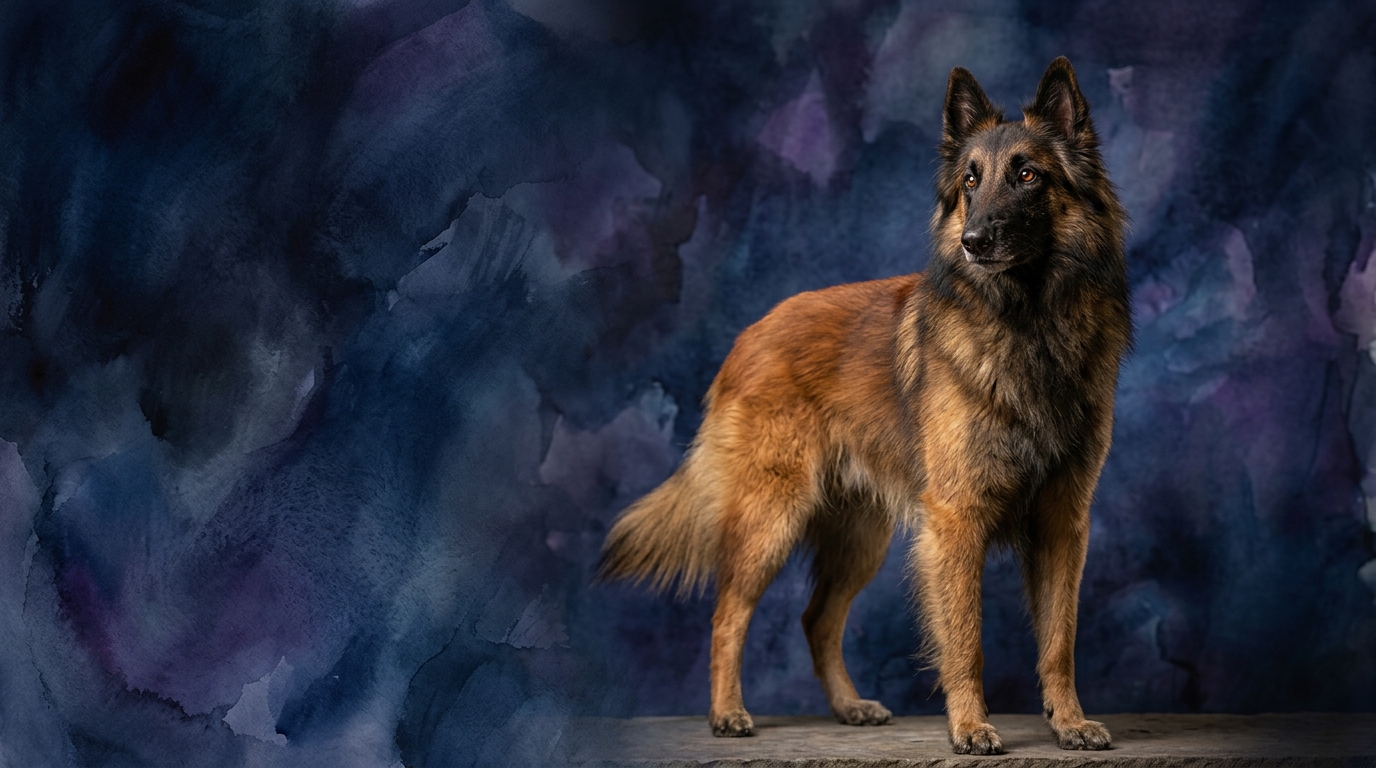
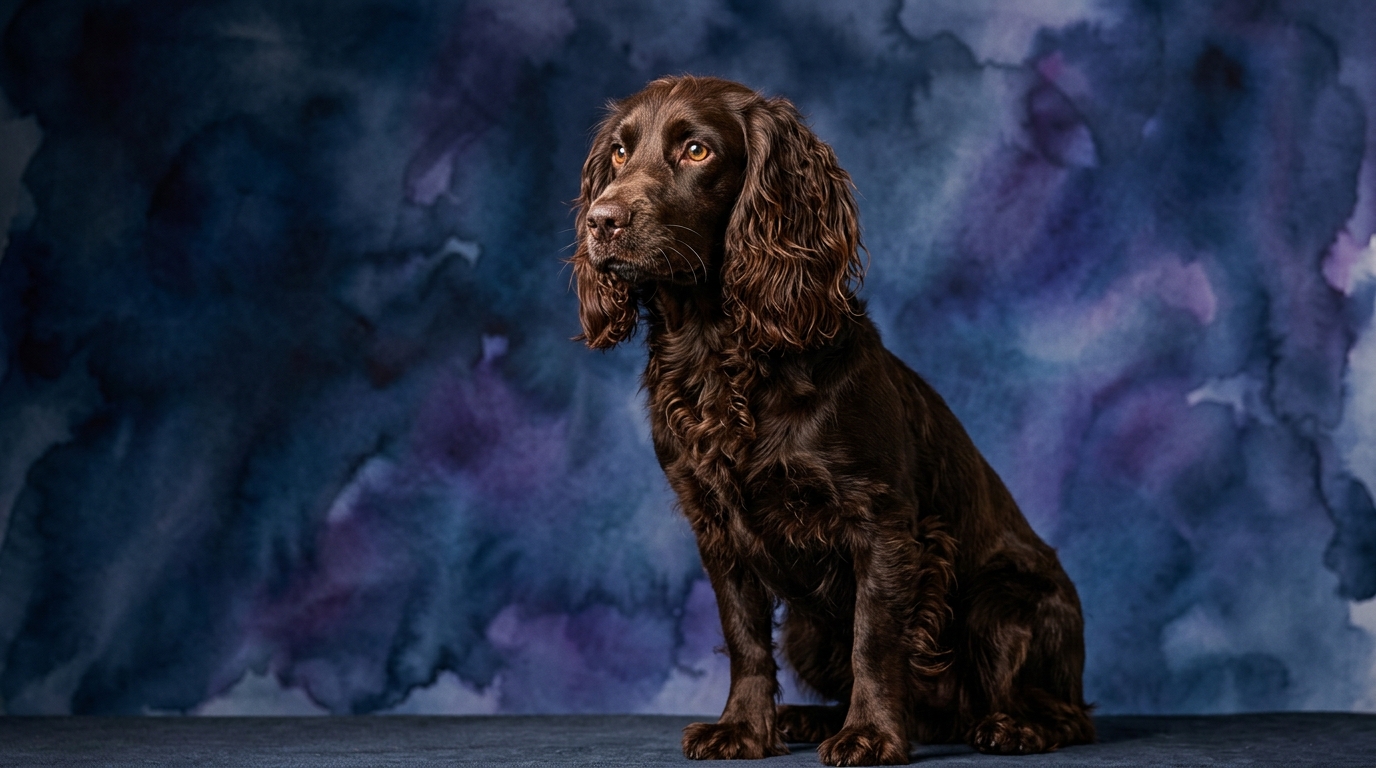
Side-by-Side IQ Profile: Tervuren vs. Boykin
The Belgian Tervuren, recognized by Stanley Coren as the 14th most capable breed, showcases an impressive cognitive profile tailored for complex work. Their Problem Solving is rated 5/5, indicating an exceptional capacity to analyze novel situations, devise strategies, and independently navigate challenges. Training Speed also stands at a perfect 5/5, meaning they grasp new commands and multi-step routines with remarkable swiftness, often requiring only a handful of repetitions to solidify a behavior. While their Social Intelligence is a solid 3/5, it signifies a focused connection, often deeply attuned to their primary handler's subtle cues. An Instinctive Drive of 3/5 points to their inherent herding and protective tendencies, providing a strong foundation for specific tasks. Finally, their Memory is a stellar 5/5, allowing them to retain vast repertoires of commands and intricate sequences over extended periods, making them formidable partners in advanced disciplines.
The Boykin Spaniel, while not featured on Stanley Coren's traditional ranking, possesses a distinct and functional intelligence perfectly suited to its sporting heritage. Their Problem Solving ability is rated 3/5, meaning they can effectively navigate moderate challenges, particularly those related to their retrieving and hunting roles, but might require more structured guidance for abstract puzzles. Training Speed also sits at 3/5; they are certainly trainable and eager, though they typically require more consistent repetitions and patient reinforcement compared to the Tervuren. Their Social Intelligence, like the Tervuren, is rated 3/5, manifesting as a strong bond with their family and a keen responsiveness to their handler's directions, especially when engaged in shared activities. An Instinctive Drive of 3/5 highlights their passionate drive for retrieving, water work, and tracking, which forms the core of their working motivation. Their Memory is also rated 3/5, enabling them to reliably recall learned commands and routines, particularly those frequently practiced and reinforced within their working context.
Where the Belgian Tervuren Wins Cognitively
The Belgian Tervuren's cognitive prowess truly shines in areas demanding abstract thought and rapid learning. Their 5/5 Problem Solving score means they excel at tasks requiring independent thought and adaptation, such as deciphering complex puzzle toys designed for advanced canine minds, or quickly understanding and executing multi-stage agility courses they've never seen before. Owners often observe their Tervuren strategically planning how to open childproof latches or navigate novel obstacles, demonstrating a remarkable capacity for cognitive mapping and foresight. This breed's 5/5 Training Speed allows them to master new behaviors with astonishing efficiency; a Tervuren might learn a multi-part trick in a single dedicated training session. Their exceptional 5/5 Memory ensures these complex learned behaviors are retained with minimal degradation over time, making them ideal candidates for competitive obedience or protection sports where precision and long-term recall are paramount. They don't just learn; they integrate and generalize, applying concepts from one scenario to another with impressive fluidity.
Where the Boykin Spaniel Wins Cognitively
While the Boykin Spaniel's scores are more moderate, their cognitive strengths are deeply specialized and highly effective within their intended domain. Their 3/5 Instinctive Drive, specifically for retrieving and water work, translates into a laser-focused cognitive application in these areas. A Boykin's problem-solving, though rated 3/5 generally, becomes remarkably acute when faced with the challenge of locating a downed bird in dense cover or navigating complex water currents to retrieve a decoy. Their specific drive means they will expend considerable mental effort and persistent trial-and-error to achieve their retrieving goal, demonstrating a practical and goal-oriented form of intelligence. Their Social Intelligence, also 3/5, often manifests as an intense desire to cooperate with their handler during working tasks, making them exceptionally biddable in the field. This isn't just about following commands; it's about anticipating their handler's intentions and working collaboratively, a nuanced form of social cognition. While their Training Speed is 3/5, they are highly responsive to positive reinforcement, and their enthusiasm for tasks like 'fetch' or 'find it' means they learn and perform these specific, purpose-driven behaviors with great dedication and consistency, often motivated by the sheer joy of the activity itself.
Training Ease: Tervuren vs. Boykin
Determining 'easier' in training depends entirely on the owner's goals and experience. From a purely acquisition speed perspective, the Belgian Tervuren is undoubtedly 'easier' to train complex behaviors. Their 5/5 Training Speed means they grasp concepts rapidly, requiring fewer repetitions to understand a new command or a complex sequence. For an experienced trainer aiming for advanced dog sports, a Tervuren's quick uptake and exceptional memory (5/5) make them a dream to work with, as they can progress through sophisticated routines swiftly. However, this ease of learning comes with a significant caveat: their high intellect and drive demand constant mental engagement. An under-stimulated Tervuren quickly becomes bored, and their problem-solving skills (5/5) might then be applied to undesirable 'projects' like escape artistry or destructive chewing. Their 3/5 social intelligence means they are often highly focused on their handler but might be less forgiving of inconsistent training or lack of leadership.
The Boykin Spaniel, with its 3/5 Training Speed, requires more patience and consistency. They will learn, but typically need more repetitions and a slower progression through new material. For an owner seeking a reliable companion for basic obedience, retrieving, and family life, the Boykin is highly trainable, especially when training taps into their natural sporting drives. Their social intelligence (3/5) often translates into a strong desire to please their handler, particularly when the reward is a game of fetch or a walk. While they might not invent new ways to open the fridge, they are generally less prone to using their intellect for mischief if their energy and basic mental needs are met. Training a Boykin is more about consistent, positive reinforcement and building strong habits, rather than challenging their cognitive limits with abstract problems.
Active Owners vs. Relaxed Owners
The distinction between these two breeds regarding owner suitability is quite pronounced. The Belgian Tervuren is unequivocally suited for highly active owners who are prepared to be equally active mentally and physically. These dogs thrive with individuals who engage in structured dog sports, advanced obedience, protection work, or roles requiring consistent mental challenge, such as search and rescue. Their high problem-solving capacity (5/5) and immense energy mean they need daily outlets that go beyond a simple walk; they require jobs to do, puzzles to solve, and new skills to master. A relaxed owner, or one unable to dedicate several hours daily to their Tervuren's mental and physical stimulation, would likely find themselves overwhelmed by a dog exhibiting frustration, boredom, and potentially destructive behaviors. This breed is a partner for a dedicated, experienced handler who understands the demands of a working dog.
The Boykin Spaniel, while also an active breed, suits a different type of active owner. They are ideal for individuals or families who enjoy outdoor activities like hunting, hiking, swimming, and long walks in varied terrain. Their energy is geared towards purposeful activity, particularly retrieving and exploring. While they benefit greatly from consistent training and mental engagement, their needs are less about complex, abstract problem-solving and more about channeling their instinctive drives into enjoyable, shared activities. An owner who enjoys spending weekends at the lake, taking long walks through fields, or engaging in consistent games of fetch will find a Boykin Spaniel a delightful and energetic companion. A moderately relaxed owner who can provide consistent daily exercise and companionship, along with basic training, could manage a Boykin, whereas a Tervuren would likely struggle immensely in the same environment.
The Verdict
Choose the Belgian Tervuren if you are an experienced, dedicated owner seeking a highly capable, mentally demanding partner for advanced dog sports, working roles, or complex training, prepared to invest significant time in their mental and physical enrichment.
Opt for the Boykin Spaniel if you are an active individual or family seeking a biddable, energetic companion for outdoor adventures, retrieving, and sporting activities, appreciating a dog with a focused drive and generally amiable, cooperative nature.
🧠 Find Your Pet's IQ Score
Our Pet IQ Lab assessment covers 25+ tests across 5 cognitive dimensions — personalized to your breed.
Take the Full IQ Test →Frequently Asked Questions
Do Belgian Tervuren and Boykin Spaniels need a lot of exercise?
Yes, both breeds require significant daily exercise, but the nature differs. Tervurens need intense physical activity coupled with complex mental challenges. Boykins thrive on consistent physical activity like retrieving, swimming, and long walks, channeling their sporting drives.
Are Boykin Spaniels good family dogs despite not being Coren-ranked?
Absolutely. Boykin Spaniels are generally amiable, loyal, and make excellent family companions, especially for active families who include them in outdoor adventures. Their 3/5 social intelligence often translates to a strong bond with their human family.
How do their instinctive drives differ in daily life?
A Tervuren's 3/5 instinctive drive often manifests as strong herding or protective tendencies, requiring an owner to provide appropriate outlets or management. A Boykin's 3/5 instinctive drive is primarily focused on retrieving and water work, making them eager participants in games of fetch or swimming, and generally less inclined towards herding or protection.