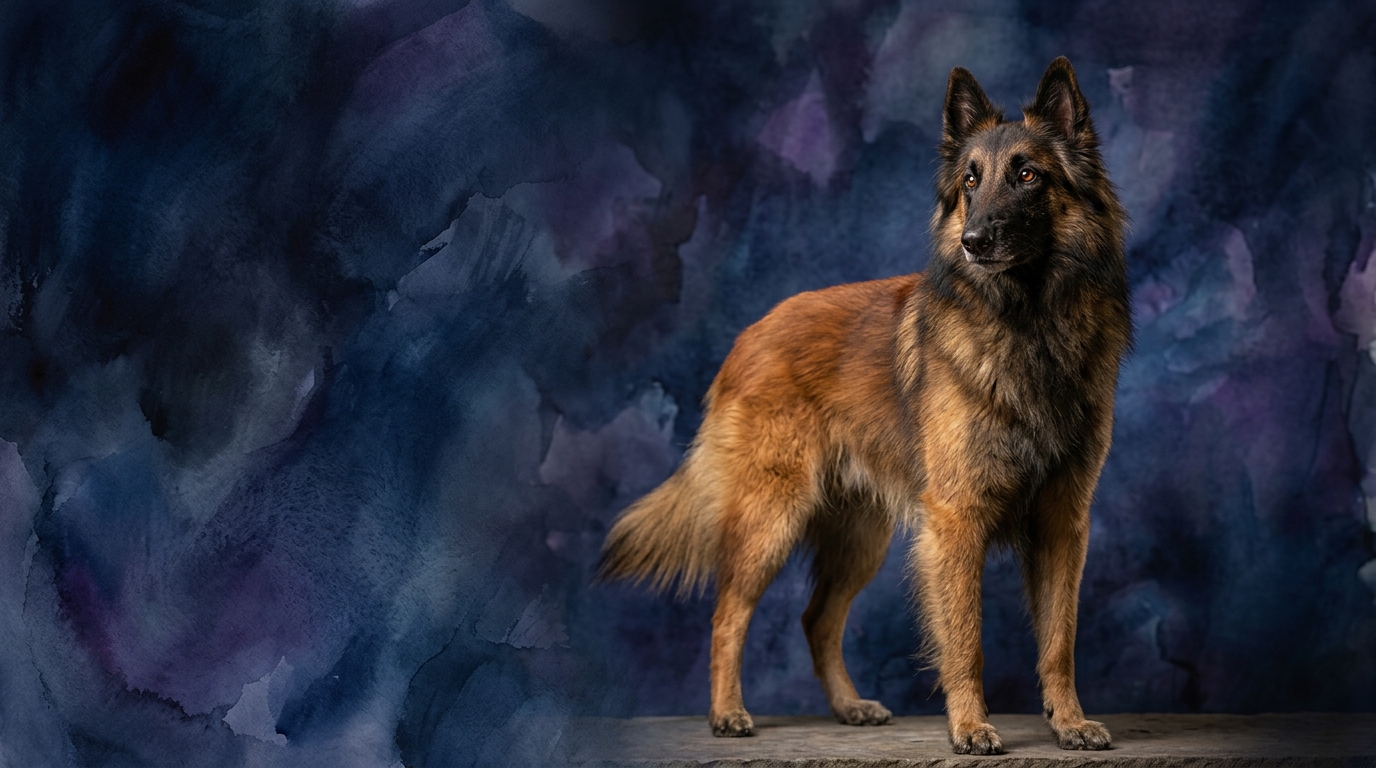
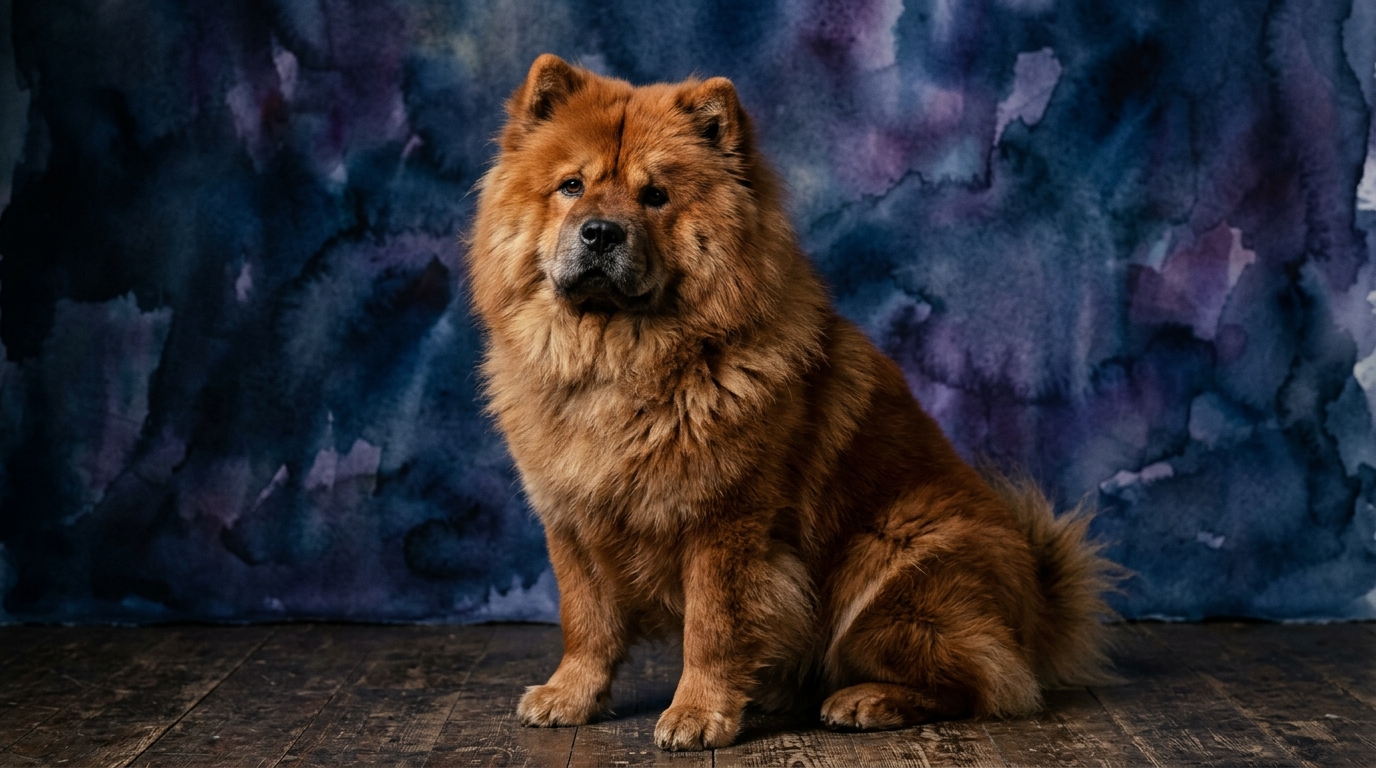
Side-by-Side Cognitive Profiles: Tervuren vs. Chow Chow
The Cosmic Pet Pet IQ Lab employs five core dimensions to map a breed's cognitive landscape, offering a nuanced understanding beyond simple obedience. For the Belgian Tervuren, a member of the Herding group, their profile reflects a breed bred for intricate work: a Coren rank of #14 places them among the most responsive and capable working dogs. Their Problem Solving is rated 5/5, indicating an exceptional capacity to analyze novel situations and devise effective solutions. Training Speed also scores 5/5, meaning they grasp new commands and complex sequences with minimal repetition, eager to integrate new information. Social Intelligence is 3/5, suggesting they understand human cues but often maintain a reserved demeanor, particularly with strangers, focusing their deep bonds on their chosen family. Their Instinctive Drive, at 3/5, points to a strong, yet manageable, urge to herd and protect, which can be channeled into productive tasks. Finally, Memory is 5/5, allowing them to recall vast amounts of learned behaviors and experiences with remarkable precision over long periods.
In contrast, the Chow Chow, an ancient breed from the Non-Sporting group, presents a different cognitive blueprint. Their Coren rank of #76 positions them significantly lower in terms of traditional obedience and working intelligence, reflecting their more independent nature. Their Problem Solving ability scores 3/5; they can navigate familiar challenges and routines effectively but are less inclined to persist with complex, abstract puzzles or innovate solutions without clear incentive. Training Speed is also 3/5, meaning they learn at a moderate pace, requiring consistent reinforcement and motivation, often for practical rather than performance-oriented tasks. Like the Tervuren, their Social Intelligence is 3/5, but this manifests as a profound understanding of their immediate family's dynamics coupled with a pronounced aloofness towards outsiders, often choosing to observe rather than actively engage. Their Instinctive Drive, also 3/5, is primarily expressed as territorial guarding and a self-preservation instinct, rather than a drive for collaborative work. Their Memory, at 3/5, is adequate for retaining essential commands and routines, though perhaps not with the same intricate detail or long-term recall as breeds with higher scores.
Where the Belgian Tervuren Excels Cognitively
The Belgian Tervuren's cognitive strengths are undeniably geared towards active engagement and complex task mastery. Their superior Problem Solving (5/5) means they are not just followers of commands, but active participants in their environment. Faced with an obstacle, a Tervuren is likely to analyze it, try different approaches, and learn from its successes and failures, rather than waiting for human intervention or giving up. This capacity makes them exceptional candidates for roles requiring adaptability and quick thinking, such as search and rescue, advanced obedience, or competitive dog sports where problem-solving under pressure is key.
Furthermore, their perfect 5/5 Training Speed and Memory scores intertwine to create a highly efficient learning machine. A Tervuren can pick up a new command in just a few repetitions and retain that information for years, even without constant refreshing. This cognitive efficiency allows them to build vast repertoires of behaviors and skills, making them incredibly versatile. Owners can introduce complex multi-step routines, and the Tervuren will not only learn them quickly but also recall them accurately, allowing for rapid progression through training levels and the tackling of increasingly difficult challenges. Their mental agility allows them to process and integrate new information at a pace that few other breeds can match, making them a joy for handlers who enjoy teaching and refining skills.
Where the Chow Chow's Intellect Shines Uniquely
While the Chow Chow's scores might appear lower in traditional metrics, their cognitive profile represents a different kind of strength: self-sufficiency and discerning independence. Their 3/5 Problem Solving, though not as innovative as a Tervuren's, is perfectly suited for a breed that historically operated with less direct human oversight. They are adept at managing their own comfort and security within their familiar environment, making practical decisions about their space and resources without needing constant direction. This translates into a dog that often requires less micro-management, content to assess situations and act according to its own measured judgment, rather than seeking immediate human input for every minor decision.
The Chow Chow's moderate Social Intelligence (3/5), combined with its other scores, supports a deeply independent nature. They are not prone to separation anxiety, often because their cognitive framework enables them to be content in their own company, understanding their place within the family unit without needing constant affirmation or interaction. This self-contained mental fortitude means they are less susceptible to boredom-induced destructive behaviors stemming from a craving for complex mental tasks, provided their basic needs are met. Their cognitive strengths lie in their ability to be a steadfast, calm presence that processes the world through a lens of self-reliance and quiet observation, making them an ideal companion for those who appreciate a dog with a strong, independent mind rather than a constant desire for instruction.
Trainability: A Tale of Two Approaches
When it comes to ease of training, the Belgian Tervuren stands in stark contrast to the Chow Chow, largely due to their differing intrinsic motivations and cognitive processing speeds. The Tervuren's 5/5 Training Speed and Memory, combined with their strong desire to work collaboratively, make them exceptionally easy to train. They possess an inherent eagerness to please their handler and thrive on mental stimulation, absorbing commands and complex sequences with remarkable rapidity. Their responsiveness means they are highly malleable, quick to understand what is being asked of them, and eager to repeat correct behaviors. This allows for fluid, progressive training sessions where new concepts are introduced and mastered efficiently, making them a top choice for competitive obedience, agility, or any discipline requiring precise execution.
Conversely, the Chow Chow's 3/5 Training Speed and Memory, coupled with their independent nature, present a more significant training challenge. They learn, but at their own pace, and often weigh the value of a command against their own inclinations. They are not inherently driven by a desire to please and may require more creative, patient, and consistent training methods that appeal to their self-interest rather than relying on their eagerness to cooperate. Their aloofness can be misinterpreted as stubbornness; it is more accurately a reflection of a breed that values its autonomy. Training a Chow Chow requires understanding their unique motivation, building trust, and employing positive reinforcement consistently to convince them that following your lead is a worthwhile endeavor. They will eventually learn, but the process demands more dedication and a different approach than with a highly biddable breed like the Tervuren.
Matching Breeds to Lifestyles: Active vs. Relaxed Owners
The stark differences in their cognitive makeup directly inform which breed is better suited for active versus relaxed owners. The Belgian Tervuren is unequivocally a breed for active owners. Their high Problem Solving, Training Speed, and Memory demand constant mental engagement and physical activity to prevent boredom and potential behavioral issues. These dogs thrive when they have a job to do, whether it's participating in dog sports, engaging in complex obedience routines, or accompanying their owners on long, challenging hikes. An owner who can provide consistent training, varied enrichment, and ample exercise will find the Tervuren a rewarding and endlessly engaging companion, eager to participate in every adventure.
The Chow Chow, on the other hand, aligns well with more relaxed owners. While they still require regular, moderate exercise to maintain physical health, their cognitive profile does not necessitate the same level of intense mental stimulation as the Tervuren. Their independent and self-sufficient nature means they are often content with a calmer household routine, enjoying quiet companionship rather than constant interaction or complex tasks. Owners who appreciate a dignified, reserved companion, and are prepared to respect their dog's independent streak, will find the Chow Chow a loyal and relatively low-maintenance mental companion. Their needs for mental engagement are met through routine and observation, rather than constant instruction or problem-solving exercises.
The Verdict
Choose a Belgian Tervuren if you seek a highly trainable, versatile working partner eager to engage in complex activities and thrive on consistent mental and physical challenges.
Choose a Chow Chow if you appreciate an independent, reserved companion content with a calmer routine, and are willing to invest patient, consistent effort into training a self-sufficient personality.
🧠 Find Your Pet's IQ Score
Our Pet IQ Lab assessment covers 25+ tests across 5 cognitive dimensions — personalized to your breed.
Take the Full IQ Test →Frequently Asked Questions
Is the Belgian Tervuren suitable for first-time dog owners?
Due to their high cognitive demands for problem solving, training speed, and memory, Belgian Tervuren are generally better suited for experienced owners. They require consistent, knowledgeable guidance and abundant mental stimulation to channel their intelligence constructively.
Do Chow Chows require extensive grooming due to their coat?
Yes, Chow Chows possess a dense double coat that requires regular grooming to prevent matting and maintain skin health. Weekly brushing is essential, with more frequent sessions during shedding seasons to manage their thick fur.
Can a Belgian Tervuren live in an apartment?
While their size could technically fit, a Belgian Tervuren's intense need for physical exercise and mental engagement makes apartment living challenging without significant owner dedication. They thrive with ample outdoor space and consistent opportunities for activity to satisfy their inherent drives.