Side-by-Side Cognitive Profiles
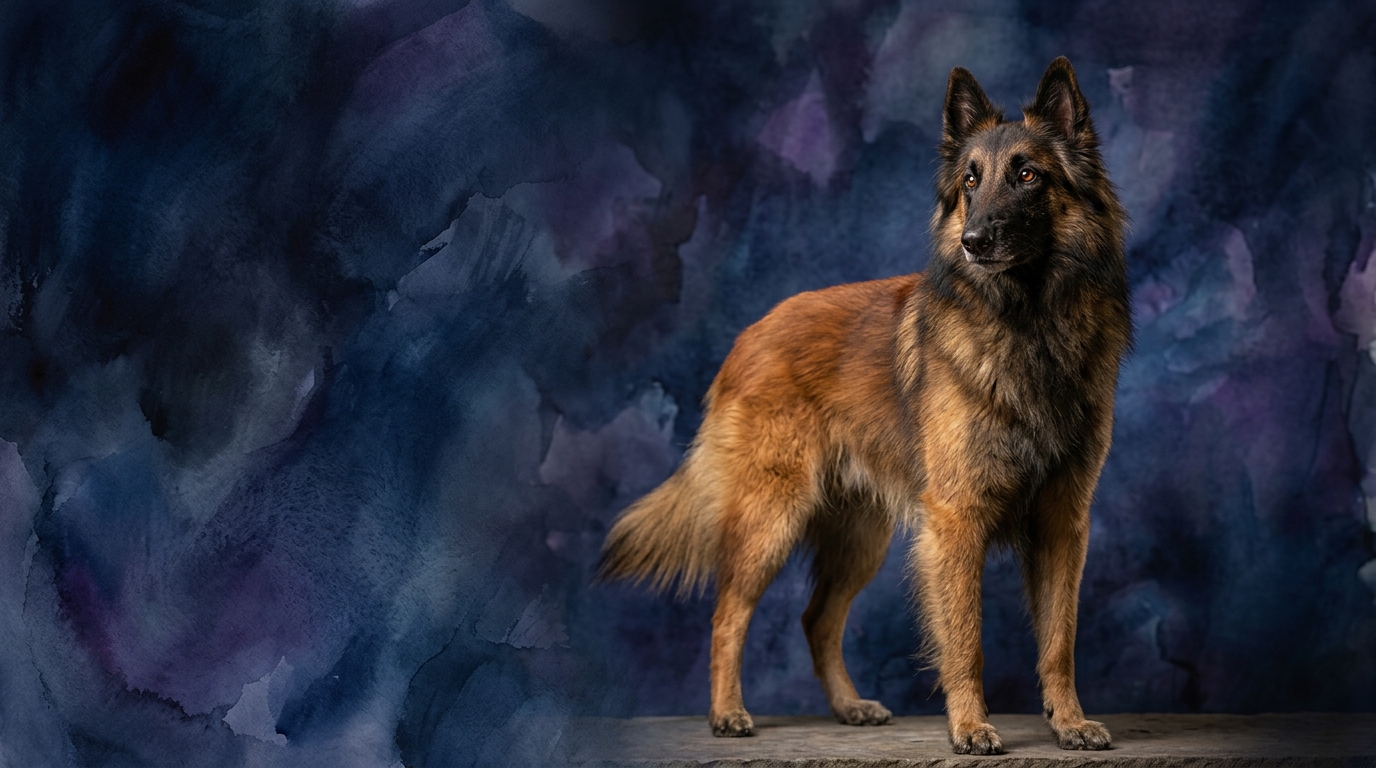
Hailing from the Herding group, the Belgian Tervuren presents a cognitive profile characterized by exceptional mental agility. Their Problem Solving is rated 5/5, indicating a profound capacity to analyze novel situations and devise effective solutions, often demonstrating foresight and strategic thinking. Training Speed also scores a perfect 5/5, meaning they grasp new commands and complex sequences with remarkable swiftness, making them incredibly receptive students. Their Social Intelligence is a balanced 3/5, suggesting they understand human cues and pack dynamics well, but might not be overly effusive or dependent on constant social interaction in the same way some companion breeds are. Instinctive Drive, at 3/5, signifies a present but manageable level of innate behaviors, such as herding or guarding, which provides purpose without overwhelming their other cognitive functions. Finally, their Memory is an outstanding 5/5, allowing them to retain vast amounts of information, from learned behaviors to past experiences, forming complex associations over time. Their Coren rank of #14 further underscores their general cognitive prowess.
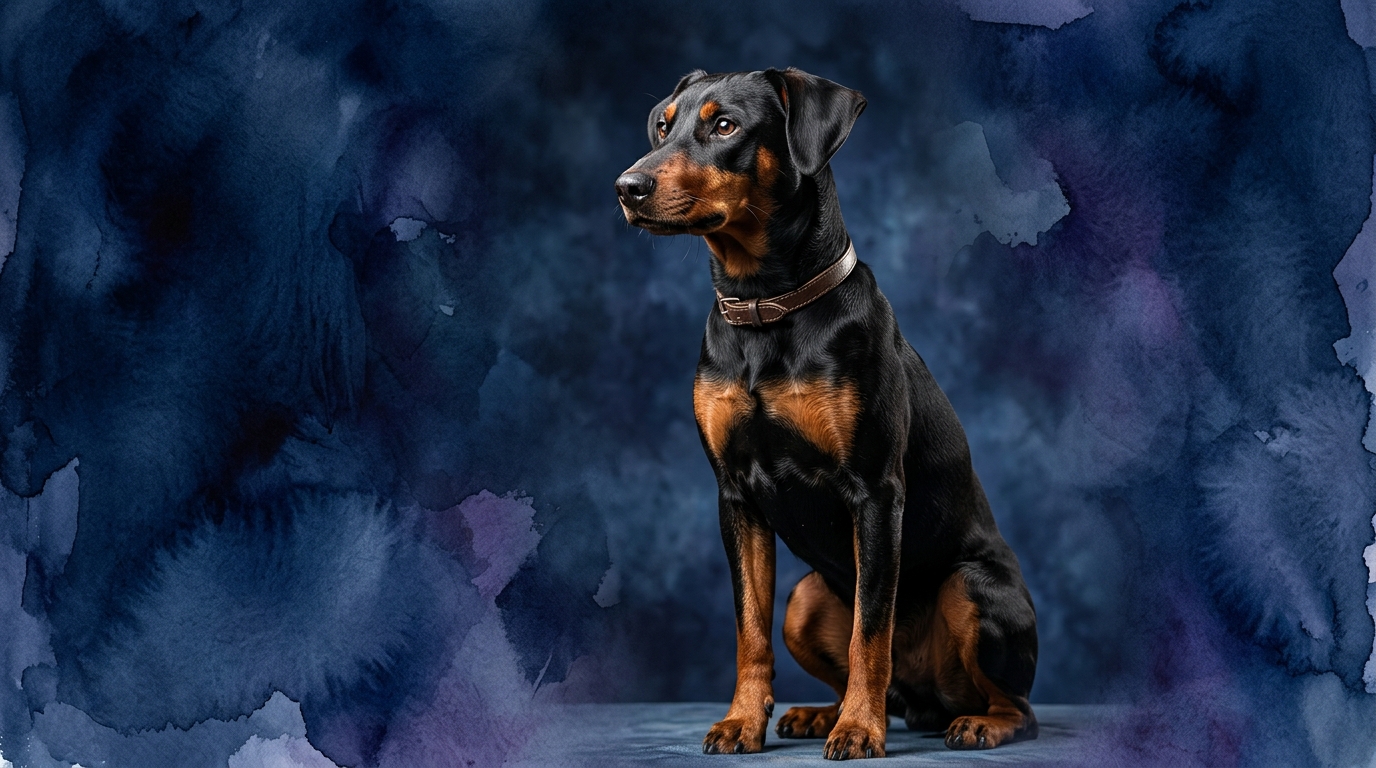
Representing the Working group, the German Pinscher exhibits a consistent and practical cognitive makeup. Their Problem Solving is rated 3/5, indicating a solid ability to navigate challenges and figure out solutions, though perhaps without the inventive flair of a Tervuren. Training Speed also stands at 3/5; they are capable learners who absorb information at a steady, reliable pace, requiring clear and consistent instruction. Like the Tervuren, their Social Intelligence is 3/5, implying an adequate understanding of social cues and interactions, fostering a companionable but potentially independent relationship. Their Instinctive Drive is also 3/5, suggesting a moderate level of innate working behaviors, such as vigilance or prey drive, which can be channeled effectively. Memory, at 3/5, reflects a functional capacity to recall learned commands and experiences, sufficient for daily life and consistent training. The German Pinscher is not included in Coren's ranking, which often highlights breeds with extreme specializations in certain cognitive areas, but their balanced 3/5 across the board points to a versatile and robust, rather than specialized, working intelligence.
Where the Belgian Tervuren Excels Cognitively
The Belgian Tervuren distinctly outperforms the German Pinscher in areas demanding advanced cognitive processing, specifically Problem Solving, Training Speed, and Memory. Their 5/5 in Problem Solving signifies an innate ability to not just follow commands, but to independently assess and navigate complex environments, often anticipating consequences or finding creative workarounds. This makes them adept at tasks requiring initiative, such as advanced obedience trials or intricate agility courses where quick, on-the-fly decisions are crucial. Their superior Training Speed (5/5) means they require fewer repetitions to master new skills, translating into faster progress in any discipline, from basic manners to specialized working roles. Furthermore, their exceptional Memory (5/5) allows them to build vast repertoires of learned behaviors and experiences, enabling them to execute lengthy, multi-step commands and recall precise details from past interactions, making them highly reliable in complex routines.
Where the German Pinscher's Cognitive Profile Shines
While the German Pinscher does not exhibit the same peak performance as the Tervuren in specific cognitive dimensions, their consistent 3/5 across all categories represents a unique strength: practical, balanced, and robust intelligence. This consistency means they are less prone to the cognitive overstimulation or intense focus that can sometimes accompany higher scores in specific areas. Their moderate Problem Solving (3/5) and Training Speed (3/5) suggest a dog that is pragmatic and direct, less likely to overthink a situation or become bored with repetitive tasks if the motivation is clear. Their balanced Social Intelligence and Instinctive Drive (both 3/5) contribute to a self-reliant demeanor, meaning they are less likely to become overly dependent on human direction or be driven by overwhelming instinctual urges that require constant management. This "wins" in scenarios where a steady, dependable, and less intense cognitive approach is preferred, making them excellent at tasks requiring clear-headed application rather than inventive problem-solving or vast memorization. Their cognitive profile suggests a practical efficiency, making them effective without requiring the extensive mental challenges a Tervuren might demand to stay engaged.
Training Ease: Tervuren vs. Pinscher
Based on their cognitive profiles, the Belgian Tervuren is unequivocally easier to train for a wide range of tasks due to their perfect 5/5 scores in both Training Speed and Memory, coupled with their superior Problem Solving. A Tervuren will grasp new commands with minimal repetition, making initial learning phases remarkably swift. For instance, teaching a "stay" command will likely take fewer sessions with a Tervuren, and they will retain that command over longer periods and in more distracting environments. Their high Problem Solving allows them to generalize learned behaviors to new situations and even figure out solutions independently, meaning once they understand the *concept* of a task, they can often apply it without constant human guidance. In contrast, the German Pinscher, with 3/5 in Training Speed and Memory, requires more consistent and repetitive instruction. While capable, a Pinscher might need more structured practice to cement a command, and their retention, while adequate, may not be as immediate or long-lasting as a Tervuren's, especially for complex sequences. A Pinscher will learn, but the process will be more deliberate and require greater patience and clarity from the trainer.
Lifestyle Match: Active vs. Relaxed Owners
The Belgian Tervuren's cognitive profile, marked by high Problem Solving, Training Speed, and Memory, demands a highly active and mentally engaging lifestyle, making them best suited for equally active owners. Their mental acuity means they require constant intellectual challenges to prevent boredom and destructive behaviors. Owners who enjoy dog sports like agility, obedience, protection work, or even complex trick training will find the Tervuren an eager and capable partner. A Tervuren with insufficient mental stimulation can quickly become restless, inventing their own "problems" to solve, which might manifest as excessive barking, digging, or rearranging household items. Conversely, the German Pinscher, with its balanced 3/5 scores across the board, can adapt to a wider range of owner activity levels, though they are still dogs from the Working group. While they thrive with regular exercise and mental engagement, their slightly less intense cognitive demands mean they might be more forgiving of an owner's occasional relaxed day. They still need structured activities to channel their moderate instinctive drive, but they may not require the same constant, high-level intellectual stimulation as a Tervuren. A Pinscher could suit an owner who enjoys daily walks, some moderate training sessions, and perhaps occasional participation in dog sports, without needing to be an elite competitor.
The Verdict
Choose the Belgian Tervuren if you are an experienced, highly active owner eager to engage in advanced training, complex dog sports, or working roles that demand exceptional problem-solving, rapid learning, and robust memory.
Opt for the German Pinscher if you seek a practical, consistent, and self-reliant companion for an active lifestyle that values a balanced temperament and reliable, moderate cognitive engagement over extreme mental demands.
🧠 Find Your Pet's IQ Score
Our Pet IQ Lab assessment covers 25+ tests across 5 cognitive dimensions — personalized to your breed.
Take the Full IQ Test →Frequently Asked Questions
Do Belgian Tervuren and German Pinscher have similar exercise needs despite their different IQ profiles?
While both are active breeds, the *type* of exercise differs. Tervurens require significant mental and physical exertion to satisfy their high cognitive drive, often needing structured tasks. Pinschers also need regular physical activity but may be satisfied with consistent walks and moderate play, without the same intense demand for complex mental challenges.
Can a German Pinscher be trained for complex tasks like a Belgian Tervuren?
A German Pinscher *can* learn complex tasks, but the process will likely be more gradual and require greater repetition and consistency from the trainer compared to a Belgian Tervuren. Their 3/5 training speed means they are capable, but not as quick to absorb new information or generalize solutions.
How does social intelligence differ between these two breeds?
Both breeds score 3/5 in social intelligence, suggesting they are generally good at understanding human cues and integrating into a family. Neither is overly dependent or aloof, but rather possess a balanced capacity for social interaction, making them companionable without being excessively clingy or needing constant reassurance.