A Side-by-Side Cognitive Profile
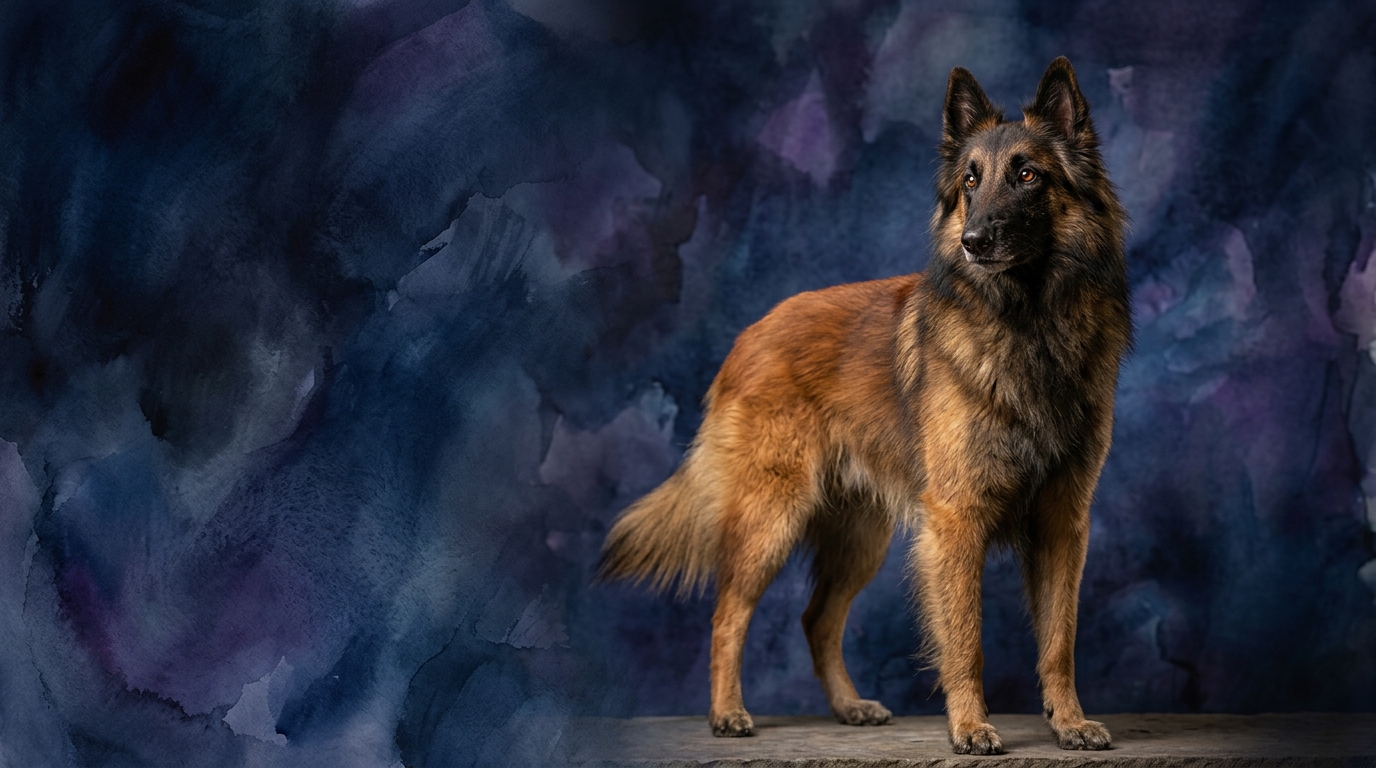
The Cosmic Pet Pet IQ Lab employs a five-dimensional framework to assess canine cognition, providing a granular view beyond simple rankings. For the Belgian Tervuren, a herding dog ranked #14 by Coren, its profile shows exceptional Problem Solving (5/5), rapid Training Speed (5/5), moderate Social Intelligence (3/5), a balanced Instinctive Drive (3/5), and outstanding Memory (5/5). This combination points to a dog built for intricate, collaborative work where quick learning and recall are paramount.
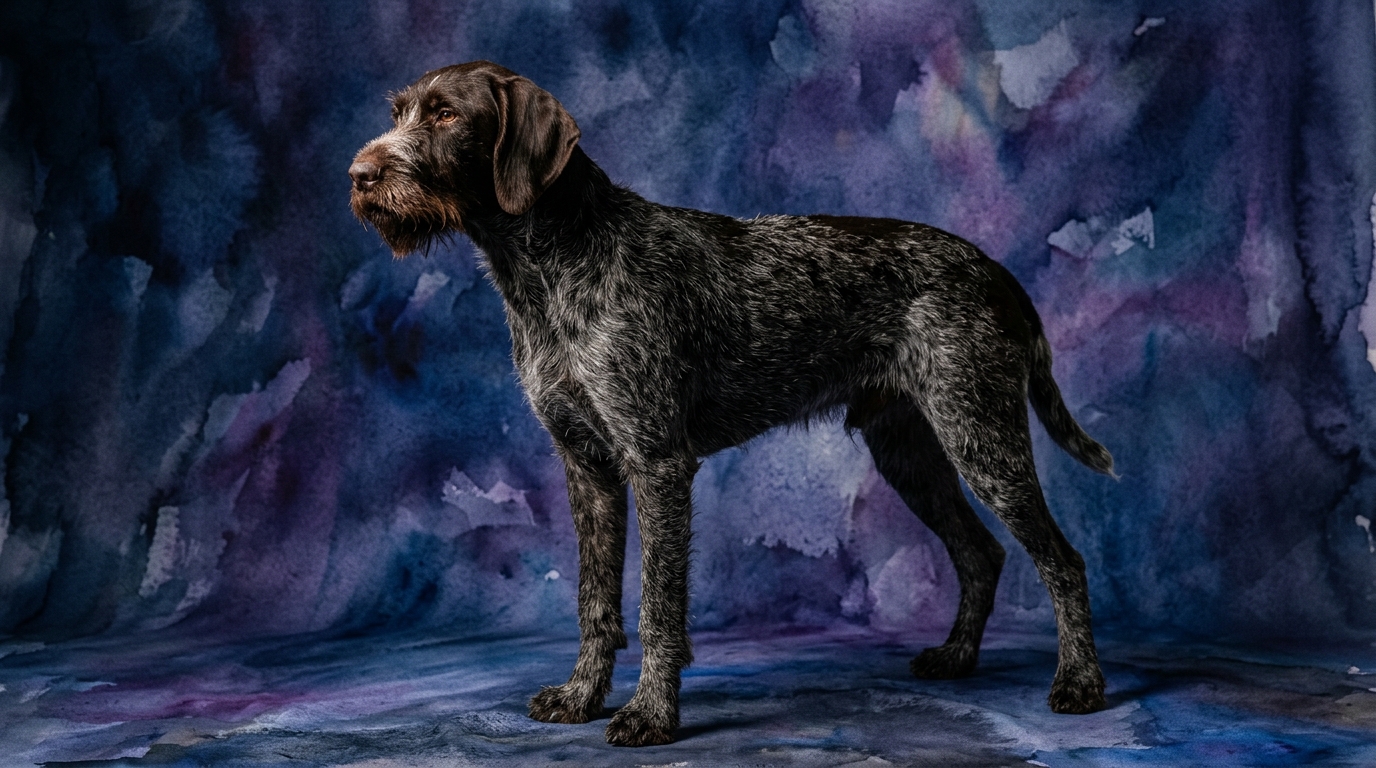
In contrast, the German Wirehaired Pointer, a sporting dog ranked #28, presents a slightly different cognitive signature. It demonstrates strong Problem Solving (4/5), efficient Training Speed (4/5), moderate Social Intelligence (3/5), a balanced Instinctive Drive (3/5), and robust Memory (4/5). These scores reflect a breed optimized for independent yet responsive work in the field, requiring consistent performance and the ability to adapt to varied environments, though perhaps with a slightly less intense cognitive 'spark' than its herding counterpart.
Where the Belgian Tervuren Excels Cognitively
The Belgian Tervuren's cognitive prowess shines brightest in its exceptional Problem Solving and Memory, both rated at 5/5. This breed exhibits a remarkable capacity for understanding complex sequences, strategizing solutions to novel challenges, and retaining vast amounts of information over time. Owners frequently observe Tervurens quickly figuring out how to open latches, navigate elaborate obstacle courses, or even manipulate objects to achieve desired outcomes, often with minimal prior exposure. Their superior memory means they rarely forget a command, a routine, or even a past interaction, making them highly predictable in learned behaviors.
Furthermore, the Tervuren's top-tier Training Speed (5/5) is directly linked to its strong problem-solving and memory. They grasp new concepts and commands with astonishing rapidity, often requiring fewer repetitions than many other breeds. This cognitive efficiency allows them to master advanced obedience, agility courses, and protection work with relative ease, making them a preferred choice for competitive dog sports and demanding working roles where precision and quick comprehension are essential. Their herding heritage demands an animal that can process information rapidly and act decisively, traits clearly reflected in their cognitive scores.
Where the German Wirehaired Pointer Shows Unique Strengths
While the German Wirehaired Pointer's raw cognitive scores are generally a point lower than the Tervuren's, its specific application of these traits reveals a distinct and equally valuable intelligence tailored to its sporting purpose. The GWP's Problem Solving (4/5) and Memory (4/5) are deployed with a strong sense of independence and perseverance in the field. This breed excels at deciphering complex scent trails, navigating dense cover, and making independent decisions about bird location, often far from the handler. Their problem-solving isn't just about speed; it's about sustained, practical application in unpredictable, dynamic environments.
The GWP’s Instinctive Drive (3/5), combined with its robust physical stamina, allows it to maintain focus and motivation through long hours of hunting. This isn't a dog that needs constant direction; it's a partner that can work autonomously, using its memory to recall terrain features, wind patterns, and the location of fallen game. Its cognitive strength lies in its balanced self-reliance and its ability to integrate sensory information from a vast outdoor setting to achieve a specific goal – finding and retrieving game – a task requiring a unique blend of focus, endurance, and practical decision-making that is distinct from the Tervuren’s collaborative, structured problem-solving.
Training Dynamics: Which Breed Learns Faster?
When it comes to the pure mechanics of training, the Belgian Tervuren holds a clear advantage due to its perfect scores in Training Speed (5/5) and Memory (5/5). A Tervuren can often pick up a new command in just a few repetitions, internalizing it quickly and recalling it reliably even after long periods. This makes them exceptionally responsive to cue-based training and adept at learning complex sequences of behaviors required in sports like obedience, agility, or Schutzhund. Their eagerness to engage and process information means they thrive on structured learning sessions and can become bored or destructive if their minds are not adequately challenged.
The German Wirehaired Pointer, with its solid 4/5 scores in Training Speed and Memory, is certainly no slouch in the learning department but requires a slightly different approach. While they learn commands efficiently, they might need a few more repetitions to solidify new behaviors compared to a Tervuren. Their strong independent streak, a hallmark of a hunting dog, can sometimes be misinterpreted as stubbornness, but it's often a sign of their inherent drive to make their own decisions in the field. Training a GWP benefits from consistency, clear expectations, and incorporating elements that tap into their natural prey drive, making the learning process engaging and rewarding for their unique disposition.
Ideal Owners: Active Engagement vs. Field Dedication
Neither the Belgian Tervuren nor the German Wirehaired Pointer are suited for relaxed, sedentary owners; both require significant physical and mental engagement. The Belgian Tervuren thrives with owners who can provide consistent, challenging mental stimulation and structured activities. They excel in dog sports, advanced obedience, and roles that demand problem-solving and active collaboration with their human. An owner dedicated to daily training sessions, puzzle toys, and perhaps competitive events will find a Tervuren a profoundly rewarding and engaged partner. Their need for a 'job' is deeply ingrained, extending beyond mere physical exercise to complex mental tasks.
The German Wirehaired Pointer, while also demanding an active lifestyle, suits owners whose activity leans towards extensive outdoor exploration, especially those involved in hunting or field trials. These dogs require vast amounts of physical exercise and mental stimulation that taps into their robust instinctive drives. Owners must be prepared for long walks, runs, hikes, and opportunities for the GWP to utilize its scenting abilities and retrieve. While they can enjoy structured training, their deepest satisfaction often comes from working in natural environments, making them ideal companions for those who embrace an outdoor-centric, adventurous lifestyle and can provide an outlet for their potent prey drive.
The Verdict
Choose the Belgian Tervuren if you seek a highly trainable, intensely focused partner for complex dog sports, advanced obedience, or roles requiring rapid problem-solving and perfect recall, and you are committed to providing daily mental challenges.
Opt for the German Wirehaired Pointer if you desire a resilient, independent, and versatile hunting companion for extensive outdoor adventures, and you can provide ample opportunities for their strong instinctive drives and physical stamina to be utilized in the field.
🧠 Find Your Pet's IQ Score
Our Pet IQ Lab assessment covers 25+ tests across 5 cognitive dimensions — personalized to your breed.
Take the Full IQ Test →Frequently Asked Questions
Do Belgian Tervurens make good family pets?
Yes, with proper socialization, training, and mental stimulation, Tervurens can be devoted family pets. They bond strongly with their families but require consistent engagement and may not be ideal for first-time dog owners or very young children due to their intensity and herding instincts.
Are German Wirehaired Pointers good with other pets?
German Wirehaired Pointers can coexist with other pets, especially if raised together, but their strong prey drive means careful introductions and supervision are crucial, particularly with smaller animals like cats or rabbits. Their social intelligence is moderate, allowing for adaptability but requiring management.
Which breed requires more exercise?
Both breeds require significant exercise, but the type differs. The Tervuren needs intense mental and physical exercise, often combining structured training with physical exertion. The GWP requires extensive physical exercise, often in varied outdoor environments, to satisfy its hunting instincts and stamina, making it a marathon runner of the dog world.