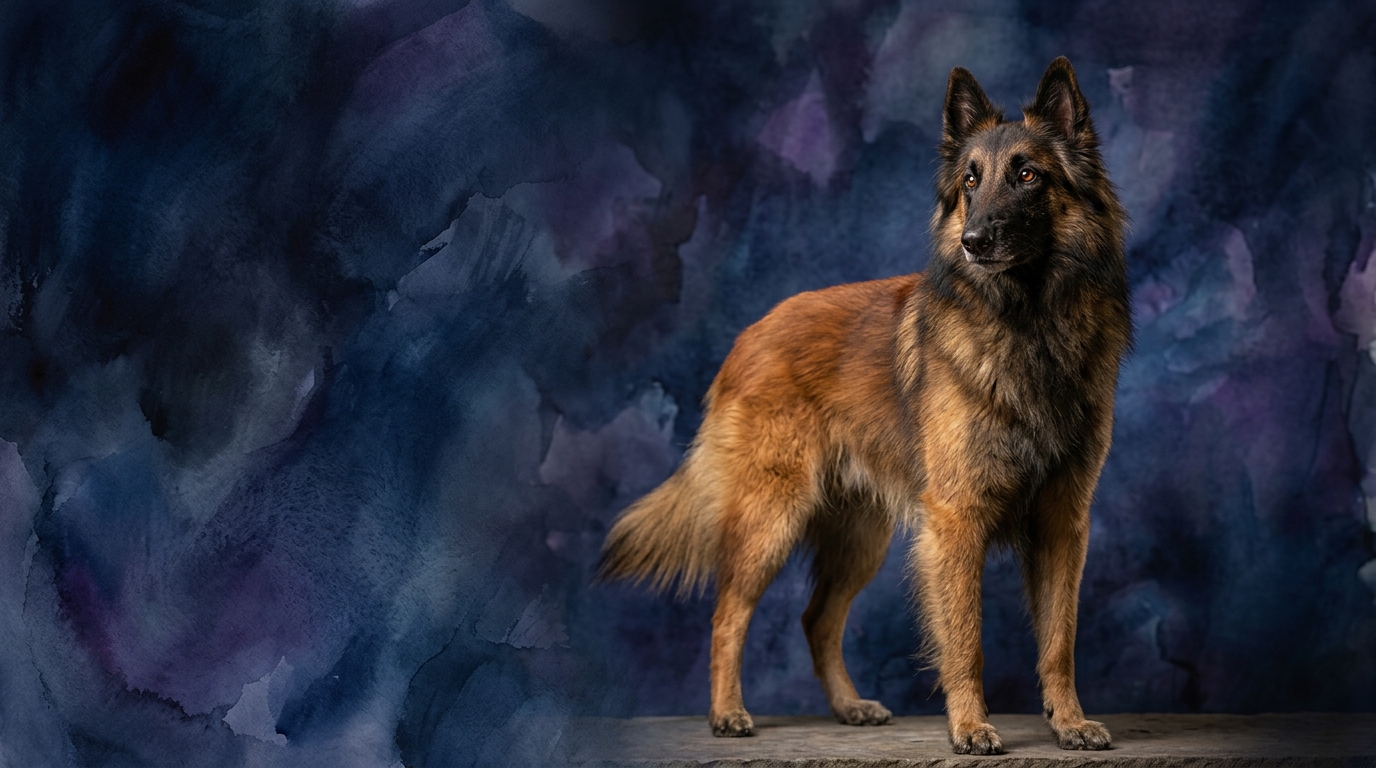
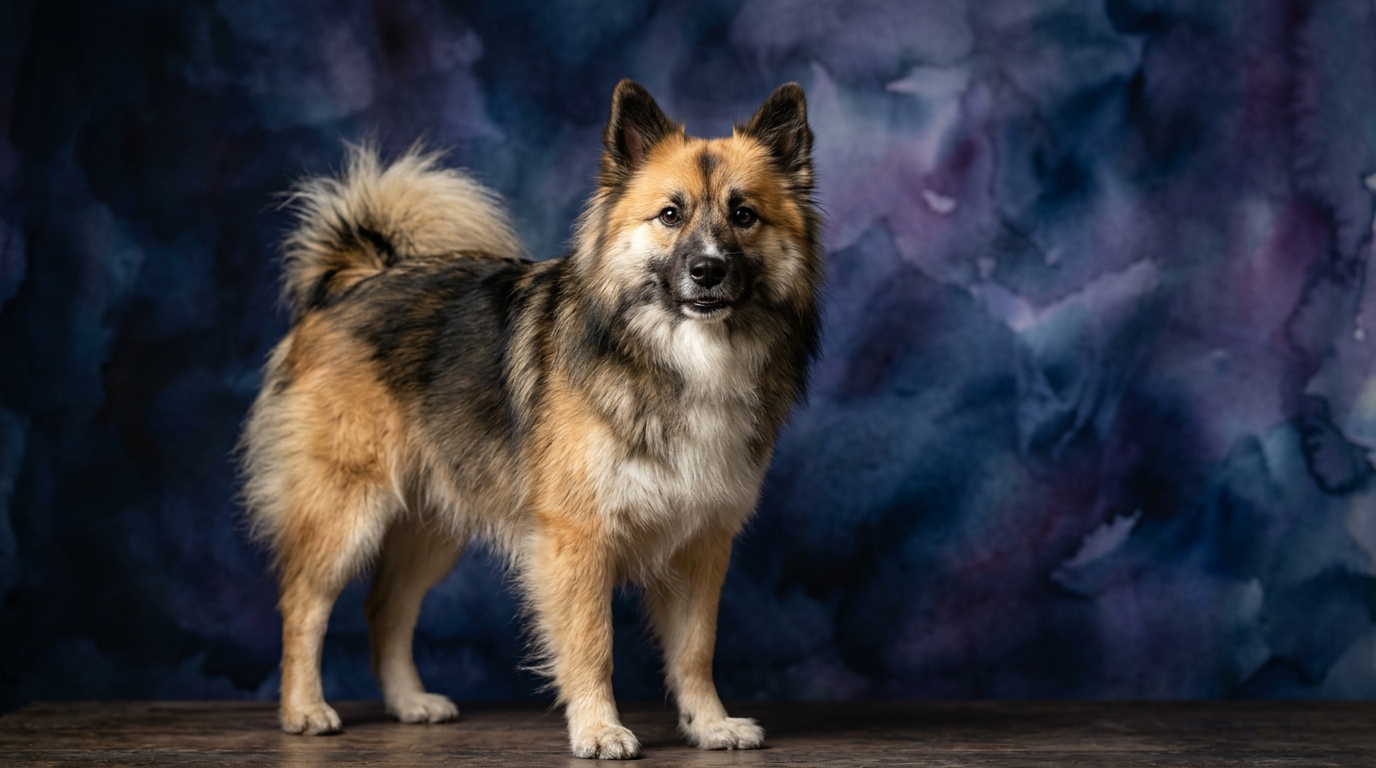
Side-by-Side IQ Profile
The Cosmic Pet Pet IQ Lab provides a detailed breakdown of five key cognitive dimensions for these herding breeds.
Belgian Tervuren: This breed, ranked 14th by Coren, presents a formidable cognitive profile. Its Problem Solving ability is rated 5/5, indicating a remarkable capacity to analyze novel situations and devise effective solutions, often independently. Training Speed also scores 5/5, meaning Tervurens grasp new commands and complex sequences with exceptional rapidity, requiring fewer repetitions than most breeds. Their Social Intelligence is a balanced 3/5, suggesting they can read human cues and interact appropriately, though perhaps not with the nuanced empathy of some companion breeds. Instinctive Drive, at 3/5, points to a strong, but manageable, innate herding impulse that needs appropriate outlets. Finally, a Memory score of 5/5 underscores their ability to retain learned behaviors and experiences over long periods, making both training and recall highly reliable.
Icelandic Sheepdog: While not Coren-ranked, the Icelandic Sheepdog exhibits a consistent and well-rounded cognitive profile, with all five dimensions scoring 3/5. Their Problem Solving ability at 3/5 indicates a competent but perhaps less inventive approach to new challenges, preferring familiar methods or requiring more guidance to navigate complex scenarios. Training Speed, also 3/5, suggests a steady learning pace; they will absorb new commands, but typically require more consistent repetition and patience than their Tervuren counterparts. Social Intelligence at 3/5 means they are generally responsive to human interaction and social cues, fitting well into family life without being overly demanding or aloof. Their Instinctive Drive, a moderate 3/5, reflects a natural herding inclination that is present but not overwhelming, often expressed in gathering behaviors with family members. A Memory score of 3/5 implies they retain information adequately, but perhaps with less long-term precision or capacity for vast behavioral repertoires compared to breeds with higher memory scores.
Where Belgian Tervuren Wins Cognitively
The Belgian Tervuren clearly excels in areas demanding acute mental prowess and rapid acquisition of skills. Their 5/5 rating in Problem Solving means they are adept at navigating complex environments, figuring out how to open gates, retrieve objects from challenging spots, or even outwit obstacles during agility courses. This cognitive strength translates into a dog that not only learns quickly but can also adapt learned behaviors to new, similar situations without explicit retraining. Furthermore, their 5/5 Training Speed is a significant advantage for owners dedicated to advanced obedience, protection work, or competitive dog sports. A Tervuren can master intricate routines and multiple-step commands in a fraction of the time it takes many other breeds, making them a joy for experienced trainers. This rapid learning, coupled with their perfect 5/5 Memory score, ensures that once a Tervuren learns something, it sticks. They rarely 'forget' commands or previously learned routines, making them exceptionally reliable in performance and daily life once a behavior is established. This combination of quick learning, effective problem-solving, and robust memory allows the Tervuren to build a vast and complex behavioral repertoire, making them incredibly versatile in roles requiring precision and mental agility.
Where Icelandic Sheepdog Wins Cognitively
While the Icelandic Sheepdog doesn't boast higher individual scores than the Tervuren, its cognitive profile, uniformly rated at 3/5 across all dimensions, represents a distinct advantage in its balanced and approachable nature. This consistency means an Icelandic Sheepdog is predictably competent without the intense, demanding cognitive energy that breeds with higher scores often possess. Their 3/5 Social Intelligence, for instance, translates into a dog that is generally amiable and connected to its human family, capable of understanding social dynamics without being overly sensitive or requiring constant mental stimulation focused on human interaction. This moderate score implies a dog that fits comfortably into a family setting, showing affection and responding to cues without the potential for the Tervuren’s more intense, perhaps more discerning, social interactions. Similarly, their 3/5 Instinctive Drive is a win for owners who appreciate a natural herding inclination that is present but not overwhelming. This drive often manifests as a desire to keep the 'flock' (family) together, making them naturally attentive without the extreme focus and intensity that might necessitate constant, structured herding work. The Icelandic Sheepdog’s cognitive strengths lie in its harmonious blending of abilities, offering a reliable, good-natured companion whose intellectual needs are significant but not to the demanding degree of a cognitive powerhouse like the Tervuren, making them a more accessible and equally rewarding partner for many households.
Which is Easier to Train and Why
Based on The Cosmic Pet Pet IQ Lab data, the Belgian Tervuren is unequivocally easier to train in terms of raw speed and complexity. With a Training Speed of 5/5, Tervurens absorb new commands with remarkable swiftness, often understanding a new cue after just a few repetitions. Their high Problem Solving (5/5) and Memory (5/5) scores further amplify this ease, allowing them to generalize learned behaviors to new contexts and retain information for extended periods. This means a Tervuren can progress through obedience levels rapidly, master intricate agility sequences, or learn complex multi-step tasks that challenge many other breeds. In contrast, the Icelandic Sheepdog, with a Training Speed of 3/5, requires a more patient and consistent approach. They will learn, but typically at a steadier, less frenetic pace, necessitating more repetitions and longer training sessions to solidify new behaviors. Their moderate Memory (3/5) means that while they retain information, occasional refreshers might be more beneficial to maintain peak performance, especially with less frequently used commands. The Tervuren's inherent drive to work and its exceptional cognitive tools make training a dynamic, fast-paced partnership, whereas training an Icelandic Sheepdog is a rewarding journey requiring consistency, positive reinforcement, and an understanding of their more deliberate learning style.
Which Suits Active Owners vs. Relaxed Owners
The cognitive profiles of these two herding breeds clearly delineate their suitability for different owner lifestyles. The Belgian Tervuren, with its 5/5 Problem Solving, 5/5 Training Speed, and 5/5 Memory, is an ideal match for highly active owners who thrive on mental and physical engagement. These dogs require consistent intellectual challenges, such as advanced obedience, agility, tracking, or protection sports, to prevent boredom and destructive behaviors. Their strong instinctive drive, even at 3/5, combined with their sharp minds, means they need a 'job' to do, whether it's competitive sport or rigorous daily training. A Tervuren will flourish with an owner who can dedicate significant time daily to structured training, long runs, and problem-solving games. Conversely, the Icelandic Sheepdog, with its consistent 3/5 across all IQ dimensions, is better suited for active but perhaps less intensely driven owners. While they are still herding dogs and require regular exercise and mental stimulation, their needs are generally more moderate than the Tervuren's. An Icelandic Sheepdog will enjoy daily walks, playful training sessions, and being an integral part of family activities, but they are less likely to demand the constant, high-octane intellectual output that a Tervuren thrives on. They adapt well to a family environment where their active nature is accommodated, but without the pressure of constant advanced training or high-stakes competition.
The Verdict
Choose the Belgian Tervuren if you are an experienced, active owner seeking a highly capable, fast-learning partner for advanced training, competitive dog sports, or demanding working roles. This breed thrives on intense mental and physical challenges and requires an owner committed to harnessing its exceptional cognitive abilities.
Choose the Icelandic Sheepdog if you are an active family or individual looking for a cheerful, biddable companion who enjoys regular activity and consistent training, but without the intense cognitive demands of a working powerhouse. This breed offers a balanced, adaptable partnership for those who appreciate a moderate, steady learning pace.
🧠 Find Your Pet's IQ Score
Our Pet IQ Lab assessment covers 25+ tests across 5 cognitive dimensions — personalized to your breed.
Take the Full IQ Test →Frequently Asked Questions
Do Belgian Tervurens need more mental exercise than Icelandic Sheepdogs?
Yes, absolutely. The Tervuren’s 5/5 Problem Solving and 5/5 Memory scores indicate a much higher need for complex mental stimulation and regular intellectual challenges compared to the Icelandic Sheepdog’s consistent 3/5 scores.
Are Icelandic Sheepdogs easier to live with for first-time dog owners?
Generally, yes. Their balanced cognitive profile and moderate needs, particularly their 3/5 Training Speed and Instinctive Drive, make them more forgiving and less demanding for novice owners than the intensely driven and rapidly learning Belgian Tervuren.
How does the 'Instinctive Drive' score impact daily life for these breeds?
Both breeds have a 3/5 Instinctive Drive, meaning they possess a natural herding inclination. For the Tervuren, this often combines with their high problem-solving to create a focused, determined drive, while for the Icelandic Sheepdog, it typically manifests as a desire to keep the family together, often with less intensity.