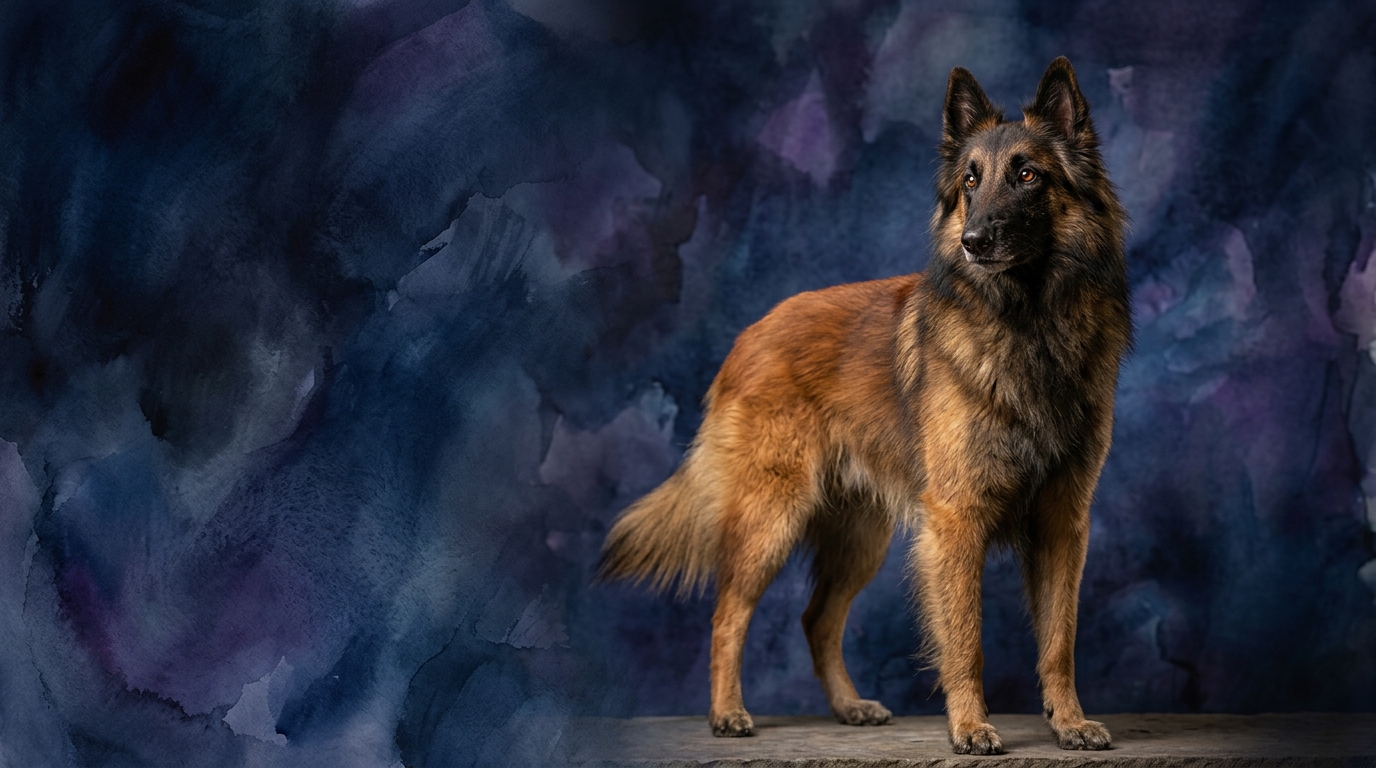
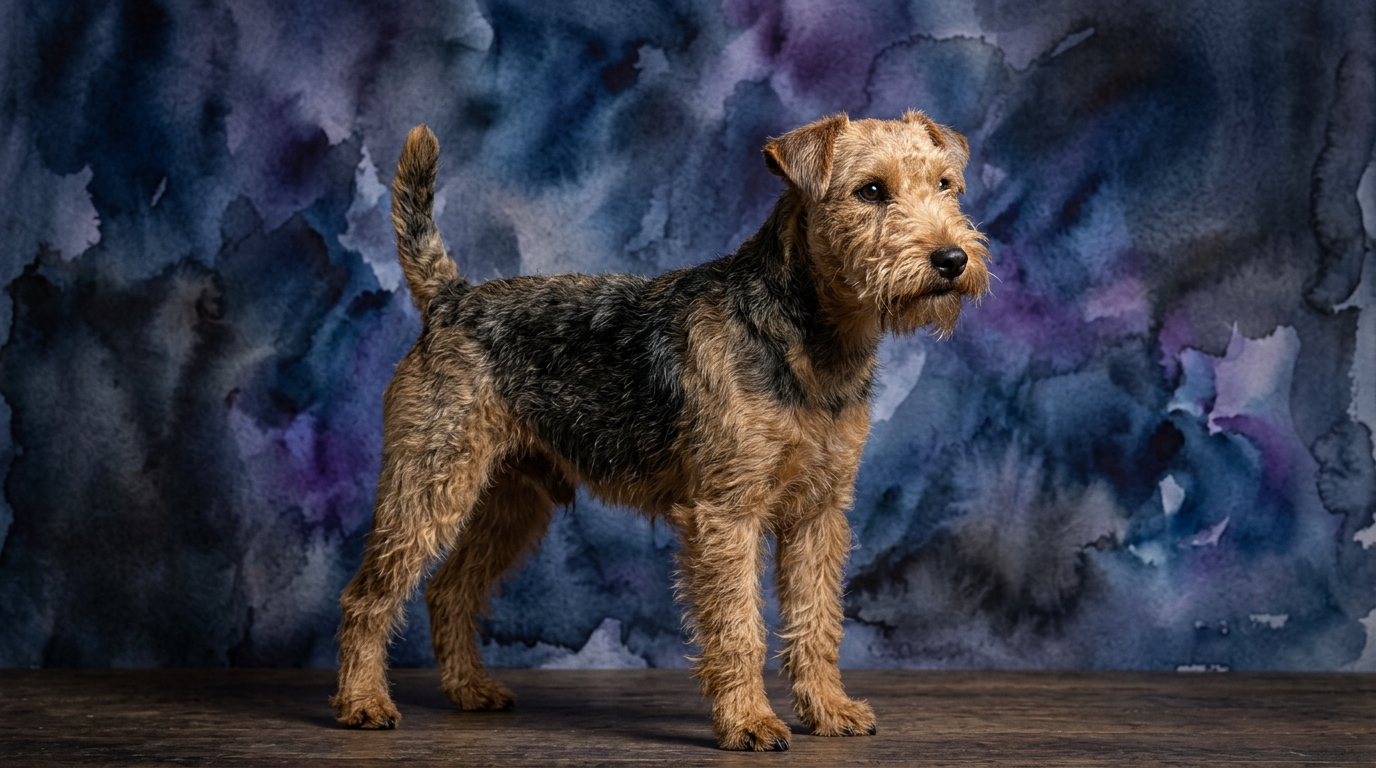
Side-by-Side Cognitive Profiles: Tervuren vs. Lakeland
The Cosmic Pet Pet IQ Lab employs a five-dimensional framework to assess canine cognition, offering a granular view beyond generic notions of cleverness. Let's delve into how the Belgian Tervuren and Lakeland Terrier stack up across these specific cognitive dimensions.
Problem Solving:
Belgian Tervuren (5/5): This breed excels at navigating complex situations, devising novel solutions, and adapting strategies. They understand underlying goals, can improvise when facing obstacles, and are adept at advanced tasks like agility or search and rescue. Their mental agility allows quick assessment and problem resolution.
Lakeland Terrier (3/5): Lakeland Terriers possess practical, functional problem-solving. They figure out how to access desired objects or overcome simple barriers, often using persistence and trial-and-error. Their solutions are straightforward and effective for their specific purposes, like vermin control, but they may struggle with abstract or multi-step cognitive puzzles without guidance.
Training Speed:
Belgian Tervuren (5/5): Tervurens absorb new commands and behaviors with remarkable speed, often grasping concepts in just a few repetitions. Their eagerness to engage and understand expectations makes them highly responsive, allowing rapid progression through various disciplines from basic manners to intricate routines.
Lakeland Terrier (3/5): Lakeland Terriers learn at a steady, moderate pace. They master a wide range of commands with consistent, positive reinforcement. While needing more repetitions than a Tervuren, their tenacity ensures they eventually learn. Patience and clarity from the trainer are crucial.
Social Intelligence:
Belgian Tervuren (3/5): Tervurens show moderate social intelligence. They form deep bonds with family and are attuned to owners' moods. However, they can be reserved with strangers, taking time to warm up. Interactions with other dogs are typically appropriate but may lack overt exuberance. They are observant but may not seek broad social engagement.
Lakeland Terrier (3/5): Lakeland Terriers also have moderate social intelligence. Generally outgoing and confident, they interact readily with people and dogs once socialized. They can be playful, yet possess a strong independent streak. While understanding social cues, their terrier assertiveness means they might not always defer, especially to other canines.
Instinctive Drive:
Belgian Tervuren (3/5): The Tervuren's instinctive drive is moderate. Their herding background inclines them to gather and control, but this is often channeled through structured activities. Prey drive is typically present but controllable, allowing focus on tasks rather than constant environmental distractions.
Lakeland Terrier (3/5): Lakeland Terriers possess a moderate, persistent instinctive drive primarily for hunting and digging, rooted in their terrier heritage. This prompts them to investigate scents and pursue small prey. While moderate, it’s a consistent behavioral aspect, often requiring redirection in a domestic setting.
Memory:
Belgian Tervuren (5/5): Tervurens boast exceptional memory. They retain learned commands, complex sequences, and environmental details over long periods. This strong recall allows them to build upon training without significant refreshers, making them reliable in tasks requiring sequential actions or specific location recall.
Lakeland Terrier (3/5): Lakeland Terriers have a competent, moderate memory. They remember commands and routines once learned, though less frequent skills may need refreshers. Their memory serves well in practical contexts, recalling locations or routes, but they may not retain intricate routines with the same effortless precision as a Tervuren.
Where the Belgian Tervuren Excels Cognitively
The Belgian Tervuren's cognitive strengths distinctly shine in areas demanding rapid acquisition, complex processing, and precise recall. Their Coren rank of #14 is a testament to their exceptional “working and obedience intelligence.” Specifically, their 5/5 in Problem Solving means they don't just follow cues; they understand the objective, allowing them to navigate novel obstacles in an agility course or decipher a new puzzle toy with minimal frustration. A Tervuren can learn a multi-step routine, such as a choreographed obedience sequence or a protection sport routine, in a fraction of the time it would take many other breeds, thanks to their 5/5 Training Speed. This rapid grasp is coupled with a 5/5 Memory, ensuring that once a skill is learned, it's deeply embedded. They can recall commands and intricate patterns even after long breaks, making them incredibly reliable in performance sports or service roles where consistent execution is paramount. Their ability to generalize learned concepts to new situations without extensive re-training is a hallmark of their sophisticated cognitive processing.
Where the Lakeland Terrier's Cognition Shines
While the Lakeland Terrier's IQ scores are consistently moderate (3/5 across the board), this balanced profile can be a distinct cognitive advantage in specific contexts, particularly those aligned with their original purpose. Their 3/5 in Instinctive Drive, combined with 3/5 in Problem Solving, translates into a tenacious, self-reliant intelligence perfectly suited for independent vermin control. Unlike a Tervuren who might look to a handler for the next command, a Lakeland is more likely to assess a situation (e.g., a scent trail leading into a burrow) and devise its own practical, persistent solution without external direction. Their problem-solving is less about abstract puzzles and more about practical application in their environment. The moderate Social Intelligence means they are generally confident and adaptable in new situations, less prone to the reservation a Tervuren might show, allowing them to confidently explore and engage with their surroundings independently. Their cognitive strength lies in their robust, self-directed engagement with the world, applying their moderate problem-solving and memory to real-world tasks with unwavering terrier grit.
Ease of Training: Behavioral Differences
The Belgian Tervuren is unequivocally easier to train for most conventional obedience and performance tasks. Their 5/5 Training Speed means they pick up new commands with remarkable alacrity, often requiring only a handful of repetitions to understand and execute a new behavior. This is further amplified by their 5/5 Memory, ensuring that once a skill is learned, it is retained for the long term. A Tervuren's inherent desire to work cooperatively with its handler, coupled with its mental agility (5/5 Problem Solving), makes them eager partners in the learning process, often anticipating what is expected of them. In contrast, the Lakeland Terrier, with its 3/5 Training Speed, will require more patience and consistency. While perfectly capable of learning, they may need more repetitions to solidify a command. Their independent terrier spirit, a manifestation of their specific instinctive drive and self-reliant problem-solving, can sometimes lead to a “what's in it for me?” attitude, requiring trainers to be creative and highly motivating. They might challenge a command or try to find a more “efficient” (from their perspective) way of doing things, demanding a firm yet fair approach.
Matching Cognitive Profiles to Lifestyles
For owners seeking a highly engaged and active canine partner, the Belgian Tervuren is the clear choice. Their exceptional cognitive abilities across problem-solving, training speed, and memory demand significant mental stimulation daily. An owner who enjoys dog sports like agility, obedience, protection work, or even complex trick training will find the Tervuren thrives on the challenge. Their moderate instinctive drive means they need outlets for their energy and focus, which, if not provided, can lead to boredom and potentially destructive behaviors. They are best suited for owners who are committed to structured activities and consistent mental enrichment. The Lakeland Terrier, while still an active breed, can be a better fit for moderately active owners. Their balanced 3/5 scores across the board mean they appreciate regular exercise and mental engagement, but perhaps not with the same intensity or structured demands as a Tervuren. They enjoy walks, games in the yard, and consistent, engaging training sessions. While they possess an instinctive drive, it's often directed at more independent pursuits like exploring or digging, making them suitable for owners who appreciate a dog with a bit more self-directed spirit and don't necessarily want to be “on” with their dog for hours of intense training every day.
The Verdict
Opt for the Belgian Tervuren if you are an experienced, active owner seeking a highly engaged canine partner for advanced training, performance sports, or demanding working roles, and you are prepared to provide consistent mental and physical challenges.
Select the Lakeland Terrier if you appreciate a confident, tenacious dog with a practical, independent mind, are prepared for consistent, patient training, and seek a moderately active companion who enjoys exploration and self-directed engagement.
🧠 Find Your Pet's IQ Score
Our Pet IQ Lab assessment covers 25+ tests across 5 cognitive dimensions — personalized to your breed.
Take the Full IQ Test →Frequently Asked Questions
Does a lower Coren rank mean a dog is not intelligent?
Not at all. Coren's ranking primarily assesses "working and obedience intelligence," reflecting how quickly a dog learns and obeys commands. Many breeds not on the list possess exceptional cognitive abilities in other dimensions, such as problem-solving for specific tasks, social adaptability, or sensory intelligence.
Can a Lakeland Terrier excel in dog sports like agility?
Yes, a Lakeland Terrier can certainly excel in dog sports like agility, particularly with a dedicated and consistent trainer. While their training speed might be moderate, their tenacity, agility, and moderate problem-solving allow them to master courses, though they might require more repetitions and motivational variety than a Tervuren.
How does a Tervuren's social intelligence impact its family life?
A Tervuren's moderate social intelligence (3/5) means they typically form very strong, loyal bonds with their immediate family, often becoming quite protective. However, they may be reserved or cautious around strangers, requiring careful, early socialization to ensure they are comfortable and well-adjusted in various social settings.