Side-by-Side IQ Profile
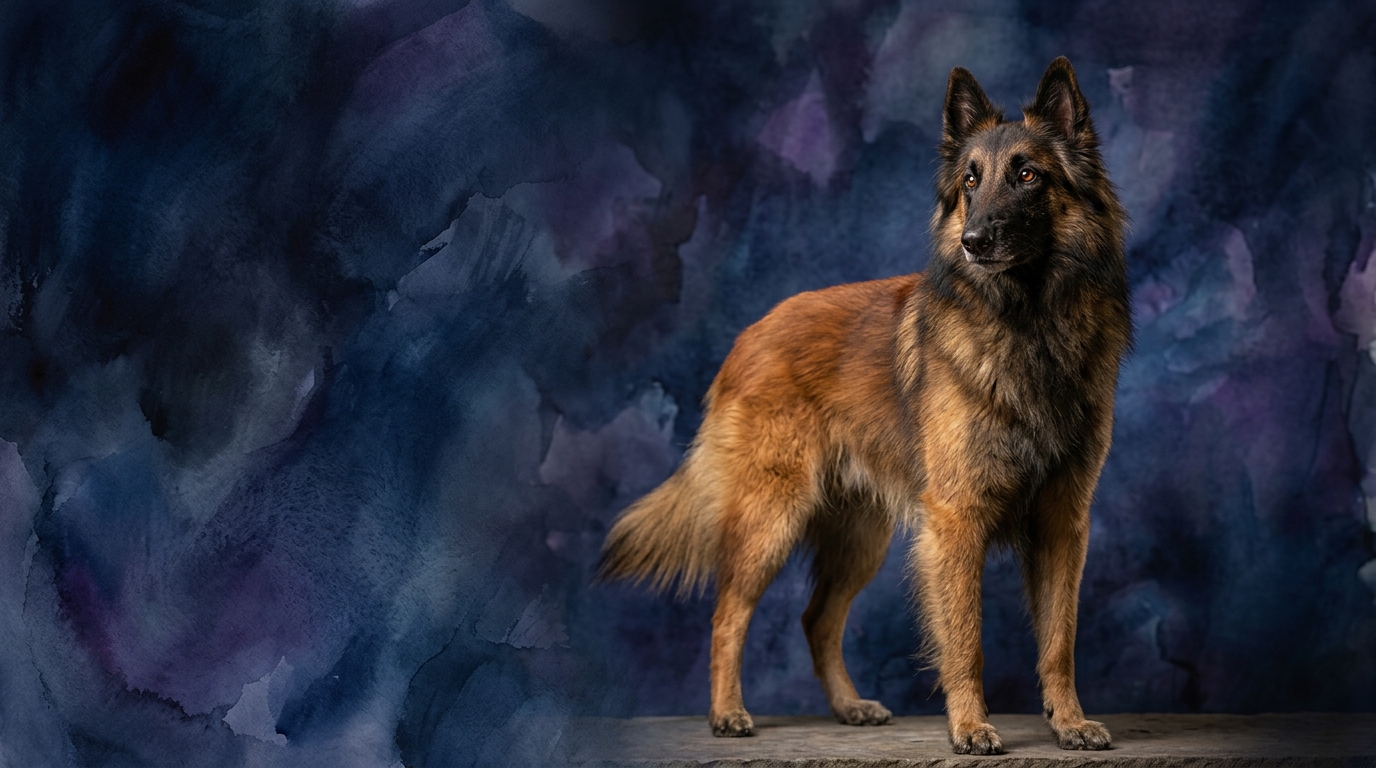
The Cosmic Pet Pet IQ Lab employs a comprehensive framework to assess canine cognition, breaking down intelligence into five key dimensions. For the Belgian Tervuren, a breed ranking #14 on Coren's scale, their profile reflects a formidable aptitude for complex work: problem Solving stands at an exceptional 5/5, indicating a strong capacity for intricate task resolution and adaptability. Their training Speed also earns a perfect 5/5, signifying a quick grasp of new commands and routines, invaluable for a working herding dog. Social Intelligence is rated 3/5, suggesting a balanced understanding of pack dynamics, while instinctive Drive, at 3/5, points to a moderate but focused intrinsic motivation, often manifesting as a strong work ethic. Finally, memory is outstanding at 5/5, crucial for retaining learned behaviors and complex sequences.
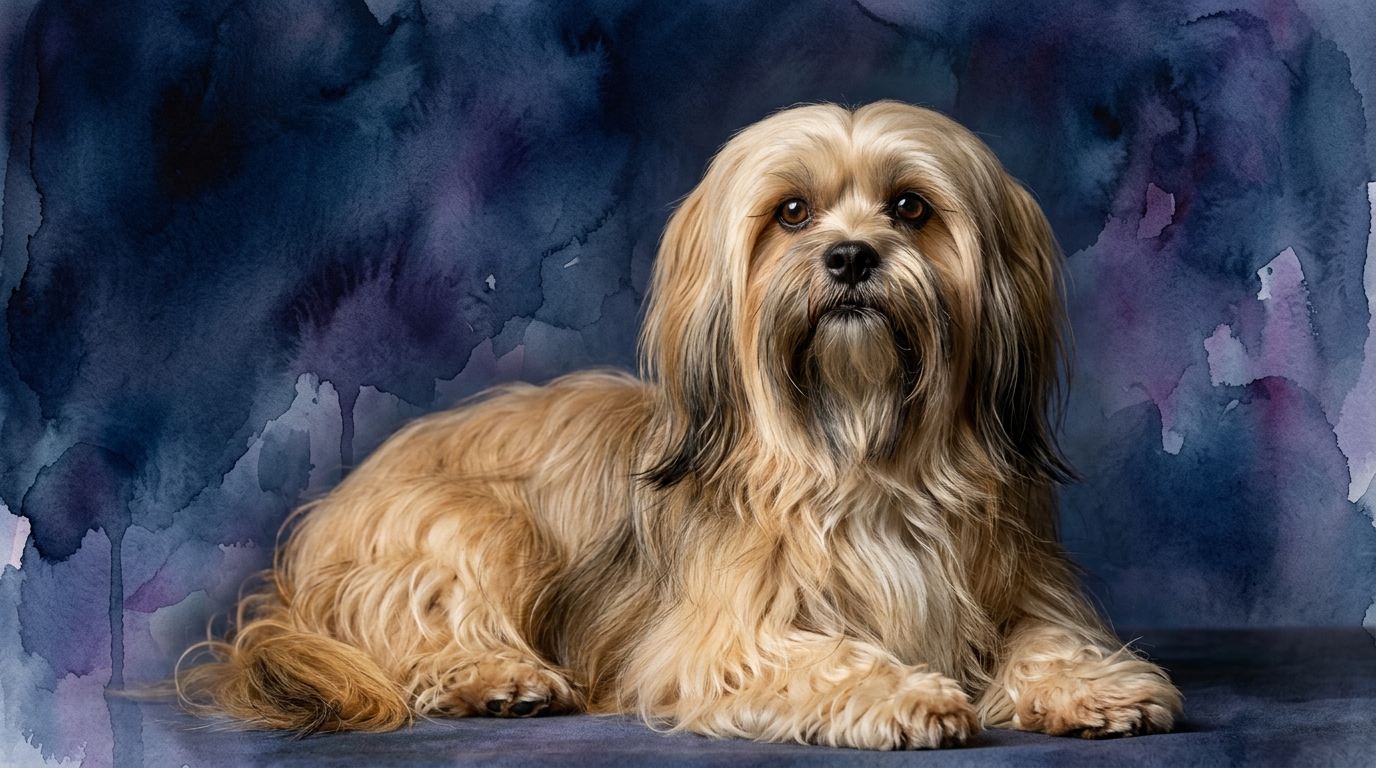
In contrast, the Lhasa Apso, holding a Coren rank of #68, presents a different cognitive blueprint, tailored for its historical role as a vigilant indoor guardian. Their problem Solving ability is rated 3/5, indicating competence in navigating their environment and handling routine challenges. Training Speed matches this at 3/5, meaning they can learn but might require more repetition than their herding counterpart. Social Intelligence for the Lhasa Apso is also 3/5, suggesting they understand social cues within their immediate family but might be more reserved with strangers. Their instinctive Drive, also 3/5, is typically channeled into alert barking and territorial awareness. Memory is rated 3/5, sufficient for remembering routines, people, and specific territorial boundaries.
Where Belgian Tervuren Wins Cognitively
The Belgian Tervuren's cognitive strengths shine particularly in areas demanding rapid learning, intricate problem-solving, and extensive recall. Their perfect 5/5 in both problem Solving and training Speed is a clear advantage, allowing them to quickly master multi-step commands, adapt to changing scenarios, and excel in advanced obedience or canine sports. This breed’s 5/5 memory enables them to retain vast repertoires of commands and experiences, making them highly reliable in performing complex sequences or remembering specific training cues over long periods. A Tervuren can learn a sequence of agility obstacles with fewer repetitions and recall it flawlessly, or process nuanced herding commands with precision. This combination of processing power, learning agility, and memory makes them exceptionally adept at tasks requiring sustained mental engagement and quick, accurate responses.
Where Lhasa Apso Wins Cognitively
While not boasting the same raw processing speed or memory capacity, the Lhasa Apso’s cognitive profile is perfectly attuned to its historical purpose as a steadfast sentinel. Their 3/5 social Intelligence, while equal to the Tervuren, manifests differently; it's geared towards discerning subtle changes in their immediate environment and identifying potential threats, making them excellent watchdogs within their family unit. Their 3/5 instinctive Drive is channeled into persistent vigilance and territorial awareness, allowing them to effectively guard their domain with unwavering dedication, often showing tenacious independence. The Lhasa Apso's problem Solving at 3/5, combined with moderate memory, equips them to navigate familiar surroundings and maintain consistent routines for security, remembering which sounds warrant investigation. They excel not in complex collaborative tasks, but in independent observation and alerting, demonstrating a specific, focused application of their cognitive abilities.
Which Is Easier to Train and Why
Based on the Cosmic Pet Pet IQ Lab's metrics, the Belgian Tervuren is unequivocally easier to train. Their perfect 5/5 scores in problem Solving and training Speed signify an inherent eagerness and capacity to absorb new commands with remarkable efficiency. Bred as herding dogs, they thrive on mental stimulation and purpose, making them highly responsive to training cues and eager to please. In contrast, the Lhasa Apso's 3/5 scores suggest a more independent learning curve. While capable of learning, their training often requires greater patience, consistency, and motivation. Their independent nature can be perceived as stubbornness, demanding a more nuanced, reward-based approach rather than immediate compliance.
Which Suits Active Owners vs Relaxed Owners
The distinct cognitive profiles of these breeds strongly dictate their suitability for different owner lifestyles. The Belgian Tervuren, with its high problem Solving, training Speed, and memory scores, thrives with active owners who provide consistent mental and physical challenges. This breed requires significant engagement, excelling in dog sports like agility, obedience, or protection work. Owners who enjoy structured training sessions, long hikes, and are committed to channeling a keen working drive will find a Tervuren a rewarding companion. Conversely, the Lhasa Apso, while needing regular exercise and mental engagement, is generally better suited for more relaxed owners. Their moderate instinctive drive and problem-solving capabilities mean they are content with regular walks, puzzle toys, and a consistent home routine, ideal for those seeking a watchful presence without constant, high-octane stimulation.
The Verdict
Choose the Belgian Tervuren if you are an experienced, active owner dedicated to providing extensive mental and physical stimulation, desiring a highly trainable, versatile working partner for sports or demanding tasks.
Opt for the Lhasa Apso if you prefer a vigilant, independent companion for a more relaxed home environment, valuing their steadfast loyalty and territorial awareness over complex training demands.
🧠 Find Your Pet's IQ Score
Our Pet IQ Lab assessment covers 25+ tests across 5 cognitive dimensions — personalized to your breed.
Take the Full IQ Test →Frequently Asked Questions
Do Belgian Tervurens require professional training due to their cognitive abilities?
While Belgian Tervurens are highly trainable, their exceptional cognitive abilities and strong working drive benefit greatly from early, consistent, and often advanced training. Professional guidance can help channel their intelligence effectively, preventing boredom-induced behaviors and maximizing their potential.
Is a Lhasa Apso's lower training speed score an indicator they cannot be trained?
Not at all. A Lhasa Apso's 3/5 training speed simply means they may require more patience, repetition, and creative motivation than some other breeds. They are perfectly capable of learning basic obedience, but success hinges on consistent, positive reinforcement.
How does social intelligence differ between these two breeds with the same 3/5 score?
While both score 3/5, the manifestation differs: the Tervuren's social intelligence is often geared towards collaborative work and understanding handler cues. The Lhasa Apso's focuses on discerning familiar individuals from strangers and reacting appropriately to perceived threats within their home territory.