Side-by-side IQ Profile
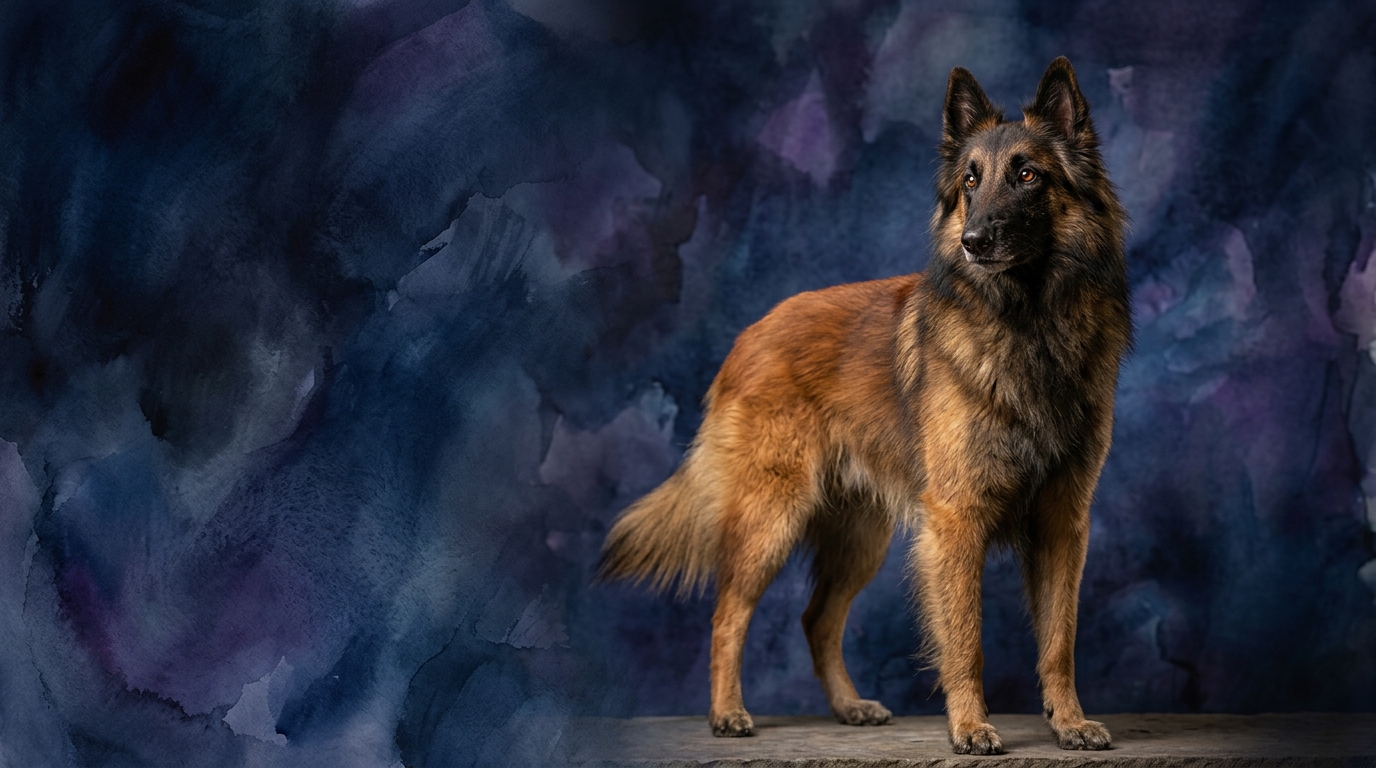
The Belgian Tervuren: A Herding Mind at Work: The Belgian Tervuren, a member of the Herding group, exhibits a mental architecture optimized for complex tasks and consistent performance. Their Coren ranking at #14 places them among breeds recognized for high working and obedience capabilities. In Problem Solving, they score an exceptional 5/5, demonstrating a profound capacity to analyze novel situations, devise effective solutions, and adapt strategies quickly. This aptitude allows them to excel in dynamic environments, often anticipating next steps. Their Training Speed is equally remarkable at 5/5; Tervurens grasp new commands and routines with minimal repetitions, making them highly responsive to instruction.
When it comes to Social Intelligence, the Tervuren earns a 3/5. While they understand human cues and expectations well, their social interactions can be more reserved or selective, often forming deep bonds with their primary caregivers but being less effusive with strangers. Their Instinctive Drive is also rated 3/5, reflecting a strong herding heritage that fuels their desire to work and manage, yet typically without the extreme prey drive found in some other working breeds. Finally, their Memory is outstanding at 5/5; once a Tervuren learns something, it tends to stick, enabling them to recall complex sequences and experiences over extended periods.
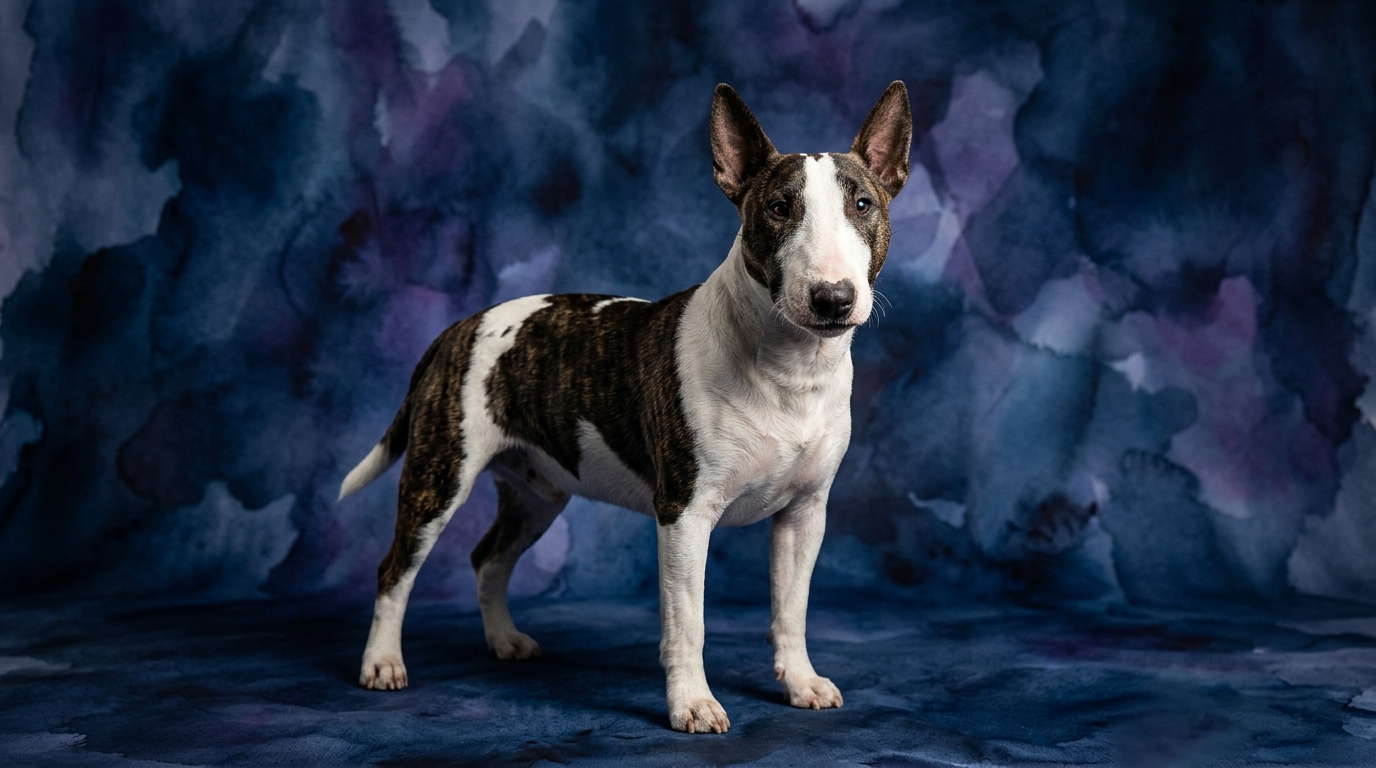
Miniature Bull Terrier: Spirited Independence: The Miniature Bull Terrier, a compact member of the Terrier group, presents a different cognitive profile shaped by its badger-baiting ancestry and independent spirit. Unlike the Tervuren, they are not specifically ranked in Coren's obedience and working intelligence list, largely due to the terrier group's characteristic willfulness which can sometimes be mistaken for a lack of capacity rather than a differing motivation. Their Problem Solving ability is rated 3/5; Mini Bull Terriers are competent at navigating straightforward challenges but may require more patient guidance when faced with intricate or multi-step problems, often preferring to tackle them head-on with persistence.
Their Training Speed is also 3/5, indicating an average learning pace. They certainly learn, but it typically requires consistent, positive reinforcement and a clear understanding of what motivates them. Social Intelligence for the Mini Bull Terrier is 3/5. They can be incredibly devoted and social with their chosen family, reading their owners' moods and intentions. However, their interactions can be marked by a characteristic terrier determination or a singular focus that might override subtle social cues in certain contexts. Their Instinctive Drive stands at 3/5, reflecting a robust prey drive and a self-assured nature typical of terriers, though not overwhelmingly so. Lastly, their Memory is a solid 3/5; they retain information adequately but may benefit from periodic refreshers for less frequently practiced commands or behaviors.
Where Belgian Tervuren Wins Cognitively
The Belgian Tervuren's cognitive strengths shine particularly in areas demanding rapid assimilation of information and strategic thinking. Their 5/5 in both Problem Solving and Training Speed means they not only learn new tasks with exceptional efficiency but also apply that learning to novel situations. For instance, a Tervuren can quickly grasp the mechanics of a complex agility course and then adapt their approach if an obstacle is unexpectedly moved or altered. This adaptability, combined with their 5/5 memory, allows them to build vast repertoires of learned behaviors and confidently execute multi-step commands, far surpassing the Mini Bull Terrier's 3/5 in these areas. This breed excels in roles requiring predictive thinking and quick, accurate responses to environmental changes, such as advanced obedience, search and rescue, or competitive dog sports.
Where Miniature Bull Terrier Wins Cognitively
While the Miniature Bull Terrier may not match the Tervuren in speed of learning or complex problem-solving, their cognitive profile offers a different kind of strength: unwavering determination and a distinct, resilient form of self-reliance. Their 3/5 in instinctive drive, coupled with their terrier tenacity, means they often persist at tasks even when faced with frustration, sometimes simply through sheer will rather than strategic analysis. This can be an asset in situations requiring singular focus despite distractions, or when a task requires brute persistence over finesse. While their social intelligence is rated 3/5, this often manifests as a deep, albeit sometimes stubborn, loyalty to their chosen family, exhibiting a robust emotional connection that endureseven when training challenges arise. Their unique blend of curiosity and strong will allows them to navigate their world with a characteristic spunk that, while sometimes challenging to direct, is a core part of their charm and effectiveness in certain contexts.
Which is Easier to Train and Why
The Belgian Tervuren is undeniably easier to train, primarily due to their exceptional 5/5 Training Speed and 5/5 Problem Solving. They possess an innate desire to understand and comply, coupled with the cognitive machinery to do so quickly. A Tervuren can learn a complex new trick or a multi-part command in a handful of repetitions, often eager to please and anticipating the next instruction. Their herding background instills a cooperative mindset, making them highly responsive to handler cues and less prone to independent action during training sessions.
In contrast, the Miniature Bull Terrier, with 3/5 in both Training Speed and Problem Solving, presents a more significant training challenge. Their terrier temperament means they are often more independent and can be less inclined to follow commands if they perceive a more interesting alternative. Training a Mini Bull Terrier requires immense patience, creativity, and a deep understanding of positive reinforcement to motivate them. They learn, but at a slower pace and often need more consistent practice and rewards to solidify behaviors. Their characteristic stubbornness means that while they can learn, they may choose not to perform if the motivation isn't compelling enough, a behavioral difference rooted in their breed's historical role as independent hunters rather than cooperative herders.
Which Suits Active Owners vs Relaxed Owners
The Belgian Tervuren is an ideal companion for highly active owners who are prepared to engage in consistent mental and physical stimulation. Their genetic programming for herding work means they thrive on purpose and activity. Owners who enjoy dog sports like agility, obedience, protection work, or even long, challenging hikes will find a Tervuren to be an eager and capable partner. Their cognitive needs are as demanding as their physical ones; without sufficient engagement, their intelligence can lead to boredom and potentially destructive behaviors. They require a structured environment and consistent training to channel their boundless energy and sharp minds.
The Miniature Bull Terrier, while certainly not a couch potato, can suit owners who are active but perhaps not seeking a dog for competitive performance sports. They enjoy walks, playtime, and engaging with their family, but their exercise needs are generally more moderate than a Tervuren's. A Mini Bull Terrier can adapt to a slightly more relaxed pace of life, provided they receive regular opportunities for physical activity and mental enrichment. Owners who appreciate a dog with a robust personality, a sense of humor, and who are prepared for some independent thinking will find a Mini Bull Terrier rewarding. They require consistent, firm, and fair leadership, but their daily demands for structured 'work' are typically lower than those of a Tervuren.
The Verdict
Choose the Belgian Tervuren if you are an experienced dog owner seeking a highly trainable, cognitively sharp partner for advanced dog sports, demanding work, or an extremely active lifestyle where consistent mental and physical engagement is a daily commitment.
Choose the Miniature Bull Terrier if you appreciate a resilient, independent, and comical companion, are prepared for patient and consistent training, and seek a robust family dog whose activity needs are substantial but not as intensely demanding as a high-drive working breed.
🧠 Find Your Pet's IQ Score
Our Pet IQ Lab assessment covers 25+ tests across 5 cognitive dimensions — personalized to your breed.
Take the Full IQ Test →Frequently Asked Questions
Are Belgian Tervurens good family dogs?
Belgian Tervurens can be excellent family dogs, forming deep bonds with their human companions. However, their reserved social intelligence (3/5) means they might be wary of strangers and require early socialization to ensure they are comfortable in various family and social settings. Their high energy and mental needs also mean they thrive best with active families who can provide consistent engagement.
Do Miniature Bull Terriers get along with other pets?
Miniature Bull Terriers can coexist with other pets, especially if raised with them from a young age. However, their instinctive drive (3/5) and terrier heritage mean they may have a strong prey drive towards smaller animals and can be selective with other dogs. Careful introductions and consistent supervision are crucial for multi-pet households.
How much exercise does a Belgian Tervuren need daily?
A Belgian Tervuren requires substantial daily exercise, typically an hour or more of vigorous activity, ideally combined with mental challenges. This could include long runs, advanced training sessions, or participation in dog sports like agility or obedience. Their herding background means they need both physical exertion and a 'job' to do to be content.