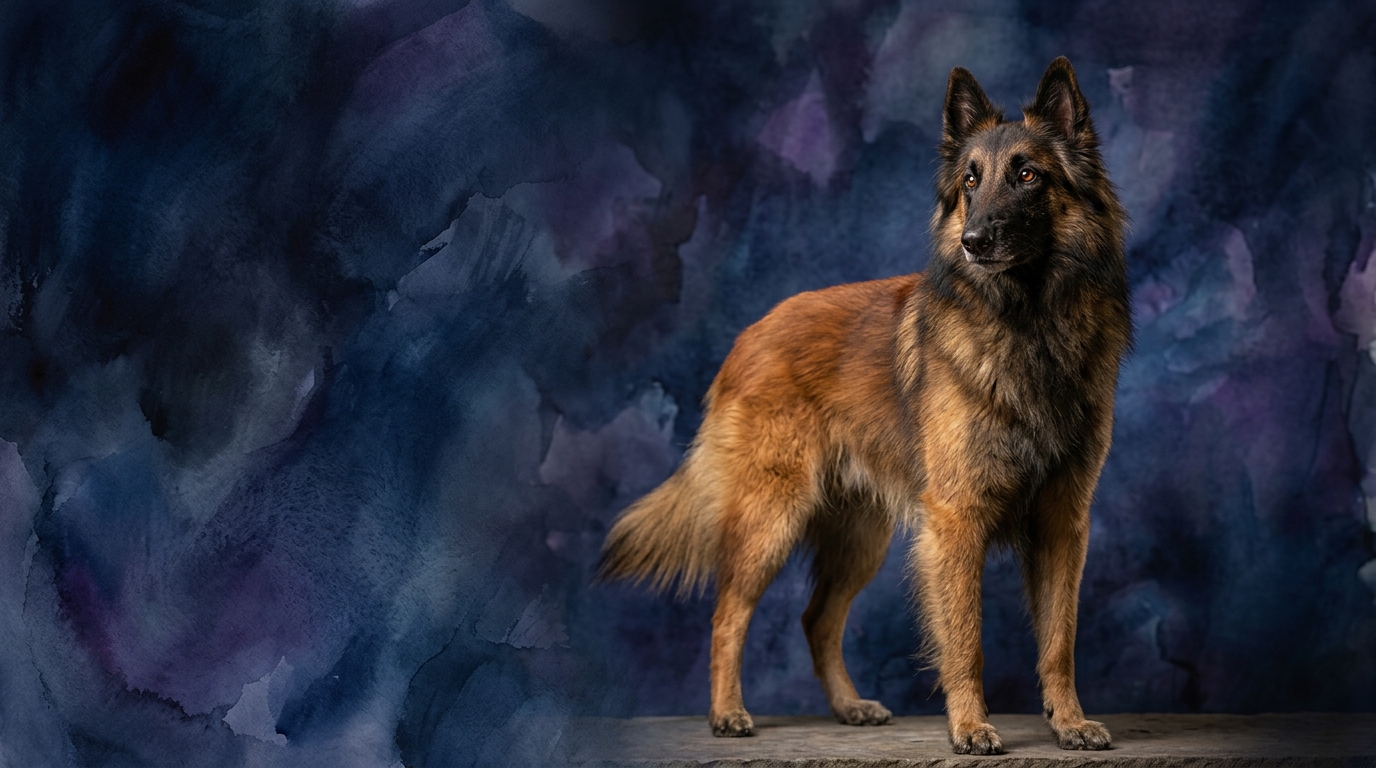
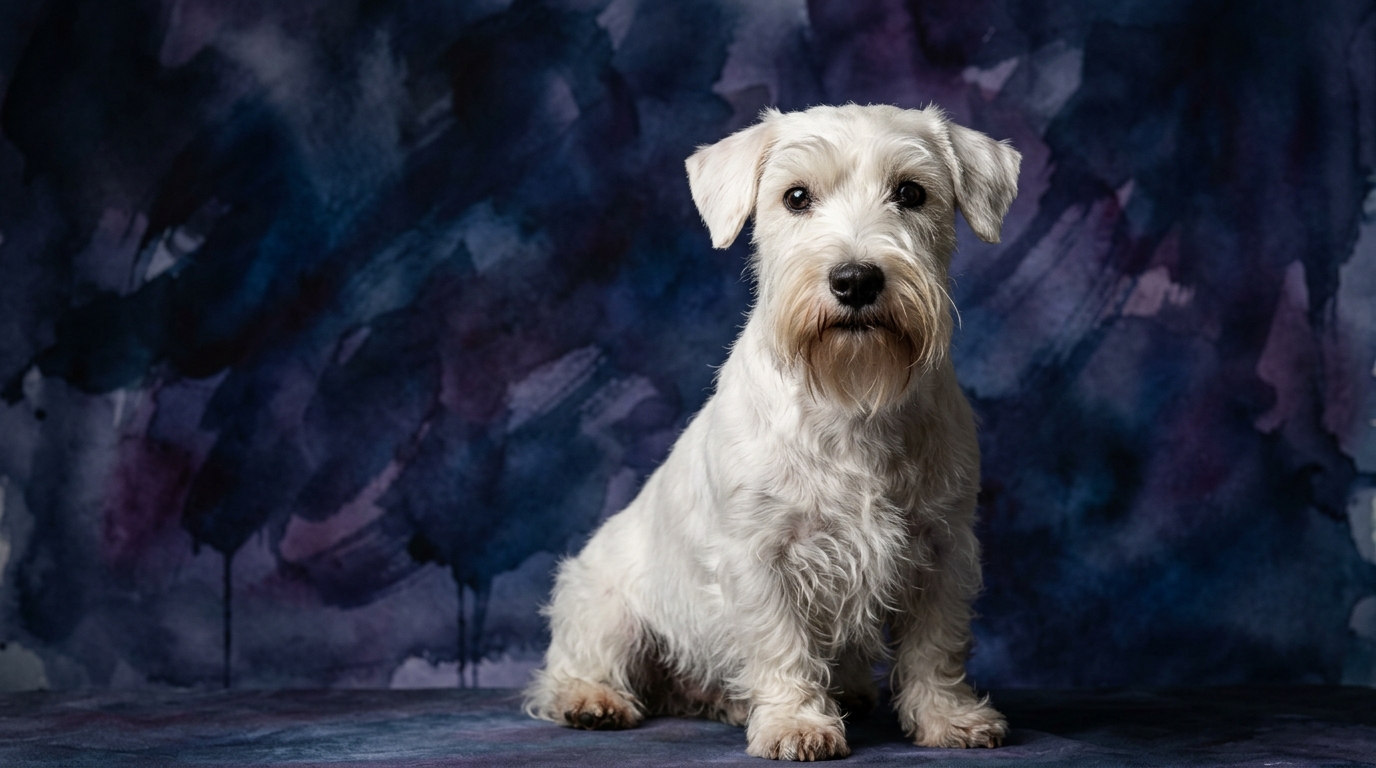
Side-by-Side Cognitive Profile: Tervuren vs. Sealyham
The Cosmic Pet Pet IQ Lab employs a five-dimensional framework to assess canine intelligence, providing a nuanced understanding beyond simple ranking. For the Belgian Tervuren, a herding breed, its cognitive scores paint a picture of a highly capable and responsive companion. Its Problem Solving is rated at 5/5, indicating an exceptional capacity to analyze novel situations, devise effective solutions, and adapt to changing environments. This breed demonstrates a profound ability to think independently and overcome obstacles. Training Speed also scores a perfect 5/5, meaning Tervurens grasp new commands and complex routines with remarkable swiftness, often requiring minimal repetitions to solidify a behavior. Their Social Intelligence is a balanced 3/5, suggesting they understand human cues and emotions but might not be as overtly demonstrative or universally outgoing as some other breeds, often forming strong bonds with their primary caregivers. Instinctive Drive, at 3/5, reflects a moderate yet purposeful drive characteristic of a working herding dog, channeled towards tasks rather than excessive restlessness. Finally, their Memory is an outstanding 5/5, allowing them to retain vast amounts of information, complex sequences, and past experiences with remarkable accuracy over long periods.
In contrast, the Sealyham Terrier, a feisty terrier breed, presents a different cognitive landscape. Its Problem Solving is rated at 3/5, indicating a practical intelligence focused on direct solutions rather than abstract reasoning or multi-step strategizing. Sealyhams are capable of finding answers to immediate challenges, particularly those related to their ancestral task of hunting vermin, but may not seek out complex mental puzzles. Training Speed also stands at 3/5, meaning they learn at a steady, deliberate pace. While they are certainly trainable, they typically require consistent reinforcement and more repetitions than a Tervuren to master new commands, often exhibiting a characteristic terrier independence that can influence the learning process. Their Social Intelligence is also 3/5, similar to the Tervuren, suggesting they interpret human intentions and emotions adequately but often with a self-assured terrier filter, prioritizing their own interests or comfort. Instinctive Drive is likewise 3/5, a moderate score that reflects their inherent terrier tenacity for digging, chasing, and exploring, which is present but generally manageable within a household setting. Their Memory is rated at 3/5, indicating a solid ability to recall learned behaviors and past events, though perhaps not with the same encyclopedic precision as a Tervuren, potentially benefiting from occasional refreshers.
Where the Belgian Tervuren Excels Cognitively
The Belgian Tervuren's cognitive profile showcases distinct advantages in areas demanding high mental agility and retention. Its 5/5 Problem Solving capability means a Tervuren can swiftly assess unfamiliar situations, such as navigating a new agility course or figuring out how to open a complex puzzle toy, often improvising solutions effectively. This breed is not easily stumped by novel challenges and actively seeks to understand and resolve them. Coupled with its 5/5 Training Speed, a Tervuren can master advanced obedience routines, intricate dog sports, or even complex service tasks with remarkable efficiency, often requiring only a handful of repetitions to ingrain a behavior. Their exceptional 5/5 Memory further solidifies this strength, ensuring that once a Tervuren learns something, it is retained reliably, making them consistent performers even after breaks from training. This combination allows them to excel in roles requiring rapid learning, precise execution, and consistent recall of a wide array of commands and behaviors.
Where the Sealyham Terrier's Profile Shines
While the Sealyham Terrier's cognitive scores are generally more moderate, its specific profile can be a distinct advantage for certain owners. Its 3/5 Problem Solving, for example, means a Sealyham is less likely to become bored and destructive by devising elaborate schemes to escape enclosures or dismantle household items out of sheer mental under-stimulation. Their problem-solving is practical and directed, often towards tasks like finding a dropped treat or navigating a familiar environment, rather than abstract intellectual pursuits. The 3/5 Training Speed, while not lightning-fast, fosters a training relationship built on patience and consistent effort, which can be deeply rewarding for owners who appreciate a slower, more deliberate learning journey. This breed's moderate cognitive demands mean it doesn't require the constant, intense mental engagement of a Tervuren, making it a more suitable companion for owners who seek a less mentally demanding dog. Furthermore, their consistent 3/5 in Social Intelligence and Instinctive Drive indicates a balanced temperament that is adaptable and resilient, capable of interpreting its environment without being overly sensitive or driven to extremes.
Ease of Training: A Clear Distinction
When it comes to ease of training, the Belgian Tervuren holds a distinct advantage due to its exceptional Training Speed (5/5) and Problem Solving (5/5). A Tervuren typically grasps new commands with minimal repetition, often understanding the underlying concept quickly and generalizing it to different contexts. This means they can progress through training levels rapidly, from basic obedience to advanced competitive activities, with relative ease. Their strong memory ensures that once a command is learned, it's remembered, making them highly reliable. In contrast, the Sealyham Terrier's Training Speed (3/5) suggests a more gradual learning curve. While certainly trainable, a Sealyham will require more consistent reinforcement, patience, and repetition to solidify new behaviors. Their independent streak, characteristic of many terriers, means they might occasionally 'question' a command or prioritize their own interests, requiring an owner who can make training engaging and consistent without resorting to harsh methods. The Tervuren's cognitive makeup makes it more inclined to work cooperatively and learn quickly, whereas the Sealyham requires an approach that respects its independent nature while clearly communicating expectations.
Matching Cognitive Profiles to Owner Lifestyles
The cognitive profiles of these two breeds offer clear guidance for matching them with appropriate owner lifestyles. The Belgian Tervuren, with its 5/5 Problem Solving, 5/5 Training Speed, and 5/5 Memory, is an ideal fit for active owners who relish engaging in demanding activities. These dogs thrive with consistent mental stimulation, whether through advanced obedience, agility, herding trials, or complex puzzle games. Owners who can dedicate significant time to training, provide diverse learning opportunities, and channel their Tervuren's considerable cognitive horsepower into productive outlets will see this breed flourish. They are not content with mere physical exercise; their minds require work.
Conversely, the Sealyham Terrier, with its 3/5 scores across most cognitive dimensions, is better suited for relaxed owners who appreciate a dog with a more moderate mental footprint. While still requiring regular physical activity and consistent training like any dog, a Sealyham doesn't demand the same intensity of mental engagement as a Tervuren. Owners who prefer a dog that is self-sufficient at times, enjoys a predictable routine, and isn't constantly seeking out complex mental challenges might find the Sealyham a more harmonious companion. They still need mental enrichment, but it can be satisfied with consistent basic training, interactive toys, and opportunities to explore their surroundings, rather than needing to master advanced skills or solve elaborate puzzles daily.
The Verdict
Choose a Belgian Tervuren if you are an active, dedicated owner eager to provide consistent mental challenges and advanced training for a highly responsive and capable dog.
Opt for a Sealyham Terrier if you seek a resilient, independent companion with moderate cognitive demands, valuing consistency and patience in training over rapid skill acquisition.
🧠 Find Your Pet's IQ Score
Our Pet IQ Lab assessment covers 25+ tests across 5 cognitive dimensions — personalized to your breed.
Take the Full IQ Test →Frequently Asked Questions
Does a Sealyham Terrier's moderate problem-solving mean it's less adaptable?
Not necessarily less adaptable, but rather that its problem-solving is more practical and task-oriented. A Sealyham will adapt well to routines and familiar challenges, but may not be as inclined or quick to devise solutions for highly abstract or novel problems as a Tervuren, preferring direct approaches.
How does social intelligence (3/5 for both) manifest differently in these breeds?
For the Tervuren, 3/5 social intelligence often means a reserved nature, forming deep bonds with its family but being less effusive with strangers, requiring clear communication. For the Sealyham, 3/5 often translates to an independent streak; while they understand cues, they might choose to comply based on their own immediate assessment or comfort, characteristic of many terriers.
Are there any shared cognitive strengths between the Belgian Tervuren and Sealyham Terrier?
Both breeds share a 3/5 Instinctive Drive, indicating a moderate but present innate motivation for tasks, albeit directed differently (herding for Tervuren, vermin hunting for Sealyham). This suggests both can be motivated by natural inclinations when channeled appropriately, although the Tervuren's higher problem-solving and training speed allow it to channel this drive more complexly.