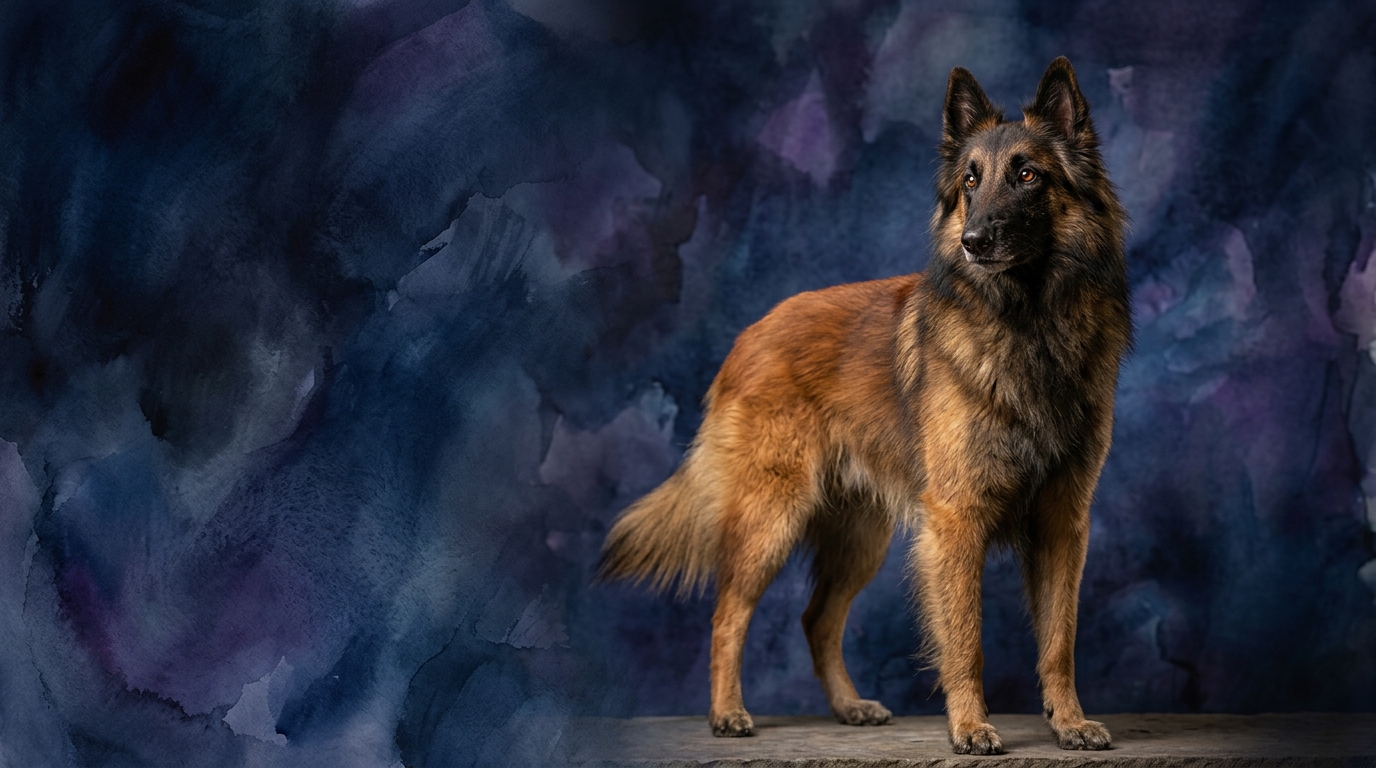
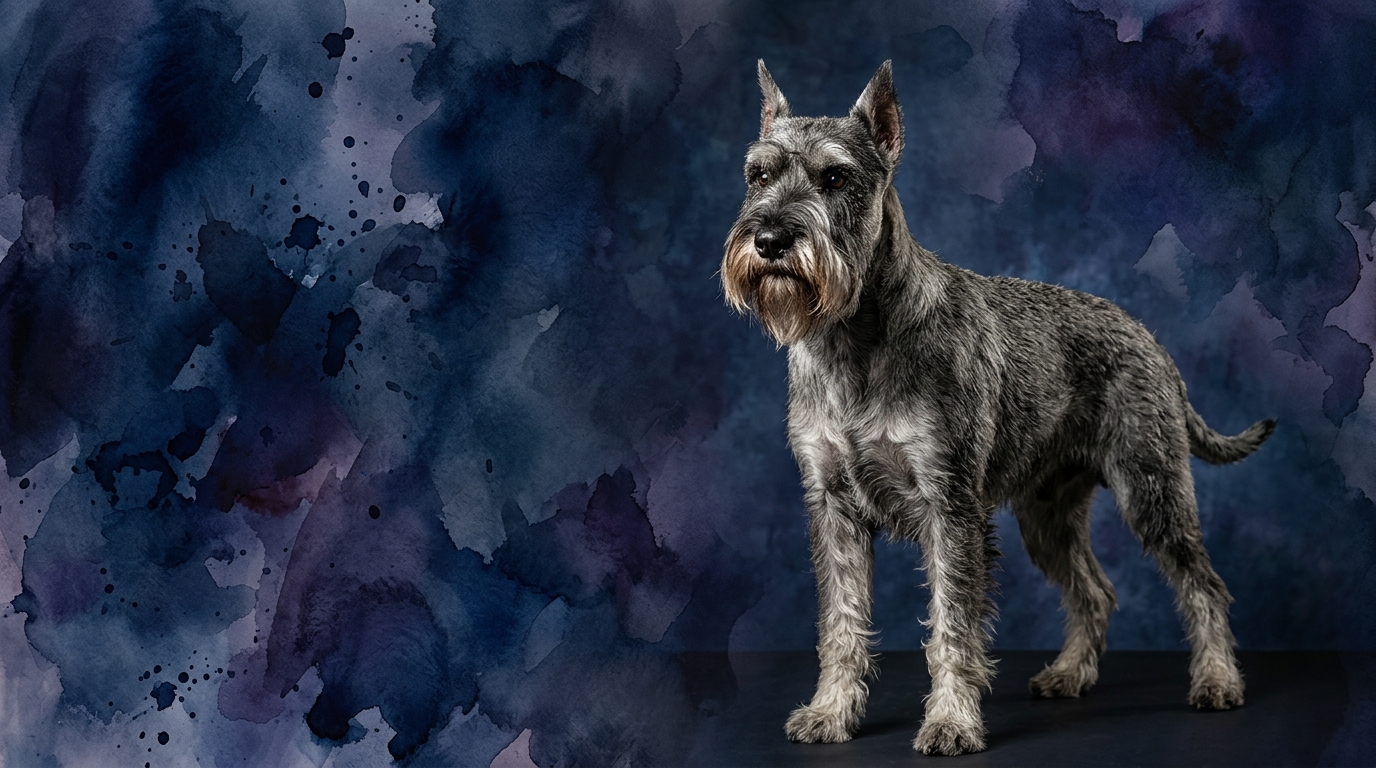
Side-by-Side IQ Profile: Tervuren vs. Schnauzer
The Belgian Tervuren, ranked #14 by Coren and belonging to the Herding group, exhibits exceptional cognitive agility across several dimensions. Its Problem Solving and Training Speed both score a perfect 5/5, indicating a remarkable capacity to swiftly analyze novel situations and devise solutions, a hallmark of its lineage where quick, independent decisions are paramount. Their memory also scores 5/5, allowing for consistent recall of intricate sequences and commands. While their Social Intelligence and Instinctive Drive are both rated 3/5, this suggests a purposeful, task-oriented focus, enabling them to interpret human cues effectively without an overwhelming need for constant engagement or independent action without direction.
In contrast, the Standard Schnauzer, Coren rank #22 and from the Working group, possesses a robust and practical intellect. It scores a solid 4/5 in Problem Solving, Training Speed, and Memory, demonstrating strong capabilities to navigate challenges effectively and grasp new concepts efficiently, albeit perhaps with a slightly more methodical approach than the Tervuren. Like the Tervuren, its Social Intelligence and Instinctive Drive are both rated 3/5, underscoring its reliability and suitability for purposeful work. This breed is capable of effective communication with its human companions and possesses a drive that supports sustained effort without excessive self-motivation or distraction.
Where the Belgian Tervuren Wins Cognitively
The Belgian Tervuren distinguishes itself with a superior capacity for rapid cognitive processing, particularly evident in its Problem Solving and Training Speed scores, both at 5/5. This breed doesn't just solve problems; it often anticipates them, using its keen observational skills to assess situations and react with remarkable alacrity. For instance, in complex agility courses or advanced obedience tasks, a Tervuren can often string together multiple commands and obstacles with minimal hesitation, processing information and executing responses almost simultaneously.
This exceptional cognitive velocity means they often require fewer repetitions to master new skills, absorbing intricate sequences and abstract concepts with a fluidity that few other breeds can match. Their perfect 5/5 Memory score further amplifies this advantage, ensuring that once a lesson is learned, it is deeply ingrained and readily accessible, making them incredibly consistent performers over time. This cognitive profile makes them particularly adept at roles requiring intricate pattern recognition, dynamic decision-making, and precision recall, such as competitive obedience, protection sports, or search and rescue where every second and every detail counts.
Where the Standard Schnauzer's Cognition Shines
While the Belgian Tervuren might exhibit a quicker cognitive spark, the Standard Schnauzer’s strength lies in a steadfast, practical application of its intellect, marked by a robust resilience and unyielding determination. With solid 4/5 scores in Problem Solving, Training Speed, and Memory, the Schnauzer’s cognitive profile is one of reliable competence rather than sheer speed. Where a Tervuren might excel in rapid, fluid adaptation, a Schnauzer often brings a persistent, methodical approach to tasks, exhibiting a strong work ethic that can translate into sustained effort even when challenges are complex or repetitive.
This breed's working group background imbues it with a pragmatic intelligence; they are adept at understanding and performing tasks that require consistency, vigilance, and a certain degree of independent judgment within defined parameters. For example, in roles like farm work, guarding, or even complex scent detection, the Schnauzer’s unwavering focus and capacity for thoroughness, coupled with its strong memory, allow it to execute duties with dependable precision, often thriving on the routine and structure that might bore a Tervuren. Their cognitive strength isn't in outperforming on raw speed or novelty, but in their durable, purposeful application of intellect, making them profoundly capable for sustained, practical work.
Which is Easier to Train and Why
Based on the IQ metrics, the Belgian Tervuren (Training Speed 5/5) presents as the easier breed to train compared to the Standard Schnauzer (Training Speed 4/5). The Tervuren's superior training speed is directly linked to its exceptional problem-solving ability and perfect memory score. These dogs are quick studies, absorbing new commands and complex sequences with remarkable efficiency, often requiring fewer repetitions to achieve proficiency.
Their inherent eagerness to engage and their capacity to generalize learned behaviors to new situations means that once a concept is grasped, it can be applied broadly, accelerating the learning process. For instance, teaching a Tervuren a multi-step retrieve might involve fewer demonstrations and corrections, as they quickly understand the underlying principles and remember the precise actions required. In contrast, while the Standard Schnauzer is also highly trainable, its slightly lower training speed suggests it might benefit from a more consistent, perhaps slightly more patient approach, taking a few more repetitions to solidify new information. The Schnauzer's training success often hinges on its robust, tenacious nature, which ensures it will persist, but its initial uptake of information may not be as instantaneous as the Tervuren's. Therefore, for owners seeking a dog that picks up new skills with astonishing swiftness, the Tervuren holds a distinct advantage.
Cognitive Profiles for Active vs. Relaxed Owners
The cognitive profiles and inherent drives of these breeds provide clear indicators for owner lifestyles. The Belgian Tervuren, with its high problem-solving and training speed, coupled with its herding background, thrives with active owners who can channel its mental and physical energies into purposeful activities. These are dogs that genuinely enjoy having a “job” to do, whether it's advanced obedience, agility, herding trials, or even complex puzzle toys. A Tervuren without sufficient mental stimulation will often invent its own “problems” to solve, which can manifest as undesirable behaviors like excessive vocalization, destructive chewing, or obsessive herding of family members. Their moderate instinctive drive means they are driven but not uncontrollably so, making them excellent partners for endurance sports or intricate training regimens. Conversely, a relaxed owner who offers only minimal engagement would likely find a Tervuren overwhelming and potentially disruptive, as its active mind requires constant input.
The Standard Schnauzer, while also a working breed requiring activity, possesses a cognitive robustness that can adapt to a broader spectrum of active lifestyles, perhaps without the same intensity or relentless mental demand as the Tervuren. Its solid problem-solving and training speed mean it excels in various dog sports and working roles, but its moderate instinctive drive allows it to be content with a slightly less structured “job” if it still involves regular physical and mental exercise. A Schnauzer is a fantastic companion for owners who enjoy daily walks, hikes, or consistent training sessions, and they possess a sturdy, resilient nature that can tolerate slight variations in routine. While they certainly aren't suited for truly sedentary owners, a Standard Schnauzer might be a better fit for an active family whose schedule doesn't permit daily multi-hour, highly structured training sessions. They appreciate purposeful engagement but might not demand the same level of cognitive challenge as consistently as a Tervuren, making them a more adaptable choice for active but not necessarily “hyper-focused” owners.
The Verdict
Opt for the Belgian Tervuren if you are an experienced, highly engaged owner seeking a profoundly quick-thinking and responsive canine partner for advanced training, competitive dog sports, or demanding working roles that require exceptional cognitive agility and rapid learning.
Select the Standard Schnauzer if you desire a robust, practical, and reliably intelligent companion for an active lifestyle, appreciating its steadfast determination and dependable work ethic in a variety of purposeful activities.
🧠 Find Your Pet's IQ Score
Our Pet IQ Lab assessment covers 25+ tests across 5 cognitive dimensions — personalized to your breed.
Take the Full IQ Test →Frequently Asked Questions
Is the Belgian Tervuren's moderate social intelligence a concern for family life?
A moderate social intelligence score for the Belgian Tervuren indicates they are capable of understanding human cues but might not possess the same innate desire for constant social interaction or emotional nuance as breeds scoring higher. This means they form strong bonds with their primary family but might be reserved with strangers and require consistent, positive socialization from a young age to ensure they are well-adjusted and comfortable in various social settings.
How does the Standard Schnauzer's instinctive drive translate into daily behavior?
The Standard Schnauzer's moderate instinctive drive suggests they are motivated by purpose and tasks but are not typically prone to excessive self-directed behaviors or an overwhelming need for constant stimulation without guidance. This drive makes them excellent for structured activities and training, providing a reliable foundation for work without making them overly independent or difficult to manage, offering a balanced energy level that appreciates direction.
Which breed is better for a first-time dog owner seeking a trainable companion?
Neither breed is typically recommended for truly novice dog owners due to their strong working drives and intelligence requiring consistent, knowledgeable guidance. However, if a first-time owner is dedicated to extensive training and research, the Standard Schnauzer's slightly less intense cognitive demands and robust nature might be marginally more forgiving than the Belgian Tervuren's exceptional speed and need for constant, high-level mental engagement.