
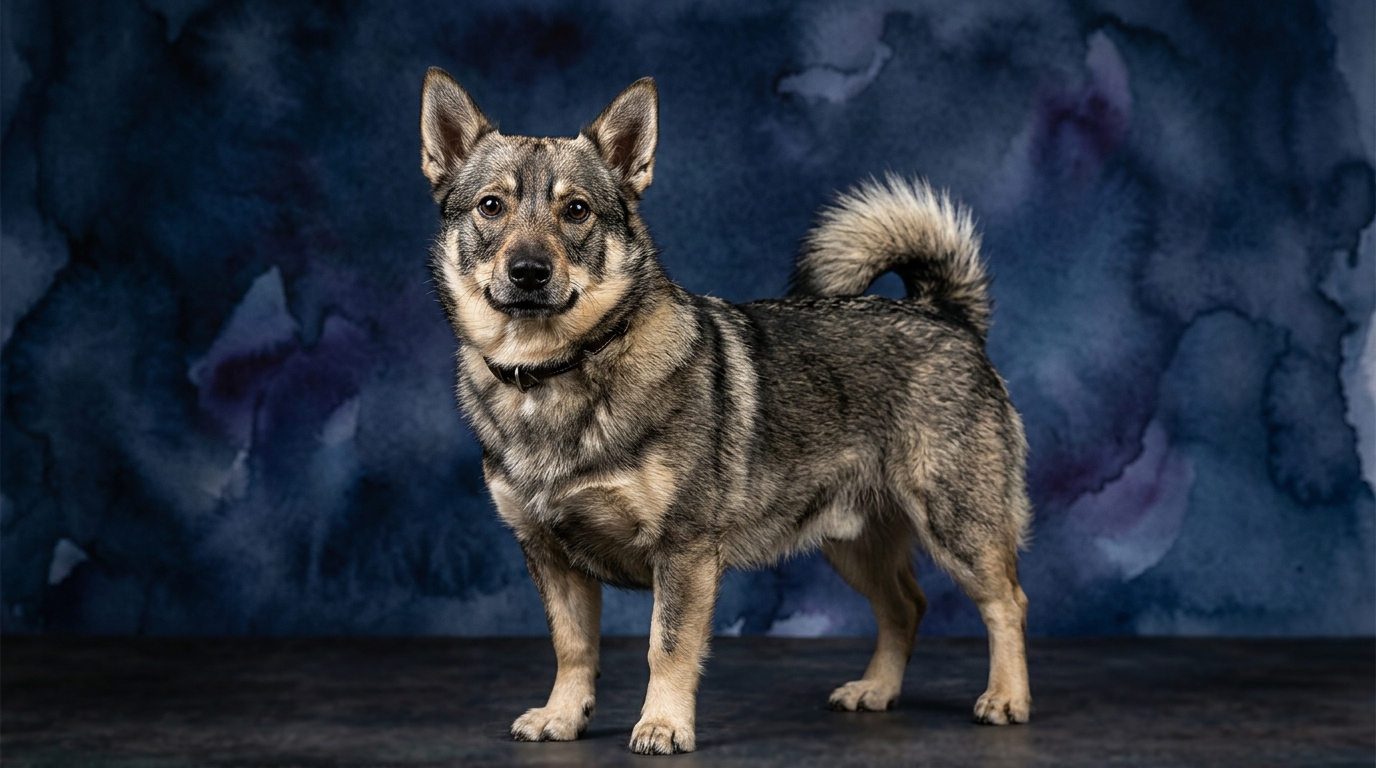
The Cosmic Pet Pet IQ Lab: Side-by-Side Cognitive Profiles
At The Cosmic Pet Pet IQ Lab, we evaluate canine intelligence across five critical dimensions to provide a nuanced understanding of each breed's mental landscape. For the Belgian Tervuren and Swedish Vallhund, these profiles paint a clear picture of their cognitive strengths and how they interact with the world.
The **Belgian Tervuren**, a breed often admired for its versatility and focus, boasts an impressive cognitive lineup. Their Problem Solving is rated an outstanding 5/5, indicating an exceptional capacity to analyze novel situations and devise effective solutions independently. Training Speed also achieves a perfect 5/5, meaning these dogs absorb new commands and routines with remarkable rapidity, requiring minimal repetition to solidify learning. Their Social Intelligence stands at 3/5, suggesting they form strong bonds with their family but can be reserved or discerning with strangers, benefiting from deliberate socialization. Instinctive Drive is rated 3/5, reflecting a present but generally manageable herding impulse that can be channeled productively. Finally, their Memory is an exceptional 5/5, allowing them to retain vast amounts of information and complex sequences over extended periods.
In contrast, the **Swedish Vallhund**, a robust and watchful herding dog, presents a more uniformly balanced cognitive profile. Their Problem Solving is a solid 3/5, indicating a practical approach to challenges where they can learn and apply solutions but may not consistently innovate. Training Speed also scores 3/5, meaning Vallhunds learn new commands at a steady, reliable pace, responding well to consistent, positive reinforcement. Their Social Intelligence matches the Tervuren at 3/5; they are typically amiable with their families but might display a cautious observation of unfamiliar individuals. Instinctive Drive is also 3/5, manifesting as a moderate herding inclination, often expressed through a desire to gather or 'nip' at heels, which requires appropriate guidance. Their Memory is rated 3/5, showing a good capacity for retaining learned behaviors and experiences, particularly with regular reinforcement.
Where the Belgian Tervuren Excels Cognitively
The Belgian Tervuren truly shines in areas demanding high-level cognitive function and rapid assimilation of information. Their perfect 5/5 score in Problem Solving means they aren't just following commands; they are actively processing environments and adapting to find solutions, making them exceptional candidates for complex tasks like search and rescue, advanced obedience, or competitive agility where quick, independent decisions are crucial. This cognitive agility allows them to excel in dynamic situations, often anticipating next steps and responding proactively rather than merely reacting.
Coupled with their 5/5 Training Speed, Tervurens can master an extensive repertoire of commands and intricate routines with astonishing efficiency. This translates into a dog that can quickly learn complex sequences of behaviors, making them a joy for experienced trainers who enjoy pushing cognitive boundaries. Whether it's mastering a multi-step obedience routine or learning nuanced signals for working roles, the Tervuren's capacity to absorb and execute new information is unparalleled among many breeds. Their superior Memory (5/5) ensures that once a skill is learned, it is retained with remarkable durability, meaning less refresher training is typically needed for established behaviors, even after long breaks. This combination of rapid learning, deep understanding, and lasting retention positions the Tervuren as a formidable cognitive athlete.
Where the Swedish Vallhund's Cognitive Profile Offers Unique Advantages
While the Swedish Vallhund's cognitive profile shows consistent moderate scores across the board, this balanced approach can be a distinct advantage in certain contexts. Their 3/5 in Problem Solving, for example, suggests a dog that is less likely to become overstimulated or frustrated by novel, highly complex challenges that might overwhelm a dog with a more intense problem-solving drive. Instead, they often approach new situations with a steady, practical mindset, preferring to apply learned solutions rather than constantly seeking innovative ones. This can lead to a more predictable and less mentally demanding companion for the average owner.
The Vallhund's moderate 3/5 scores in Training Speed, Social Intelligence, Instinctive Drive, and Memory contribute to an overall temperament that is often described as steady and adaptable, rather than intensely driven or overly sensitive. Their moderate instinctive drive means their herding impulses, while present, are typically easier to manage and redirect compared to breeds with higher scores, making them less prone to obsessively 'working' family members or pets. This balanced cognitive makeup allows them to integrate smoothly into a variety of family environments without the constant need for extreme mental exertion, offering a robust and reliable companionship that is not predicated on perpetual high-level cognitive engagement.
Training Dynamics: Which is Easier and Why?
Determining which breed is 'easier' to train depends significantly on the handler's experience and specific goals. The Belgian Tervuren, with its 5/5 Training Speed, undoubtedly learns new commands and complex sequences with astounding quickness. They are often described as sponges for information, readily picking up on cues and routines. This makes them exceptionally rewarding for experienced trainers seeking a partner for advanced obedience, competitive dog sports, or intricate working tasks, as they can progress rapidly through training levels. However, this same cognitive agility means they can also quickly learn unwanted behaviors if not consistently guided, requiring a handler who is precise, consistent, and always a step ahead.
In contrast, the Swedish Vallhund's 3/5 Training Speed means they learn at a steady, deliberate pace. They require consistent repetition and positive reinforcement to solidify new commands, but this can also make them more forgiving of handler inconsistencies or less intense training approaches. While they may not achieve the same rapid mastery as a Tervuren, their learning is often durable once established, thanks to their reliable 3/5 Memory. A Vallhund might take longer to perfect a recall, but once learned, it is likely to stick. Their moderate Problem Solving also means they are less likely to 'outthink' their handler or become bored with repetitive training, making them a good fit for owners who prefer a consistent, predictable training journey without the pressure of constant mental gymnastics.
Cognitive Needs: Active Owners vs. Relaxed Owners
For owners who thrive on high-level engagement and are prepared to channel a keen intellect, the Belgian Tervuren is an ideal match. Their superior Problem Solving and Memory demand consistent mental exercise, far beyond simple walks. These dogs require structured training, puzzle toys, and opportunities to use their minds in meaningful ways, such as scent work, agility, or advanced obedience. A Tervuren that is not sufficiently mentally stimulated can become bored, potentially leading to undesirable behaviors as they invent their own 'problems' to solve. They excel with owners who view dog ownership as an active partnership, dedicated to nurturing their dog's full cognitive potential through daily challenges and learning opportunities.
The Swedish Vallhund, with its balanced cognitive profile, suits owners who are active but perhaps not seeking the intense, constant mental demands of a Tervuren. While Vallhunds are still herding dogs and benefit greatly from consistent training and engagement, their moderate scores across all IQ dimensions suggest they are less prone to becoming destructive or anxious if not constantly challenged with complex mental tasks. They enjoy learning and participating in activities but can also be content with a more varied routine that includes regular walks, basic obedience, and interactive play. They are well-suited for families or individuals who appreciate a mentally robust companion that can adapt to different daily rhythms without requiring an expert-level commitment to cognitive enrichment.
The Verdict
Choose the Belgian Tervuren if you are an experienced, dedicated owner seeking a highly engaged canine partner for advanced training, dog sports, or complex tasks, appreciating a dog that thrives on intense mental stimulation and rapid learning.
Opt for the Swedish Vallhund if you desire a steady, amiable companion with a balanced cognitive approach, suitable for consistent but less intense training and varied family life, valuing reliability and a more moderate mental engagement.
🧠 Find Your Pet's IQ Score
Our Pet IQ Lab assessment covers 25+ tests across 5 cognitive dimensions — personalized to your breed.
Take the Full IQ Test →Frequently Asked Questions
Are Belgian Tervurens suitable for first-time dog owners?
Due to their exceptional Problem Solving and Training Speed, Belgian Tervurens require an experienced hand for consistent guidance and mental engagement. First-time owners might find their cognitive demands and rapid learning of both desired and undesired behaviors challenging without significant dedication to structured training.
Do Swedish Vallhunds require a lot of mental stimulation?
Swedish Vallhunds do require consistent mental engagement, typical of a herding breed, but their moderate cognitive scores mean they are generally less demanding than a Tervuren. Regular training, puzzle toys, and varied activities are beneficial, but they don't typically need the same intensity of complex problem-solving to remain content.
How do their social intelligence levels impact interaction with children or other pets?
Both breeds have a Social Intelligence rating of 3/5, suggesting they form strong bonds with their immediate family. Early and consistent socialization is crucial for both to ensure they interact appropriately with children and other pets, as they can be reserved with strangers and benefit from clear boundaries and positive introductions.